
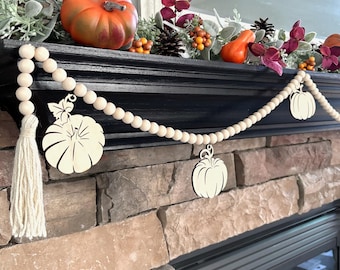
Fall garlands bring seasonal texture and warmth to mantels and stairs through simple combinations of natural materials and everyday supplies. These twelve approaches focus on durable, easy-to-source elements that hold up through the season while creating layered, balanced displays.
Mini Pumpkin Garland
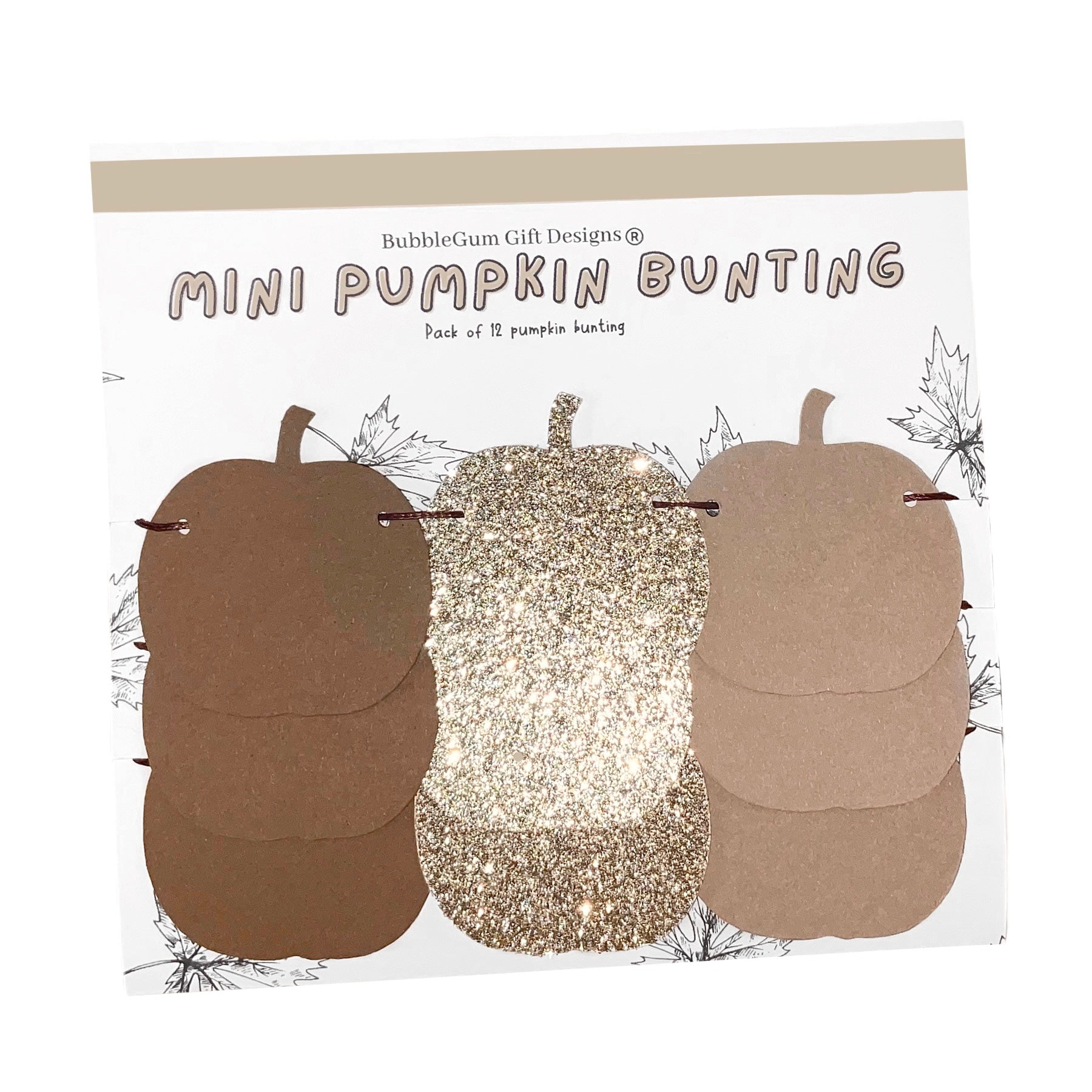
Mini pumpkins threaded onto sturdy jute rope create a compact garland that sits neatly along a mantel ledge without overwhelming surrounding decor. The small scale allows the pumpkins to cluster naturally at intervals, producing gentle movement and repeated color accents that echo across the surface.
Choose pumpkins in mixed orange, cream, and sage tones for visual interest, then space them eight to ten inches apart so the rope remains visible between each piece. Secure each pumpkin by threading the rope through the stem or using a small dab of hot glue on the base for extra stability on stairs where traffic creates vibration.
Placement on stairs works best when the garland drapes along the banister rather than the treads themselves, keeping walkways clear while still showing the pumpkins from multiple angles in the room.
Pressed Leaf Garland
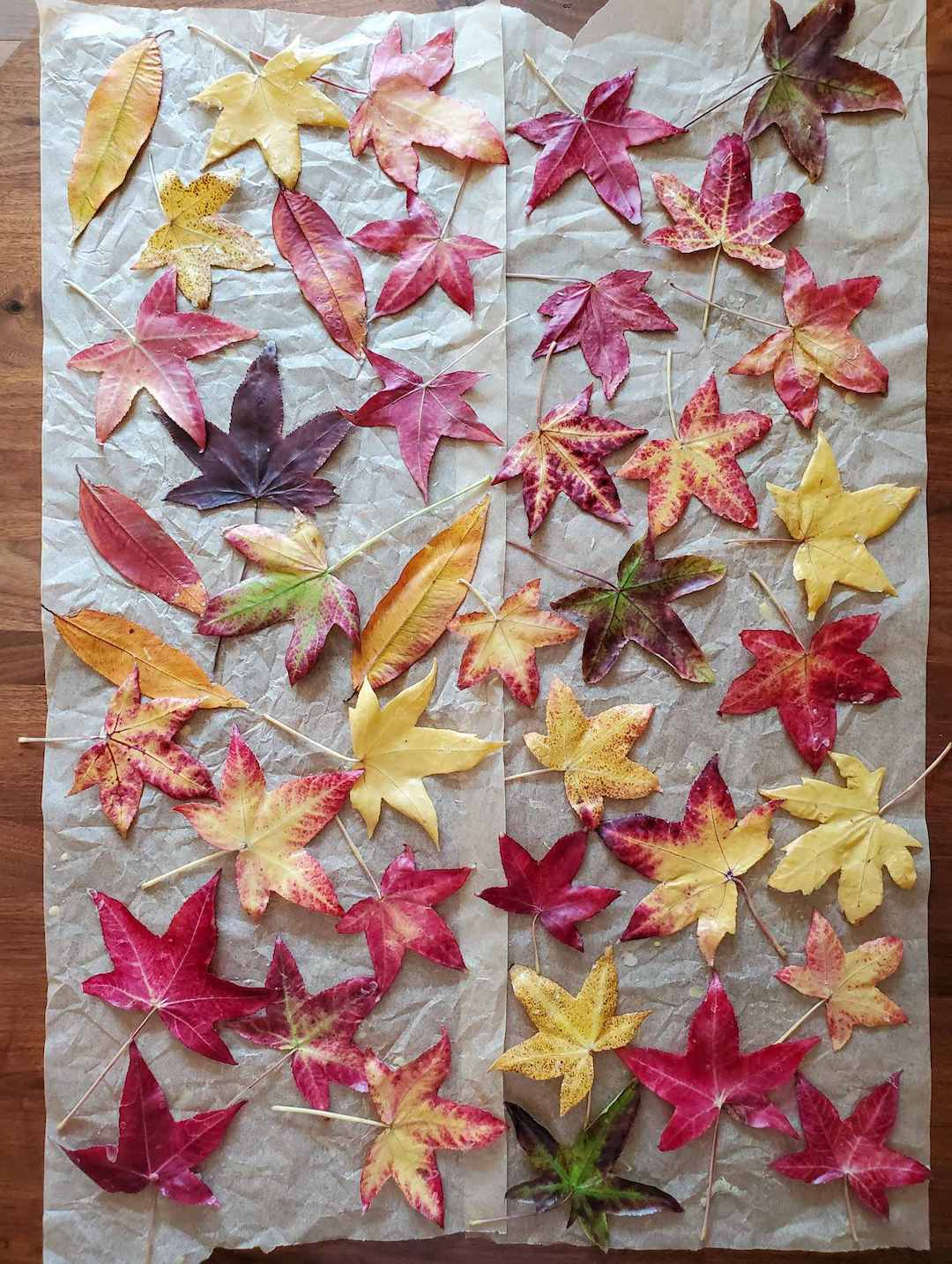
Pressed leaves retain their shape and color when sealed between wax paper sheets, giving the garland a delicate, translucent quality that catches light near windows or fireplaces. The process preserves the natural veining and subtle color shifts that make each leaf distinct.
Select leaves from maple, oak, and beech trees in varying stages of color change, then press them for several days before assembling. String the preserved leaves onto thin twine with small knots between each one to prevent sliding during hanging.
A common placement variation involves layering the leaf garland behind a row of pillar candles on the mantel so the light shines through the pressed foliage in the evening.
Pinecone and Berry Mix Garland
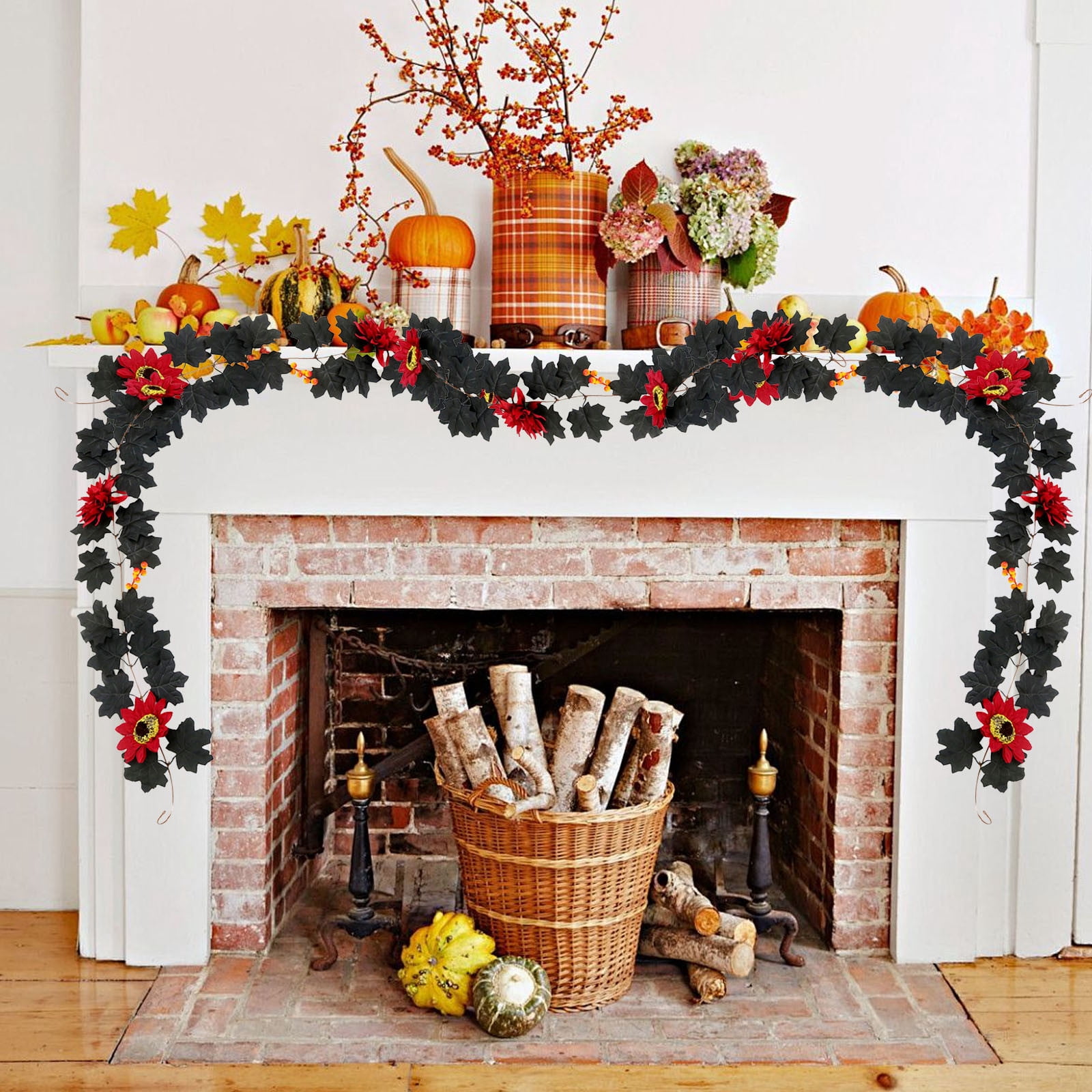
Combining pinecones with clusters of artificial or dried berries adds both weight and bright pops of red that contrast against neutral mantels. The pinecones provide structure while the berries introduce movement and seasonal color without requiring additional paint or dye.
Gather small to medium pinecones and wire them in groups of three, then attach berry picks at the same intervals so the colors alternate along the length. Use floral wire to connect everything to a central rope or thick cord that can support the combined weight on stair railings.
This combination holds up better on stairs than loose leaf versions because the pinecones add ballast against swinging.
Burlap and Lace Garland

Burlap strips paired with lace trim produce a soft, farmhouse texture that complements both modern and traditional mantel styles. The neutral base allows the lace details to stand out while still reading as autumnal when paired with deeper wood tones or brass accents.
Cut burlap into two-inch-wide strips and fray the edges slightly for a relaxed finish, then sew or glue narrow lace along one side of each strip. Tie the finished pieces onto a length of rope at regular intervals so the burlap hangs in gentle loops.
This style works especially well on dark wood stairs where the light-colored burlap and lace create contrast without competing with existing architectural details.
Dried Wheat Stalk Garland
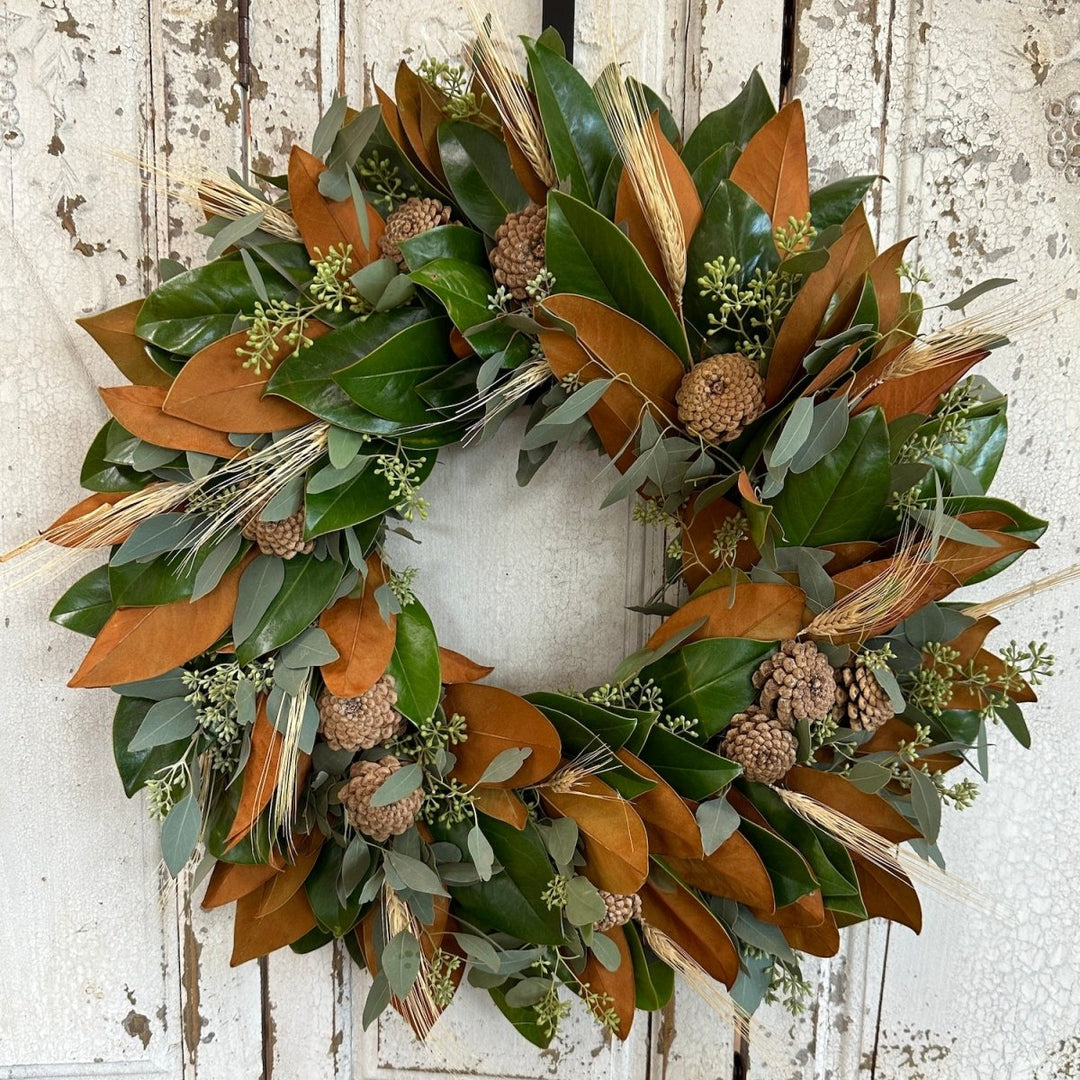
Dried wheat stalks bring height and linear interest to garlands, creating vertical movement that draws the eye along the full length of a mantel or stair railing. The golden tones pair naturally with other fall elements while remaining simple enough to stand alone.
Bundle three to five stalks together with floral tape, then attach each bundle to a central rope using additional wire. Leave several inches of rope visible between bundles so the wheat can sway slightly with air movement near open doors or stairwells.
Acorn Cluster Garland
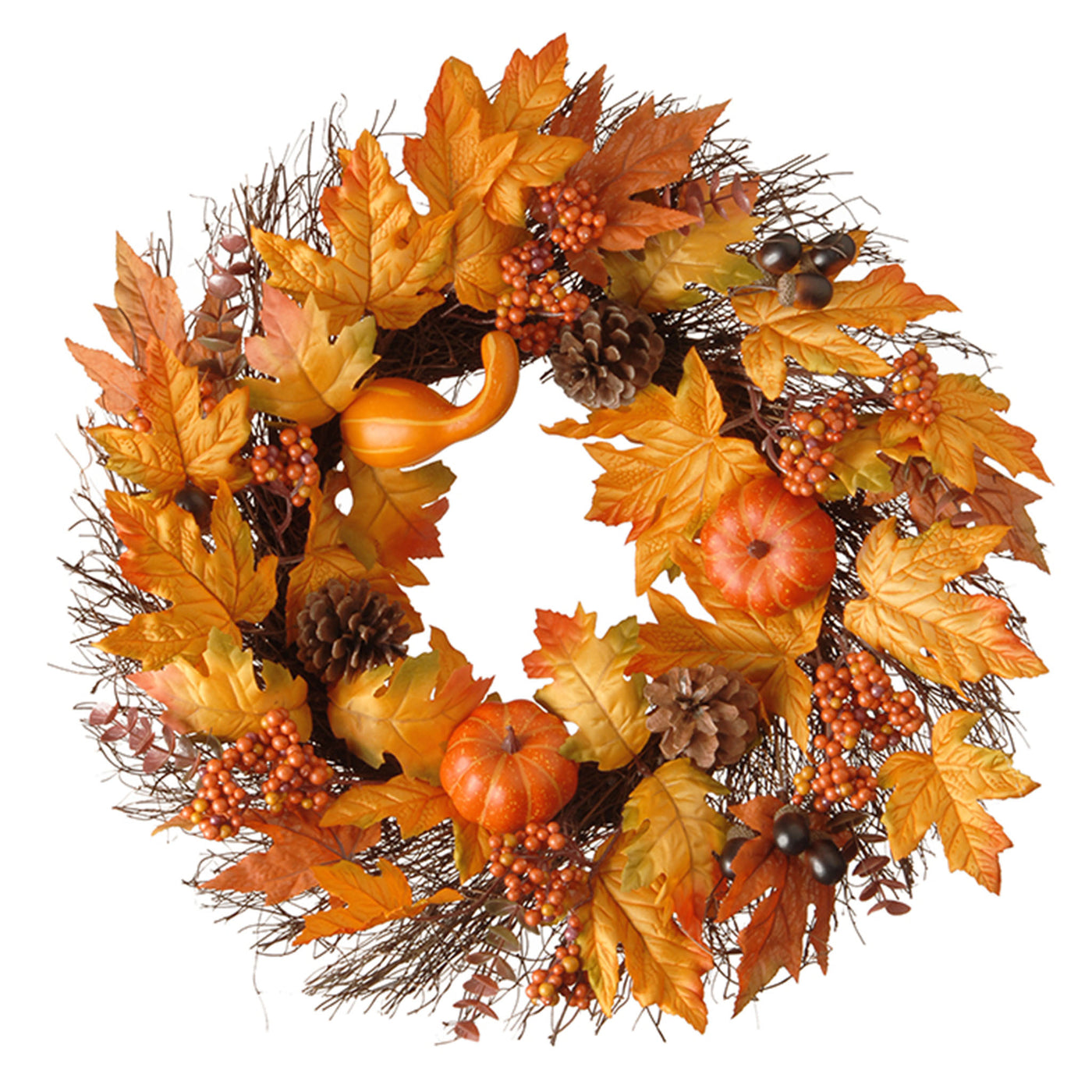
Acorns gathered in small clusters add organic shape and subtle brown tones that layer well with other natural materials. Their compact size makes them ideal for tighter spaces on stairs where larger elements might obstruct passage.
Drill small holes through the caps before stringing or use hot glue to attach caps to a base cord in groups of four or five. Alternate cluster sizes along the garland to avoid a uniform appearance.
Fabric Strip Garland
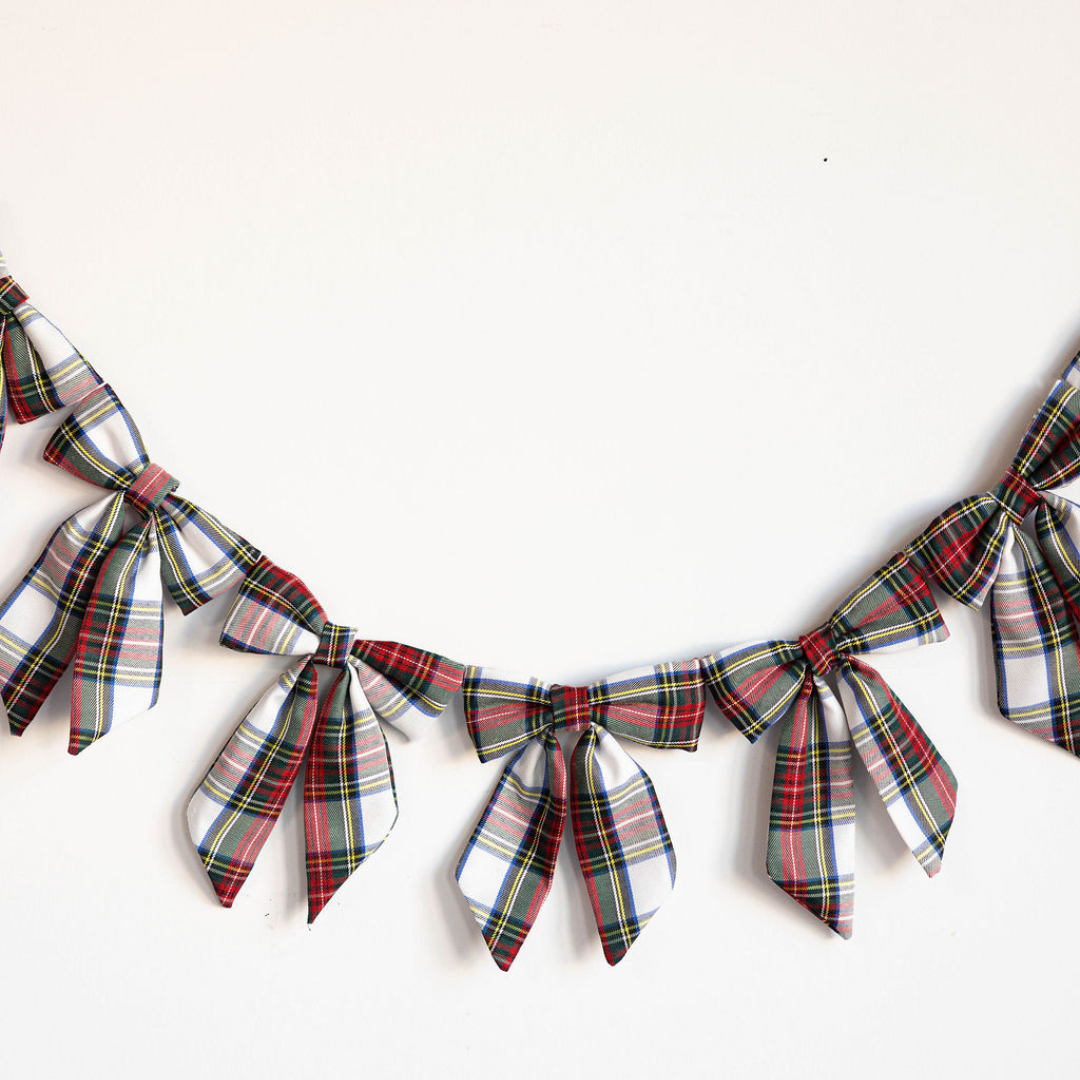
Torn strips of plaid or check fabric in fall colors create a casual, textured garland that feels at home in both rustic and contemporary settings. The frayed edges soften the look while the pattern repeats provide rhythm.
Select three or four coordinating fabrics, tear them into one-inch strips, and knot them onto a rope base in repeating color sequences. Vary the strip lengths slightly so some hang longer than others for added dimension.
Cinnamon Stick Bundle Garland
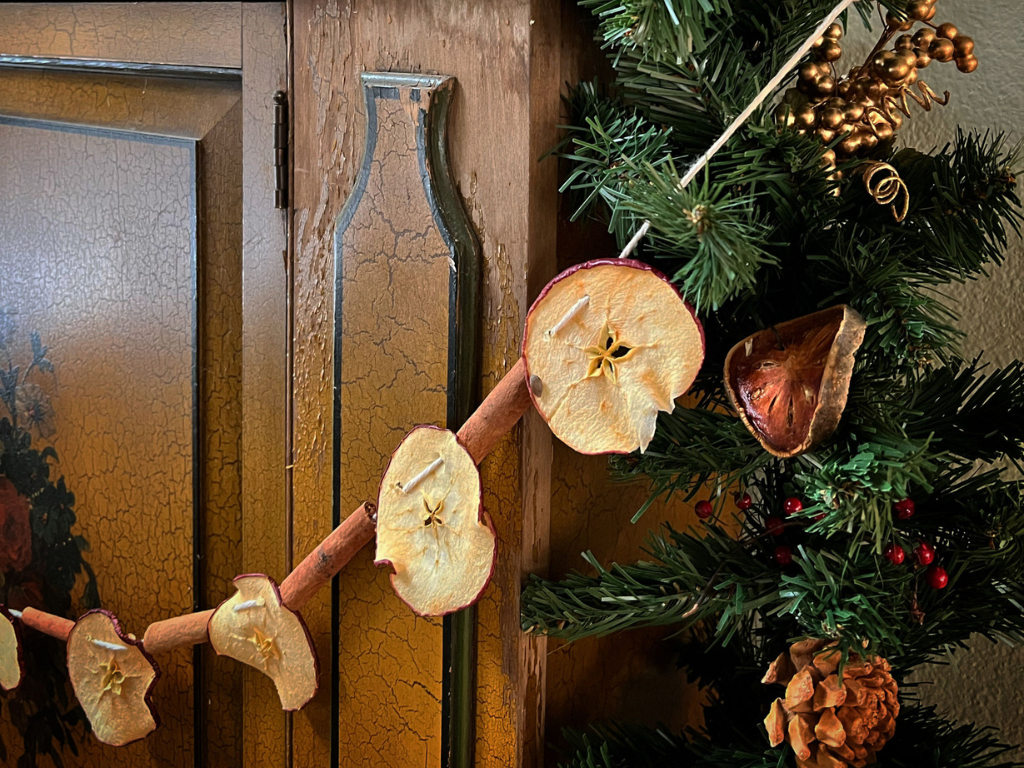
Cinnamon sticks bundled and tied with twine release a gentle scent that enhances the seasonal atmosphere near seating areas. The warm brown color and cylindrical shape add a different texture from round or leafy elements.
Tie three sticks together with natural twine, then attach each bundle to the main rope with an additional loop of twine. Space the bundles so the scent can disperse evenly along the mantel or stair run.
Corn Husk and Raffia Garland
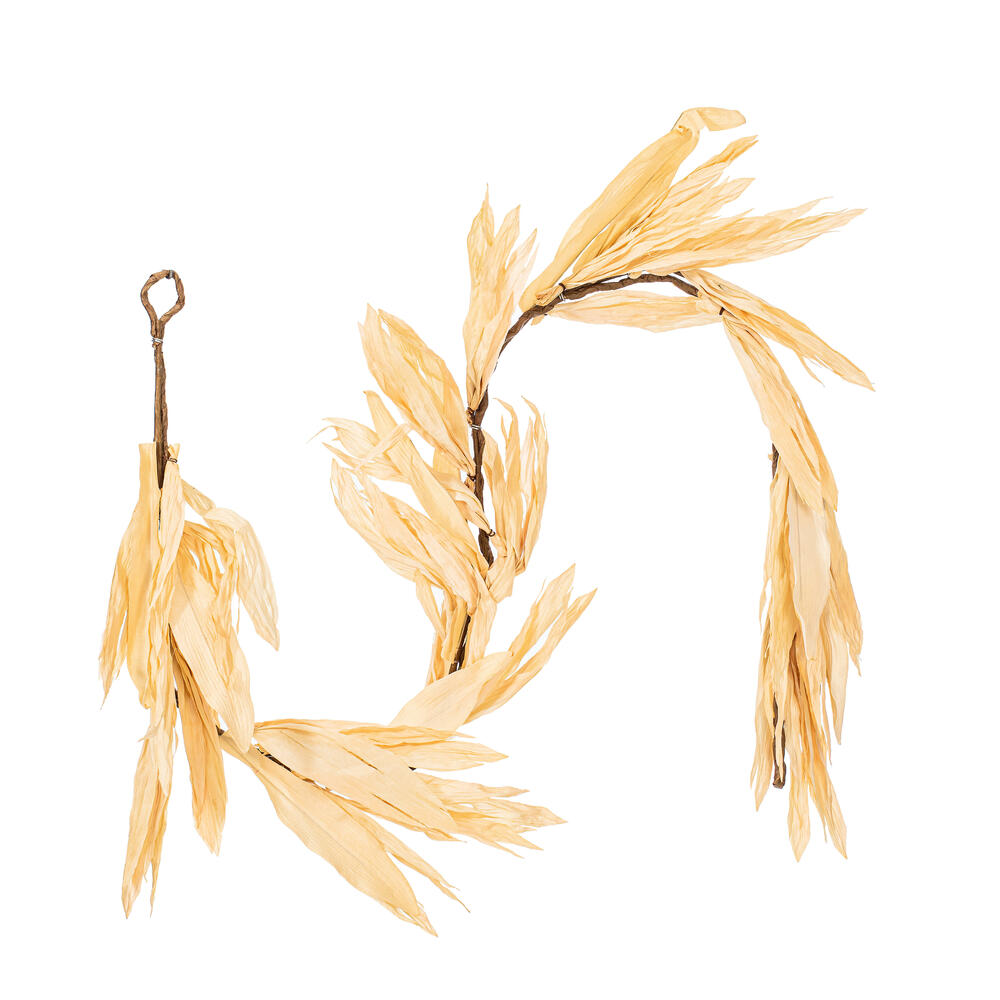
Corn husks folded and tied with raffia produce a lightweight garland with soft, papery movement that shifts gently with passing air. The pale gold color works as a neutral backdrop for brighter accents added later.
Soak husks briefly to make them pliable, then fold and secure them with raffia before attaching to the rope. Trim the ends at varying lengths to create an irregular, natural silhouette.
Maple Leaf and Twig Garland
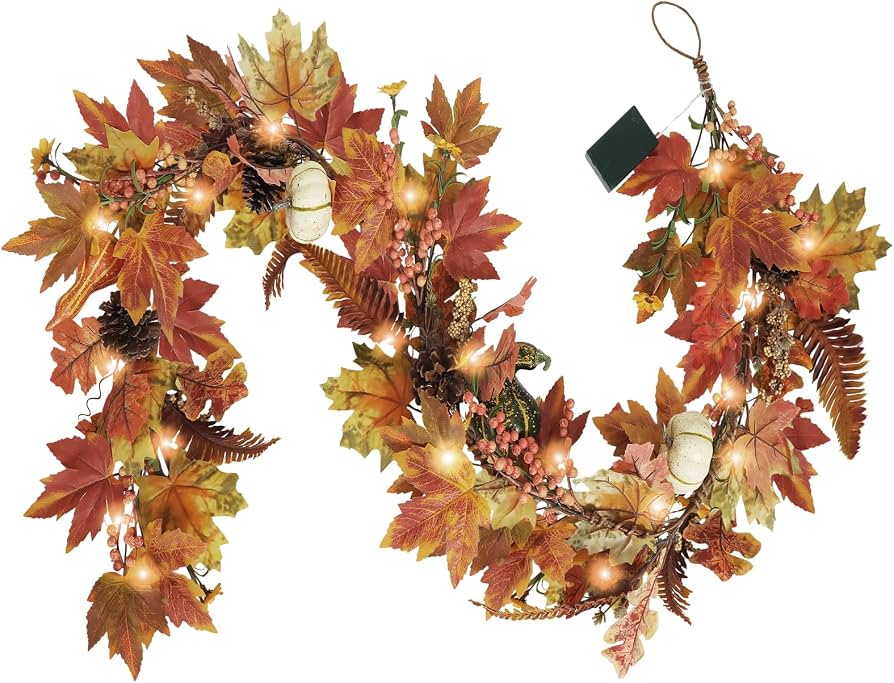
Fresh or preserved maple leaves wired onto thin twigs create a garland with both color and linear structure. The twigs provide the backbone while the leaves supply the seasonal focal points.
Wire individual leaves to the twigs first, then connect the twig sections end to end with additional wire. This method allows the garland to curve naturally along stair railings without kinking.
Felt Leaf Garland
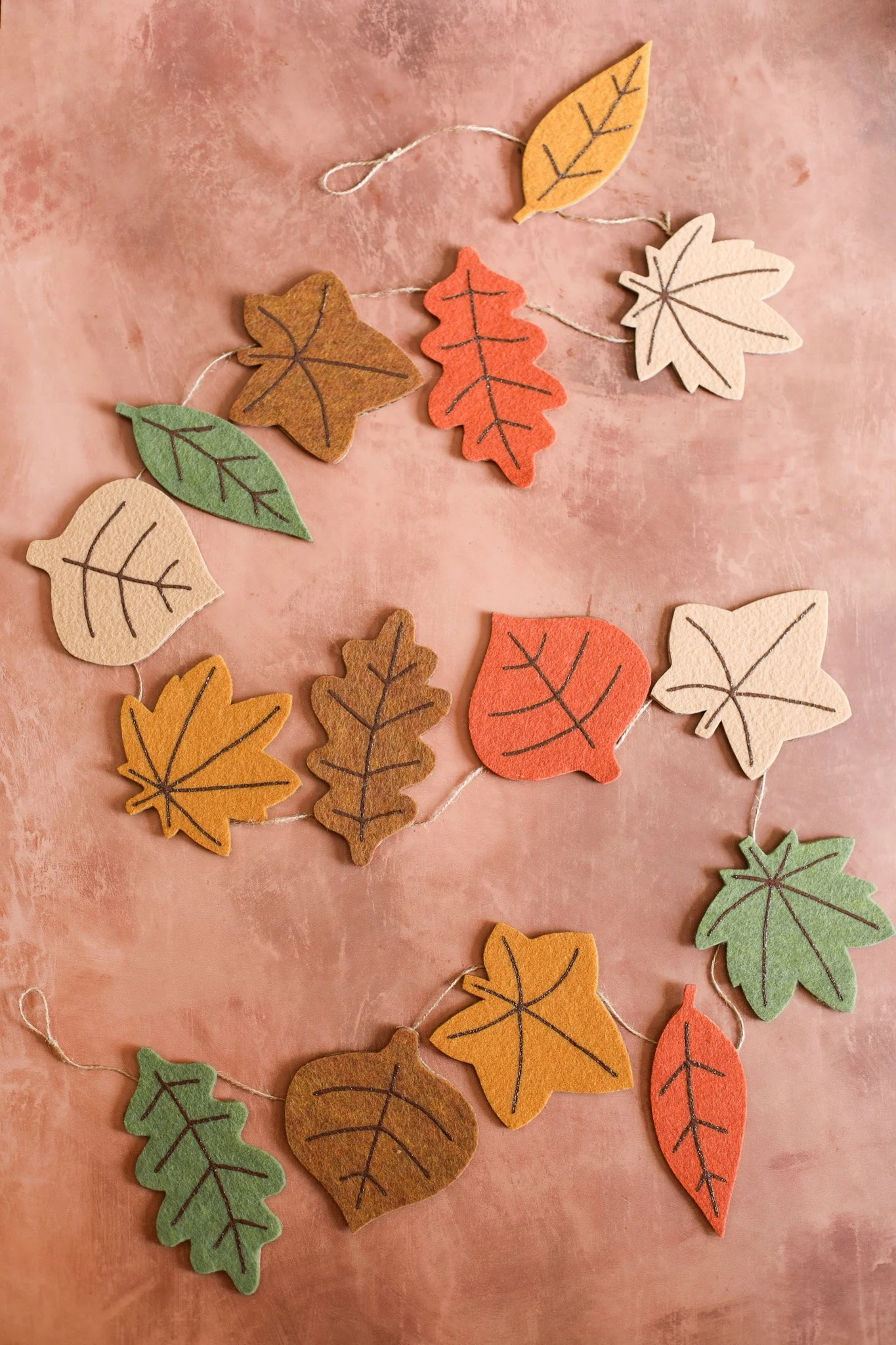
Hand-cut felt leaves in multiple autumn shades offer a no-fade option that can be reused year after year. The matte texture of felt contrasts nicely with shiny mantel surfaces or metal stair hardware.
Cut leaf shapes from wool-blend felt using simple templates, then string them onto embroidery floss with small knots between each leaf. Layer two or three colors in the same section to build depth.
Natural Branch and Floral Garland
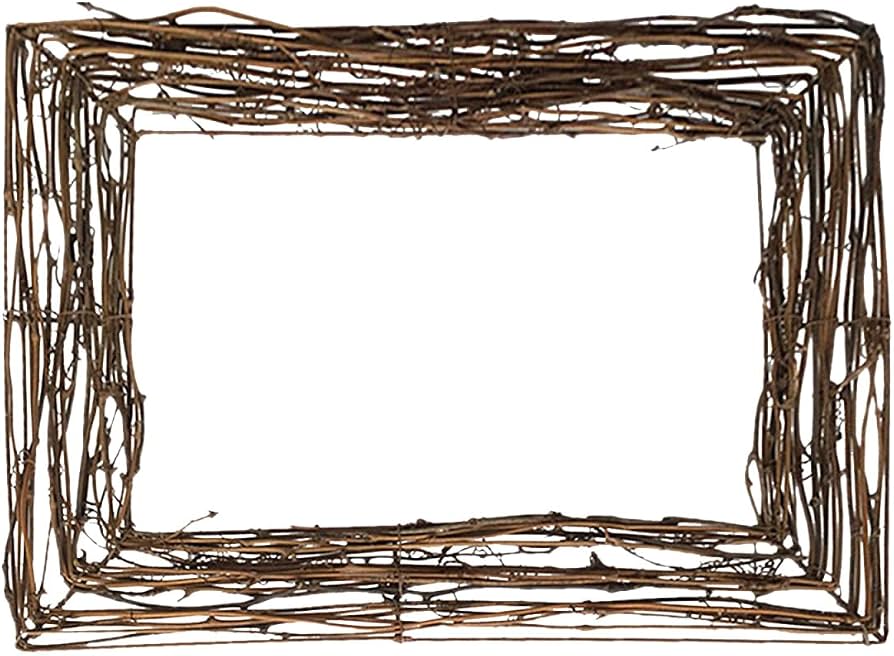
Thin branches wrapped with small clusters of dried flowers create a wilder, garden-inspired garland that suits longer stair runs. The branches give the piece structure while the flowers add color and softness.
Select flexible branches and wire flower clusters at intervals, then connect everything with floral tape for a seamless finish. This approach works particularly well when the garland needs to span the full height of a staircase.
Quick Material Comparison
| Material | Weight | Best For | Durability on Stairs | Scent Potential |
|---|---|---|---|---|
| Mini Pumpkins | Medium | Mantels | Good | None |
| Pressed Leaves | Light | Both | Moderate | None |
| Pinecones | Heavy | Railings | Excellent | Mild |
| Burlap | Light | Mantels | Good | None |
| Wheat Stalks | Light | Both | Moderate | None |
Felt and fabric versions resist fading better than real leaves when displayed near sunny windows.
- ✦Choose jute or sisal rope bases for natural texture that blends with most materials.
- ✦Add small brass bells or wooden beads between elements for subtle sound on stairs.
- ✦Test the full length of any garland on the floor before final hanging to adjust spacing.
FAQ
How long should a fall garland be for a standard mantel? Measure the mantel length and add eight to twelve inches on each end so the garland can drape naturally without looking sparse in the center. This extra length also allows adjustments if the garland shifts during the season.
What type of rope works best for stair railings? Thicker jute or cotton rope provides enough grip to stay in place on curved or angled railings while still being flexible enough to follow the stair line. Avoid thin wire or string that can cut into wood finishes over time.
Can fall garlands be stored and reused? Most garlands made from dried or fabric elements store well in large plastic bins with acid-free tissue between layers. Avoid stacking heavy items on top of delicate leaves or wheat stalks to prevent crushing.
How do you keep garlands from sliding on smooth mantel surfaces? Place small pieces of museum wax or clear shelf liner strips under the rope at regular intervals. These hidden supports hold the garland steady without visible hardware.
Fall garlands reward simple material choices and thoughtful placement that let the textures do the work.
Leave a Reply