
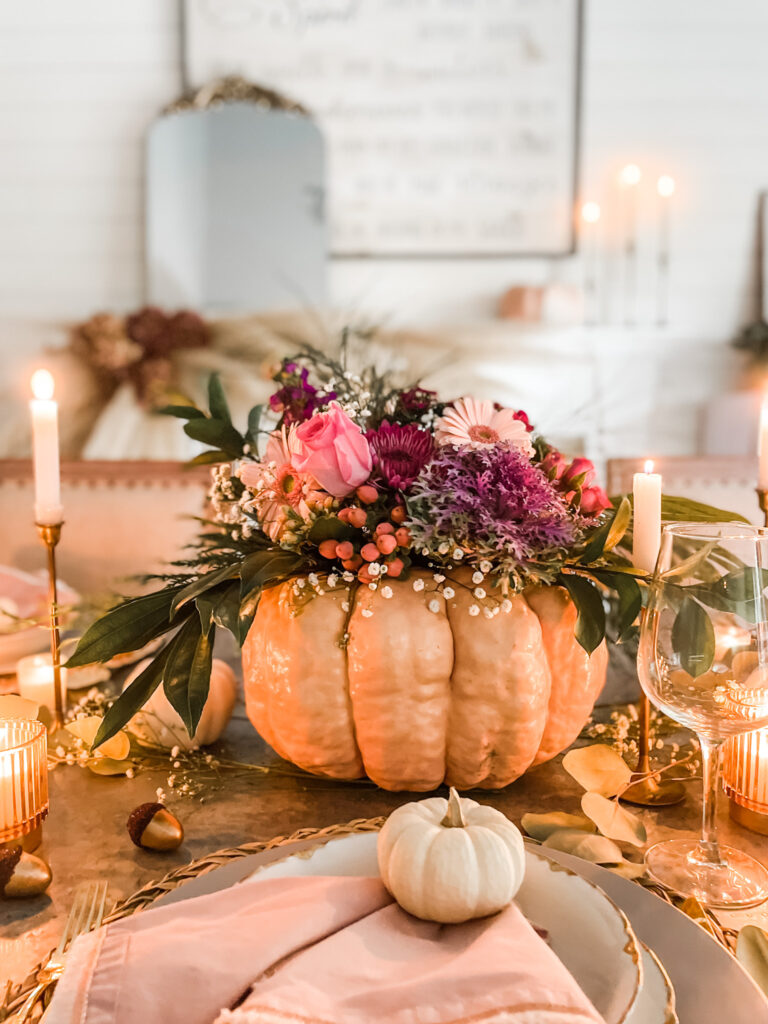
Fall centerpieces bring seasonal warmth to your dining table through simple combinations of natural materials and everyday containers that highlight texture and color. These 12 ideas focus on objects you can source at markets or craft stores, then assemble quickly for repeated use throughout the season.
Pumpkin Votive Holders
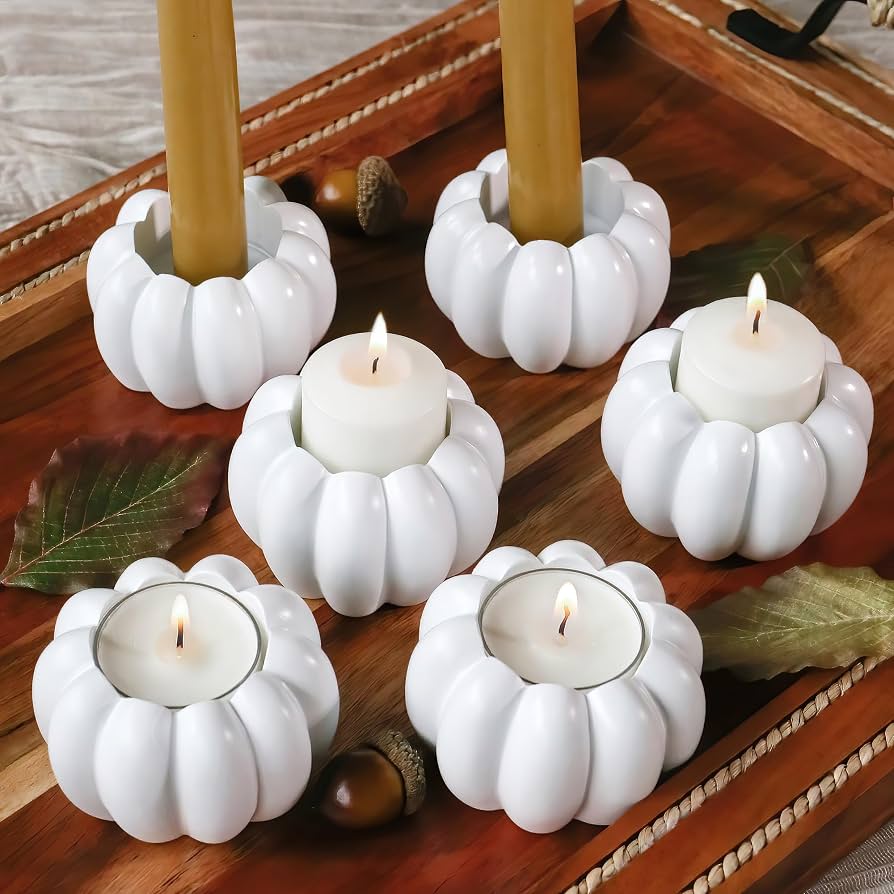
Small pumpkins become stable bases for tea lights when you hollow out just enough space at the top for a glass votive. The orange rind contrasts with the flickering flame and pairs naturally with a linen runner or wooden charger plates. This setup works on both round and rectangular tables because the pumpkins stay low enough for conversation across the surface.
Choose pie pumpkins or similar compact varieties so the finished height stays under six inches. Place three to five holders in a loose line down the center, spacing them unevenly to avoid a rigid look. Swap the tea lights for battery versions if the table stays set for several days at a time.
The real advantage appears when you reuse the same pumpkins as soup bowls later in the month after the candles are gone.
Dried Wheat Bundles in Ceramic Pitchers
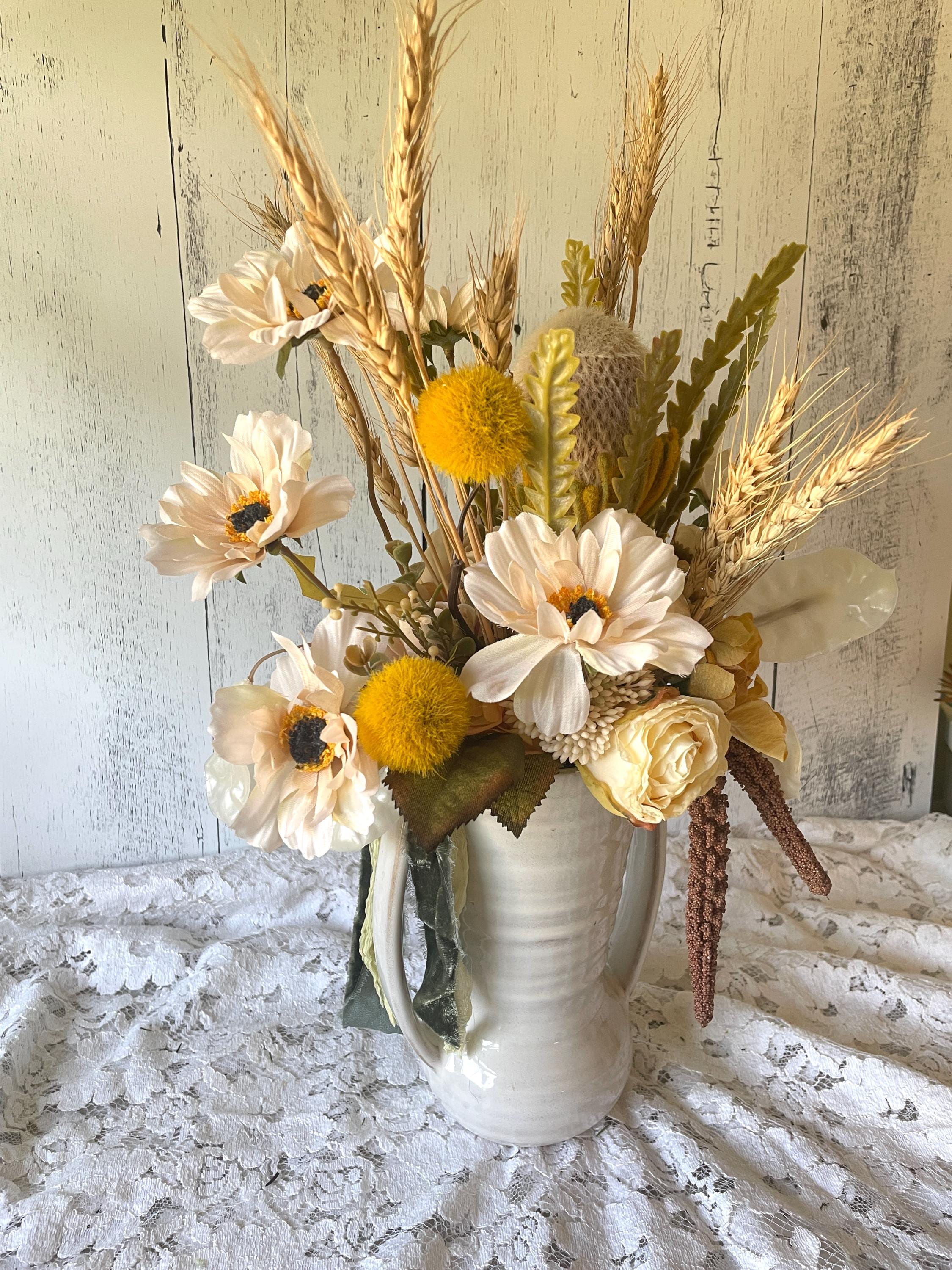
Tall bundles of dried wheat add vertical interest without blocking sightlines when tucked into a single sturdy pitcher. The neutral tones let surrounding dishes or placemats carry bolder colors. One pitcher positioned slightly off-center creates an asymmetrical balance that feels current rather than formal.
Select wheat that has been properly dried so it holds its shape for weeks. Trim stems at different lengths within the bundle to add movement. A matte ceramic pitcher in cream or terracotta keeps the focus on the wheat instead of the container.
Mini Pumpkin Stacks on Wood Rounds
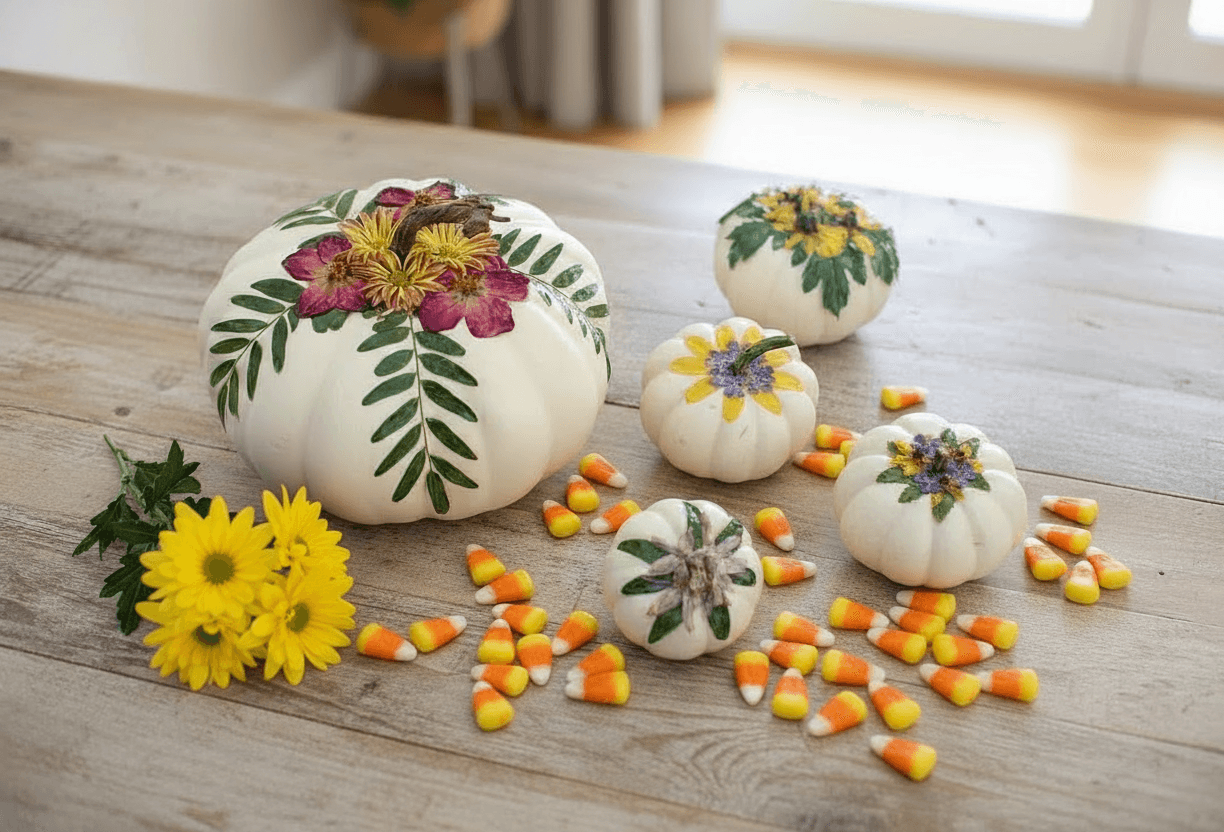
Stacking two or three miniature pumpkins of graduated sizes creates instant height on a flat wood round. The natural wood grain underneath adds warmth and prevents the arrangement from looking too precious. This style suits longer tables where you can repeat the stack every twelve to eighteen inches.
Select pumpkins with sturdy stems so the top one sits securely. A light dusting of cinnamon on the lower pumpkin adds scent that releases when the table is wiped. Keep the wood rounds unfinished so the raw edge reads as rustic rather than polished.
Fall Berry Wreath as Table Runner Base
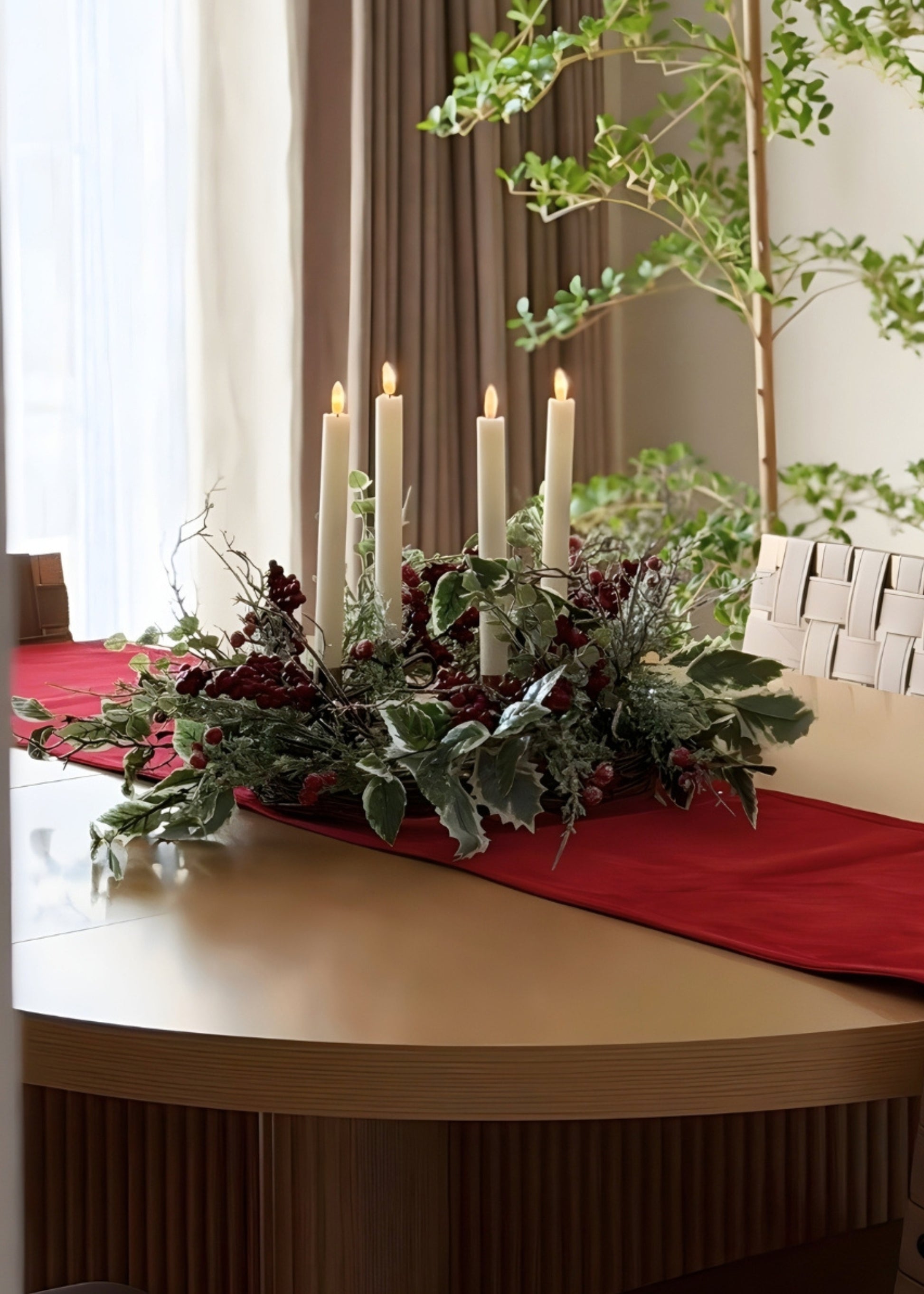
A low, flat wreath made from preserved berries and twigs serves as a living runner when you set pillar candles inside the open center. The circular shape softens a rectangular table while the deep reds and oranges echo outdoor foliage. Because the wreath lies flat, it leaves plenty of room for serving dishes on either side.
Use a foam or grapevine form that holds its shape once the candles are removed. Choose battery pillars if the arrangement will stay in place through multiple meals. Rotate the wreath every few days so one side does not fade faster from sunlight.
Lanterns Surrounded by Fresh Greenery
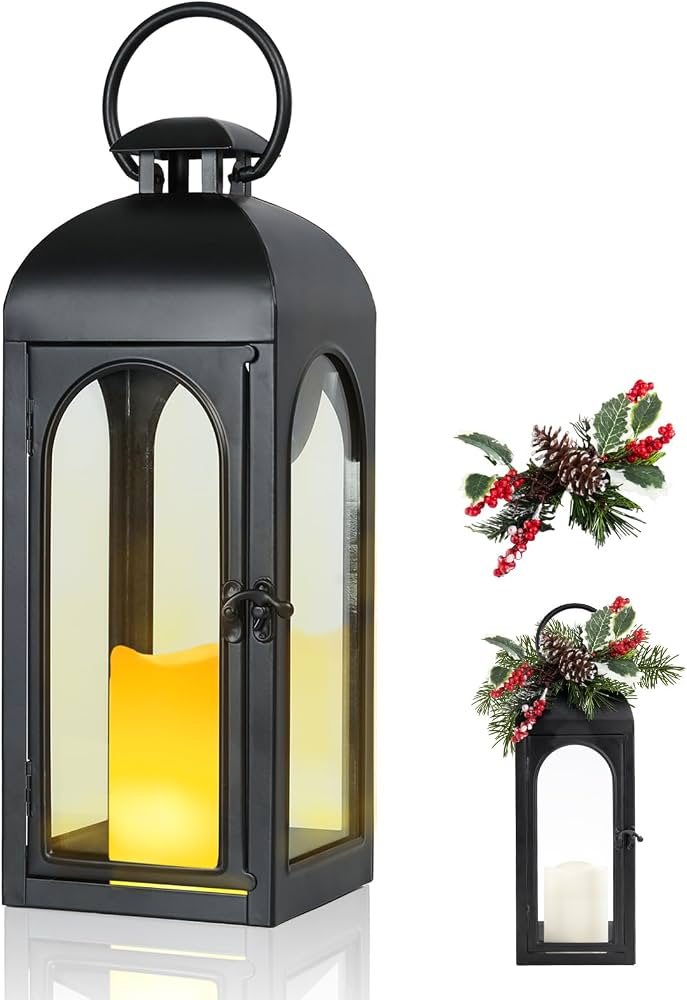
A single metal lantern filled with a pillar candle becomes the anchor when surrounded by a loose ring of eucalyptus or magnolia leaves. The greenery softens the hard lines of the lantern while the glass protects the flame from drafts. This combination works equally well on bare wood or layered tablecloths.
Choose a lantern with a weighted base so it stays upright even when leaves brush against it. Fresh greenery lasts longer if you mist the leaves lightly every other day. Remove any berries from the greenery if children will reach across the table.
Wood Tray Filled with Mixed Gourds
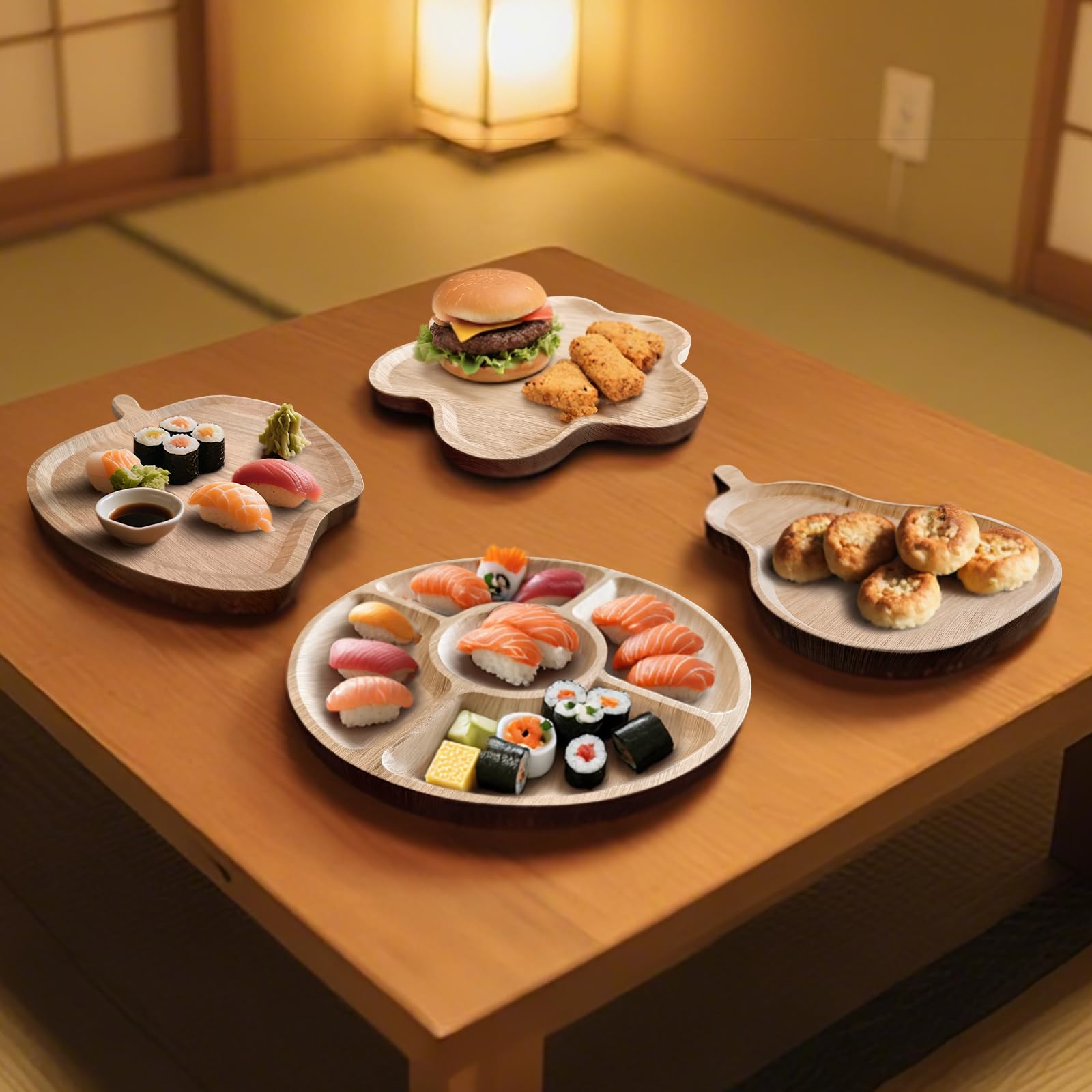
A shallow wooden tray corrals an assortment of gourds in different shapes and colors so they read as one intentional grouping rather than scattered produce. The tray also protects the table surface from any moisture the gourds release. This option scales easily: use a longer tray for bigger tables or two smaller trays for round ones.
Mix smooth and bumpy textures within the same color family for visual interest. Leave a few inches of empty space inside the tray so the gourds are not crowded. Replace any gourd that softens before the others to keep the whole display fresh.
Mason Jar Candle Holders with Twine
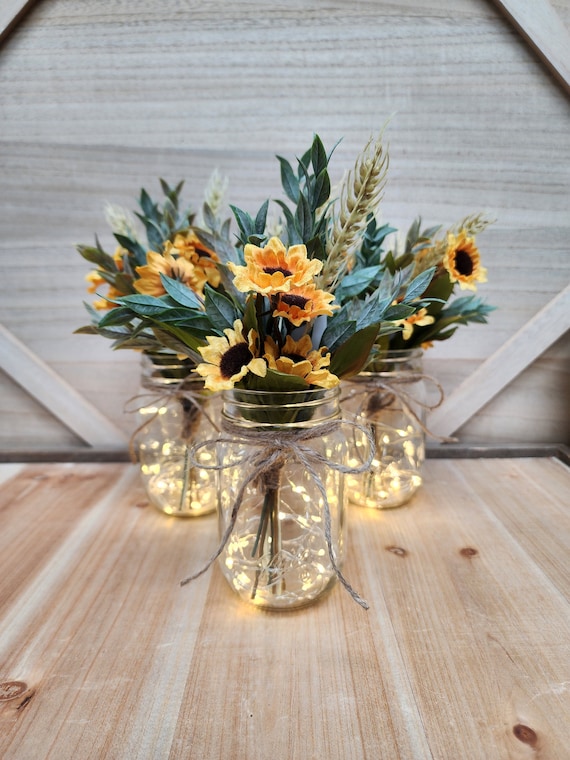
Wide-mouth mason jars wrapped in twine at the rim hold pillar candles while small clusters of dried leaves tucked around the base add color. The jars keep wax contained and can be moved as a unit when you need the full table surface. Three jars in a row give enough light for an evening meal without additional lamps.
Use natural jute twine rather than dyed versions so the texture stays visible. Choose jars of the same height for a uniform line or vary them slightly for a collected look. The twine also hides any labels or seams on the glass.
Pinecone Filled Glass Bowls
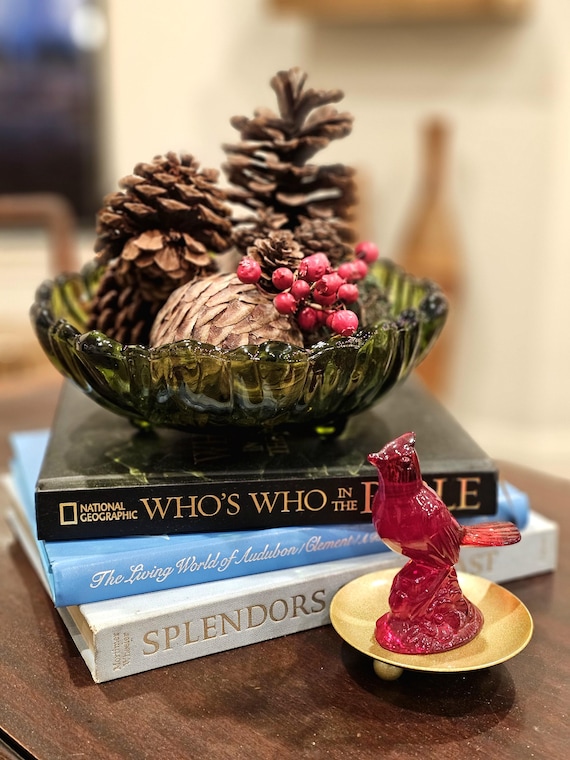
Clear glass bowls become sculptural when filled with a mix of large and small pinecones in natural brown tones. The transparency of the glass lets the table surface show through, keeping the arrangement light. This works especially well on dark wood tables where the contrast makes the pinecones stand out.
Select pinecones that have opened fully so they fill space without settling later. Add a few small acorns or beech nuts for extra texture if the bowl feels too uniform. Dust the pinecones lightly with clear sealer if you want them to last beyond one season.
Scattered Leaves Around Low Vases

Real or preserved leaves scattered directly on the table create a soft base layer when you nestle two or three low vases of flowers or branches among them. The leaves act as both color and texture without adding height that blocks views. This approach feels generous yet requires almost no construction.
Press leaves between books for a day or two if you want them flatter and less likely to curl. Choose vases in the same material but different widths so the grouping looks intentional. Sweep the leaves into a pile at the end of the meal for easy cleanup.
Apple and Cinnamon Stick Bundles
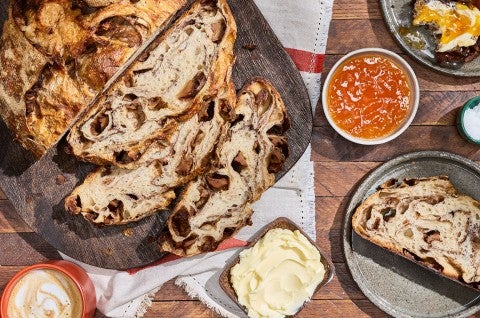
Whole apples stacked or lined up with cinnamon sticks tied alongside create a scent-forward arrangement that costs very little. The red of the apples picks up warm tones in nearby textiles. Because everything is edible, you can disassemble the display for cooking once the season ends.
Select firm apples without bruises so they hold their shape on the table. Tie the cinnamon sticks with thin raffia rather than wire to avoid scratching the fruit. Keep the bundle out of direct sun to slow the apples from ripening too quickly.
Corn Husk Wrapped Bottles
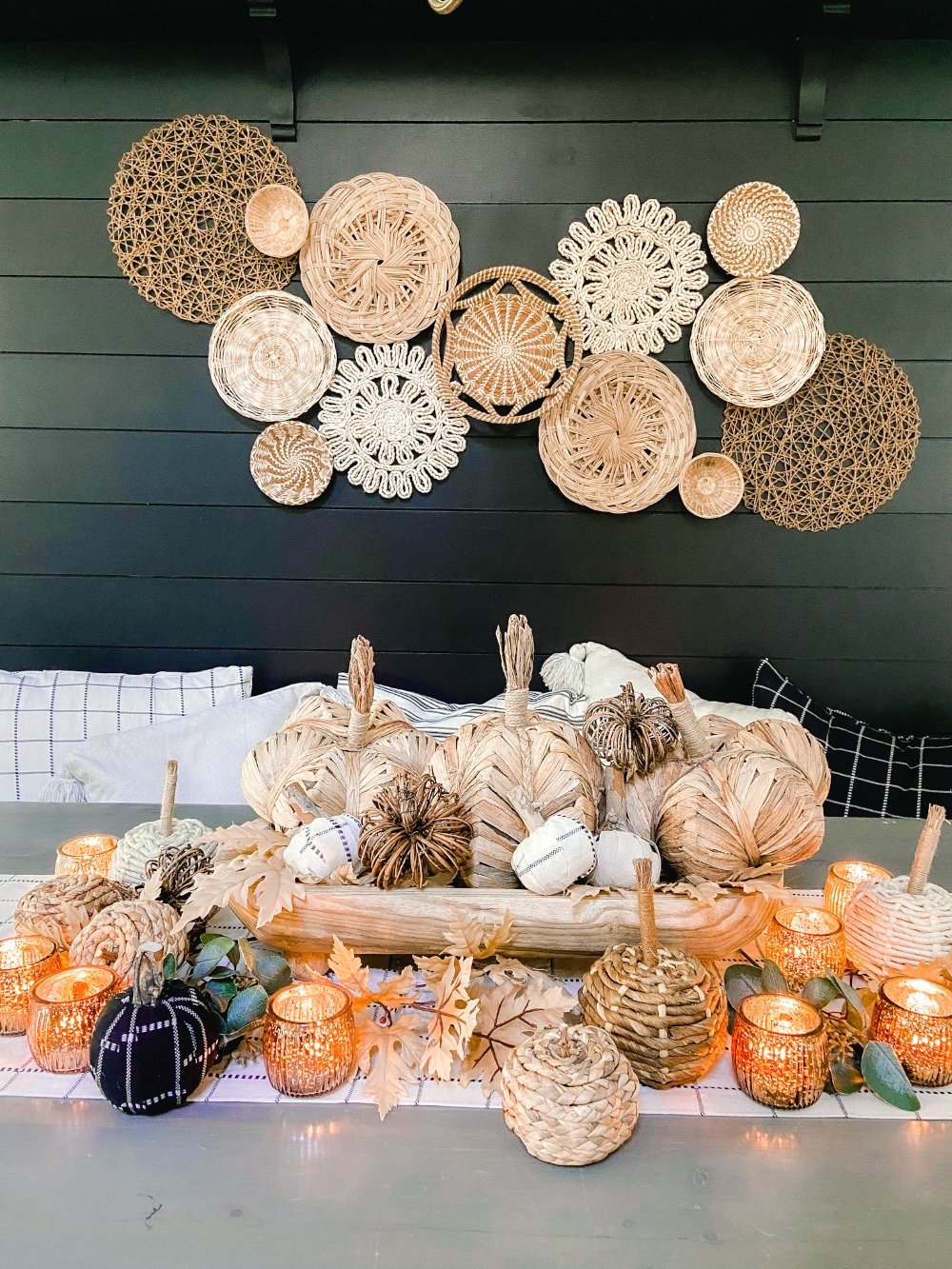
Empty glass bottles wrapped in dried corn husks become rustic vases when you secure the husks with a simple knot of twine. The neutral husks complement almost any flower or branch you place inside. This idea reuses bottles you already have on hand.
Soak the husks briefly in water so they bend without cracking around the bottle. Trim the top edge of the husks unevenly for a more natural finish. The wrapped bottles can stand alone or be grouped with other low elements on the table.
Metallic Painted Mini Pumpkins
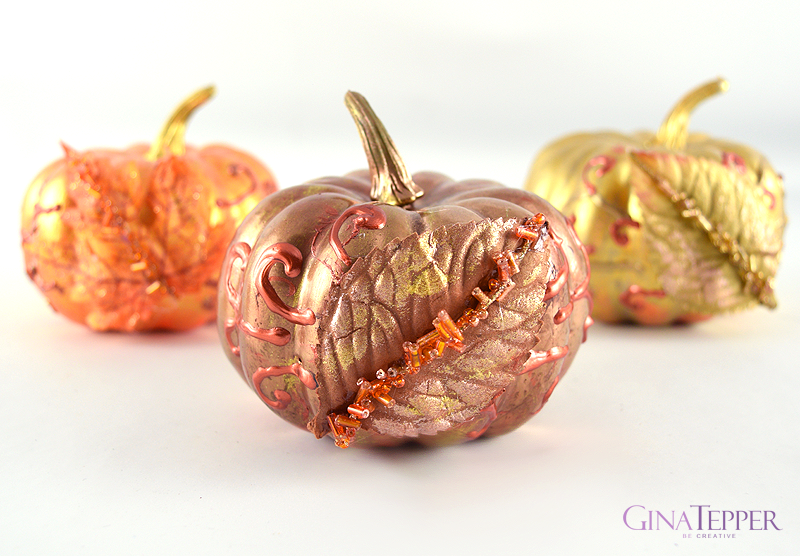
A light coat of metallic paint on a few miniature pumpkins adds subtle shine that catches candlelight without overpowering the rest of the table. The effect stays modern when you limit the paint to just the stems or one side of each pumpkin. This treatment works on both real and faux pumpkins.
Apply paint sparingly so the original texture still shows through. Pair the painted pieces with matte elements like wood or linen so the shine does not dominate. Store the painted pumpkins in a cool, dry place if you plan to reuse them next year.
FAQ
How long do fresh fall centerpieces typically last on a dining table?
Fresh arrangements using apples, gourds, or greenery usually stay attractive for five to seven days when kept out of direct sunlight and misted occasionally. Check daily for any softening produce and rotate items so one side does not fade faster. Battery candles extend the display life beyond the point where real candles would burn down.
What container works best for a tall fall centerpiece without blocking conversation?
A single tall pitcher or narrow vase placed slightly off-center keeps sightlines open while still showing height. Choose matte finishes in neutral tones so the container recedes and the plant material stays the focus. Test the height by sitting at the table before final placement.
Can I combine multiple centerpiece ideas on one table?
Yes, but limit yourself to two styles maximum so the surface does not feel cluttered. Pair a low tray arrangement with one taller element such as a lantern or wheat bundle at opposite ends. Leave at least twelve inches of clear space between groupings for serving dishes.
How do I keep pinecones or dried elements from shedding on the table?
A light coat of clear craft sealer applied outdoors prevents most shedding while preserving the natural look. Shake items gently over a trash bag after sealing and before placing them on the table. Reapply sealer at the start of each season if you store the pieces.
One finished centerpiece instantly shifts the mood of every meal you serve this season.
Leave a Reply