
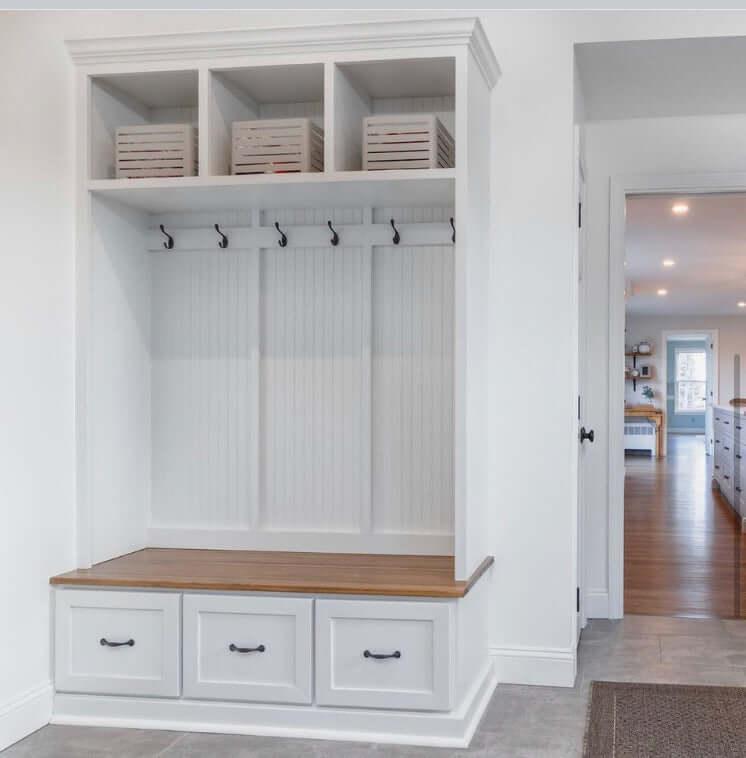
Your entryway sets the tone for the whole house, especially when life’s rushing by with school runs, work bags, and endless shoes piling up. These 12 practical organization ideas turn that chaos into a streamlined spot where everyone grabs what they need and heads out the door—without the daily scramble. They lean on everyday materials like wood, metal baskets, and simple hooks to keep things functional for families on the move.
Wall-Mounted Shoe Rack
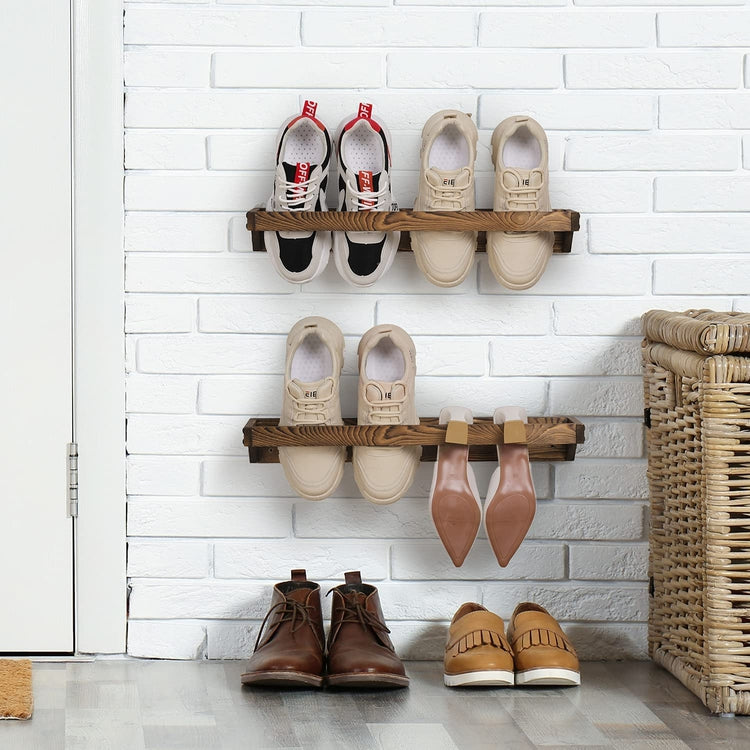
Shoes scatter fast in a busy home, but a sturdy wall-mounted rack keeps them off the floor and easy to spot. Opt for one with cubbies sized for kids’ sneakers and adult boots—think multi-level designs in powder-coated metal or reclaimed wood that hold up to daily wear.
Quick Material Picks:
Position it at knee height so little ones reach their pairs without stretching, and add a no-slip mat underneath to catch any tracked-in grit. Families notice fewer lost shoes when pairs stay visible and contained.
Over-the-Door Hooks for Bags
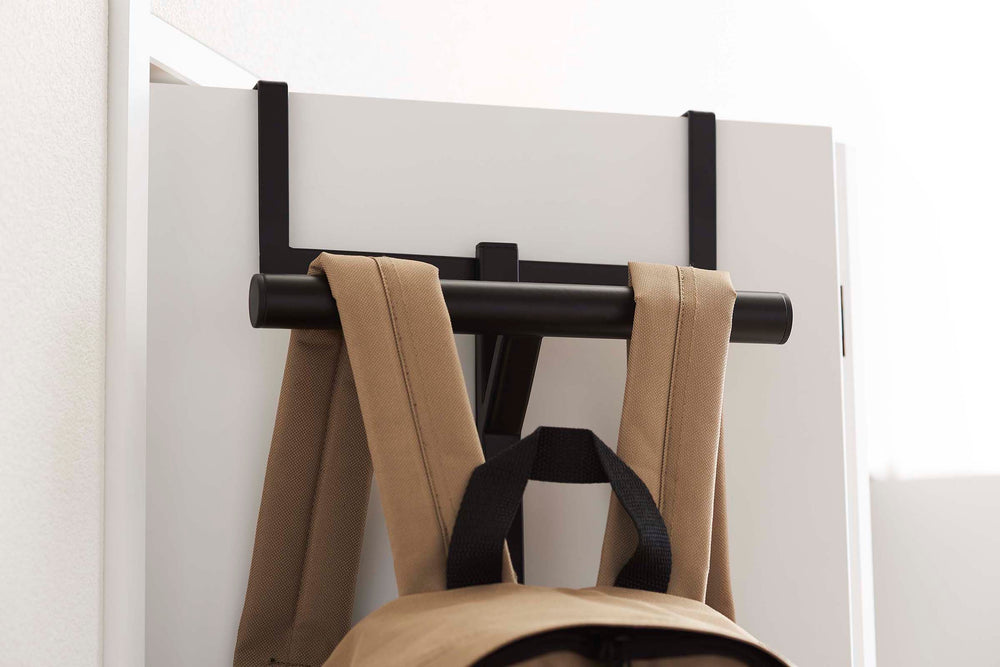
Bags dump in heaps by the door, but over-the-door hooks reclaim that space without drilling. Heavy-duty versions with multiple prongs handle backpacks, lunch totes, and purses—heavier ones in steel support 20 pounds per hook.
Common Pitfalls to Skip:
- Lightweight plastic: Bends under weight.
- Single-hook styles: Limits family use.
Chrome or matte black finishes blend with most doors, and padded backs prevent scratches. Your mornings smooth out when everyone’s bag has its spot right at eye level.
Bench with Hidden Storage
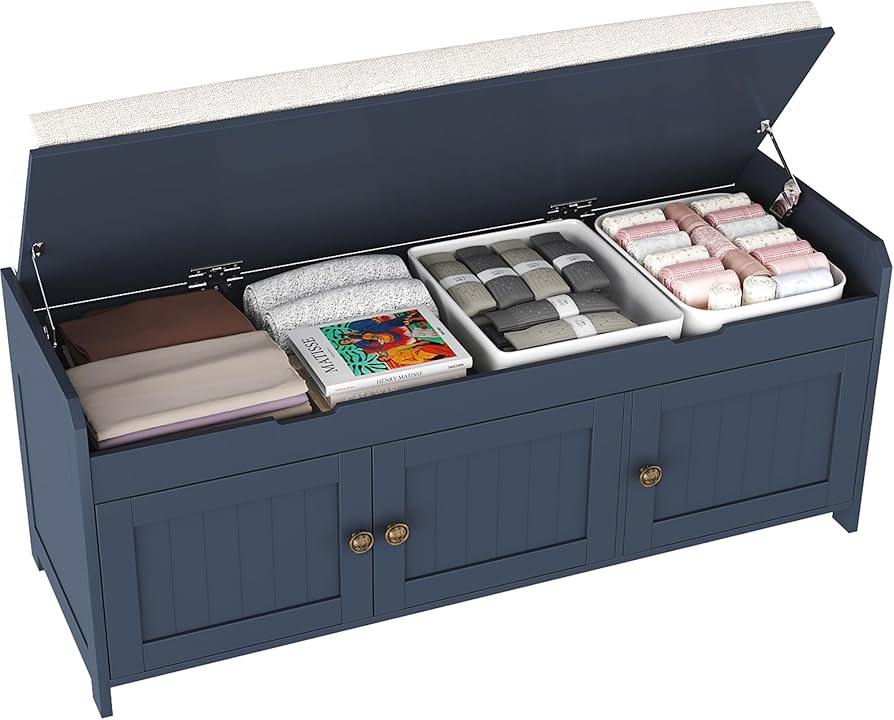
A bench doubles as a drop zone and seating, with a lift-top lid hiding shoes or winter gear inside. Padded seats in durable fabrics like vinyl withstand muddy clothes, while the under-storage keeps clutter invisible.
Seating + Storage Combo Benefits:
- Daily Use: Sit to tie shoes—no more floor squats.
- Capacity: Fits 4–6 pairs plus gloves.
- Style Tip: Pair with woven baskets for overflow.
Choose one around 40 inches wide to fit family traffic, and wheels make it movable for cleaning. This setup cuts down on “Where’s my other glove?” moments.
Floating Shelves for Keys and Mail
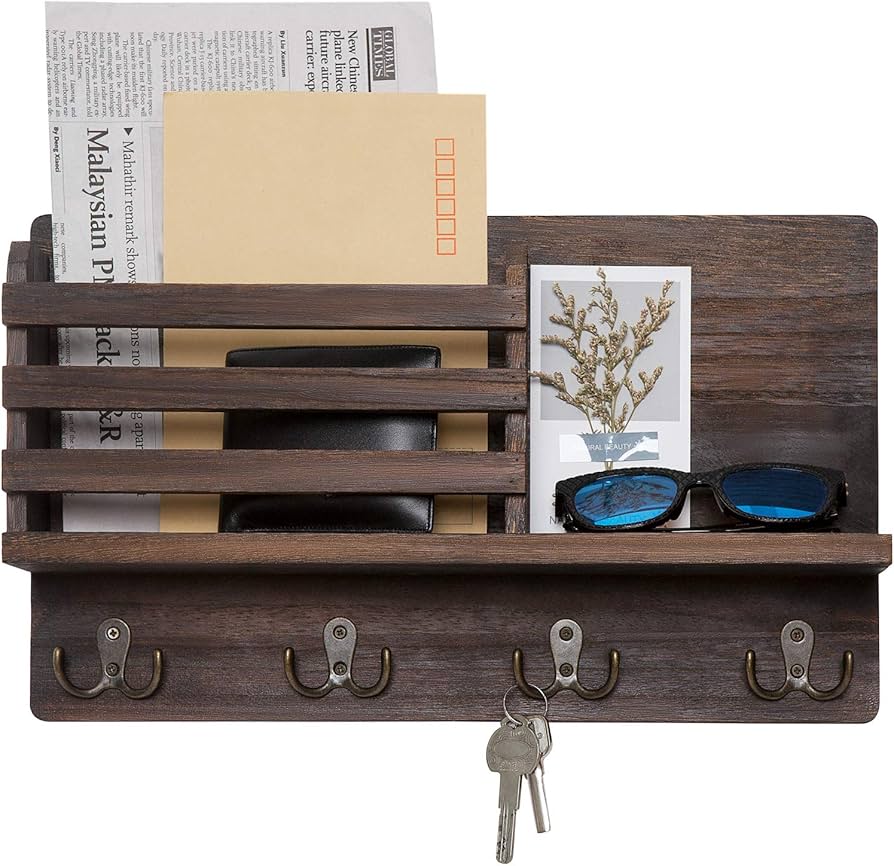
Floating shelves turn blank walls into catchalls for keys, sunglasses, and mail sorters without eating floor space. Mount three staggered ones—upper for decor trays, middle for hooks, lower for slim bins.
Shelf Styling Ideas:
- Add leather key fobs for grip.
- Use acrylic trays to corral loose change.
- Mistake Note: Overload them—limit to 10 pounds each.
Walnut or oak adds warmth, and LED strips underneath highlight items at night. Your family stays punctual when essentials stay in one glanceable spot.
Woven Baskets on Open Shelving
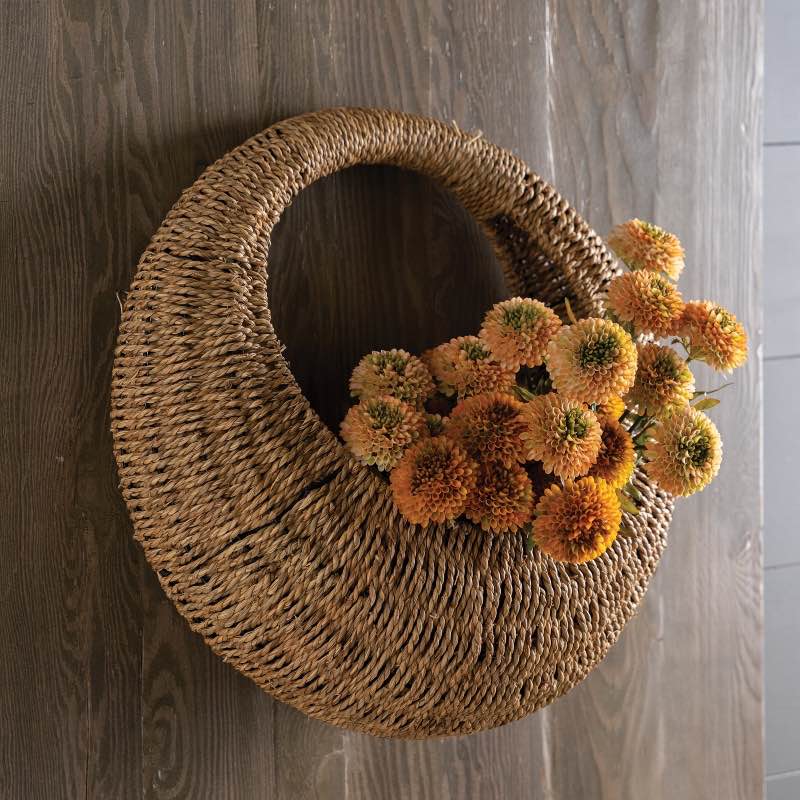
Open shelving stocked with woven baskets sorts hats, scarves, and sports gear neatly. Seagrass or rattan holds shape through seasons, with labels on fronts for quick ID—like “Kids’ Hats” or “Dad’s Work Gloves.”
Basket Size Guide:
Hang shelves 18 inches apart for easy access. This keeps your entryway airy while taming the tumble of family belongings.
Magnetic Board for Schedules

A large magnetic board centralizes schedules, reminders, and chore charts—magnets grab grocery lists on the fly. Porcelain steel sheets resist scratches, sized 24×36 inches for family calendars.
Make It Family-Proof:
- Color-code magnets by person.
- Add dry-erase sections for daily notes.
- Budget Pick: $20 framed version.
Mount at adult height but with a step stool nearby for kids. No more forgotten soccer practices when it’s front-and-center.
Slim Console Table with Drawers
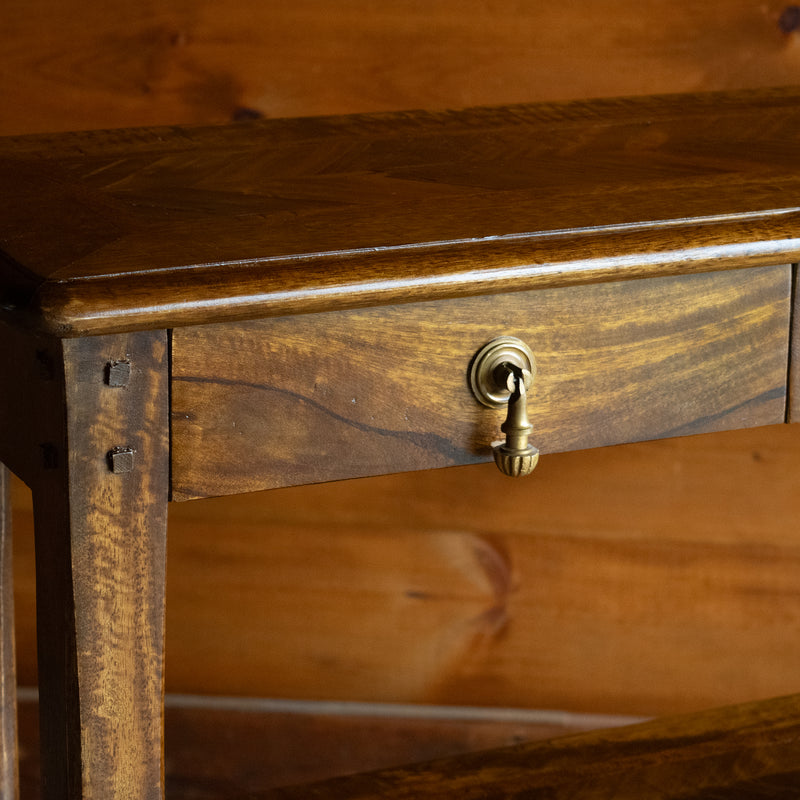
Slim consoles fit tight spaces, with drawers for wallets, leashes, and small toys. Three-drawer versions in engineered wood offer soft-close glides to quiet slammed drawers.
Dimension Check for Small Entryways:
- Width: Under 12 inches.
- Height: 30–32 inches for lamp pairing.
- Tip: Top with a tray for remotes.
Antique brass pulls elevate the look, turning function into subtle style. Your space feels pulled together without crowding the path.
Peg Rail for Coats and Scarves
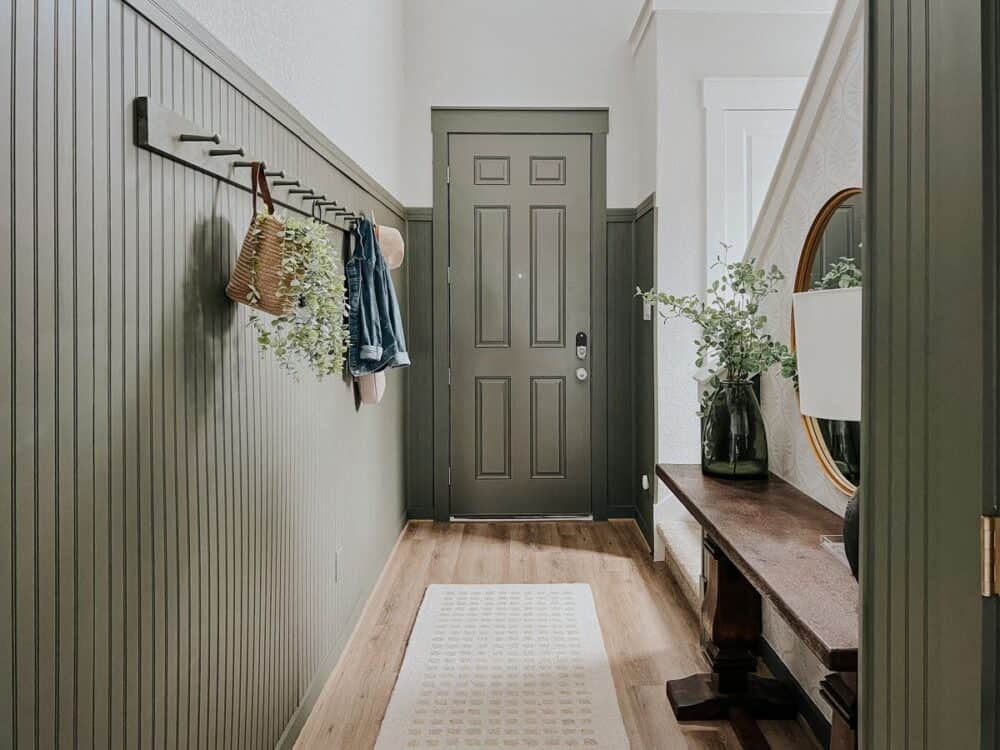
A long peg rail lines the wall for coats, hats, and reusable bags—spaced pegs prevent overload. Reclaimed wood or painted pine spans 4–6 feet, each peg rated for 10 pounds.
Peg Spacing Tips:
- 8–10 inches apart for bulky coats.
- Mix wood and metal for texture.
- Avoid: Crowded ends—stagger heights.
It encourages the “hang it up” habit in kids, freeing your coat closet for overflow.
Tiered Fruit Crate Organizer
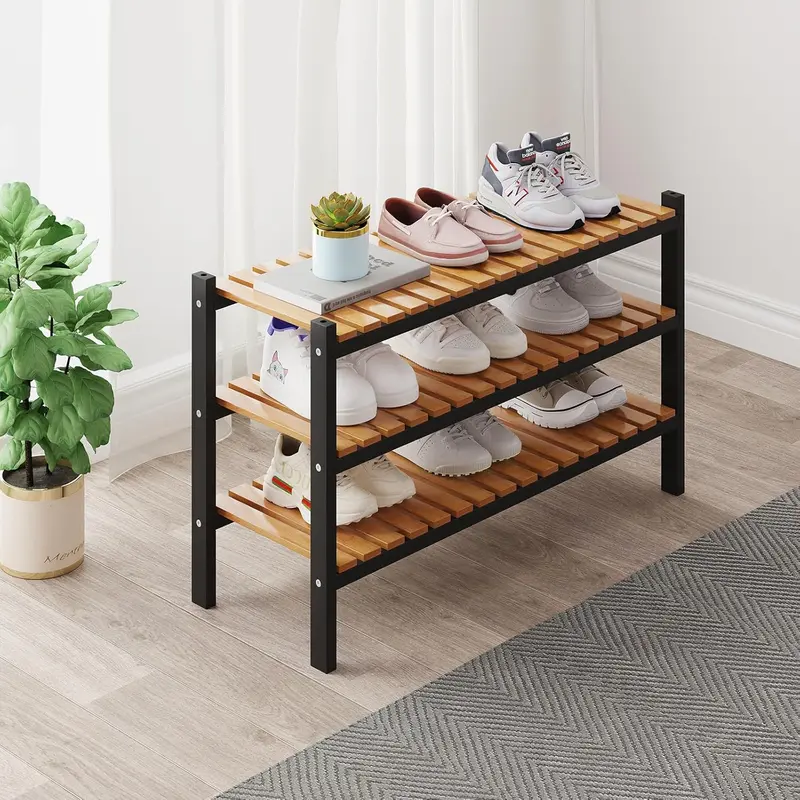
Tiered wooden crates stack into a custom organizer for shoes and bins—vintage produce crates stain beautifully for a lived-in feel. Three levels sort by size, with liners for easy wipe-down.
Upcycle Sourcing:
- Flea markets: $5–$15 each.
- Add casters for mobility.
- Note: Seal with polyurethane for moisture resistance.
This budget-friendly setup adapts to growing families, keeping floors clear effortlessly.
Umbrella Stand with Drip Tray
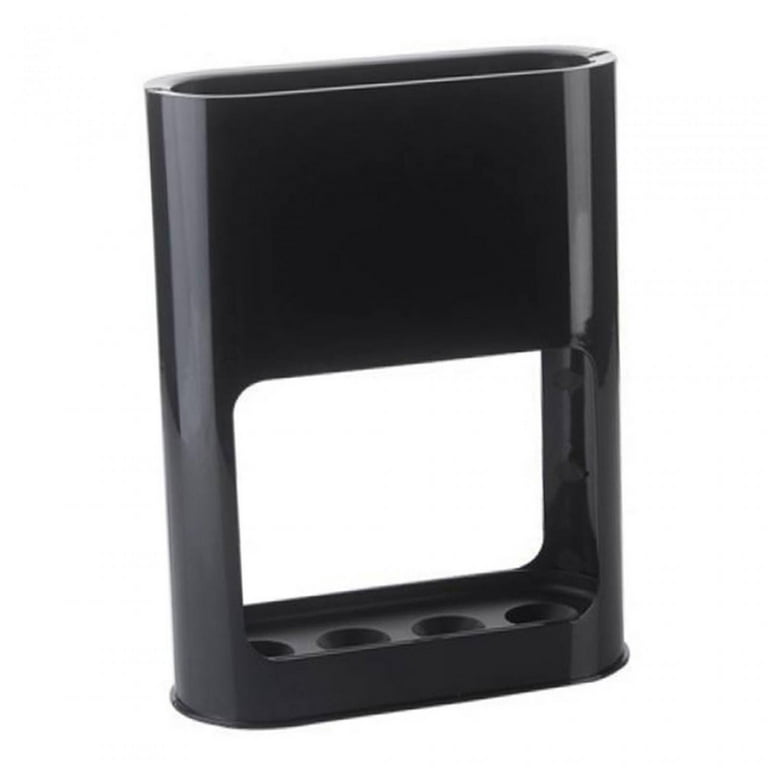
A weighted stand with built-in drip tray contains wet umbrellas and canes, preventing puddles. Tall galvanized versions hold 8–10 umbrellas, with sand-filled bases for stability.
Weather-Ready Features:
- Rust-proof coating.
- Pair with rubber mats.
- Budget: $25 tall models.
Position near the door for grab-and-go, so rain gear dries without mess.
Vertical File Organizer for Papers
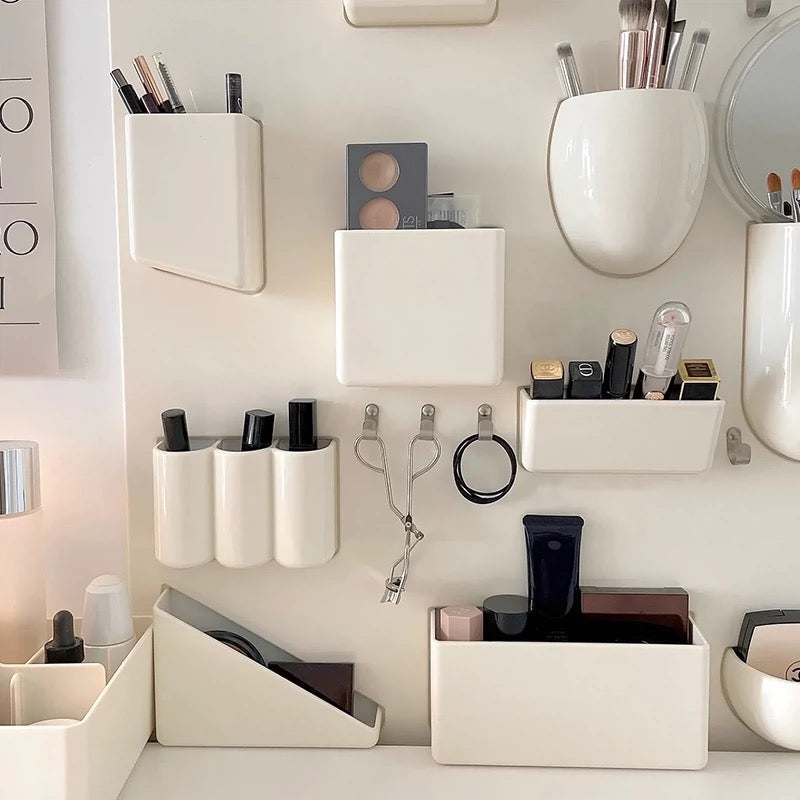
Vertical pockets mount to hold permission slips, bills, and flyers—acrylic or wire mesh keeps papers visible. Five-pocket units cascade down, labeled for “To Sign” or “Recycle.”
Paper Flow Mini Checklist:
- Sort daily.
- Clear pockets weekly.
- Opt for see-through fronts.
It streamlines school and mail chaos, keeping your entryway paper-free.
Back-of-Door Pocket Organizer
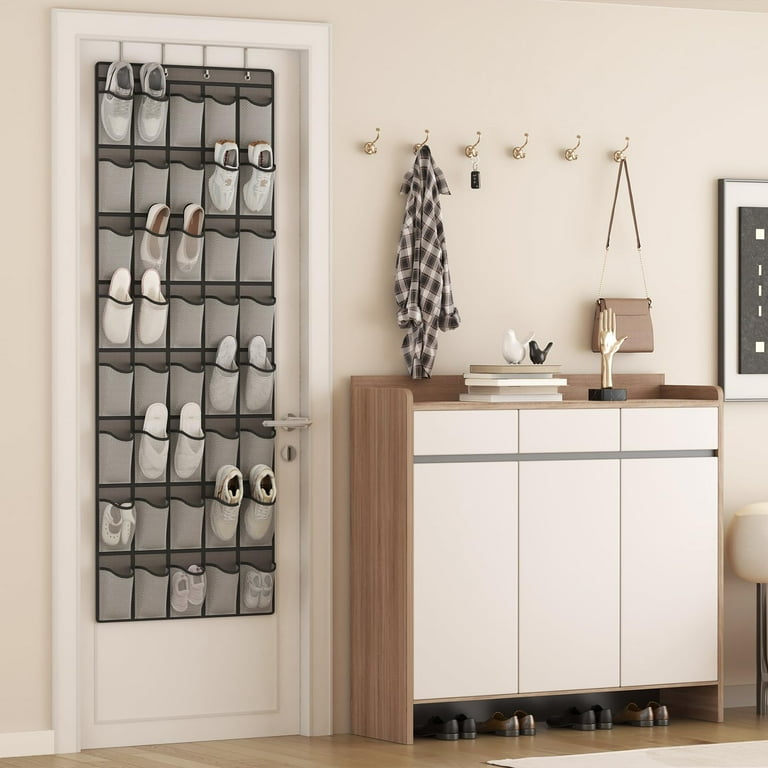
Clear vinyl pockets on the back of a closet door stash sunglasses, hats, and small toys—mesh versions breathe for damp items. Extra-deep pockets fit water bottles too.
Pocket Customization:
No wall damage, maximum use of unused space—ideal for apartments.
FAQ
How do I choose entryway organization that lasts with kids?
Focus on durable materials like metal and sealed wood, with rounded edges and easy-clean surfaces. Test weight limits for family gear.
What’s the best budget for these ideas?
Most run $20–$50 each; upcycle crates or hooks to stay under $200 total for a full refresh.
Can these work in a tiny entryway?
Yes—prioritize vertical space with over-door, wall-mounted, and slim pieces to keep walkways open.
How often should I declutter the entryway?
Weekly family sort-throughs prevent buildup; assign “owner” bins for accountability.
Your entryway can handle the family whirlwind and still look sharp—pick a few of these to start, and watch the daily rush feel a lot less frantic. You’ve got the tools to make it happen.
Leave a Reply