
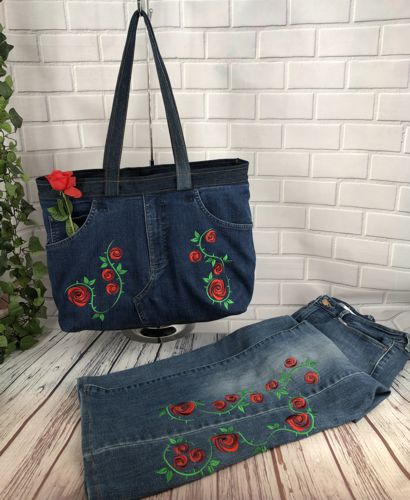
Upcycling old jeans turns sturdy denim into practical items you can use every day around your home. The thick fabric holds up well for bags, covers, and organizers, and the faded colors add natural texture that blends with most styles. You can work with what you already have in your closet and create pieces that feel personal without buying new materials.
Denim Tote Bags
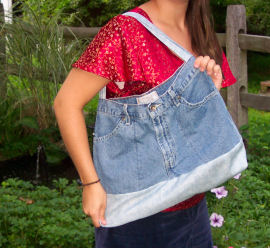
These bags handle heavy loads like groceries or library books because the original seams and rivets stay strong. Pair them with leather handles or simple cotton straps for a cleaner look that matches your everyday outfits.
Styling note: Keep the original back pockets on the outside so you can slip in your phone or keys without digging through the main compartment.
Patchwork Denim Quilts
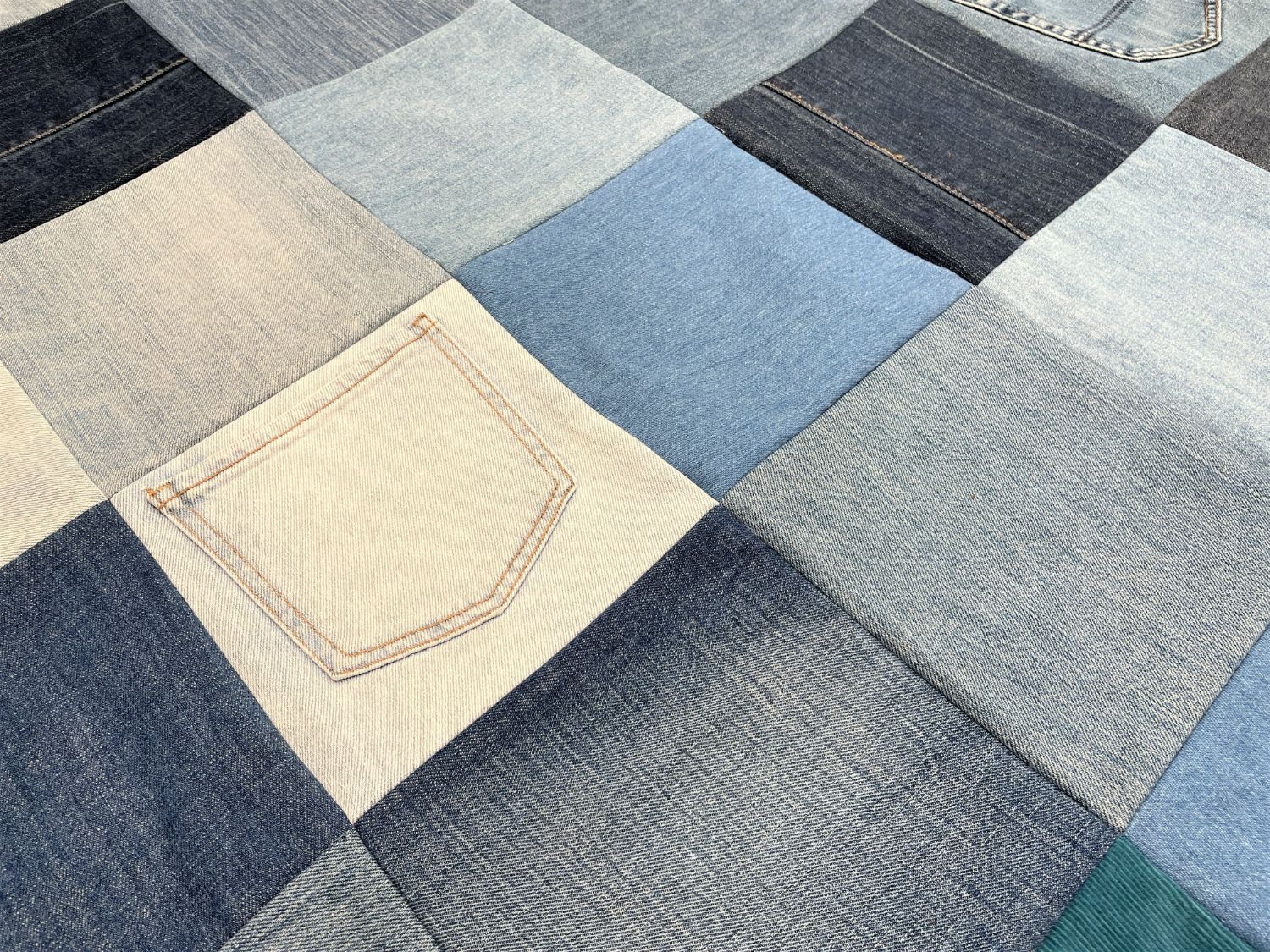
Squares cut from different pairs of jeans create a thick, weighted layer that works as a bedspread or picnic blanket. The varying shades of blue give the finished piece a casual, lived-in feel that suits most bedrooms.
Budget tip: Use old sheets or flannel for the backing to reduce the amount of denim you need to collect.
Woven Denim Rugs
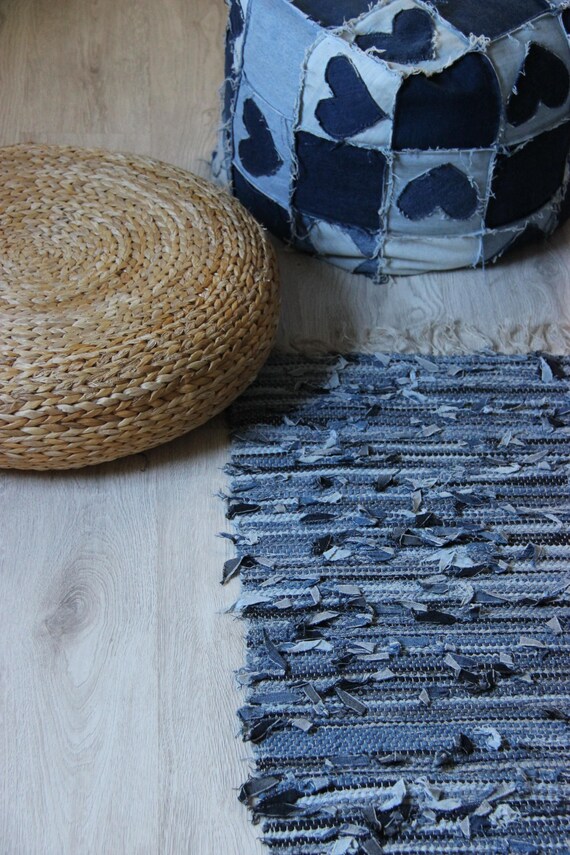
Strips woven on a simple frame or even a piece of cardboard produce a durable floor mat for entryways or bathrooms. The tight weave resists wear from shoes and adds a soft layer under bare feet.
Comparison: A woven rug feels softer underfoot than a solid denim piece while still using up smaller scraps you might otherwise discard.
Denim Pillow Covers
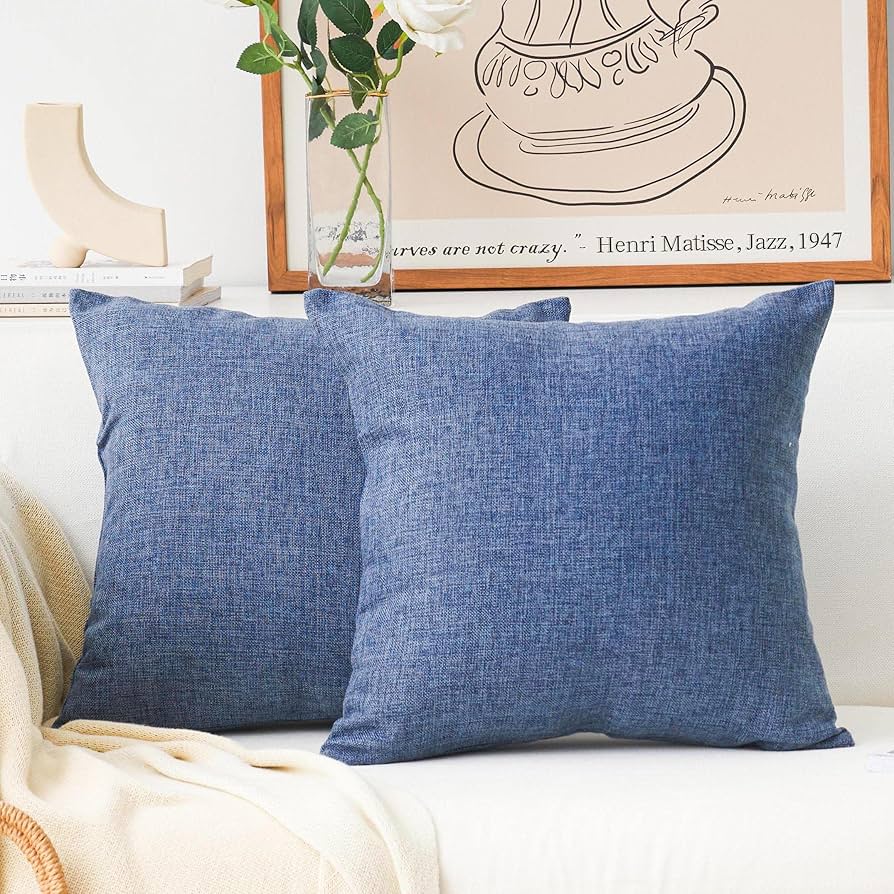
Envelope-style covers slip over existing pillows and give your sofa or bed an instant texture update. You can leave the hems raw for a relaxed edge or finish them neatly if you prefer a cleaner line.
Quick tip: Mix in a few pockets from the original jeans so the pillows double as small storage spots for remotes or reading glasses.
Upcycled Denim Aprons
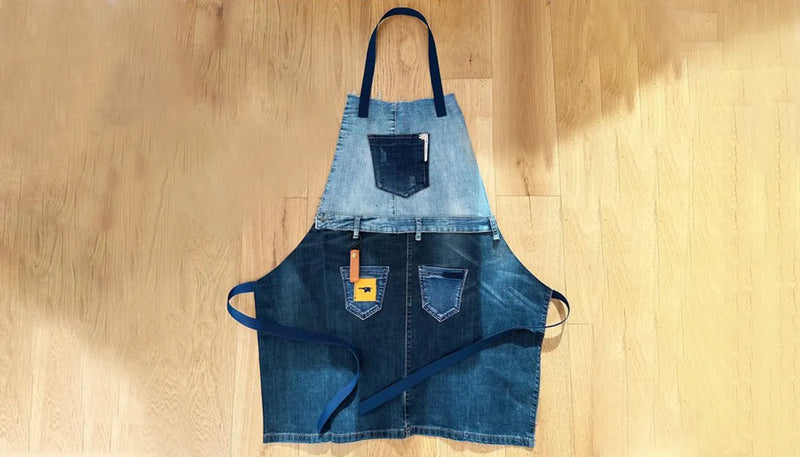
The waistband of an old pair becomes a ready-made tie, and the legs supply plenty of fabric for the body of the apron. Front pockets stay useful for holding tools or recipe cards while you cook.
Mistake-avoidance note: Choose jeans with minimal stretch so the apron keeps its shape after repeated washes.
Denim Storage Baskets
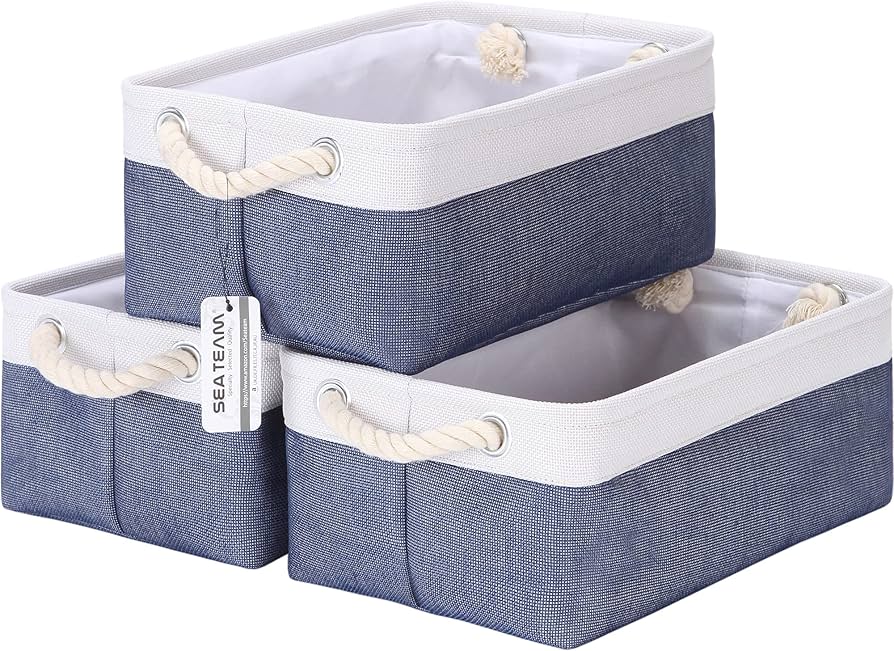
Cut and fold sections into soft baskets that fit on closet shelves or in cubbies. They work well for socks, craft supplies, or kids’ toys and collapse flat when not in use.
Material suggestion: Add a cardboard base inside each basket so it stands upright without sagging.
Denim Coasters and Trivets

Small circles or squares layered together protect tabletops from hot mugs and plates. The stacked denim absorbs moisture and adds a subtle handmade touch to your coffee table.
Practical tip: Stitch several layers together so the coasters stay flat instead of curling at the edges.
Denim Wall Hangings
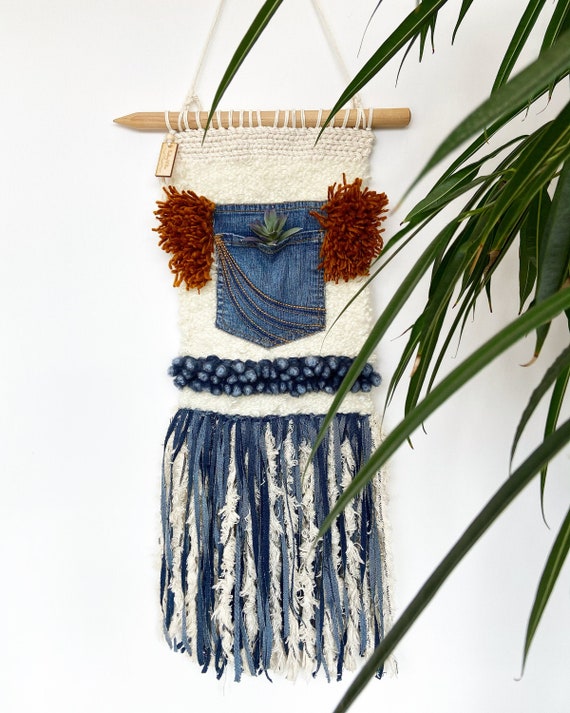
Long strips or larger panels hung from a wooden dowel create simple textile art. The natural fading and seams give each piece visual interest without needing extra color.
Styling note: Hang two or three different sizes together for a balanced arrangement above a sofa or desk.
Jeans into Backpacks
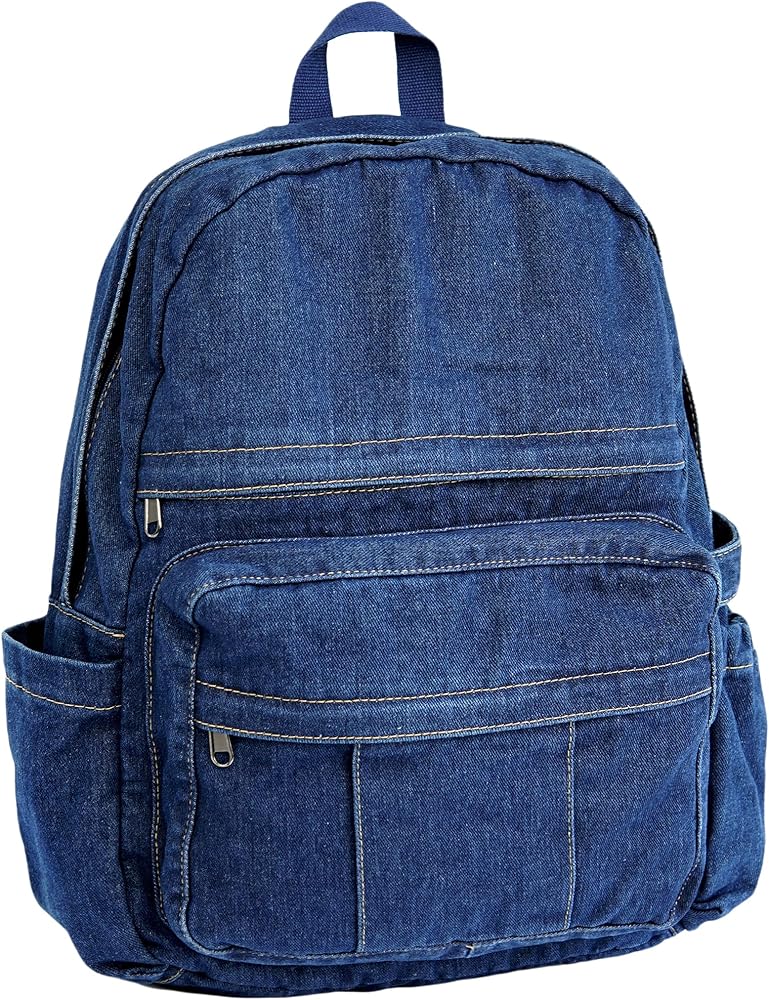
The legs and seat area supply enough fabric for a small daypack with adjustable straps. Reinforced seams at stress points keep the bag reliable for school or weekend outings.
Comparison: A denim backpack feels more casual than canvas versions and pairs easily with both jeans and dresses.
Denim Pet Beds
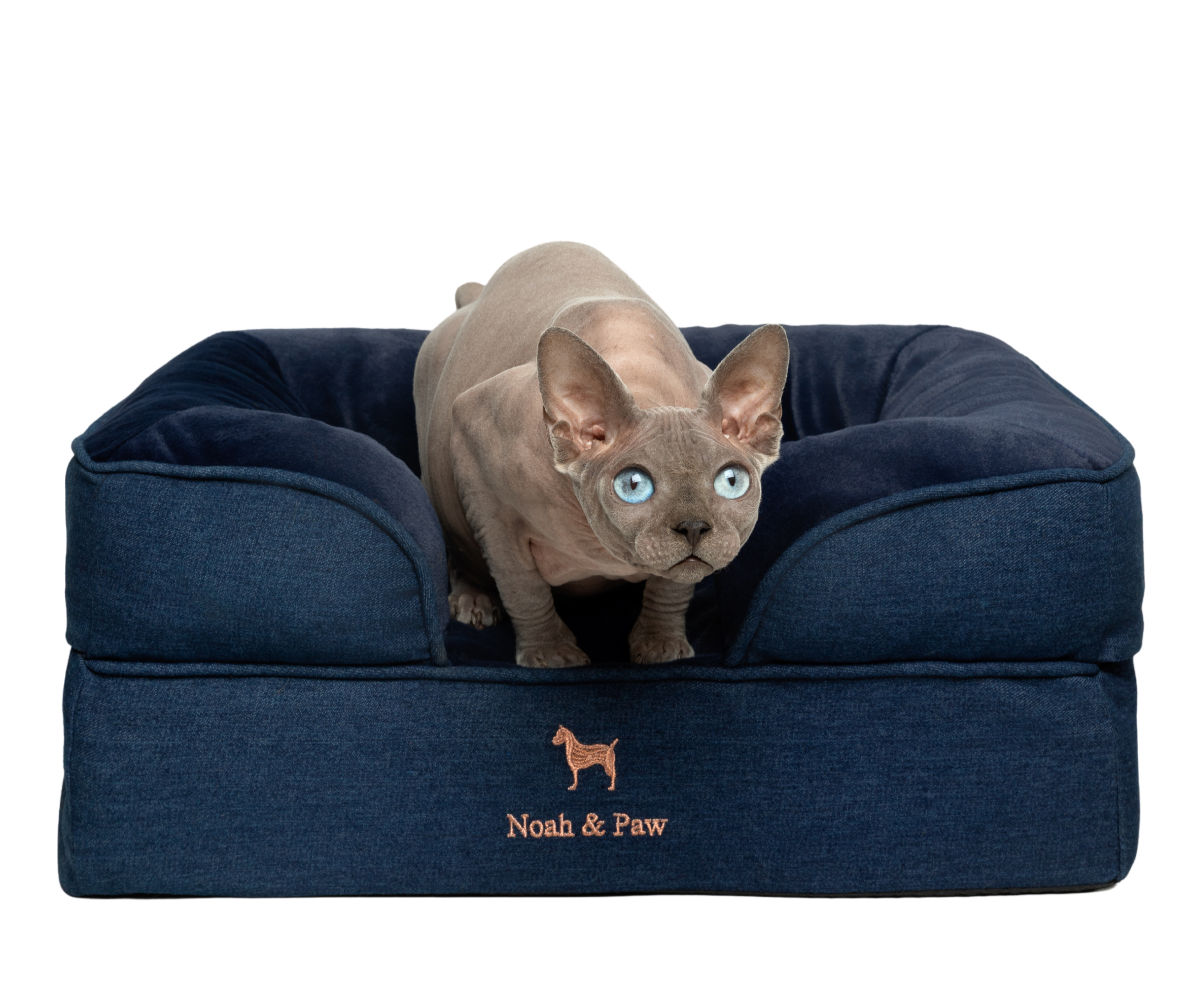
Stuffed legs or seat sections make cushioned mats that dogs and cats settle into quickly. The fabric is tough enough to withstand claws and can be washed when needed.
Short note: Choose darker denim if your pet sheds lightly colored hair so the bed stays looking fresh longer.
Denim Jewelry Organizers
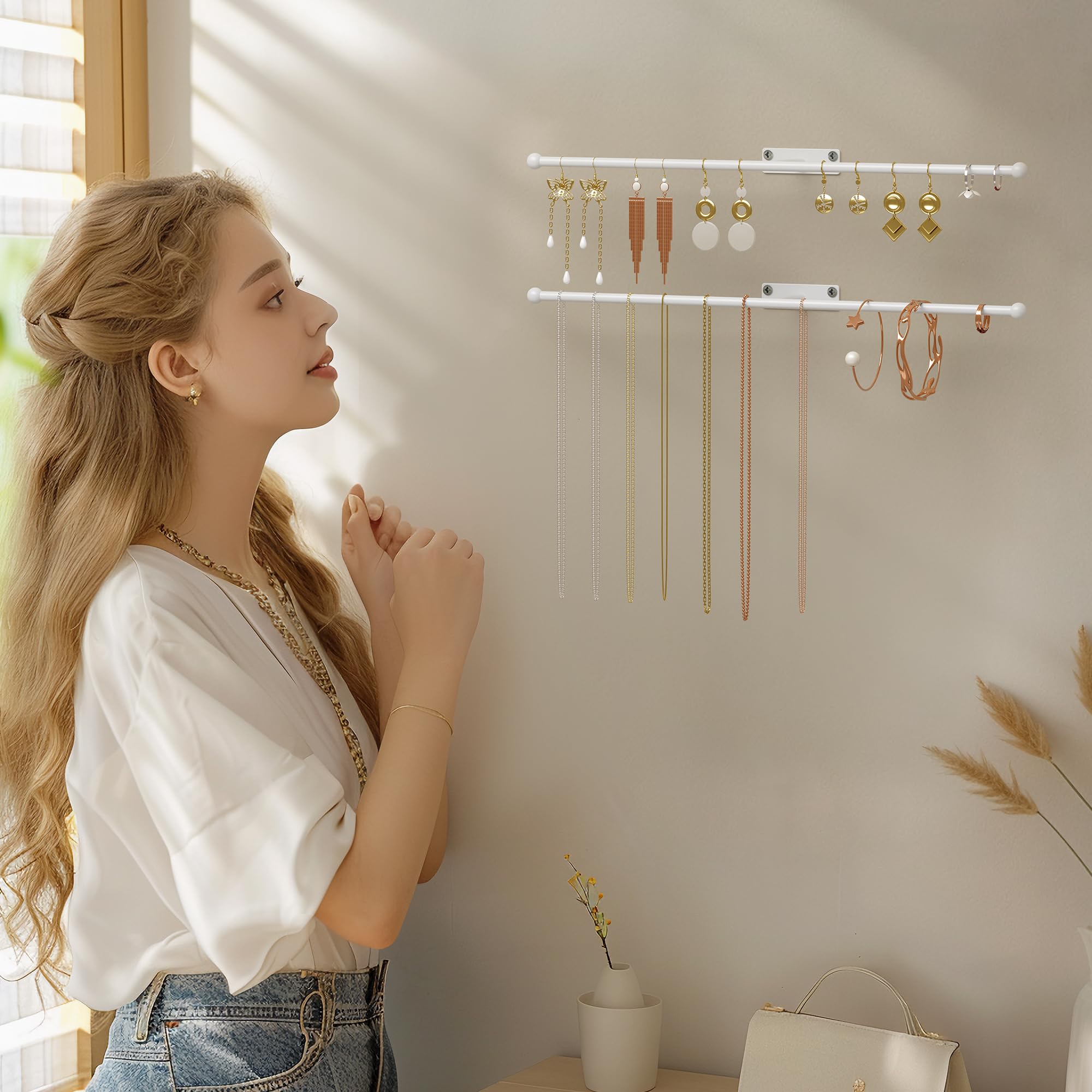
Pockets sewn onto a larger panel keep necklaces untangled and earrings visible. Hang the organizer on a closet door or wall hook for easy access each morning.
Practical tip: Add a few rows of ribbon across the denim so you can slide rings and bracelets onto them.
Upcycled Denim Vests
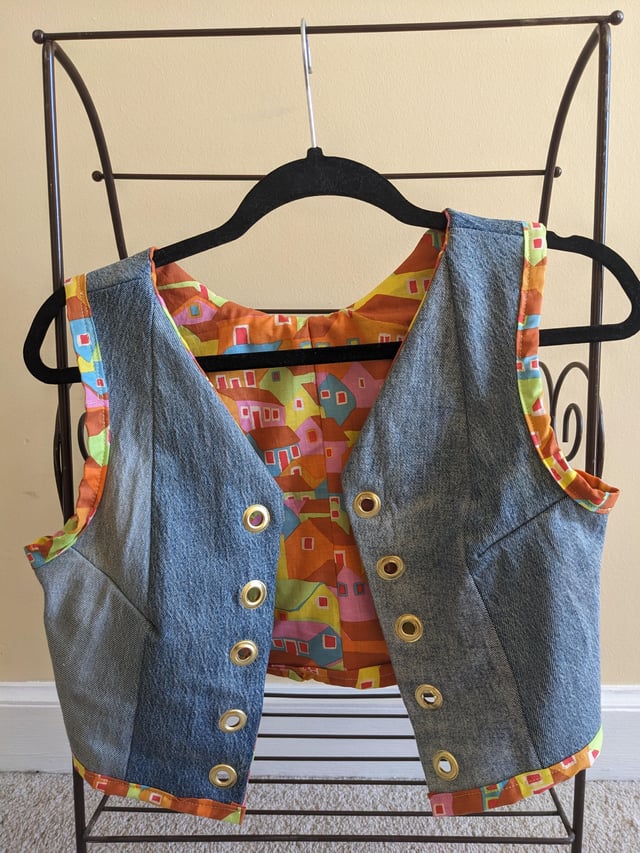
Removing the legs and reshaping the top half creates a lightweight layer you can wear over shirts. Existing pockets become handy spots for small items while you run errands.
Styling suggestion: Leave the raw edges exposed or add a simple trim if you want a more polished finish.
Denim Book Covers
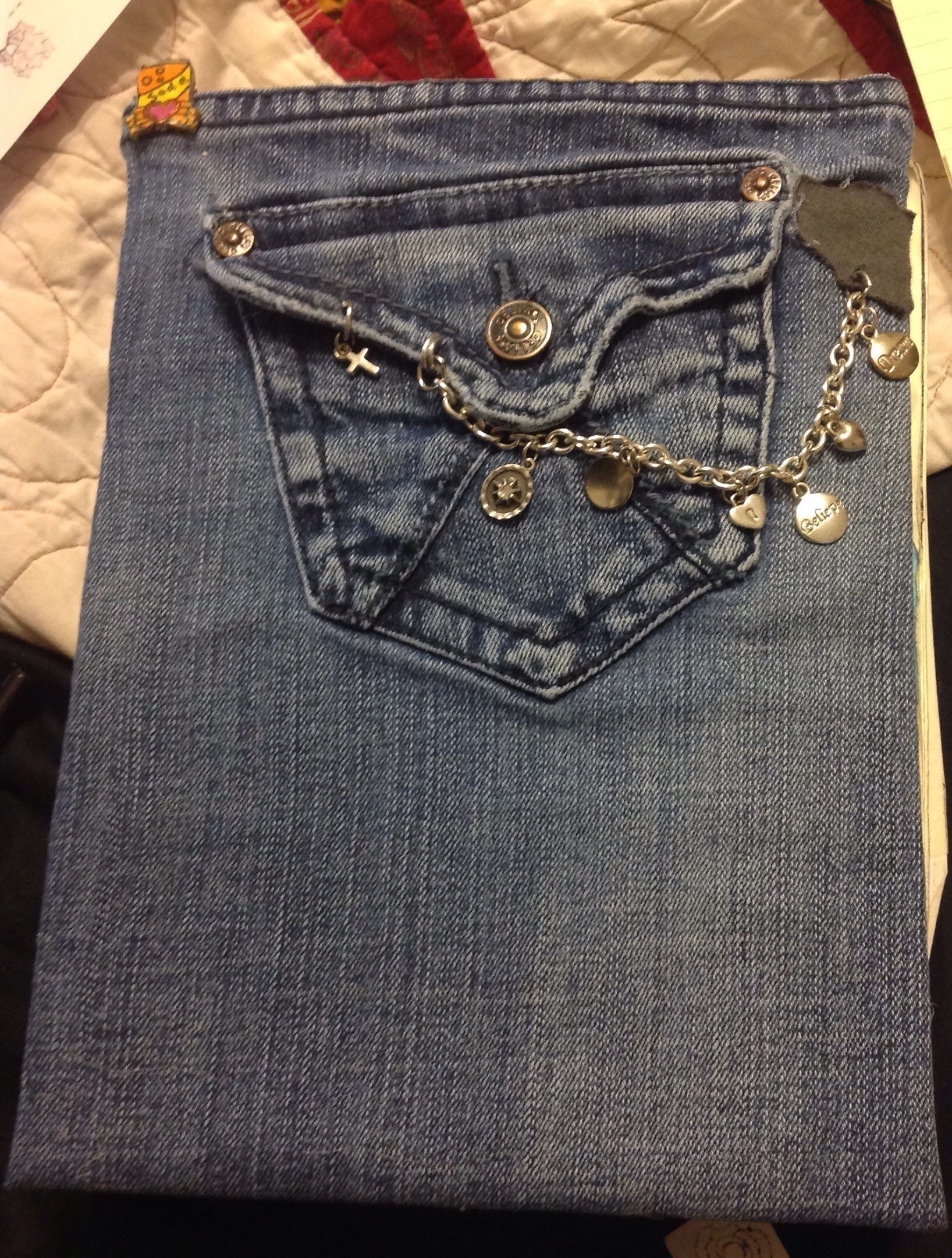
A single leg cut and folded around a notebook or textbook protects the cover from daily wear. The fabric also gives the book a distinctive look on a shelf.
Mini checklist: Measure the book first, cut with extra allowance for seams, and add a closure if the cover tends to slip.
Denim Plant Holders
Sections of leg turned into hanging sleeves keep small pots off windowsills and add greenery to bare walls. The sturdy material supports the weight of soil and plants without stretching.
Budget note: Use leftover rivets or buttons from the original jeans as simple fasteners for the hanging cords.
Denim Curtain Panels
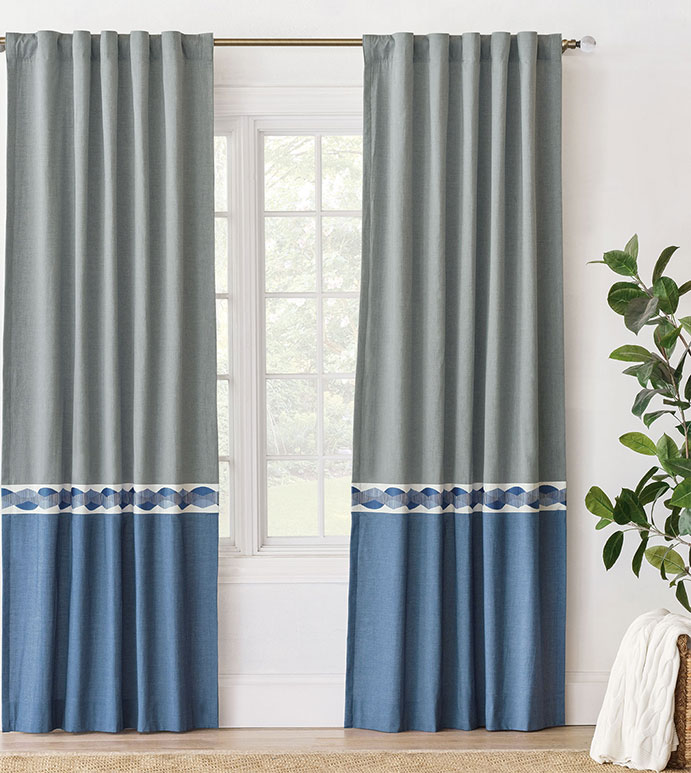
Long pieces sewn together block light and add texture to windows. The weight of the denim helps the panels hang straight and move gently with air flow.
Mistake-avoidance note: Line the back with a lighter fabric if you want the curtains to filter rather than completely block sunlight.
FAQ
How do I clean upcycled denim items? Most pieces hold up in a regular wash cycle on cold with like colors. Air drying helps preserve the original shape and prevents shrinkage.
Can I mix different washes of denim in one project? Yes, combining light and dark shades often creates more visual interest and uses up smaller scraps efficiently.
What if my jeans have stretch fabric in them? Limit stretch denim to items that benefit from a bit of give, such as soft baskets or pillow covers, and save rigid pairs for structured bags or rugs.
Old jeans already in your home hold more potential than you might expect. Each finished piece reduces waste while giving you something useful and personal to keep around for years.
Leave a Reply