
April is the ultimate month for renewal, bridging the gap between the last whispers of winter and the vibrant explosion of spring. As the days grow longer and the earth awakens, it is the perfect time to bring that outdoor energy inside through thoughtful, sustainable, and aesthetically pleasing DIY projects.
Whether you are celebrating Earth Day with upcycled materials or preparing a curated Easter tablescape, April crafts focus on botanical elements, soft pastels, and eco-friendly practices.
Below is a comprehensive guide to 15 creative April craft projects designed to refresh your home and celebrate the changing season.
April Craft Project Quick-Reference Table
| Project Name | Primary Material | Skill Level | Estimated Time |
|---|---|---|---|
| Upcycled Tin Can Planters | Tin Cans | Beginner | 30 Minutes |
| Pressed Flower Frames | Fresh Blooms | Intermediate | 45 Minutes |
| Macramé Plant Hanger | Cotton Cord | Intermediate | 1 Hour |
| Botanical Easter Eggs | Eggshells/Paint | Beginner | 1 Hour |
| Fabric Scrap Wreath | Textile Remnants | Beginner | 1.5 Hours |
| Mason Jar Herb Garden | Glass Jars | Beginner | 45 Minutes |
| Dip-Dyed Napkins | Linen/Cotton | Intermediate | 2 Hours |
| Miniature Terrariums | Glass Vessels | Intermediate | 1 Hour |
| Stenciled Spring Doormat | Coir Mat | Beginner | 1 Hour |
| Teacup Bird Feeders | Vintage China | Intermediate | 30 Minutes |
| Pressed Petal Candles | Soy Wax/Flowers | Advanced | 2 Hours |
| Botanical Wall Art | Cardstock/Paint | Beginner | 1 Hour |
| Boho Tassel Baskets | Seagrass Baskets | Beginner | 45 Minutes |
| Beeswax Food Wraps | Cotton/Beeswax | Intermediate | 1 Hour |
| Seed Paper Stationery | Paper Pulp/Seeds | Advanced | 3 Hours |
1. Upcycled Tin Can Herb Planters
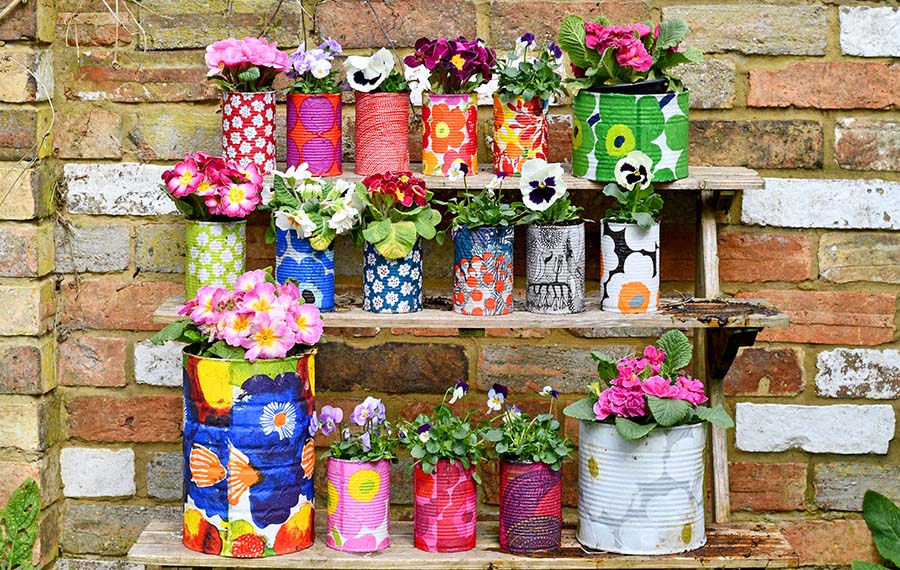
In honor of Earth Day, these upcycled planters turn kitchen waste into a chic window-sill garden. By using chalk paint and twine, you can transform ordinary tin cans into high-end industrial or farmhouse-style containers.
- ✧ Materials: Clean tin cans, chalk paint, sandpaper, hammer and nail (for drainage), twine.
- Instructions: Punch 3–4 drainage holes in the bottom of the can using a hammer and nail.
- Apply two coats of matte chalk paint. Once dry, lightly sand the edges for a distressed look.
- Wrap twine around the rim and secure with hot glue.
- Add potting soil and your favorite spring herbs like basil or mint.
2. Pressed Flower Floating Frames
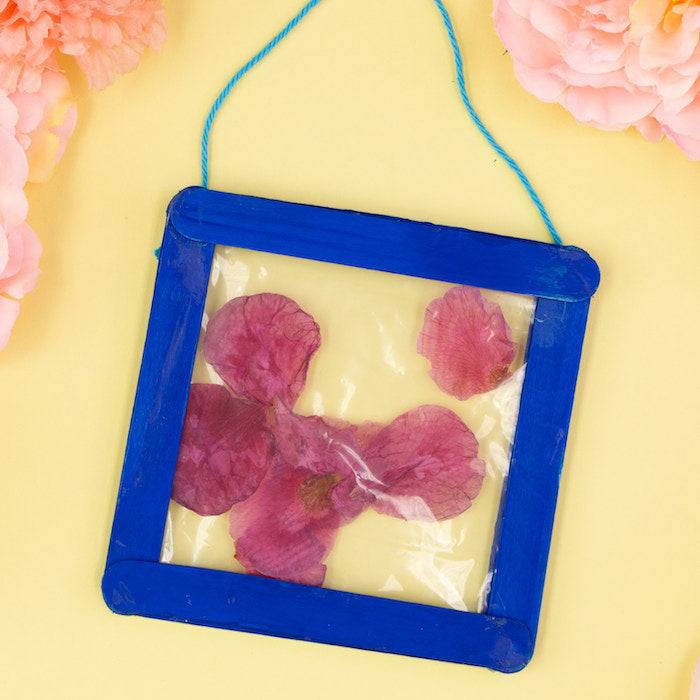
Preserve the first blooms of April with this elegant wall decor. Floating frames allow the delicate structure of the petals to be the star of the show, creating a botanical museum aesthetic.
- ✧ Materials: Double-pane glass frames, fresh flowers (pansies or violas work best), heavy books, tweezers.
- Instructions: Place flowers between parchment paper and tuck them inside a heavy book for 7–10 days.
- Once fully dried and flat, use tweezers to arrange them on one pane of the glass.
- Carefully place the second pane over the flowers and lock the frame.
- Hang in a spot with indirect sunlight to prevent fading.
3. Modern Macramé Plant Hanger
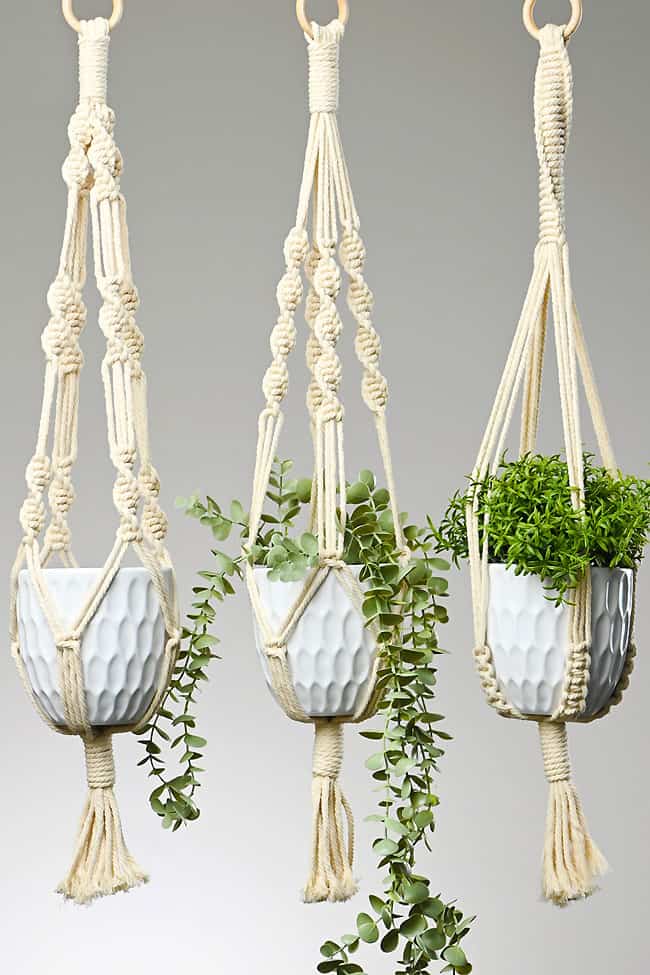
April is for bringing the greenery indoors. A simple macramé hanger elevates your houseplants and adds texture to your living space.
- ✧ Materials: 4mm cotton macramé cord, wooden ring, measuring tape.
- Instructions: Cut eight lengths of cord (approx. 10 feet each).
- Loop them through the wooden ring using a “Lark’s Head” knot.
- Create sections of “Square Knots” to form the cradle for the pot.
- Gather the cords at the bottom and tie a “Gathering Knot” to secure the base.
4. Hand-Painted Botanical Easter Eggs
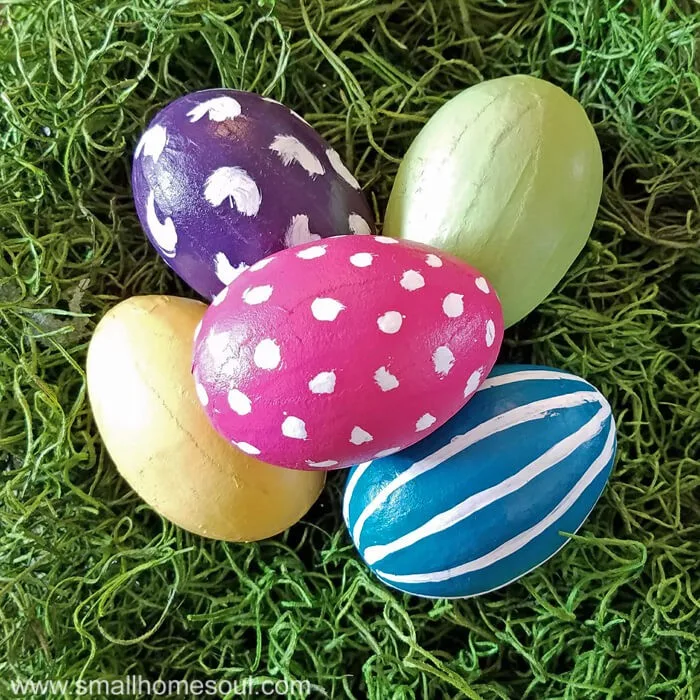
Move away from neon dyes and embrace a more sophisticated, nature-inspired look for your Easter table. These eggs feature delicate leaf and vine patterns.
- ✧ Materials: Blown-out eggshells or wooden eggs, acrylic paint, fine-liner brushes.
- Instructions: Base coat your eggs in muted tones like sage green, dusty rose, or cream.
- Using a very fine brush, paint tiny stems, leaves, and petals using a darker shade or gold leaf.
- Seal with a matte varnish to protect the artwork.
5. Scrappy Fabric Spring Wreath
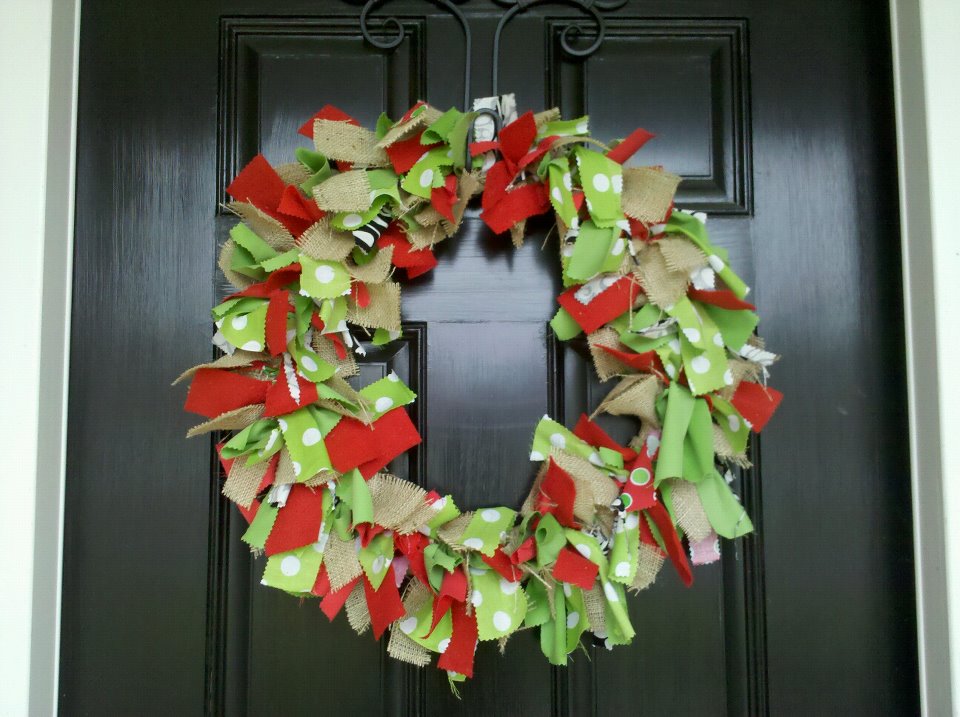
This project is the definition of upcycling. Use leftover fabric from previous sewing projects to create a voluminous, colorful wreath for your front door.
- ✧ Materials: Wire wreath form, fabric scraps (cut into 1×6 inch strips).
- Instructions: Organize your fabric strips by color to create a gradient or mix them for a boho look.
- Tie each strip onto the wire form using a double knot.
- Keep adding strips until the wire is completely hidden and the wreath looks full.
- Trim any stray threads for a clean finish.
6. Indoor Mason Jar Herb Garden
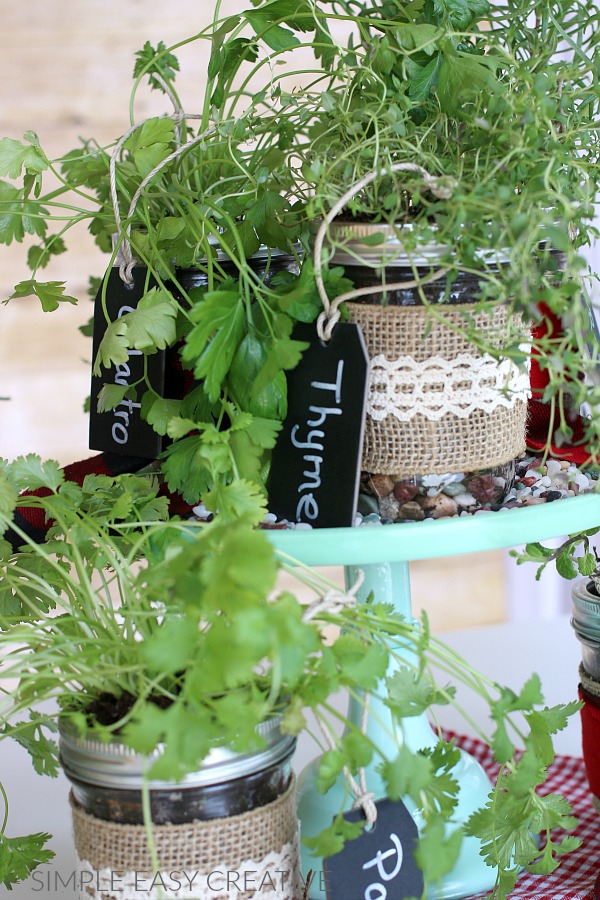
Mason jars are a DIY staple. For April, turn them into a self-contained herb garden that fits perfectly on a kitchen counter or a tiered tray.
- ✧ Materials: Quart-sized mason jars, small pebbles (for drainage), potting soil, herb starts.
- Instructions: Layer two inches of pebbles at the bottom of the jar to prevent root rot.
- Add a layer of charcoal (optional) to keep the water fresh.
- Fill with soil and plant your herbs.
- Label each jar with a chalkboard sticker or a paint pen.
7. Shibori-Inspired Dip-Dyed Linens
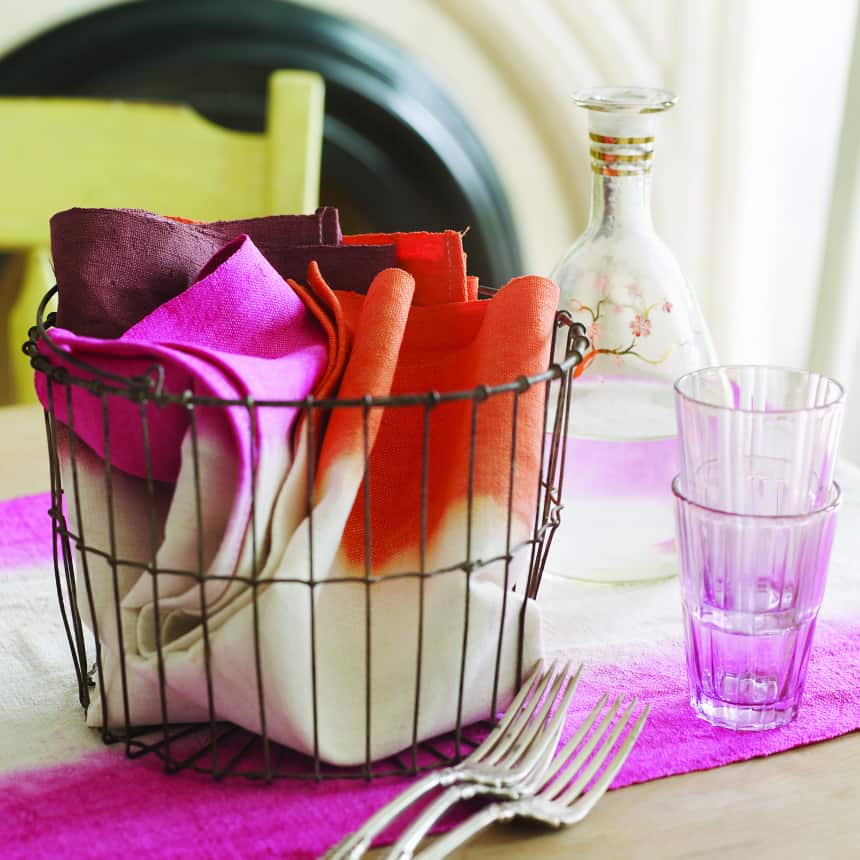
Refresh your spring tablescape with custom linens. The Shibori technique uses indigo dye to create stunning, organic patterns.
- ✧ Materials: White cotton or linen napkins, indigo dye kit, rubber bands, wood blocks.
- Instructions: Fold the napkins in accordion styles or squares.
- Bind them tightly with rubber bands or sandwich them between wood blocks.
- Submerge in the dye bath according to the kit instructions.
- Rinse until water runs clear and reveal your unique geometric patterns.
8. Miniature Glass Terrariums
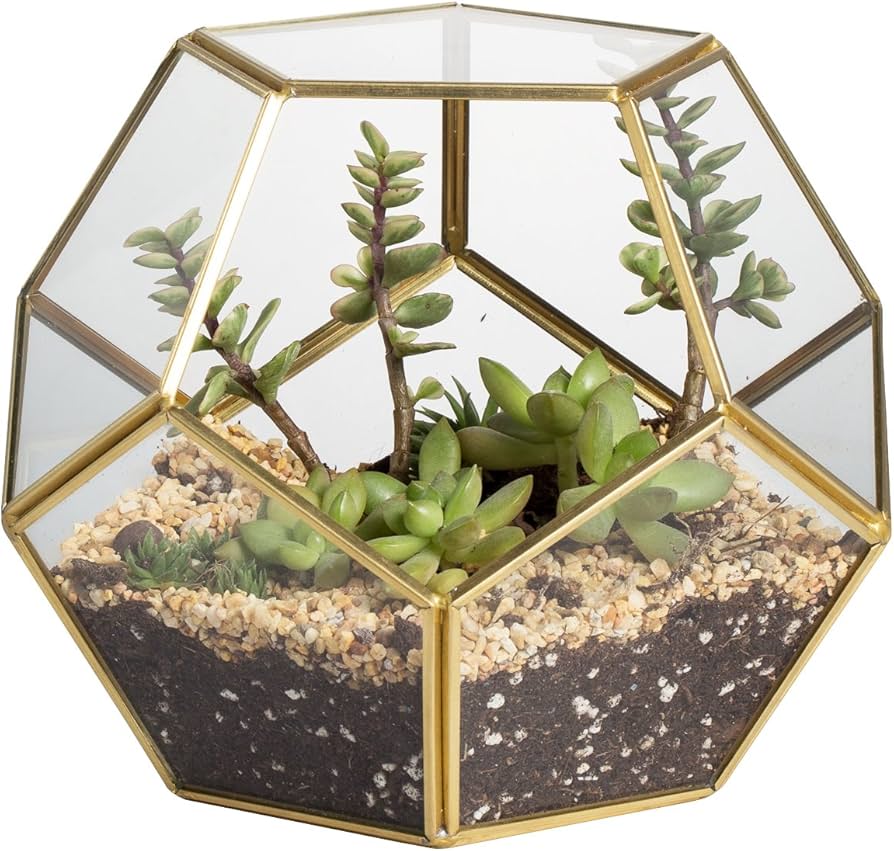
April showers bring May flowers, but they also make for great “indoor gardening” days. Terrariums are low-maintenance and act as a living piece of art.
- ✧ Materials: Large glass bowl or jar, activated charcoal, moss, succulents or ferns, decorative stones.
- Instructions: Layer stones, then charcoal, then soil.
- Arrange your plants, starting with the largest in the center.
- Tuck moss around the edges to cover the soil.
- Mist lightly with water and place in bright, indirect light.
9. Custom Stenciled Spring Doormat
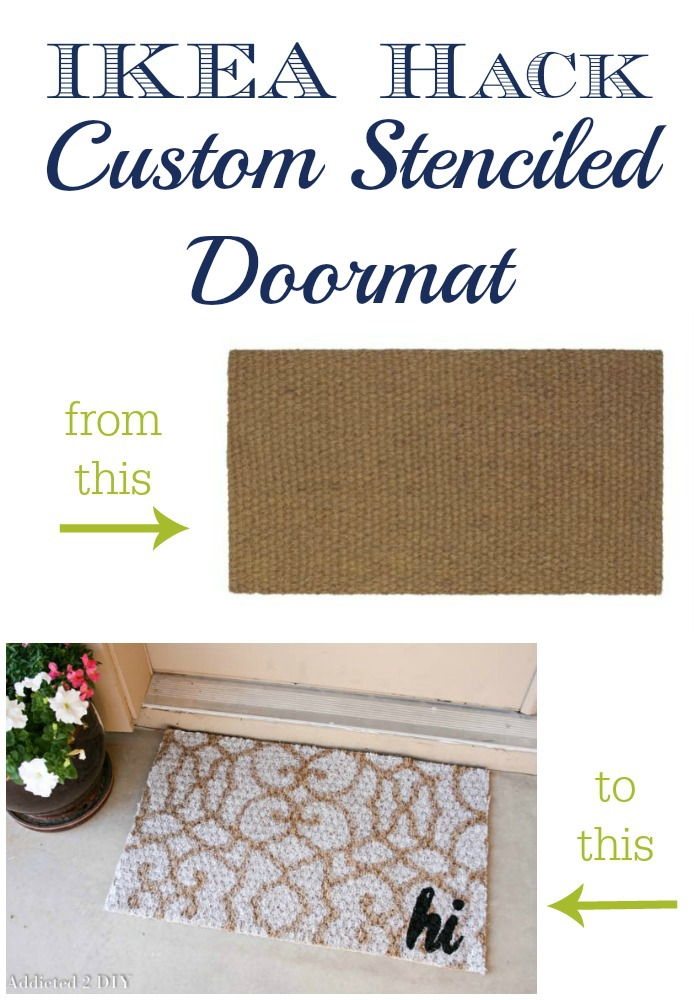
Give your entryway an instant facelift. A personalized doormat with a spring greeting or floral motif is a high-impact, low-cost project.
- ✧ Materials: Plain coir doormat, outdoor acrylic paint, stencil, foam pouncer.
- Instructions: Secure your stencil to the mat using painter’s tape.
- Use a pouncing motion with the foam brush to apply the paint (do not brush, as it will bleed).
- Let it dry for 24 hours before stepping on it.
- Spray with a clear UV-resistant sealer to prevent fading.
10. Vintage Teacup Bird Feeders
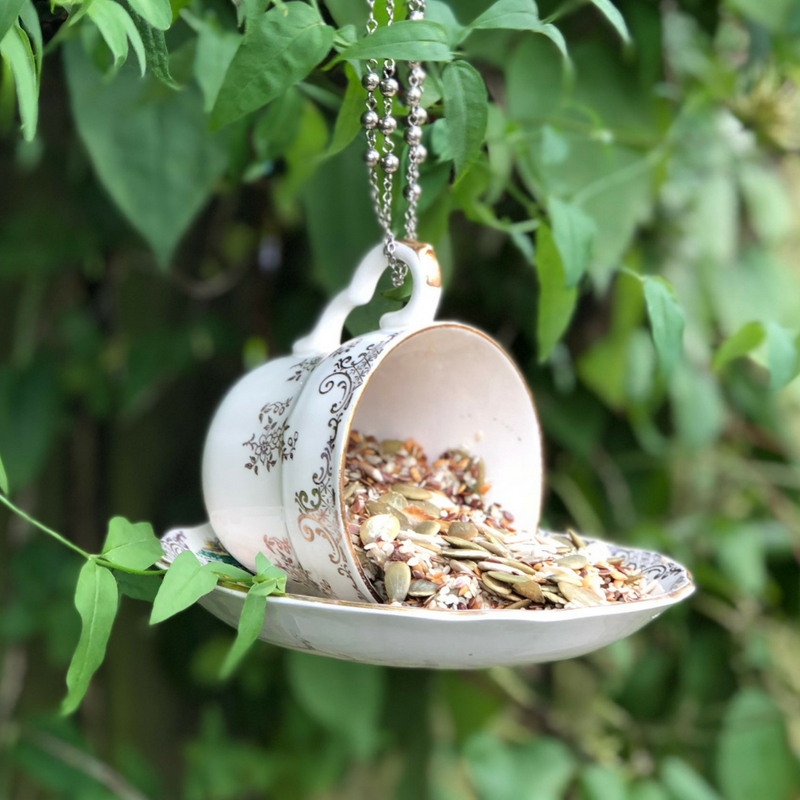
As birds return for the season, welcome them with a charming vintage feeder. This is a great way to repurpose “orphaned” teacups from thrift stores.
- ✧ Materials: Teacup and saucer, ceramic glue (E6000), copper pipe or wooden dowel.
- Instructions: Glue the teacup to the saucer, ensuring the handle is facing up.
- Glue the bottom of the saucer to a copper pipe cap or a sturdy dowel.
- Once the glue is fully cured (24 hours), fill the cup with birdseed.
- Stake it into your garden or a flower pot.
11. Pressed Petal Soy Candles
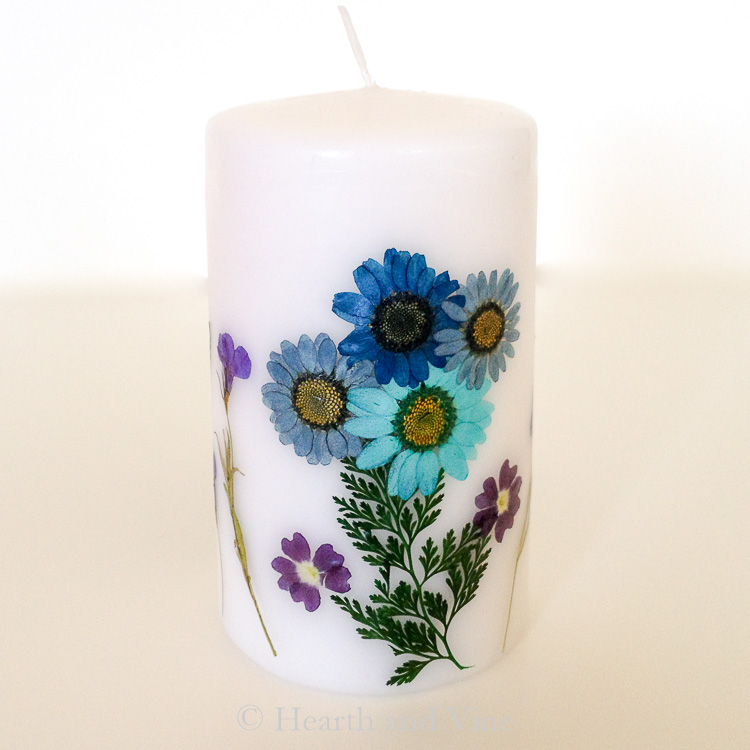
Combine the warmth of a candle with the beauty of April blooms. These make excellent gifts for Mother’s Day or spring birthdays.
- ✧ Materials: Soy wax flakes, wicks, glass jars, dried pressed flowers, fragrance oil.
- Instructions: Melt the soy wax in a double boiler.
- While the wax melts, use a tiny bit of melted wax to “glue” pressed flowers to the inside walls of the glass jar.
- Add fragrance oil to the melted wax.
- Center the wick and pour the wax slowly into the jar. Let it set completely.
12. DIY Botanical Print Wall Gallery
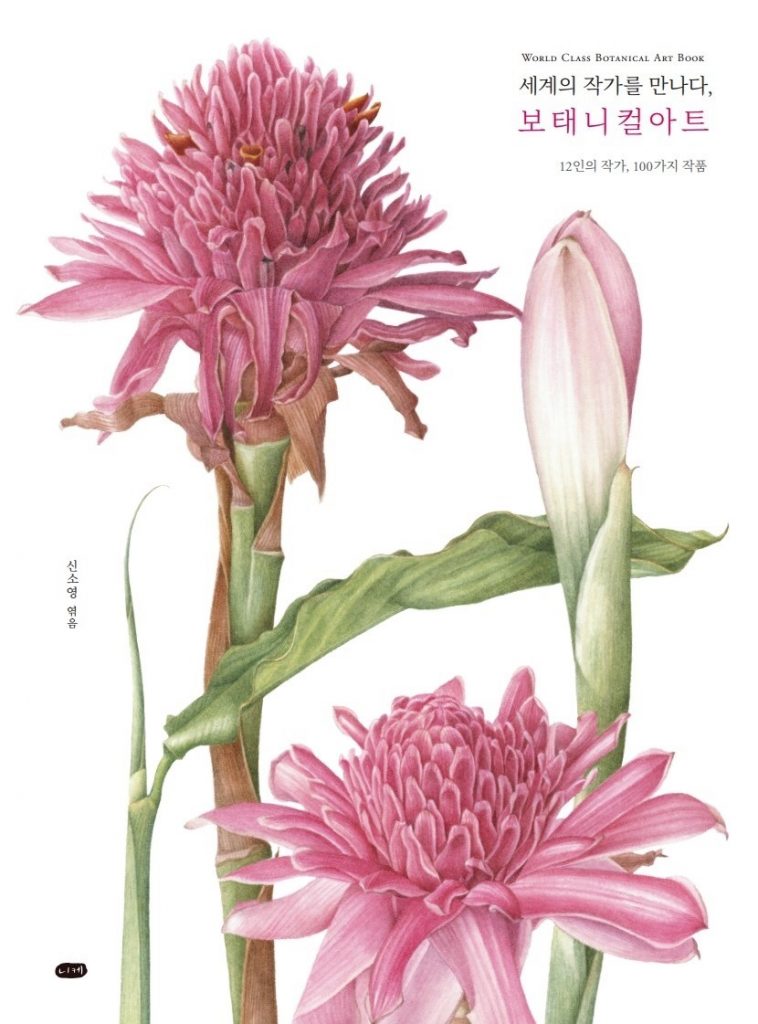
If you aren’t a confident painter, you can still create high-authority art using the “stamping” method with real leaves.
- ✧ Materials: Heavy watercolor paper, acrylic paint, flat leaves (like ferns or maple).
- Instructions: Apply a thin, even layer of paint to the underside of a leaf.
- Press the leaf firmly onto the paper, covering it with a paper towel and rolling over it with a rolling pin.
- Carefully lift the leaf to reveal a perfect botanical print.
- Frame a series of three for a cohesive gallery look.
13. Boho Tassel Storage Baskets
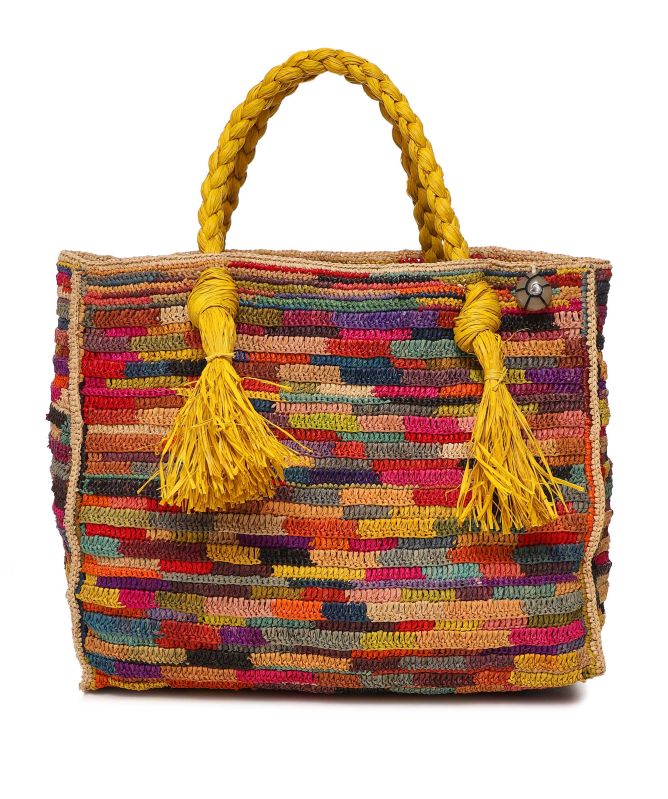
Spring cleaning often leaves us needing more organization. Upgrade basic seagrass baskets with colorful tassels for a trendy, bohemian vibe.
- ✧ Materials: Woven baskets, yarn, cardboard, scissors.
- Instructions: Wrap yarn around a piece of cardboard 20–30 times.
- Tie the top and cut the bottom to create a tassel.
- Tie the tassels onto the handles or around the rim of the basket.
- Use these to store spring blankets or craft supplies.
14. Eco-Friendly Beeswax Food Wraps
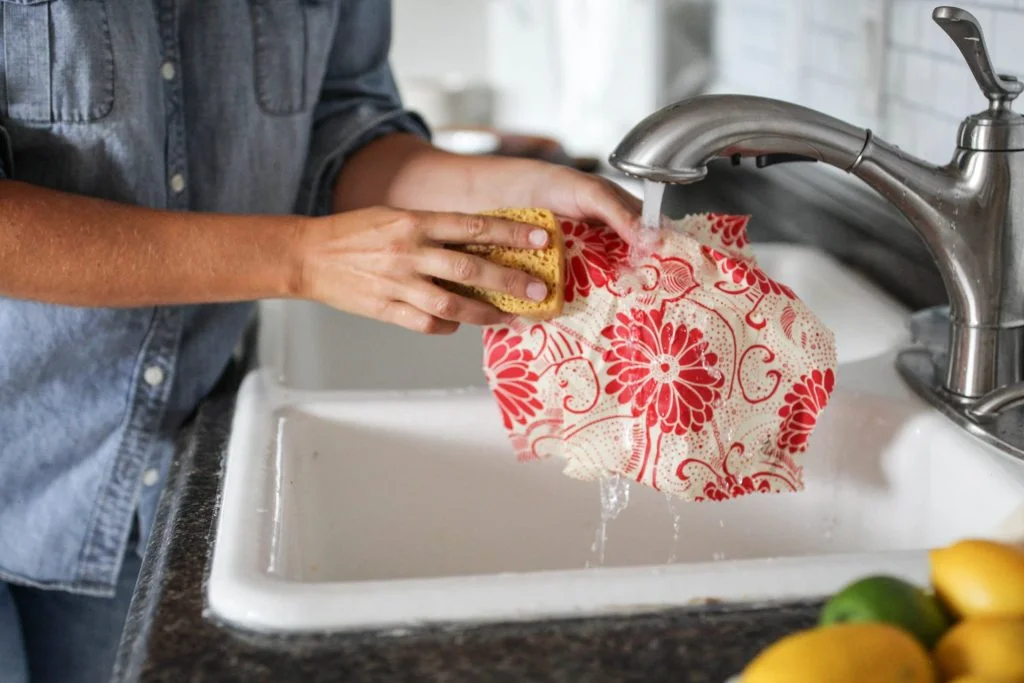
Reduce your plastic use this April by making your own reusable food wraps. These are perfect for wrapping spring picnic sandwiches or covering leftover salads.
- ✧ Materials: Cotton fabric (cut into squares), beeswax pellets, parchment paper, iron.
- Instructions: Place a fabric square on parchment paper.
- Sprinkle beeswax pellets evenly over the fabric.
- Cover with another piece of parchment paper and iron on medium heat until the wax melts into the fibers.
- Peel off and hang to dry for a few minutes.
15. Handmade Seed Paper Stationery

This is the ultimate “green” craft. Seed paper can be planted after the recipient reads your note, growing into a patch of wildflowers.
- ✧ Materials: Paper scraps (egg cartons, junk mail), blender, wildflower seeds, window screen or mold/deckle.
- Instructions: Blend soaked paper scraps with water to make a pulp.
- Stir in wildflower seeds (do not blend the seeds!).
- Spread the pulp onto a screen to drain the water.
- Press flat with a towel and let dry for 24–48 hours. Cut into cards or tags.
Frequently Asked Questions (FAQ)
Q: What are the best flowers to press for April crafts?
Spring flowers with flat faces are easiest. Pansies, violas, daisies, and ferns press beautifully. Avoid thick flowers like roses or succulents unless you plan to take them apart petal by petal.
Q: Is chalk paint better than acrylic for upcycling?
For materials like tin, glass, or finished wood, chalk paint is superior because it adheres better without the need for extensive priming. It also provides that signature matte, “spring” finish.
Q: How do I make my DIY doormat last longer?
The key is using outdoor-grade acrylic paint and sealing it with a clear, weather-resistant spray. Avoid placing the mat in direct rain; a covered porch is the ideal location.
Q: Can I use any fabric for beeswax wraps?
It must be 100% cotton. Synthetic fibers like polyester will not absorb the wax correctly and won’t be effective at clinging to bowls or food.
Conclusion
April is a season of transition, offering a unique opportunity to blend the beauty of nature with functional home decor. By engaging in these upcycling and botanical-themed projects, you not only refresh your living space but also foster a deeper connection with the environment.
From the simplicity of a tin can planter to the intricate process of making seed paper, these crafts celebrate the essence of spring: growth, color, and sustainability. Grab your tools, open your windows to the fresh April air, and start creating.
Leave a Reply