
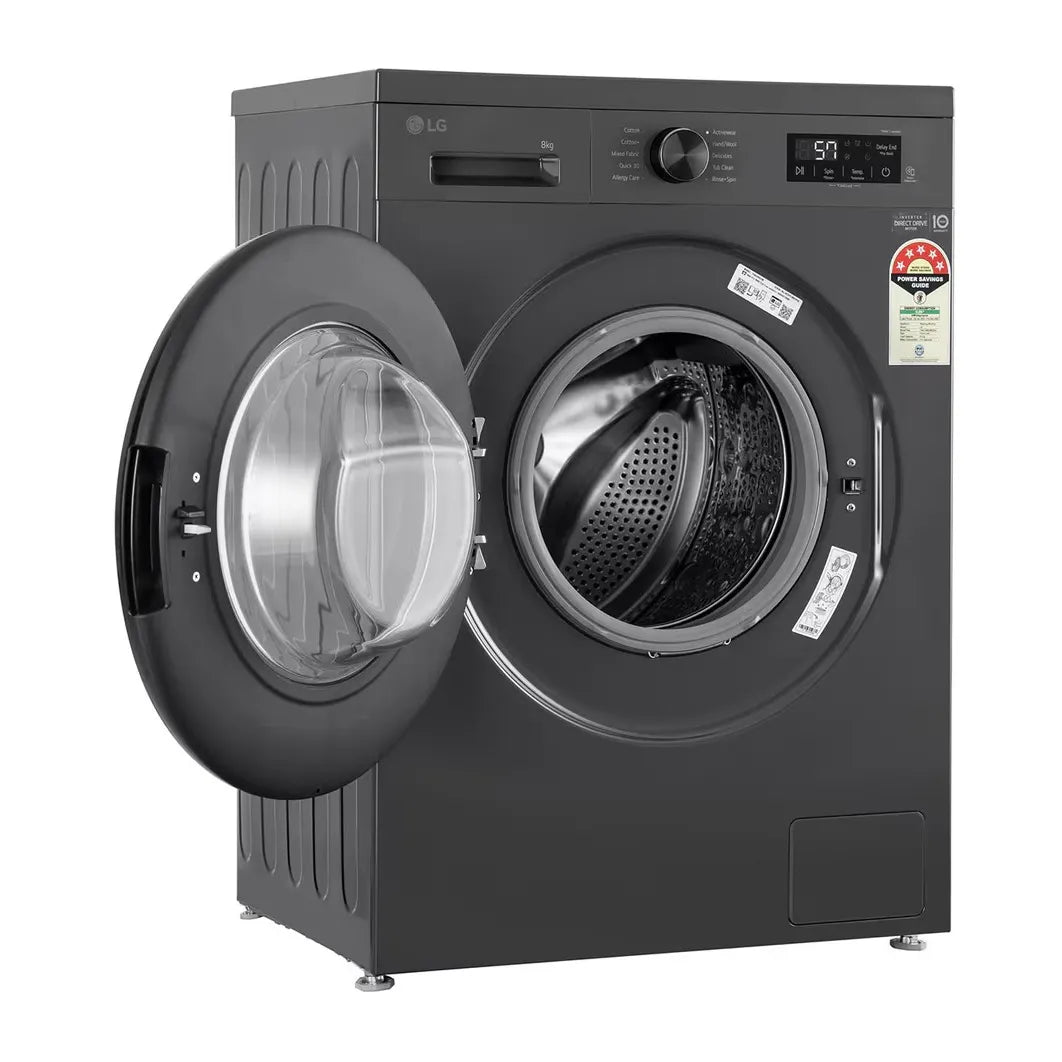
Your washing machine cleans your clothes every week — but who’s cleaning the machine? Over time, detergent residue, fabric softener buildup, hard water minerals, and the warm, damp environment inside your washer create the perfect breeding ground for mold, mildew, and bacteria. You’ll notice it as a musty smell on your “clean” laundry, dark spots around the door gasket, or a funky film inside the drum.
The good news is you don’t need a single harsh chemical to fix it. White vinegar, baking soda, citric acid, and a few other pantry staples can break down buildup, kill odor-causing bacteria, and leave your machine smelling fresh. Here’s every natural method I use — along with how to tackle the specific parts (gasket, drawer, filter) that trap the worst grime.
White Vinegar Wash Cycle
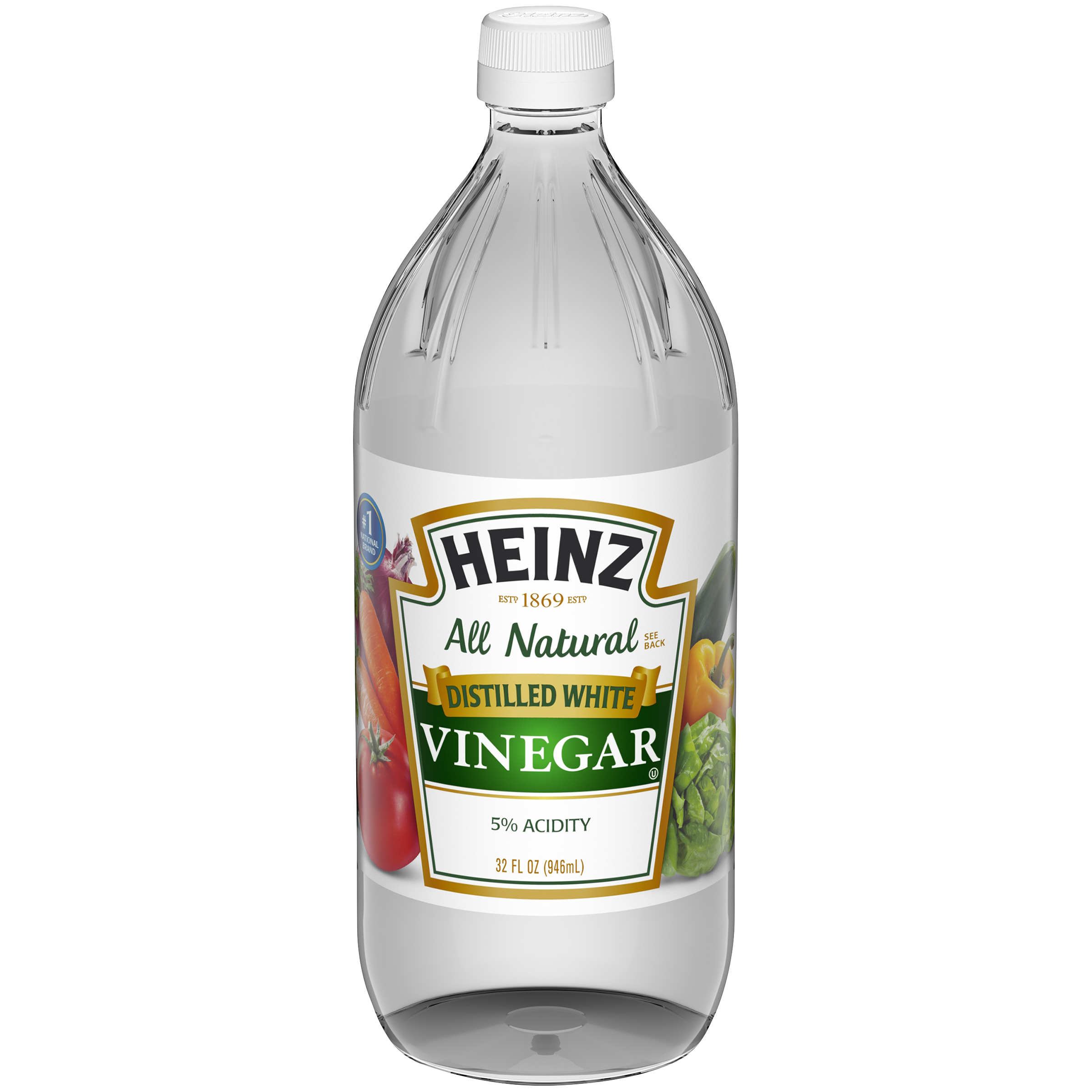
This is the method I reach for first because it tackles the broadest range of problems at once — detergent residue, mineral deposits, and odor-causing bacteria. White distilled vinegar (the plain, inexpensive kind from any grocery store) is a mild acid that dissolves alkaline buildup like soap scum and hard water scale, while its acetic acid content kills many common mold and bacteria strains.
Pour two cups of white distilled vinegar directly into the drum — not the detergent drawer. Run the hottest, longest cycle your machine offers with an empty load.
On most machines, that’s a “Clean Washer” or “Sanitize” cycle; if yours doesn’t have one, just select the hottest water setting and the longest wash time. The heat amplifies the vinegar’s cleaning power and helps it penetrate the buildup you can’t see.
If your machine is particularly smelly or you haven’t cleaned it in a long time, pause the cycle once the drum fills and let the vinegar water sit for an hour before resuming. I do this twice a year and the musty smell has never come back.
Baking Soda Scrub for the Drum
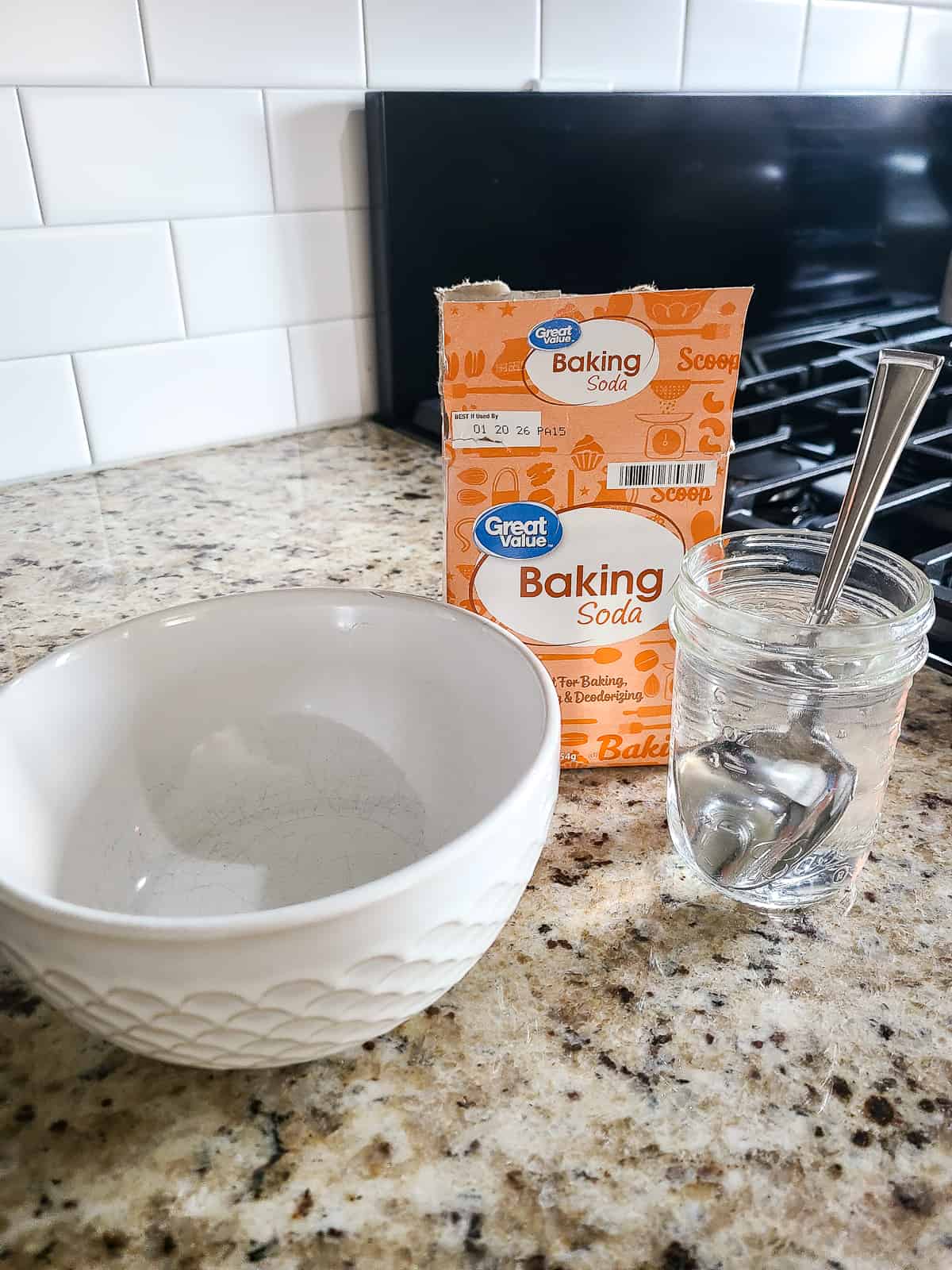
While vinegar handles the deep-clean cycle, baking soda is my go-to for physically scrubbing the visible grime that clings to the drum surface, agitator, or rubber baffles inside. It’s a gentle abrasive that won’t scratch stainless steel or porcelain, and it neutralizes odors on contact rather than just masking them.
Mix about a quarter cup of baking soda with just enough water to form a thick paste. Dip a microfiber cloth or an old toothbrush into the paste and scrub the inside of the drum, paying extra attention to the area around the door opening and any crevices where dark residue collects.
For top-loaders, scrub around the agitator and under the rim of the tub where gunk hides. Wipe everything down with a damp cloth, then run a quick rinse cycle to flush out any remaining paste.
You can also add half a cup of baking soda to the drum and run a hot cycle on its own as a deodorizing refresh between your deeper vinegar cleans. I alternate these two — vinegar one month, baking soda the next — and it keeps everything balanced.
Citric Acid Deep Clean
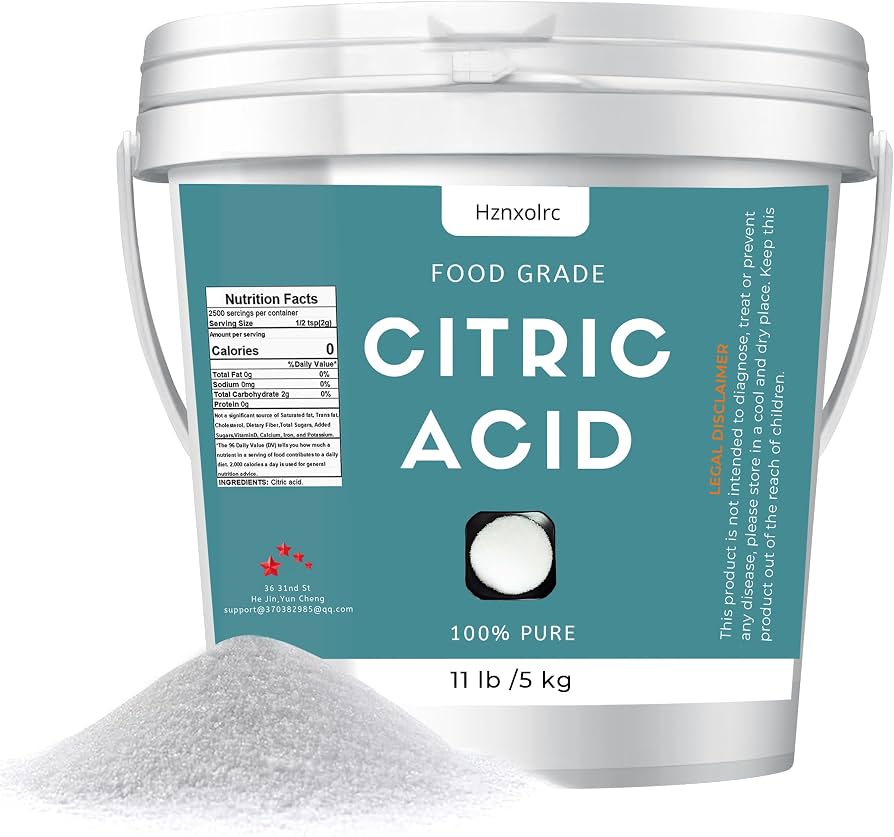
If you have hard water, citric acid is a powerhouse that vinegar alone sometimes can’t match. It’s the same acid found naturally in lemons and limes, and it’s exceptionally good at dissolving limescale — the chalky white mineral deposits that coat the drum, clog the heating element, and make your machine work harder over time. You can find food-grade citric acid powder in the canning aisle of most grocery stores or online for just a few dollars a bag.
Add three to four tablespoons of citric acid powder directly into the drum. Run the hottest, longest cycle with an empty machine, just like the vinegar method. The citric acid will react with the calcium and magnesium deposits, breaking them down and flushing them out through the drain.
This is the method I use once or twice a year specifically for descaling, especially in the spring after running the heater-heavy winter cycles. If you’ve never done it before, don’t be alarmed by a slightly gritty residue in the drum afterward — that’s loosened scale. Just wipe it out with a damp cloth and run a quick rinse cycle.
Hydrogen Peroxide Disinfecting Cycle
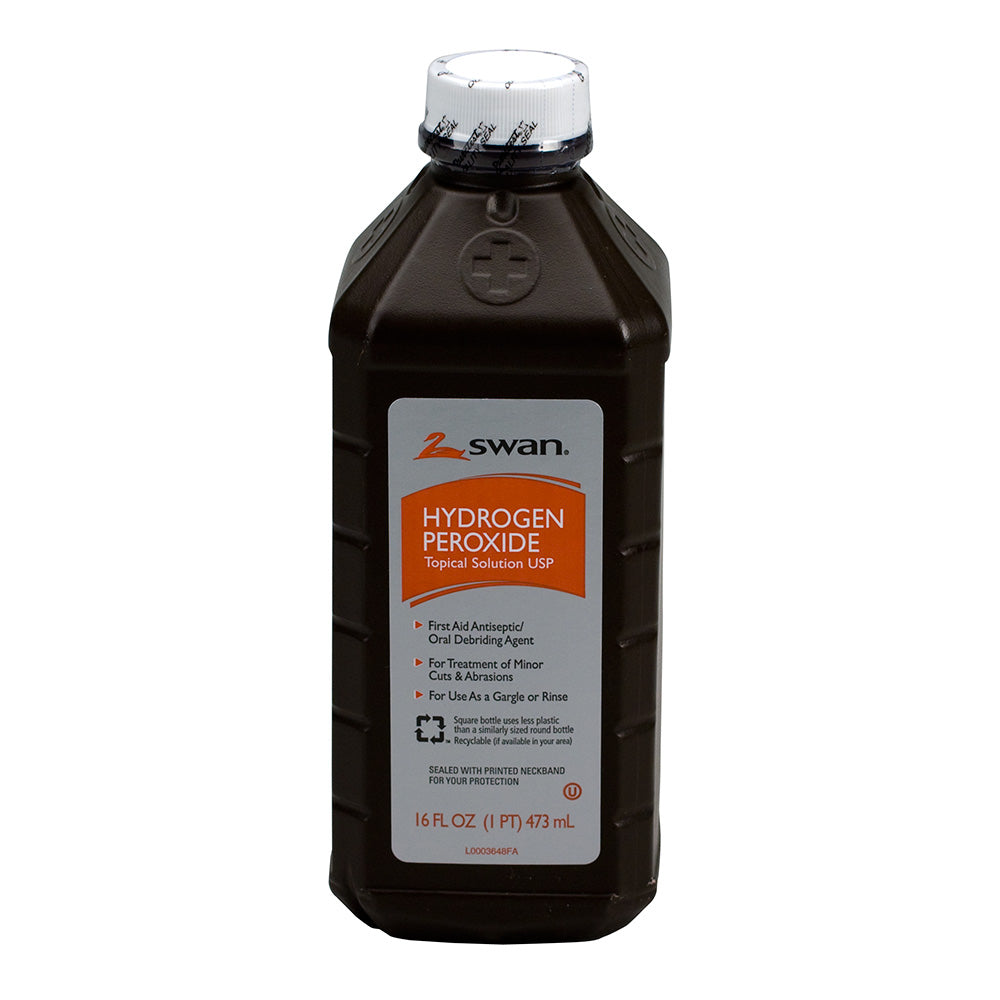
When your machine smells genuinely sour or you suspect mold is growing somewhere you can’t see (common in front-loaders), hydrogen peroxide brings a stronger disinfecting action than vinegar alone. Standard 3% hydrogen peroxide — the brown bottle from the first aid aisle — kills mold, mildew, and bacteria on contact through oxidation, and it breaks down into just water and oxygen, so it leaves no chemical residue.
Pour one cup of 3% hydrogen peroxide into the drum and run a hot cycle with an empty machine. Don’t mix it with vinegar in the same cycle — combining the two actually reduces their effectiveness. I use hydrogen peroxide as a separate treatment when vinegar alone hasn’t solved a persistent smell, usually about once every few months.
Can I use hydrogen peroxide on a front-loader gasket?
Yes, and it’s actually one of the best tools for that job. Spray undiluted 3% hydrogen peroxide directly onto the rubber door gasket, making sure to pull back the folds where mold loves to hide.
Let it sit for 10–15 minutes, then wipe clean with a damp cloth. The gasket is often the single smelliest part of a front-loader, and peroxide reaches the mold that scrubbing alone misses.
Borax Deodorizing Wash
Borax — sold as 20 Mule Team Borax in the laundry aisle — is a naturally occurring mineral (sodium borate) that’s been used as a household cleaner for over a century. It softens water, boosts the cleaning power of other ingredients, and has antifungal and antibacterial properties that make it especially useful if your machine develops a persistent mildew smell.
Add half a cup of borax directly into the drum and run a hot, empty cycle. Borax works more slowly than vinegar or peroxide, so let the full cycle complete without pausing. The hot water activates the borax and lets it work through the plumbing lines where biofilm can hide.
I sometimes combine borax with the vinegar method for an extra-strength clean: half a cup of borax and two cups of vinegar in the same hot cycle. The combination creates a mildly effervescent reaction that helps lift stubborn buildup from surfaces. Just don’t combine borax with hydrogen peroxide in the same cycle.
Tea Tree Oil Antifungal Treatment
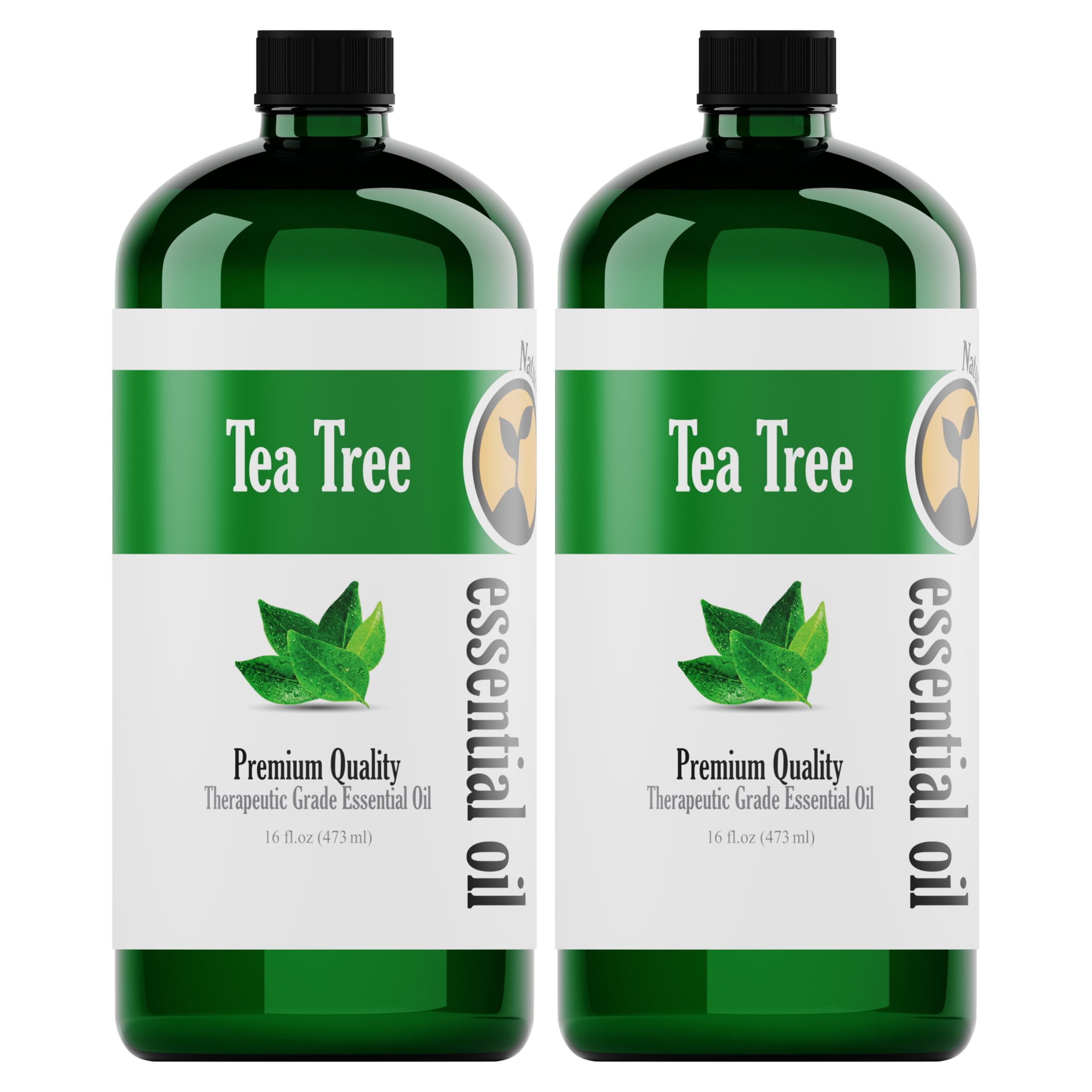
Tea tree oil is one of the few essential oils with real, research-backed antifungal and antibacterial properties — it’s not just a nice smell. If you’re dealing with recurring mold in your machine (especially the rubber gasket on a front-loader), tea tree oil provides residual protection that lingers after the cycle ends and helps prevent regrowth.
Add 10–15 drops of pure tea tree oil to two cups of white vinegar, then pour the mixture into the drum and run a hot, empty cycle. The vinegar does the heavy lifting on buildup while the tea tree oil leaves an antifungal film on interior surfaces. You’ll notice a clean, medicinal scent for a day or two afterward — it fades quickly but the antifungal benefits last longer.
Don’t pour tea tree oil directly onto rubber seals undiluted, as concentrated essential oils can degrade some rubber compounds over time. Always dilute it in vinegar or water first.
Clean the Rubber Door Gasket
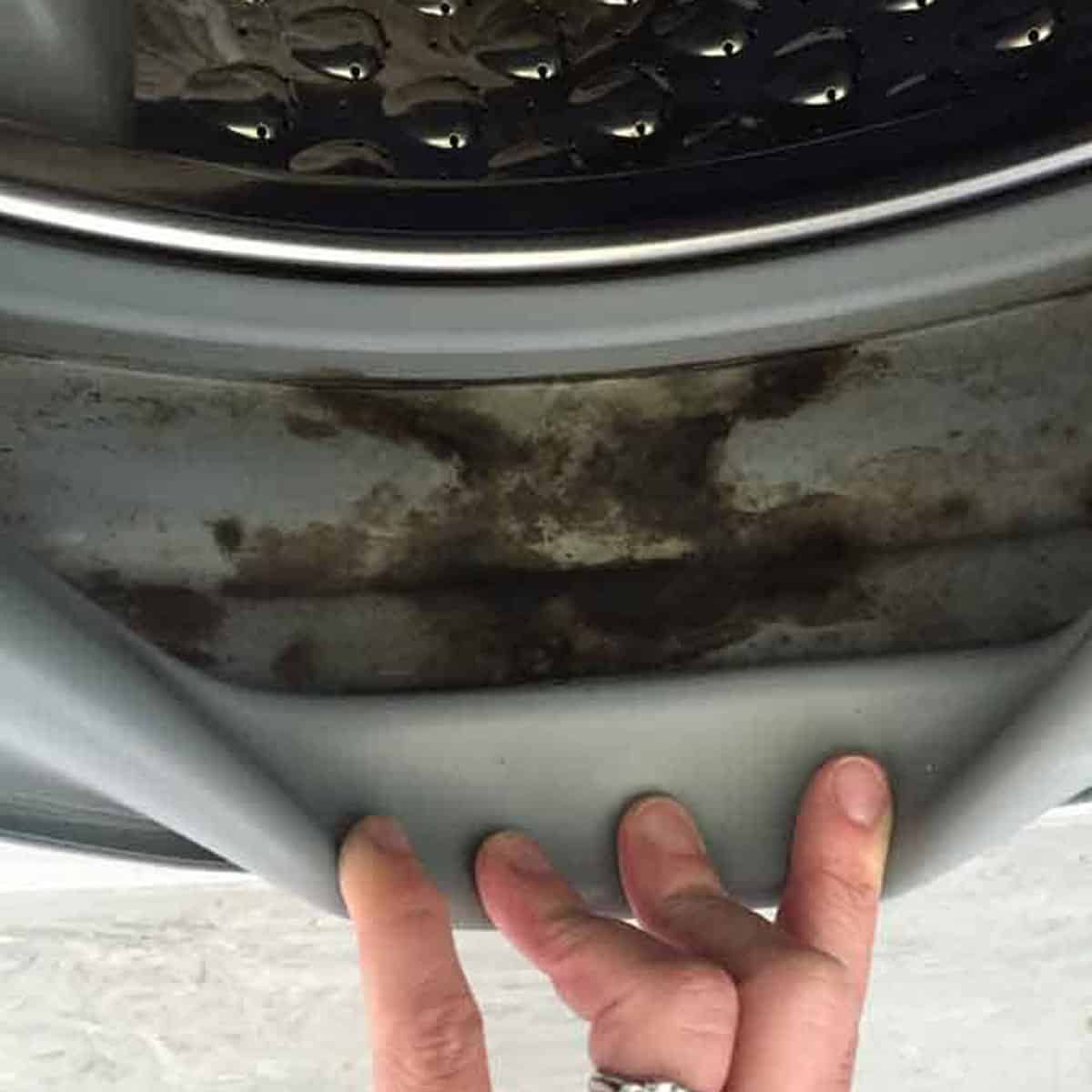
This is the single most neglected part of any front-loader, and it’s almost always the source of that “my clean clothes smell bad” problem. The rubber door gasket — the flexible seal around the opening — has deep folds that trap water, lint, hair, and detergent residue. In a warm, dark, damp environment, that’s a mold buffet.
Pull back the folds of the gasket carefully and you’ll likely find a disturbing amount of black or pink gunk. Spray it generously with undiluted white vinegar or 3% hydrogen peroxide and let it sit for 10–15 minutes.
Then scrub with an old toothbrush or a microfiber cloth, getting deep into every fold. Wipe everything clean with a damp cloth and dry the gasket thoroughly with a clean towel.
After every single wash, I wipe the gasket dry and leave the door ajar. It takes ten seconds and prevents 90% of the gasket mold problem. For top-loaders, this section doesn’t apply — your equivalent trouble spot is the underside of the lid and the rim of the tub, which you can wipe with the same vinegar solution.
Remove and Scrub the Detergent Drawer
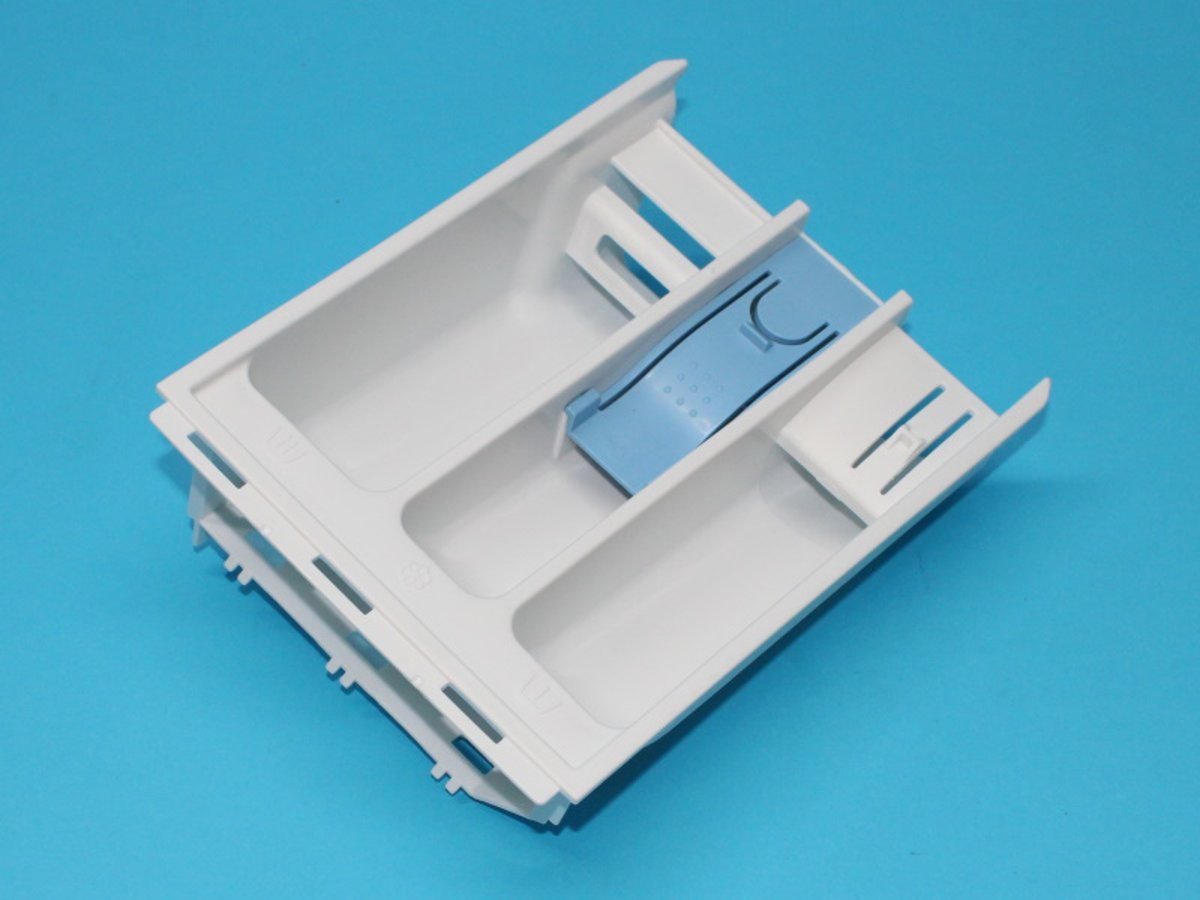
The detergent dispenser drawer is another mold hotspot that people forget about. Fabric softener, in particular, leaves a sticky, slimy residue that builds up inside the compartment and the housing behind it. If you pull out your drawer and see pink or black buildup, that’s bacteria and mold thriving on leftover soap.
Most washing machine drawers have a release tab or button — check your manual if it’s not obvious — that lets you slide the entire drawer out. Soak it in a sink of hot water with half a cup of white vinegar for 20–30 minutes, then scrub every crevice with an old toothbrush. While the drawer soaks, spray the empty housing (the cavity the drawer slides into) with vinegar and wipe it out with a cloth, reaching as far back as you can.
Rinse the drawer, dry it, and slide it back in. I do this once a month and it takes maybe ten minutes total. If your drawer has a separate fabric softener cup that lifts out, pop that off too — it’s usually the worst offender.
Clear the Drain Pump Filter
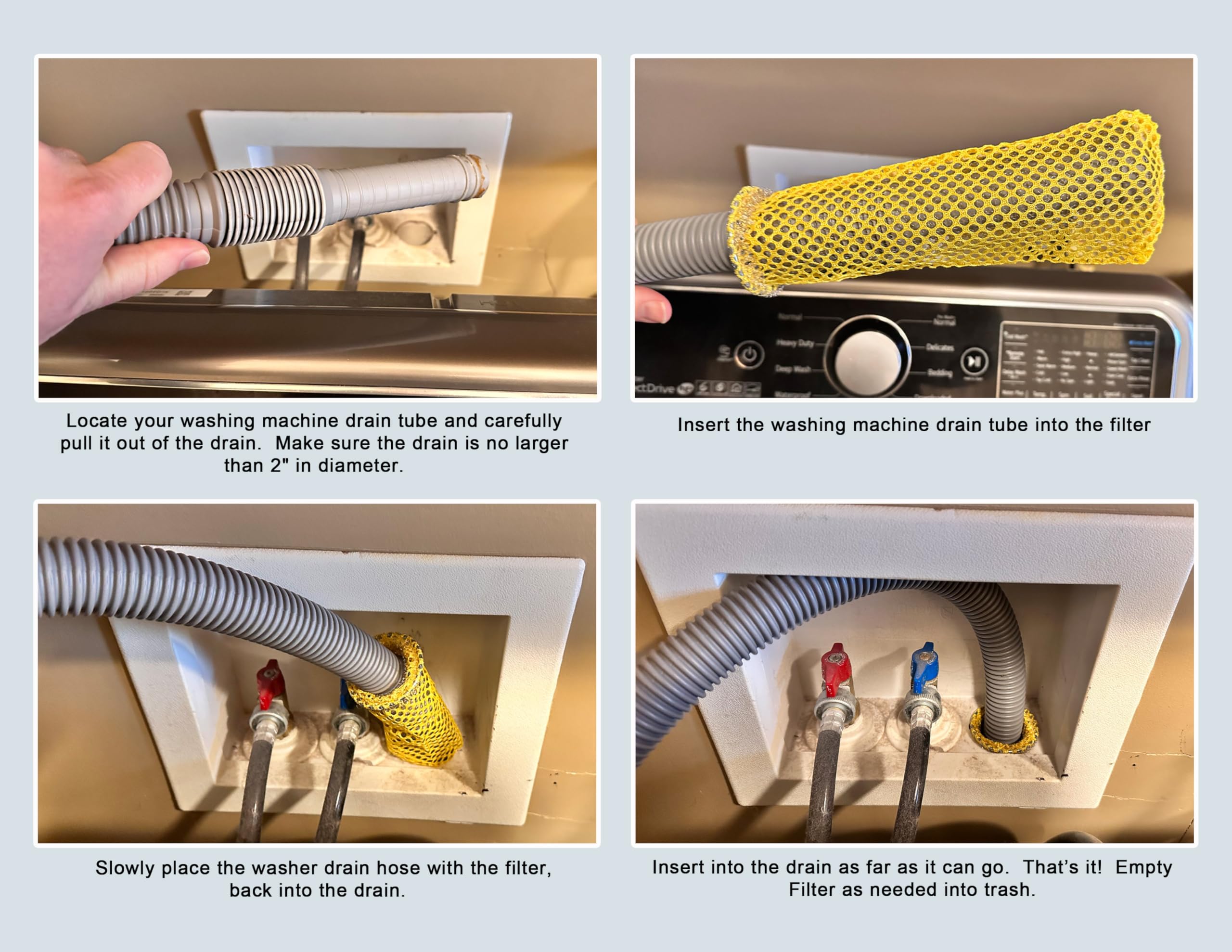
Most front-loaders have a drain pump filter (sometimes called a coin trap) behind a small access panel on the bottom front of the machine. This filter catches lint, coins, hair ties, and other debris before it reaches the pump — and over time, it clogs.
A clogged filter causes poor drainage, bad smells, and error codes. If your machine has ever given you an “ND” (no drain) error, this is the first place to check.
Place a shallow pan or towel beneath the access panel — water will come out when you open it, sometimes a lot. Twist the filter cap counterclockwise and slowly remove it.
Clean out any debris, rinse the filter under running water, and wipe the filter housing with a damp cloth. Some people find disturbing things in here — I once pulled out a baby sock, a bobby pin, and what I’m fairly sure was a small army of pet hair forming a new species.
Check your manual for the exact location and instructions, since it varies by brand. Top-loaders may have a lint filter near the agitator or under the rim instead — those typically just pull out and can be rinsed under the tap.
Wipe Down the Exterior and Lint Trap
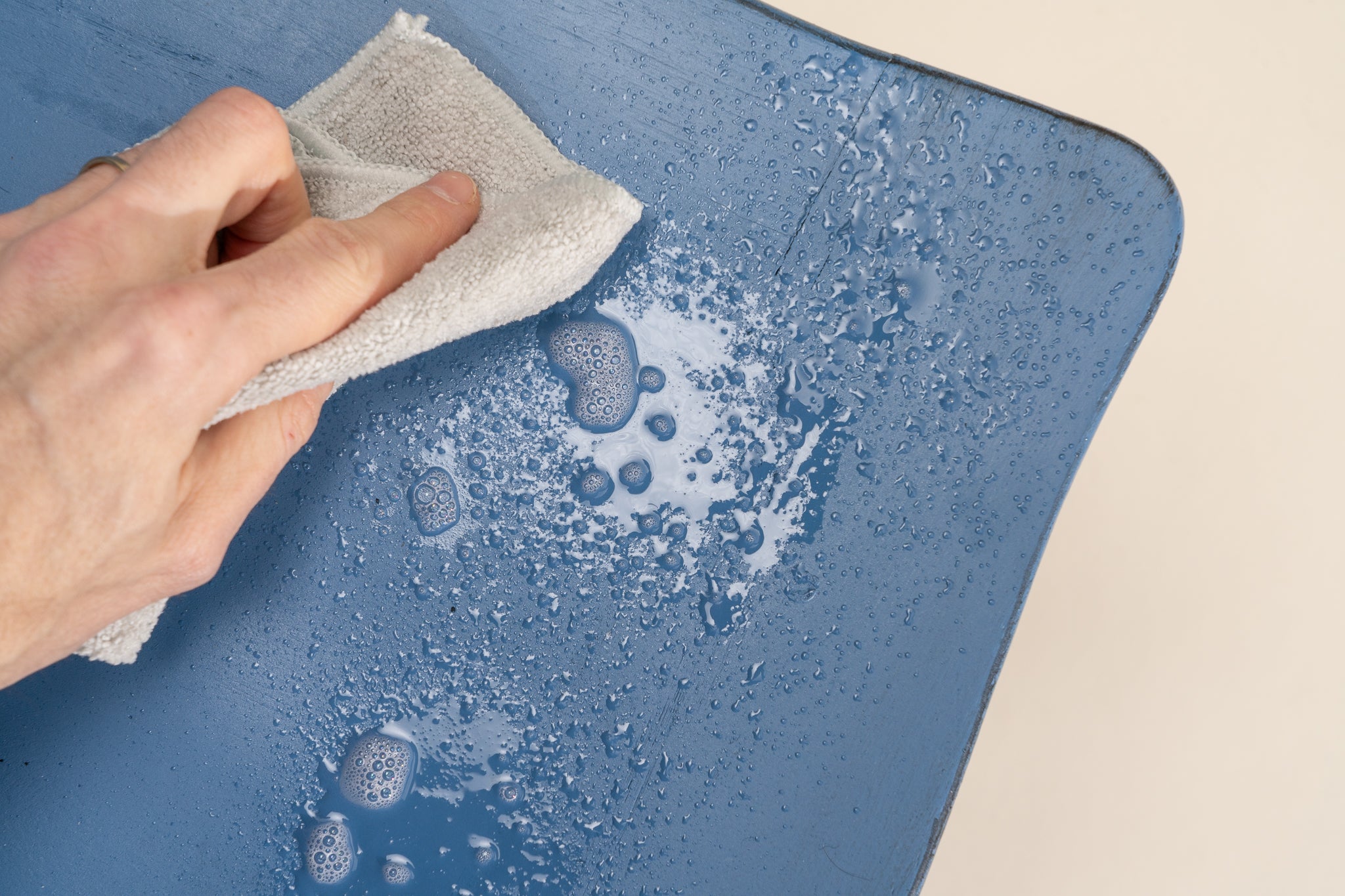
While you’re deep-cleaning the inside, don’t skip the outside. The top, sides, and control panel of your washing machine accumulate dust, detergent drips, and lint that make the whole appliance look dingy. More importantly, if you have a top-loader, the lint trap or lint filter along the top rim of the tub collects fibers that can redeposit on your clothes if you don’t clean it regularly.
Wipe down the entire exterior with a damp microfiber cloth and a spray of equal parts white vinegar and water. For stuck-on grime, make a paste of baking soda and water, apply it, let it sit for five minutes, and wipe clean. Clean the lint trap by pulling it out (on top-loaders) or wiping the filter screen area (on front-loaders that have an accessible one).
This is the easiest part of the whole process and takes less than five minutes, but it makes the machine look and feel cared for — which, honestly, makes you more likely to keep up with the interior cleaning too.
Leave the Door Open Between Loads
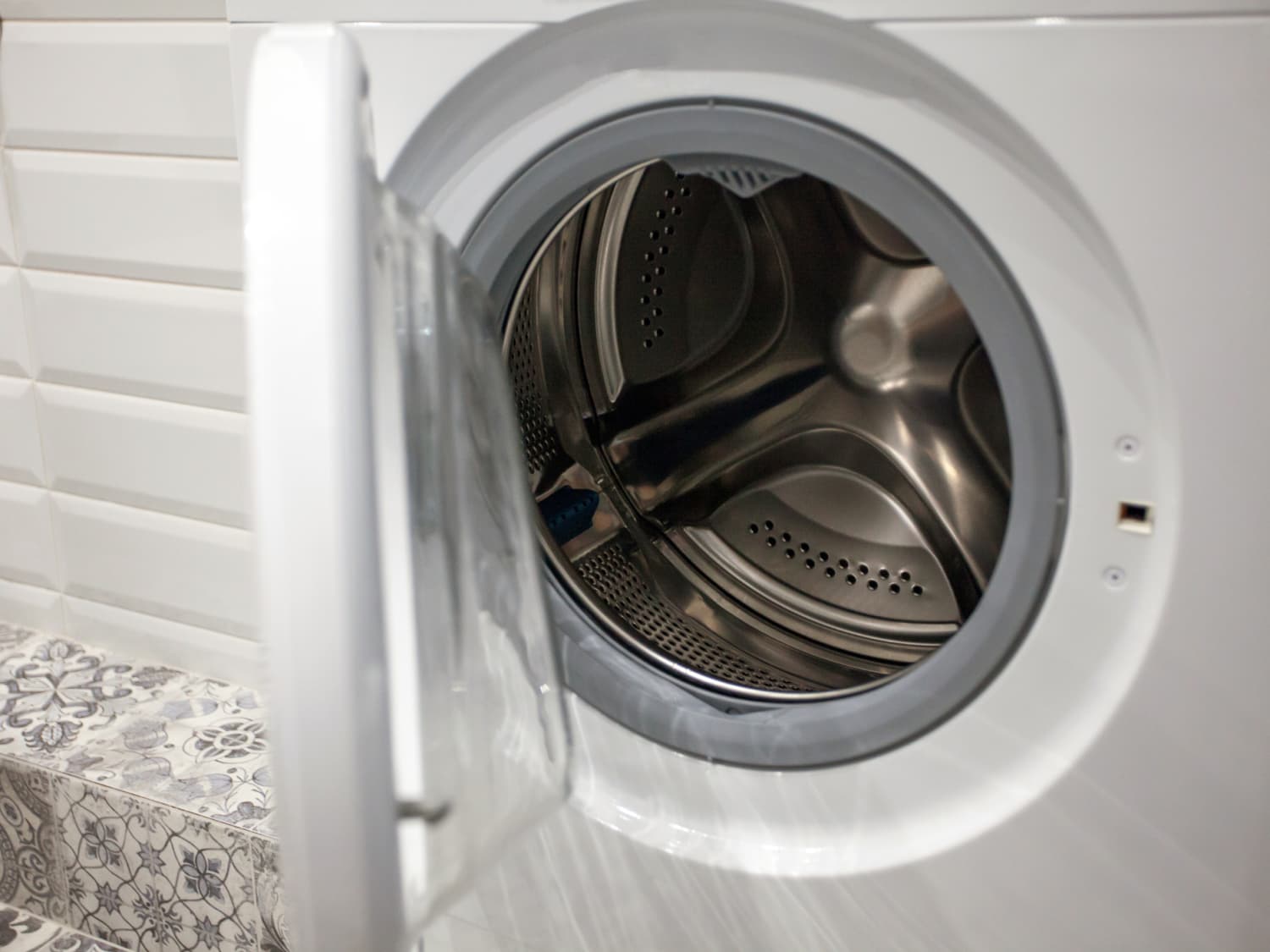
This isn’t technically a cleaning method, but it’s the single most effective maintenance habit for preventing mold and odor in the first place. When you close the door immediately after a load, you trap moisture inside the drum and gasket — creating the exact conditions mold and mildew need to colonize.
After your last load of the day, wipe the gasket dry with a towel and leave the door open (just an inch or two is enough) so air can circulate and the interior can dry out completely. If you have kids or pets and can’t leave the door wide open, there are inexpensive washing machine door prop clips that hold it slightly ajar. For top-loaders, leave the lid up.
I started doing this three years ago and I haven’t had to do a heavy-duty mold treatment since. The vinegar and baking soda cleanings still happen on schedule, but they’re quick and easy now instead of battling a full-blown mildew situation. Prevention is always easier than remediation.
FAQ
How often should I clean my washing machine naturally?
Once a month is the sweet spot for most households. Run a hot vinegar or baking soda cycle monthly, and do a full deep clean (including the gasket, drawer, and filter) every three to six months. If you have hard water, add a citric acid descaling every few months as well.
Can I use vinegar and baking soda together in the washing machine?
Yes, but not in the same cycle — they neutralize each other when combined directly, which reduces their individual cleaning power. Use vinegar one cycle and baking soda the next, or run them back to back (vinegar cycle first to dissolve buildup, then a baking soda cycle to deodorize and freshen).
Is it safe to clean my washing machine with natural ingredients?
Absolutely. White vinegar, baking soda, citric acid, hydrogen peroxide, and borax are all safe for stainless steel drums, porcelain tubs, and rubber seals when used as directed. The one caution: never mix vinegar and hydrogen peroxide in the same cycle, as the combination produces peracetic acid, which can irritate skin and lungs.
Why does my front-load washer still smell after cleaning?
The gasket is almost always the culprit. Pull back the folds of the rubber door seal and inspect deep inside — mold can hide in the inner folds where your cleaning cycle doesn’t reach.
Spray with hydrogen peroxide, scrub with a toothbrush, and wipe dry. After that, start leaving the door open between loads and wiping the gasket dry after each wash.
Keeping your washing machine clean doesn’t require expensive tablets or harsh chemicals — your pantry probably has everything you need right now. Set a monthly reminder, pick a method (or rotate through a few), and your machine will stay fresh, efficient, and odor-free. Your clothes will thank you.
Leave a Reply