
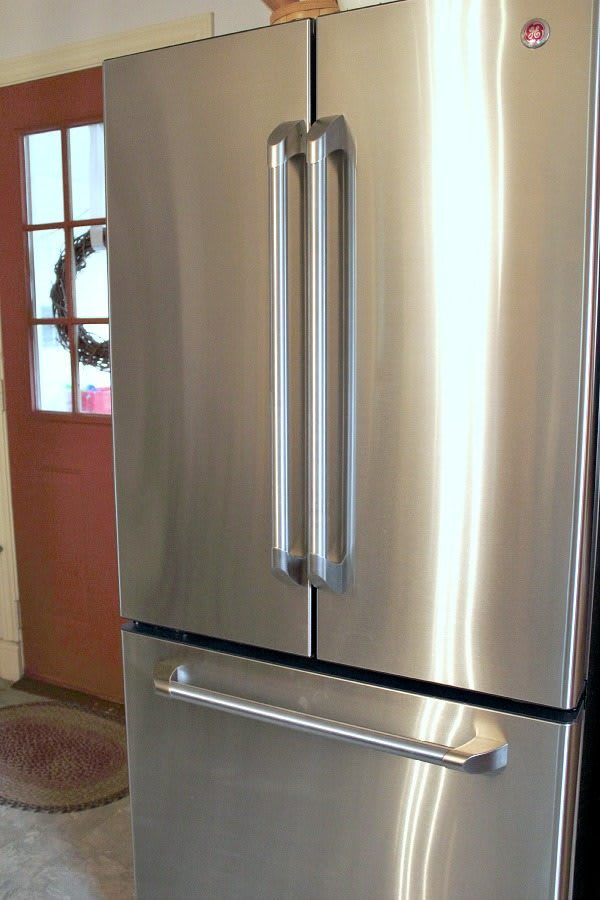
Stainless steel keeps its sleek appearance longer when cleaned with fast methods that lift fingerprints, water marks, and light grease in minutes rather than hours. These approaches rely on common household items or targeted products that work on sinks, appliances, and fixtures without leaving streaks or requiring heavy scrubbing.
Vinegar Spray Technique
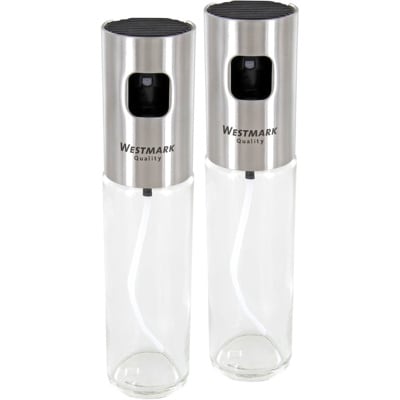
White vinegar cuts through mineral deposits and light oils quickly because its acidity dissolves the bonds holding spots to the metal. Mix equal parts vinegar and water in a spray bottle, mist the surface, and wipe immediately with a microfiber cloth in the direction of the grain. This method works especially well on vertical panels where drips would otherwise leave new marks.
A second pass with a dry cloth removes any remaining moisture that could cause spotting later. Users often notice the surface feels smoother after this treatment because vinegar also neutralizes alkaline residues from tap water. Keep the solution in a labeled bottle near the sink for daily touch-ups that take under two minutes.
Baking Soda and Water Paste
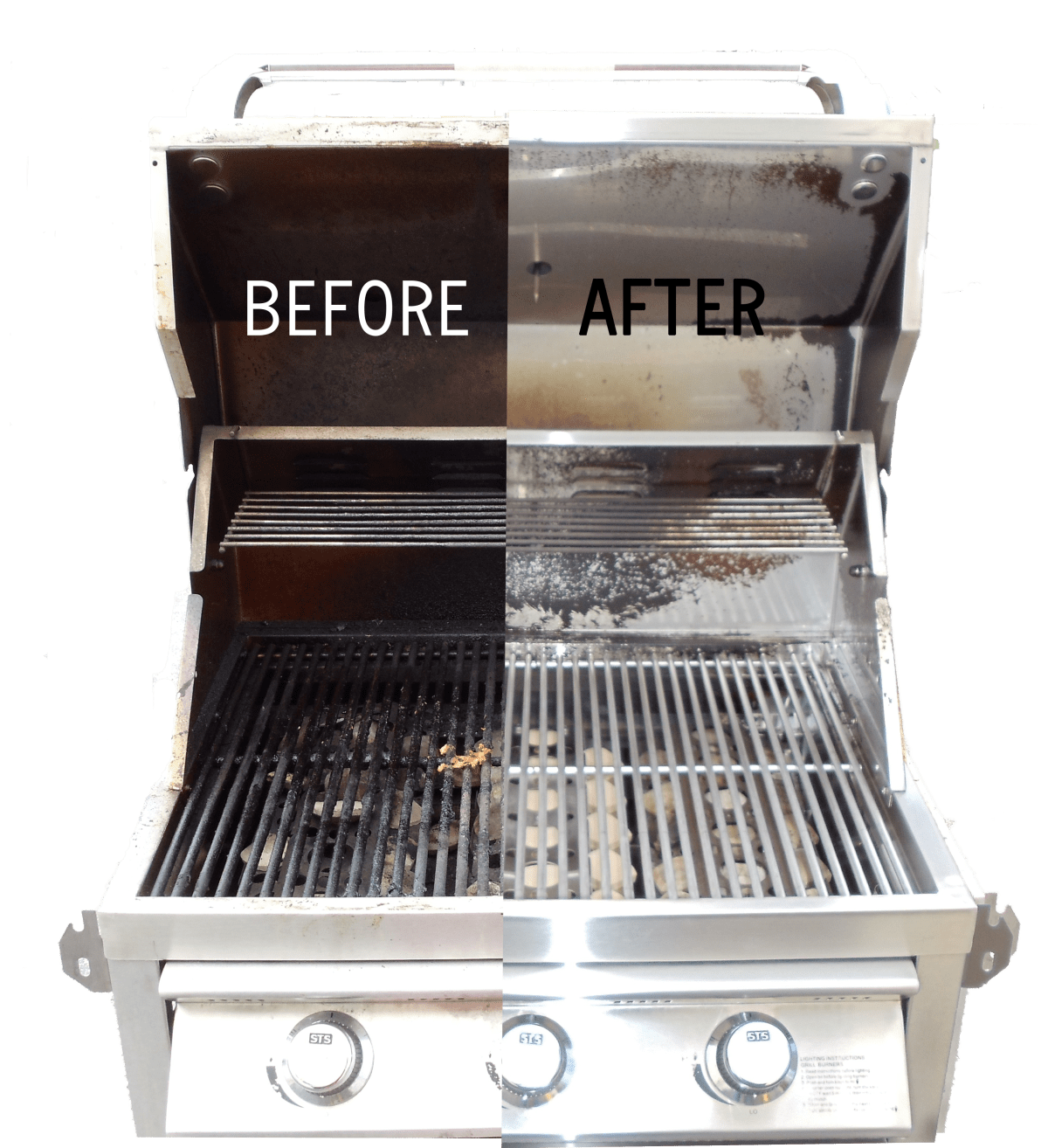
Baking soda forms a mild abrasive that lifts stuck-on residue without scratching when mixed into a thick paste with just enough water. Apply the paste to a damp cloth, rub gently along the grain, then rinse with a clean wet cloth. The process removes cooked-on splatters from range hoods and refrigerator doors faster than soap alone.
Rinsing thoroughly prevents any white residue from drying on the surface. Many people keep a small jar of pre-mixed paste under the sink for quick access during meal prep cleanup. The same paste also works on brushed finishes where liquid sprays might bead up instead of spreading evenly.
Mild Dish Soap Solution
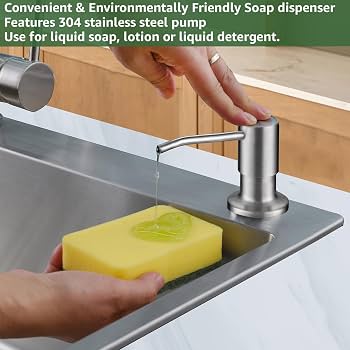
A few drops of grease-cutting dish soap in warm water create an effective daily cleaner that breaks down fingerprints and cooking oils in one pass. Dip a microfiber cloth into the solution, wring it out well, and wipe the stainless steel using straight strokes that follow the factory finish. This approach avoids the clouding that stronger detergents sometimes leave behind.
Rinse the cloth frequently in clean water to prevent redistributing loosened dirt. The method suits high-traffic areas like kitchen islands where quick resets between meals matter most. A final wipe with a dry cloth brings out the natural reflectivity without extra products.
Fresh Lemon Rub

Lemon juice supplies natural citric acid that dissolves water spots and leaves a faint fresh scent. Cut a lemon in half, rub the cut side directly over the surface in the direction of the grain, then wipe away the juice with a damp cloth. The oils in the rind add a light protective layer that helps repel new fingerprints for a day or two.
This technique works best on smaller areas such as faucets and handles where full sprays feel excessive. Always test on an inconspicuous spot first if the stainless steel has any protective coating. Dry the area completely to prevent new mineral deposits from forming as the juice evaporates.
Olive Oil Finish
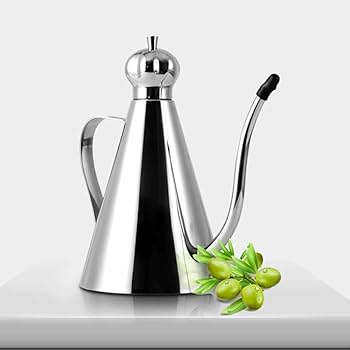
A tiny amount of olive oil restores shine and creates a barrier against future smudges after cleaning. Place three drops on a clean cloth and buff the surface using long, even strokes that match the grain direction. Excess oil wiped away immediately prevents a greasy feel while still delivering the desired luster.
The oil layer lasts longer on horizontal surfaces like countertops than on vertical doors because gravity does not pull it downward as quickly. This step pairs well after any of the liquid-based methods above to lock in the clean look. Keep a dedicated cloth for oiling so kitchen towels stay free of residue.
Club Soda Rinse
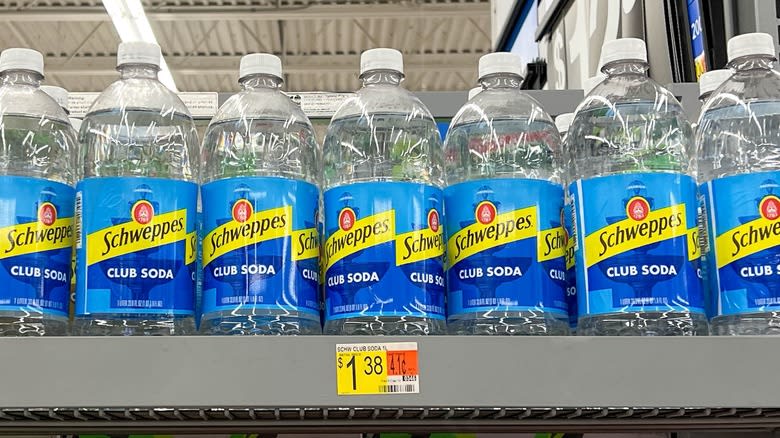
Club soda’s carbonation lifts light mineral films without leaving behind the film sometimes caused by tap water. Pour club soda onto a cloth or directly onto the surface, wipe in straight lines, and dry with a separate towel. The bubbles help dislodge particles trapped in the microscopic grooves of brushed stainless steel.
This option shines for final rinses after heavier cleaning because it evaporates cleanly. Store small bottles in the refrigerator so the liquid stays cold and reacts more vigorously on contact. Many users report fewer water spots when switching from plain water to club soda for this last step.
Commercial Stainless Steel Cleaner
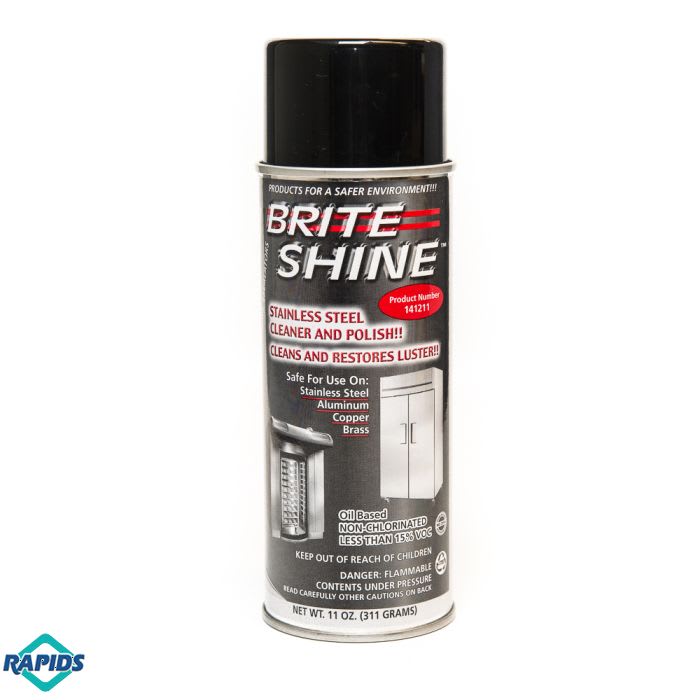
Specialized cleaners formulated for stainless steel combine solvents and polishing agents that deliver fast results on neglected surfaces. Spray a light mist, spread with a microfiber cloth, and buff dry following the grain. These products often include protective silicones that extend the time between cleanings.
Test any new commercial product on a hidden edge first because some formulas can react with certain stainless steel alloys and create temporary discoloration. A single application usually restores appliances that have developed a dull cast from hard water exposure. Store the can upright in a cool cabinet to maintain spray consistency over multiple uses.
FAQ
How often should stainless steel be cleaned to prevent buildup?
Most kitchen surfaces benefit from a quick wipe every other day using one of the faster methods above. Heavier use areas like range hoods may need attention three times a week to stop grease from hardening. Consistent light cleaning prevents the need for deeper scrubbing sessions later.
Can these methods be used on outdoor stainless steel grills?
Yes, the vinegar spray and dish soap approaches work well on outdoor units once the grill has cooled completely. Avoid olive oil on exterior panels exposed to direct sun because heat can turn the oil sticky. Always rinse outdoor surfaces with fresh water after cleaning to remove any salt air residue.
What cloth works best for avoiding streaks on stainless steel?
Microfiber cloths designed for glass or electronics pick up residue without depositing lint. Wash these cloths separately from towels that contain fabric softener because softener reduces their ability to absorb. Keep several dedicated cloths so one stays dry for final buffing.
Does the direction of wiping really matter on stainless steel?
Wiping against the grain can create visible micro-scratches that catch light and look dull over time. Always move the cloth parallel to the existing lines in the metal finish. This habit keeps the surface looking uniform even after repeated cleanings.
Stainless steel responds best to consistent short cleaning sessions that match the finish direction and use the right product for the soil level present.
Leave a Reply