
Soap scum is that cloudy, chalky film that builds up on glass shower doors when hard water minerals mix with the fatty acids in bar soap. Over time, it turns into a stubborn, almost waxy layer that regular glass cleaner can’t touch.
The good news: you don’t need expensive specialty products to get your doors sparkling again. Most of the methods below use stuff you already have under the kitchen sink, and none of them take more than a few minutes of active work — though a couple do ask you to wait while the cleaner does its thing.
Here’s what actually works, tested on real shower doors in real bathrooms.
White Vinegar Spray
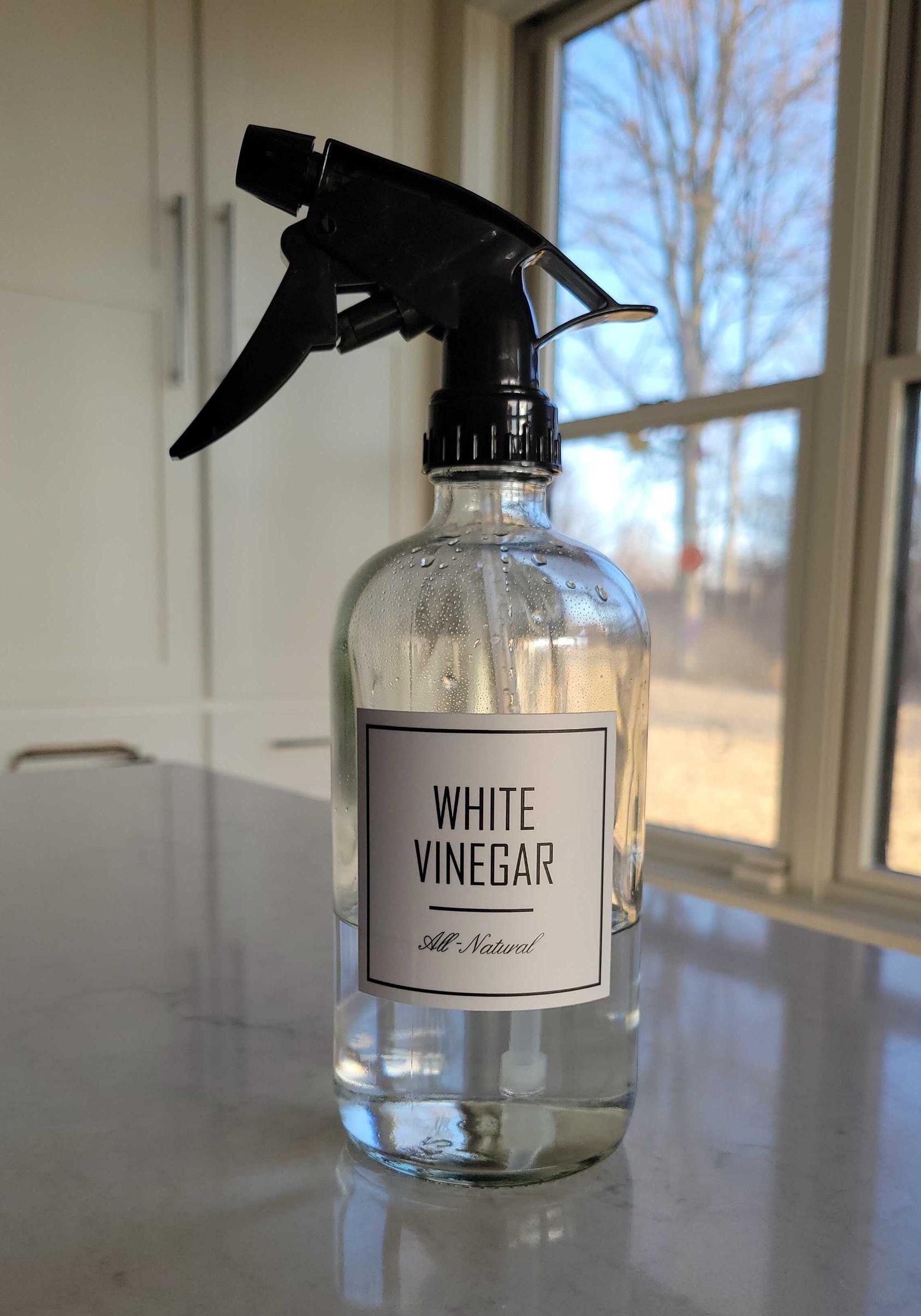
Distilled white vinegar is acidic enough to dissolve the mineral deposits in soap scum, and it’s cheap enough that you can use it liberally without wincing. Fill a spray bottle with undiluted white vinegar, spray it generously onto the glass, and let it sit for 10 to 15 minutes.
The acid needs that contact time to break down the film. Then scrub with a non-scratch sponge or microfiber cloth and rinse with warm water.
For heavy buildup, you might need to repeat the process once or twice. The main downside is the smell — it’s strong, but it dissipates quickly once the vinegar dries and you rinse.
Make sure your bathroom is ventilated while you work.
Baking Soda Paste
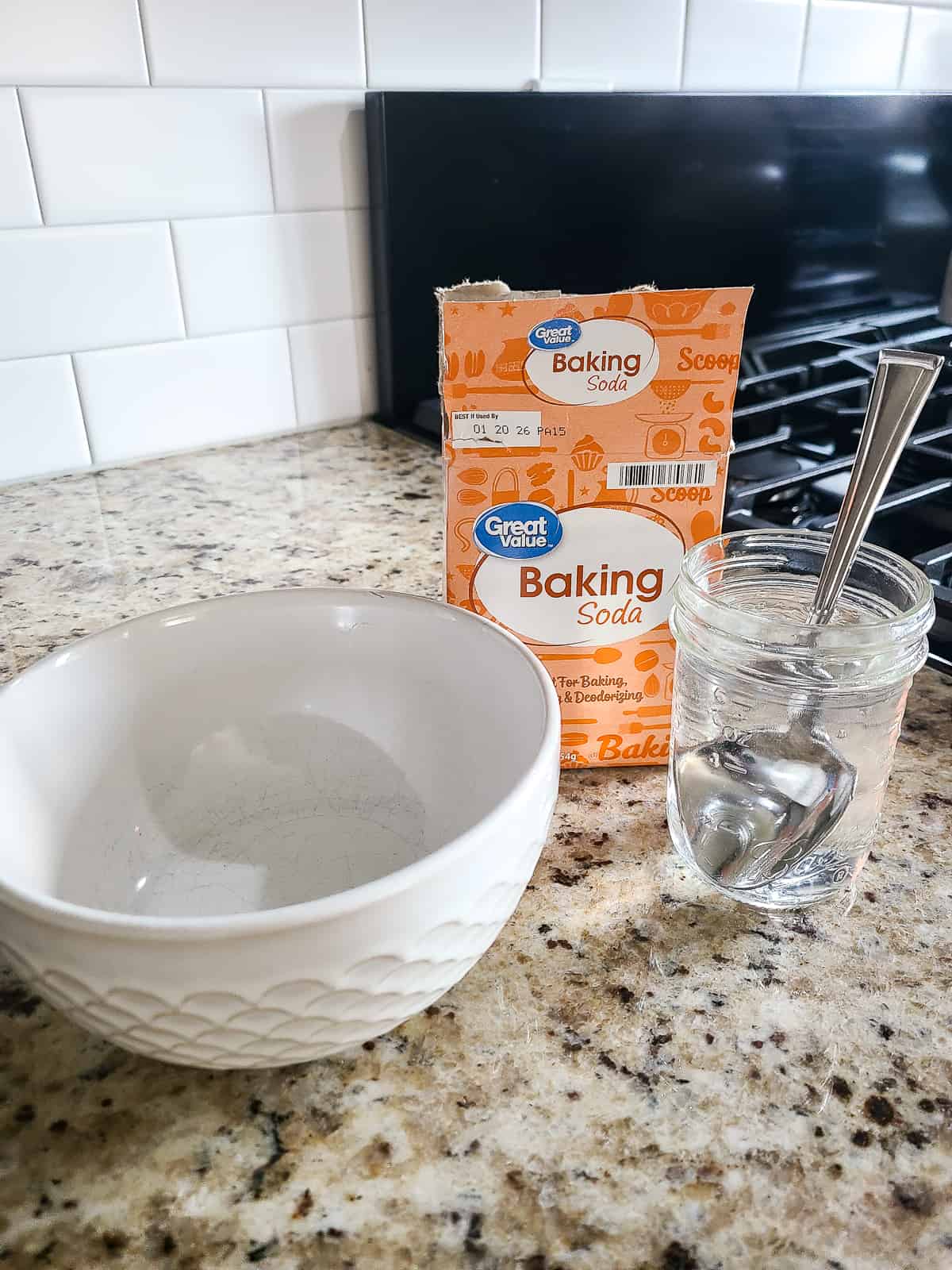
When soap scum has gone beyond “cloudy” and into “I can barely see through this” territory, baking soda’s gentle abrasiveness is your friend. Mix about three parts baking soda with one part water in a small bowl until you get a thick paste — roughly the consistency of toothpaste.
Smear it onto the glass with a sponge or cloth, working in small circular motions. You’ll feel the texture doing the scrubbing for you without scratching the glass.
Let it sit for five minutes, then scrub again and rinse clean. This method pairs especially well with a vinegar spray underneath: the fizzing reaction between the two actually helps lift grime from textured or etched glass surfaces.
Dish Soap and Vinegar Combination
This is the method I come back to most often because it handles both greasy soap residue and mineral deposits at the same time. Heat one cup of white vinegar in the microwave for about 60 seconds — warm, not boiling — then pour it into a spray bottle.
Add one cup of blue Dawn dish soap (the original formula works best) and gently swirl to combine without creating too many suds. Spray the mixture onto your shower door, let it sit for 15 to 30 minutes, then wipe and rinse.
The dish soap cuts through the oily component of soap scum while the warm vinegar dissolves the hard water minerals. It’s genuinely satisfying to watch the film slide off.
Lemon Juice
If the vinegar smell is a dealbreaker for you, lemon juice works on the same acidic principle with a far more pleasant scent. Cut two or three lemons in half and squeeze the juice into a spray bottle, or simply rub the cut halves directly onto the glass.
For extra oomph, sprinkle coarse salt onto the lemon halves before scrubbing — the salt adds grit without damaging the surface. Let the juice sit for about ten minutes, scrub, and rinse thoroughly.
The downside is that you’ll need more lemons than you think to cover a full shower door, and it’s more expensive than a jug of vinegar. But for a quick cleanup of light soap scum, the smell alone makes it worth considering.
Magic Eraser
Melamine foam sponges — sold as Mr. Clean Magic Erasers and generic equivalents — work through micro-abrasion, essentially acting like extremely fine sandpaper. Wet the sponge, squeeze out the excess water, and wipe the glass in steady, overlapping strokes.
You’ll see the soap scum start to disappear almost immediately. This is the fastest method for light to moderate buildup, and it requires no waiting time at all.
However, the sponge wears down as you use it, so have a few on hand for a full door. Avoid pressing too hard on any decorative film, tinting, or etching on the glass, as the abrasion can damage those finishes over time.
Commercial Soap Scum Remover
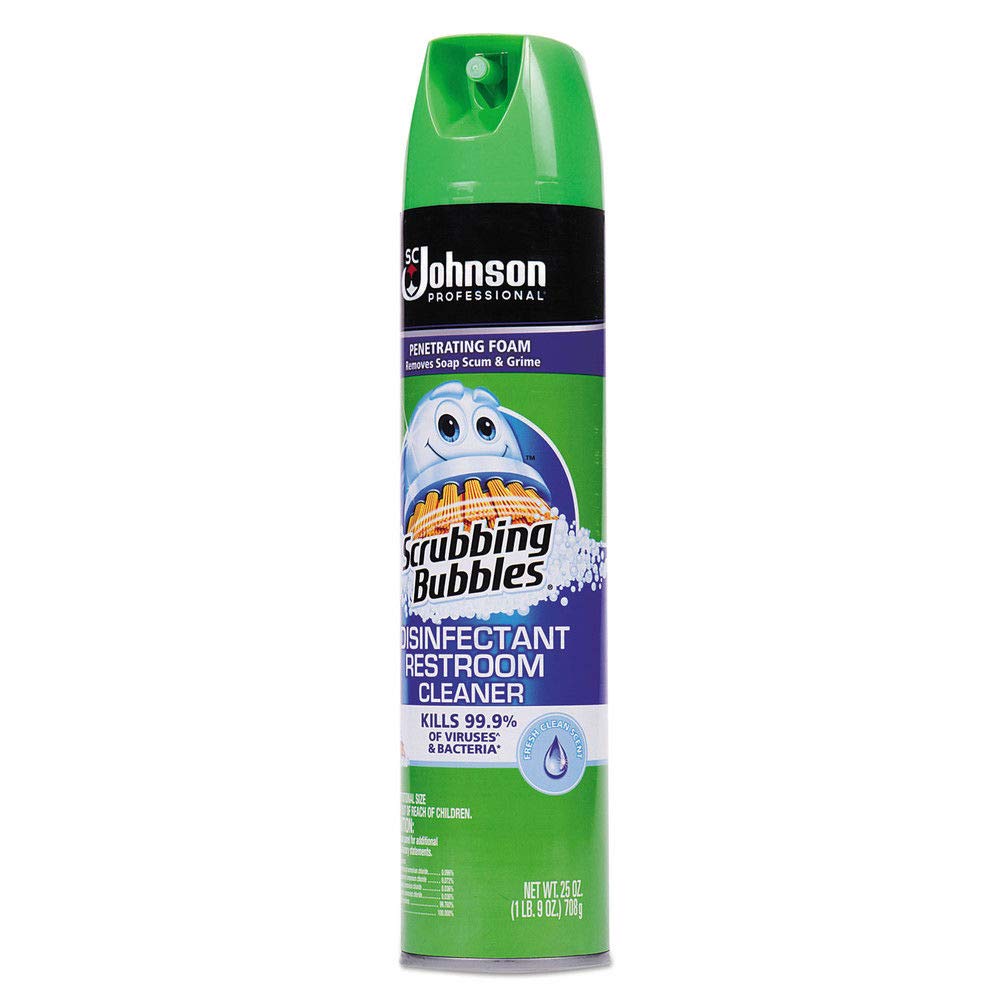
When you’d rather just spray and walk away, a purpose-built soap scum remover does the heavy lifting. Products like Scrubbing Bubbles Mega Shower Foamer, Kaboom Foam-Tastic, or Bio-Clean Hard Water Stain Remover are formulated to cling to vertical glass and dissolve buildup on contact.
Spray according to the label — most ask for a 3 to 5 minute dwell time — then wipe with a microfiber cloth and rinse. The convenience factor is real, and these products handle moderate to heavy buildup in a single pass most of the time.
The trade-off is cost and fumes: use them with the exhaust fan running and the bathroom door open, especially in small enclosed showers.
Are commercial cleaners safe for all glass doors?
Most are safe for standard tempered glass, but if your door has any kind of specialty coating — anti-fog, water-repellent, or decorative film — check the product label first. Some acid-based cleaners can etch or dull coated surfaces over time.
Dryer Sheets
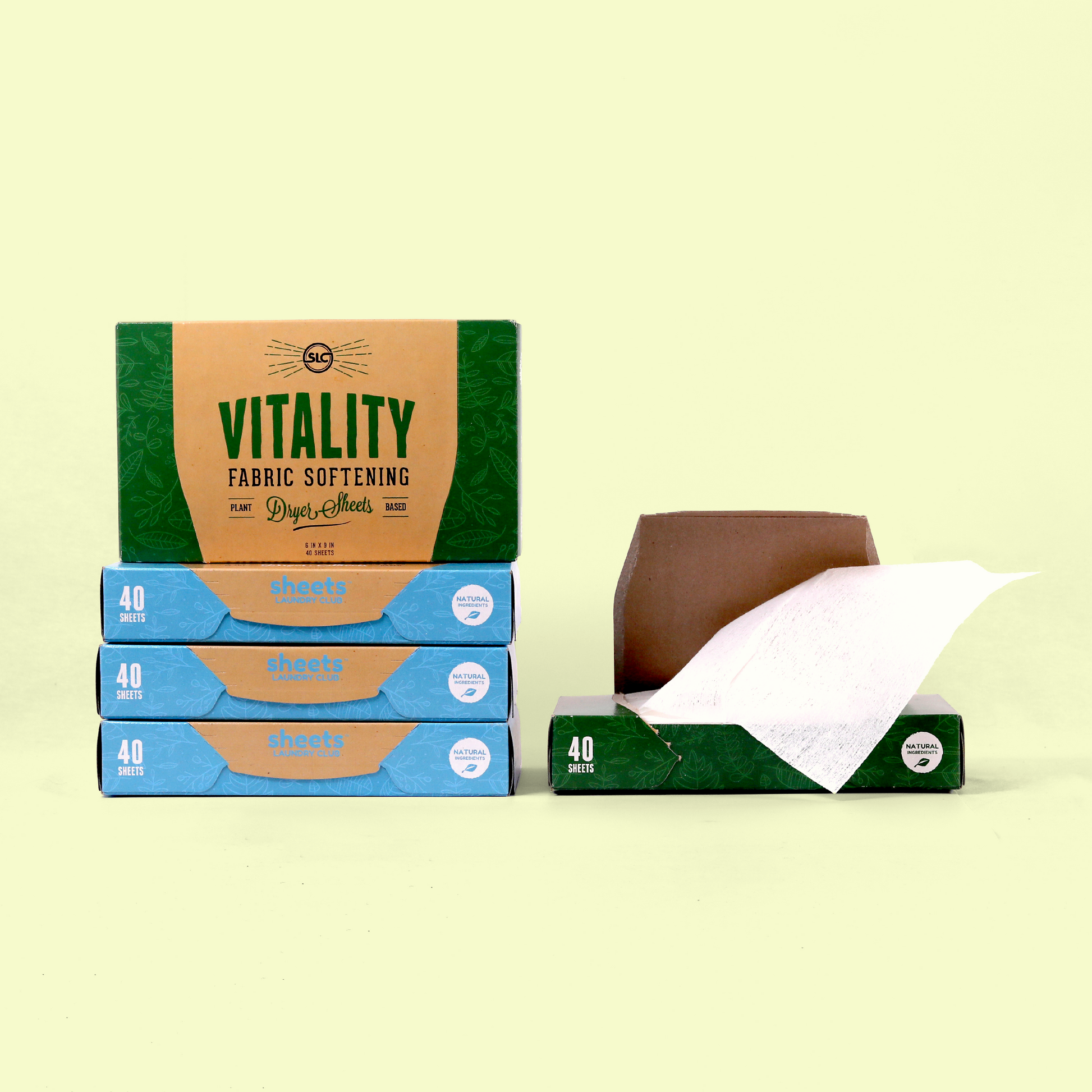
This one surprises people, but it genuinely works for light soap scum and is especially good at buffing away the last hazy residue after you’ve already cleaned the glass. Dampen a used dryer sheet (a fresh one works too, but used is perfectly fine) and wipe the glass in a circular motion.
The texture of the sheet provides mild abrasion, and the surfactants in the fabric softener help dissolve soap film. It’s not strong enough to tackle thick, neglected buildup on its own, but for maintenance cleaning or as a finishing step, it leaves the glass with a streak-free shine and a subtle fresh scent.
Keep a stash of used dryer sheets in a zip-top bag under the bathroom sink for this purpose.
Ammonia Solution
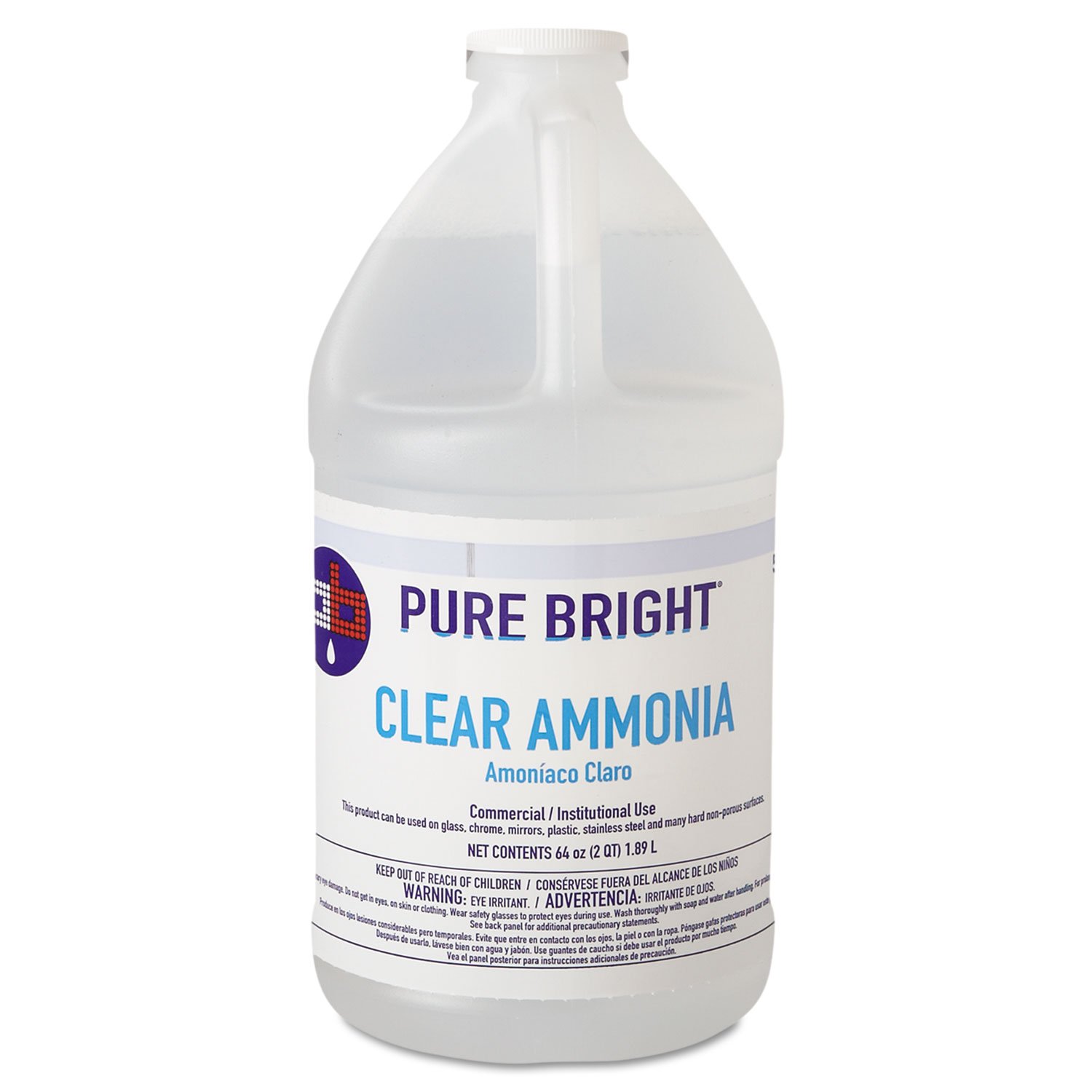
For seriously stubborn soap scum that’s been baking onto glass for months, ammonia is a step up in cleaning power. Mix one tablespoon of clear household ammonia with one quart of warm water in a spray bottle.
Spray the glass, let it sit for five minutes, then scrub with a sponge and rinse thoroughly. Ammonia cuts through waxy buildup that weaker acids struggle with, and it evaporates without leaving residue.
That said, respect this stuff: wear rubber gloves, ventilate the room aggressively, and never — ever — mix ammonia with bleach or any product containing bleach. The fumes are harsh, and the chemical reaction is genuinely dangerous.
This is a once-in-a-while heavy-duty option, not your everyday spray.
Razor Blade Scraper
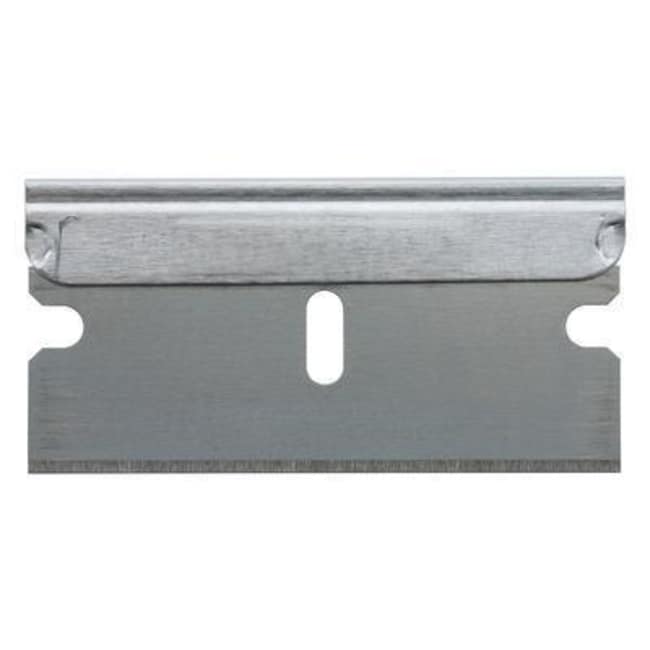
When soap scum has essentially calcified into a hard, flaky layer, no amount of wiping is going to cut it. You need to physically scrape it off.
Hold a single-edge razor blade at a 45-degree angle to the glass and push forward in smooth, even strokes, keeping the blade wet with soapy water the entire time. The scum will flake and peel away in satisfying strips.
Work slowly and steadily — rushing increases the chance of scratching. This method works beautifully on smooth, flat tempered glass, but avoid it on textured, frosted, or coated glass, where the blade can catch and cause damage.
It’s also not ideal for framed doors where the blade might nick the metal or plastic edge. Follow up with a vinegar spray or your preferred cleaner to remove the remaining haze, and squeegee the door dry when you’re done.
Prevention: Squeegee After Every Shower
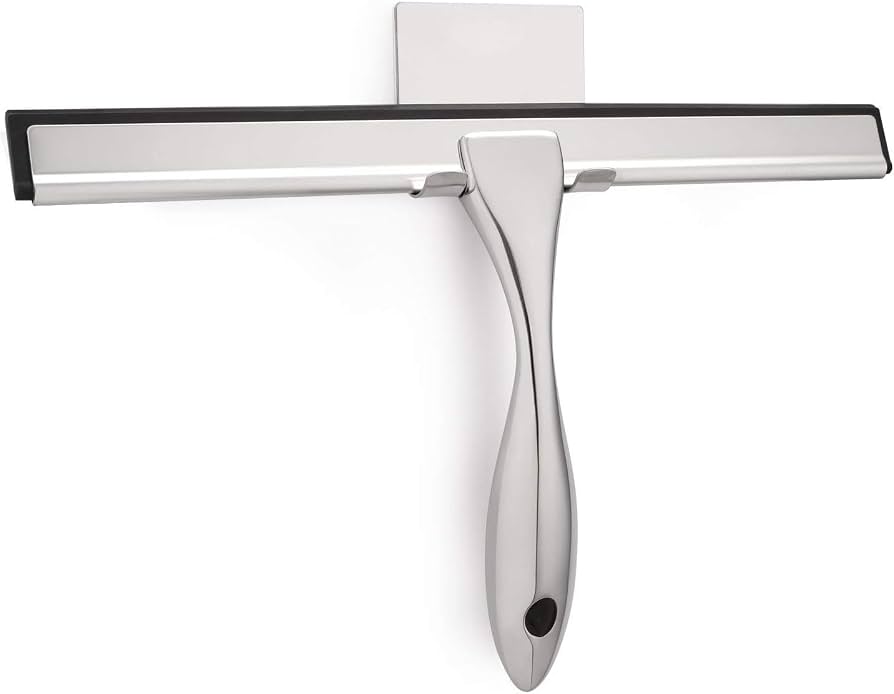
The easiest soap scum to remove is the soap scum that never forms in the first place. Keeping a squeegee in your shower and using it on the glass after every use takes about 30 seconds and cuts soap scum buildup by roughly 90 percent.
Water that sits on glass evaporates and leaves behind minerals; squeegeeing removes that water before it has a chance to dry. Mount a suction-cup hook on the inside of the door or on the wall tile so the squeegee is always within reach.
If squeegeeing every single shower feels like too much of a commitment, even doing it every other time makes a dramatic difference in how often you need to deep-clean. Some people also switch from bar soap to liquid body wash, which produces far less soap scum because it doesn’t contain the same fatty acid salts that react with hard water.
FAQ
Does vinegar damage glass shower doors?
No — distilled white vinegar is safe for standard tempered glass. It can damage specialty coatings like anti-fog or water-repellent treatments if left on too long, so check your door’s manufacturer guidelines and limit dwell time to 15 minutes if you’re unsure.
How often should I clean soap scum from my shower door?
With regular squeegeeing after use, a thorough cleaning every two to four weeks is usually enough to keep things clear. Without any prevention routine, you’ll likely need to clean weekly to avoid heavy buildup.
What’s the best way to prevent soap scum from coming back?
Squeegee the glass after every shower and switch from bar soap to a liquid body wash or gel. Bar soap is the primary source of the fatty acids that combine with hard water minerals to form soap scum — eliminating it from the equation cuts buildup dramatically.
Can I use a steam cleaner on soap scum?
Yes — a handheld steam cleaner with a concentrated nozzle tip can soften soap scum enough to wipe away without chemicals. It’s effective on moderate buildup, but heavy, calcified scum will likely still need a scrub or scrape after steaming.
Soap scum doesn’t have to be a permanent feature of your shower. Pick the method that matches your level of buildup and the supplies you already have on hand, and commit to a quick squeegee wipe-down after your showers going forward. The combination of regular maintenance cleaning and daily squeegeeing keeps your glass clear with minimal effort — and it means you’ll never have to stare through a cloudy door again wondering when things got this bad.
Leave a Reply