
Tackling bathroom mold doesn’t mean you have to resort to a cloud of harsh chemical fumes. In fact, some of the most effective solutions are probably already sitting in your pantry or under your kitchen sink.
As someone who’s battled mildew in a windowless shower for years, I’ve found that natural methods are not only safer for your lungs and surfaces, but they’re often cheaper and just as powerful. Let’s walk through the best ways to banish that fuzzy black stuff for good.
White Vinegar
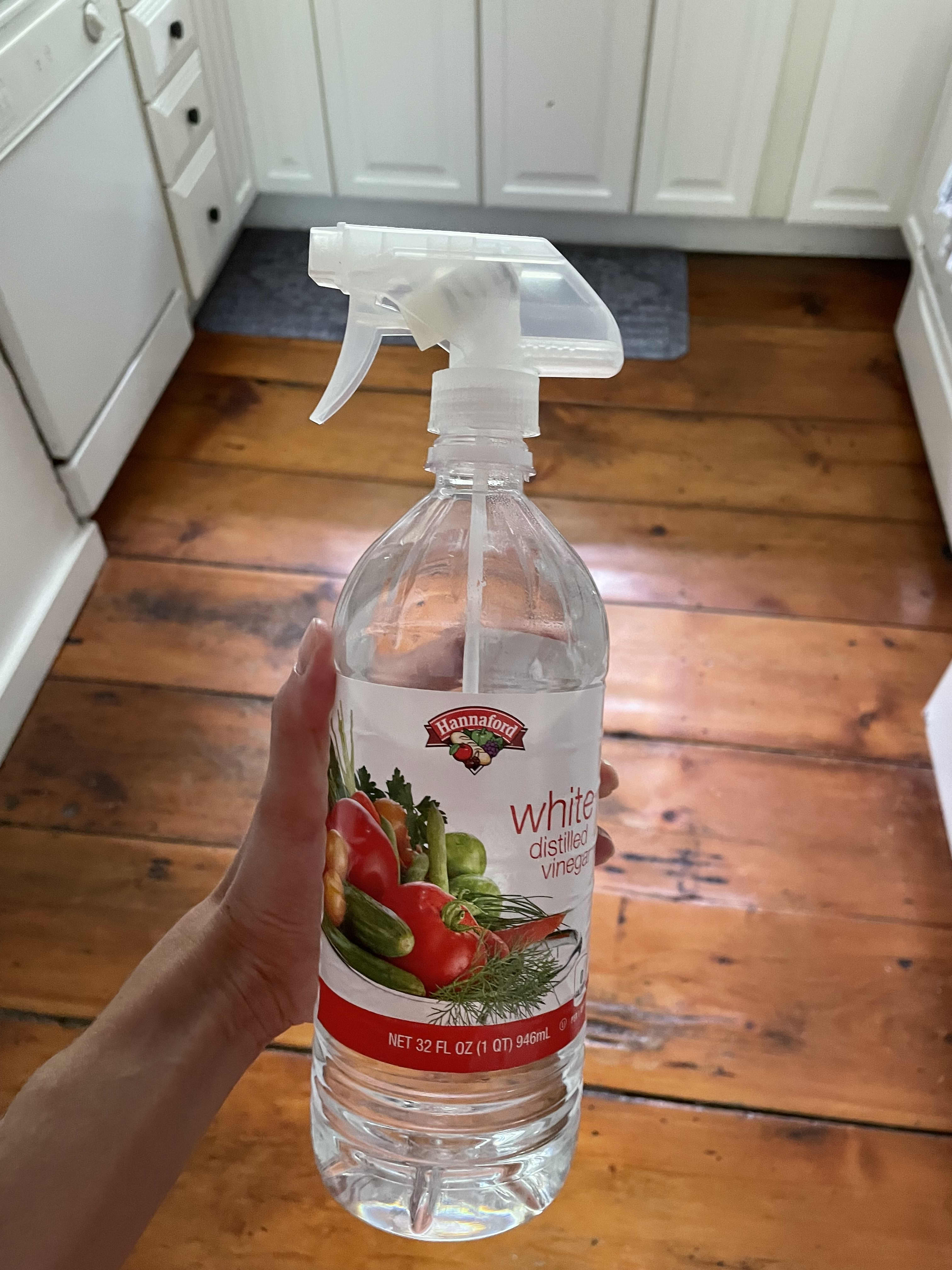
Distilled white vinegar is your first and best line of defense. Its acidic nature (about 5% acetic acid) breaks down mold’s structure and helps prevent regrowth.
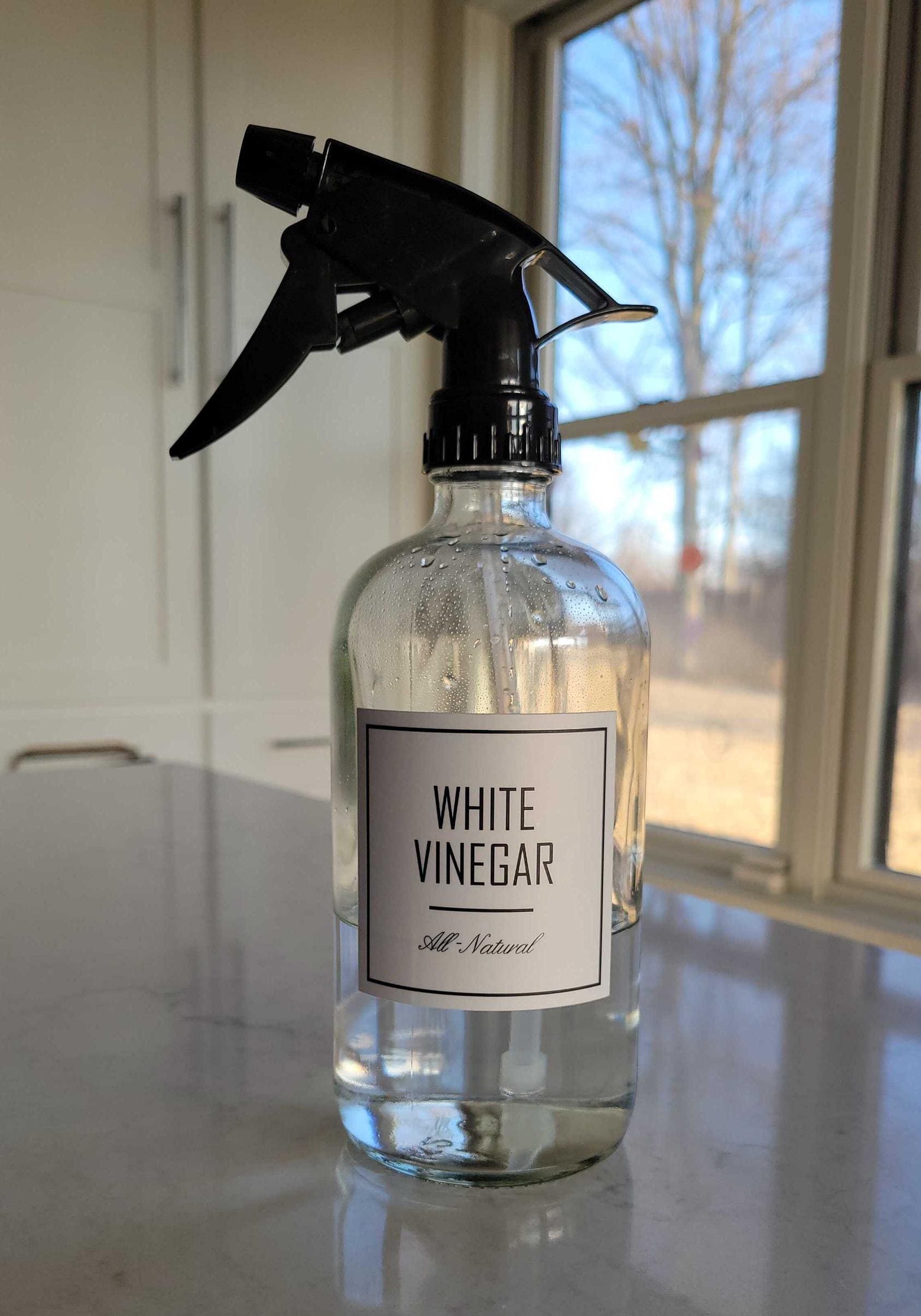
I keep a spray bottle filled with undiluted white vinegar permanently under my bathroom sink for quick weekly maintenance. Simply spray the moldy area, let it sit for at least an hour (or even overnight for stubborn spots), then scrub with an old toothbrush or a stiff-bristled brush and rinse.
The strong smell dissipates quickly once it dries, but you can add 10-20 drops of tea tree or lemon essential oil to the bottle if you prefer a different scent. Never mix vinegar with hydrogen peroxide or bleach, as this creates dangerous gases.
Baking Soda Paste
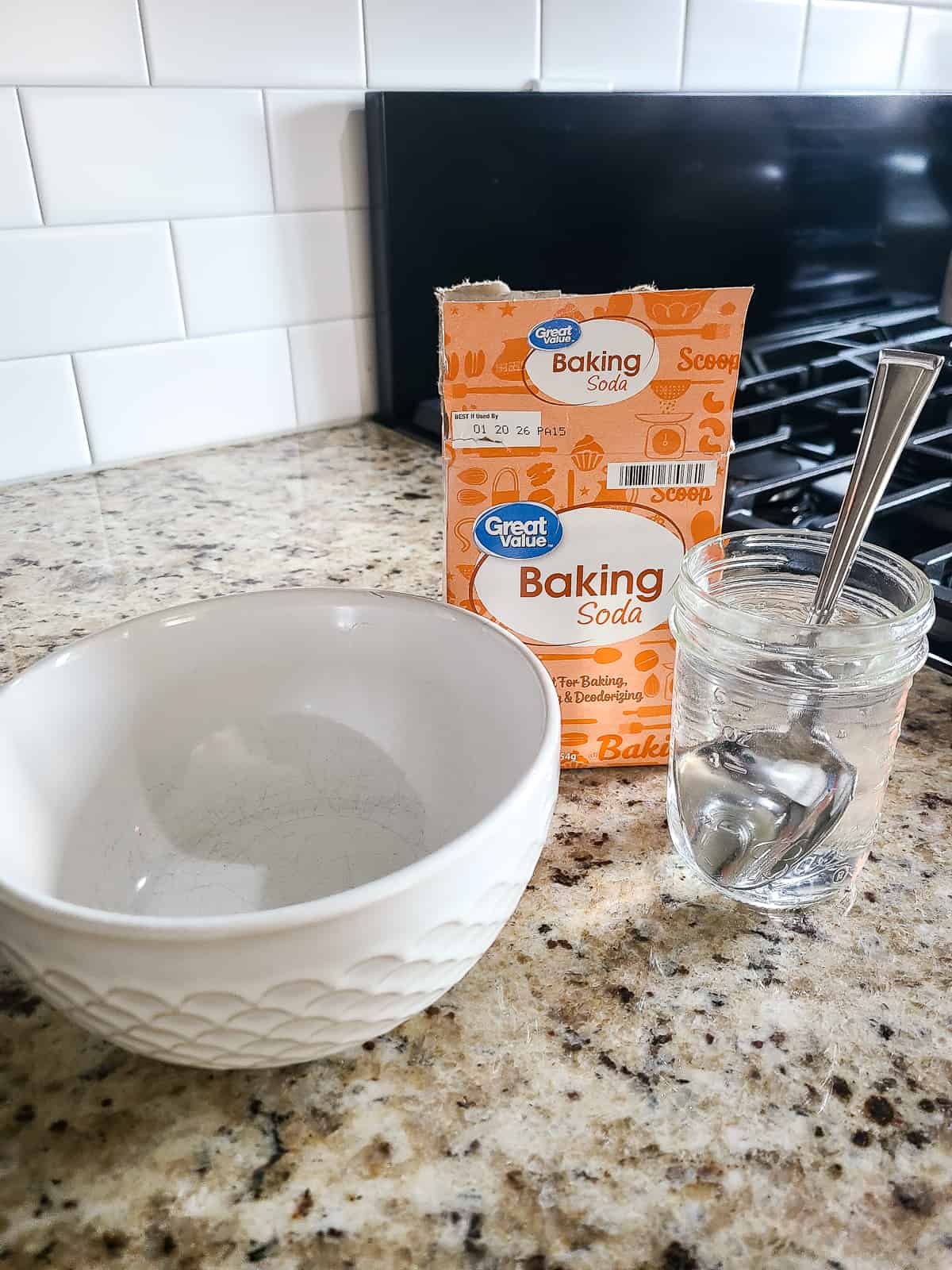
When you need a little more abrasive action, a baking soda paste is fantastic for scrubbing away mold from grout lines and textured surfaces. Baking soda (sodium bicarbonate) is a mild alkali that also deodorizes.
Mix about a quarter cup of baking soda with just enough water to form a thick, spreadable paste. Apply it directly to the moldy spots with a sponge or your fingers, let it dry completely, then scrub and rinse.
For an extra-strength boost on tile, you can spray the area with your vinegar solution after applying the paste—the fizzing reaction helps lift grime.
Hydrogen Peroxide
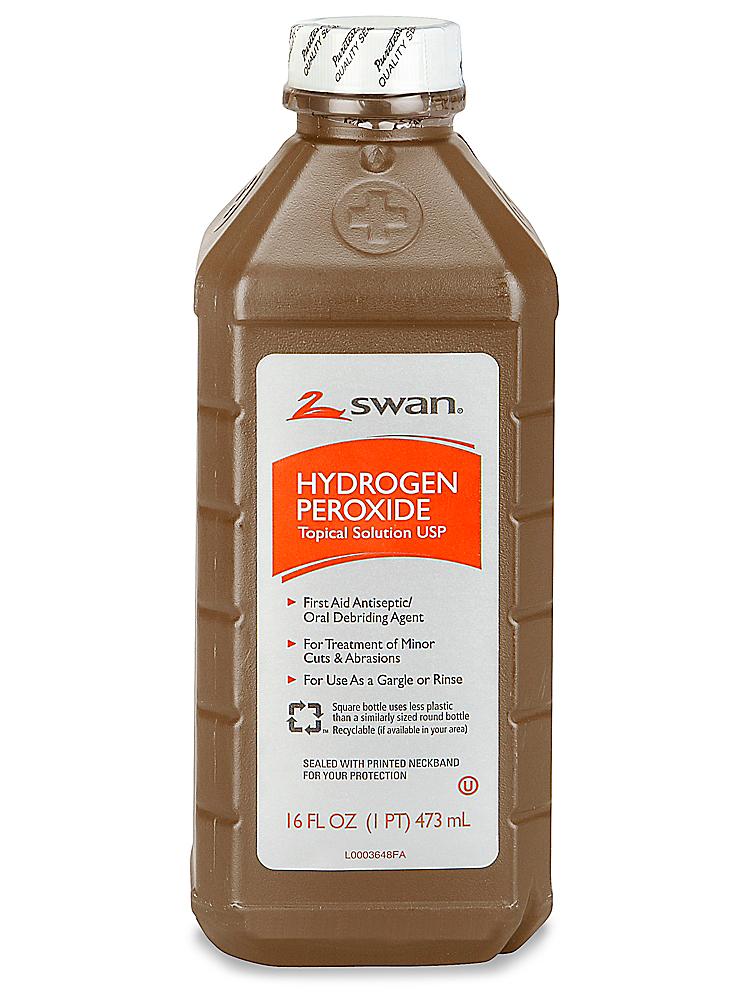
The 3% hydrogen peroxide solution from your medicine cabinet is a superb mold killer. It’s anti-fungal, anti-viral, and anti-bacterial, and it breaks down into just water and oxygen.
Pour it into a dark spray bottle (light breaks down its potency) and spray directly onto the mold. Let it sit for 10-15 minutes until it stops bubbling, then scrub the area clean and wipe it dry.
A quick word of caution: hydrogen peroxide can have a mild bleaching effect, so test it on a small, inconspicuous area of colored grout or painted surfaces first.
Tea Tree Oil Solution
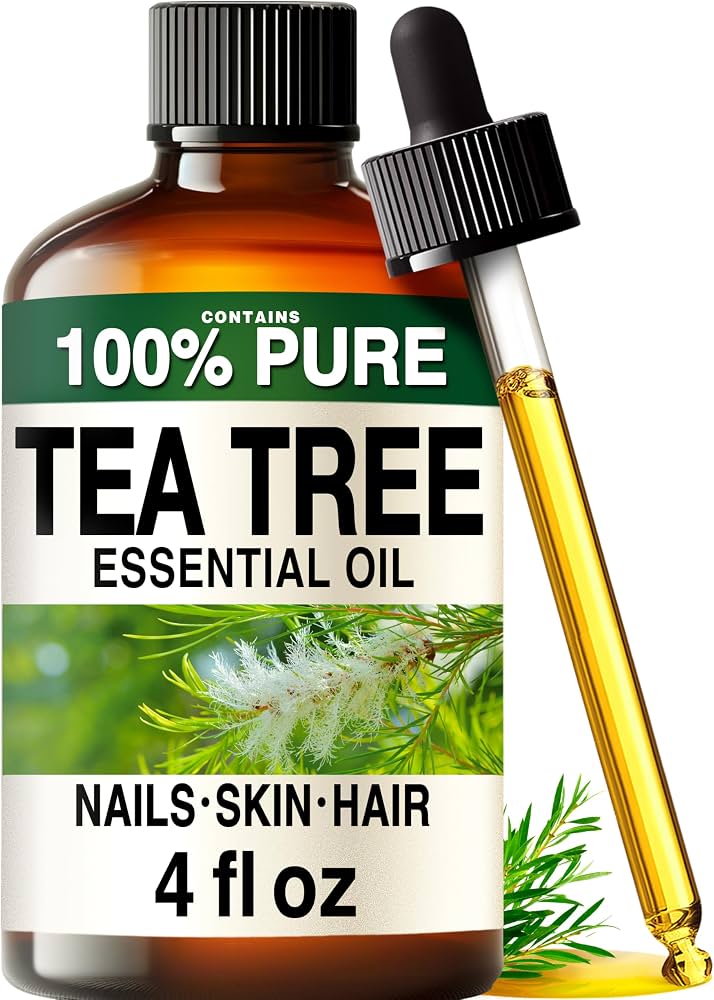
For a longer-lasting preventative effect, tea tree oil is a powerhouse. It has proven antifungal properties.
The solution is more expensive upfront, but a little goes a very long way. Mix two teaspoons of tea tree oil with two cups of water in a spray bottle.
Shake well before each use—oil and water separate. Spray the solution onto the moldy surface, but do not rinse it off.
Let it air dry. The smell is strong and medicinal at first, but it fades within a day or two.
This method is especially great for shower curtains and ceiling corners where you want residual protection.
Borax
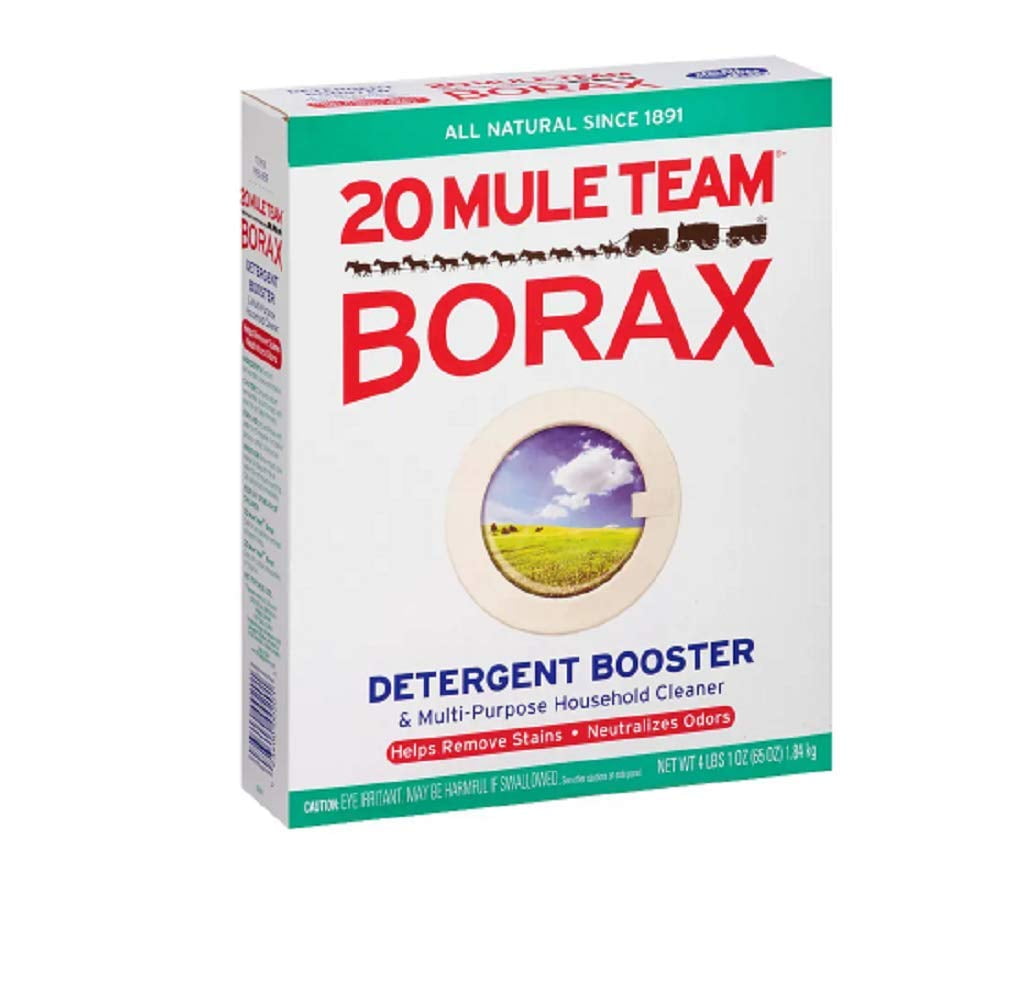
Borax is a natural mineral powder (sodium tetraborate) found in the laundry aisle. It’s a bit more old-school but incredibly effective and also acts as a deodorizer and insecticide.
To use it, dissolve one cup of borax in one gallon of very hot water. After stirring until it’s fully dissolved, put the solution in a spray bottle or use a sponge to apply it to the mold.
Scrub the area, then wipe it clean. Again, do not rinse—leaving a light residue behind helps inhibit future mold growth.
Always wear gloves when handling borax, and keep it away from pets and children.
Daily & Weekly Habits
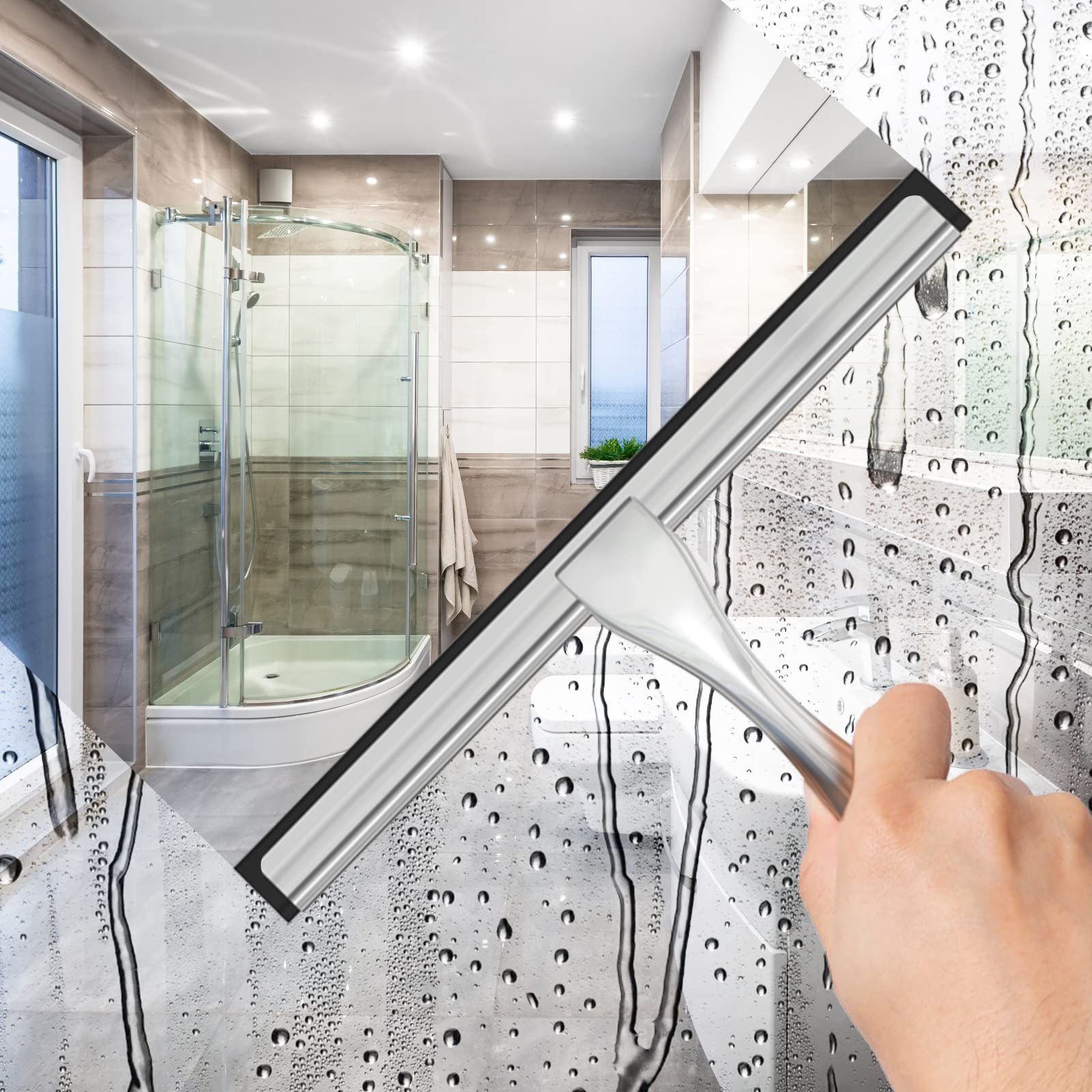
The best clean is the one you don’t have to do. After every shower, take 30 seconds to squeegee water off glass doors and walls.
Wipe down the shower floor with a dedicated towel. Hang your shower curtain fully open so it can dry completely.
Ensure your exhaust fan runs during and for 20-30 minutes after every shower (if you don’t have one, consider installing one—it’s a game-changer). These simple habits starve mold of the constant moisture it needs to thrive, making your natural deep-cleaning sessions far less frequent.
Frequently Asked Questions
Does vinegar kill black mold?
Yes, for small to moderate surface areas, undiluted white vinegar is effective against many common types of mold, including Stachybotrys chartarum (often called black mold). Its acidity penetrates porous surfaces. However, for extensive infestations covering more than about 10 square feet, or if mold is inside walls, you should consult a professional.
How do I keep mold from coming back after cleaning?
Consistency is key. Improve ventilation by using an exhaust fan and leaving the bathroom door or window open after showers.
Fix any leaks in faucets or pipes promptly. Once a week, quickly spray surfaces prone to mold (like the shower) with your vinegar or tea tree oil solution and let it dry.
Is it safe to mix hydrogen peroxide and vinegar?
Absolutely not. Mixing them in the same container creates peracetic acid, a corrosive substance that can damage your skin, eyes, and lungs.
Use them separately. You can apply one, rinse it off thoroughly, and then apply the other, but never combine them.
Can I use these methods on drywall or ceiling tiles?
Use caution. Porous materials like drywall, wood, or ceiling tiles can harbor mold deep inside.
You can try dabbing a small amount of hydrogen peroxide or vinegar on the surface, but if the mold has deeply penetrated, the material may need to be cut out and replaced. Surface cleaning alone may not solve the problem.
You don’t need a cabinet full of specialized chemicals to have a sparkling, mold-free bathroom. With a few pantry staples and some consistent habits, you can tackle the problem safely and effectively. The trick is to act at the first sign of spotting—mold is much easier to manage before it becomes a major colony.
Leave a Reply