
Creating a butterfly garden helps you draw in pollinators by combining the right plants, water sources, and shelter in one space. Focus on nectar-rich blooms, host plants for caterpillars, and sunny spots that stay protected from wind so butterflies return year after year.
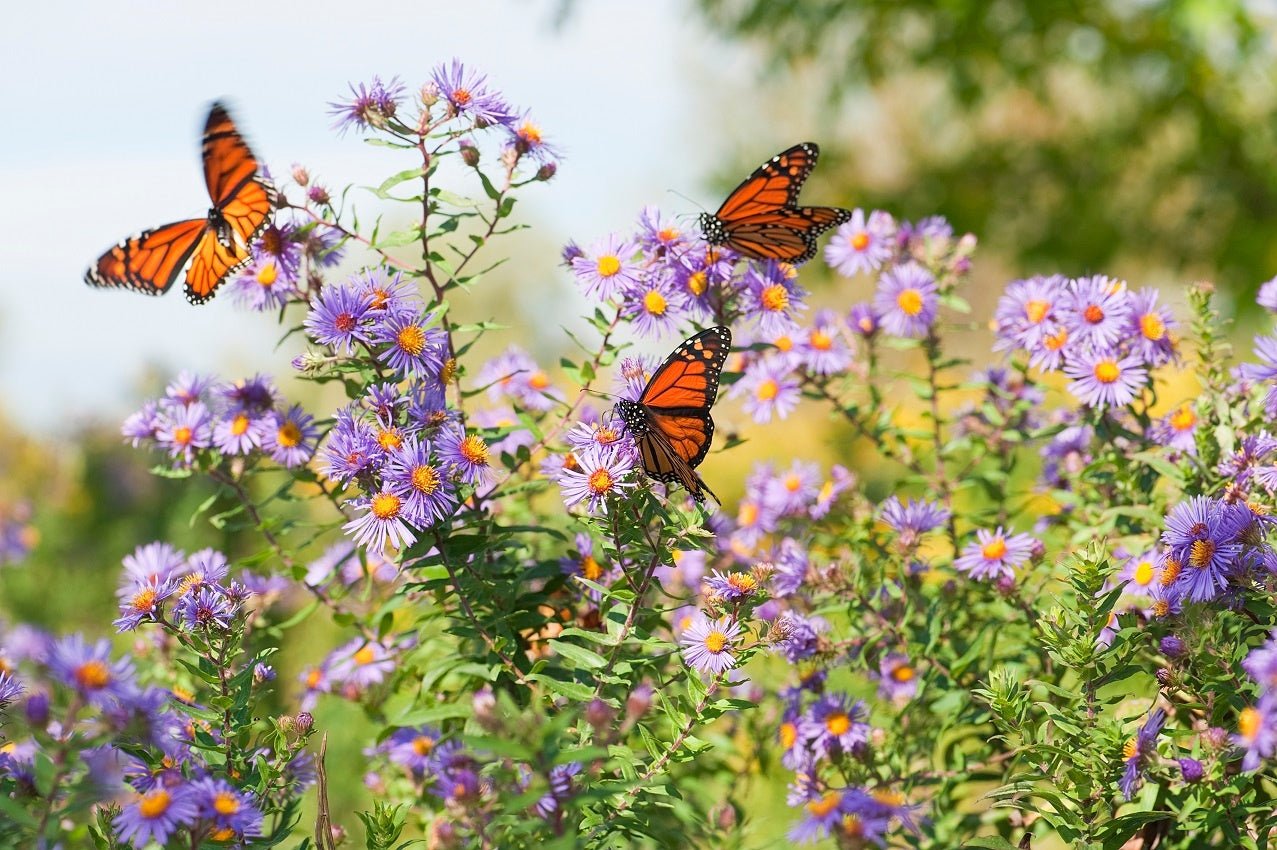
Native Wildflower Meadows
A meadow-style planting mixes tall grasses with daisies, black-eyed Susans, and coreopsis to give butterflies continuous color from spring through fall. The layered heights create resting spots while the variety keeps different species coming back. Pair this with a mowed path so you can walk through without disturbing the blooms.
Milkweed Host Plants
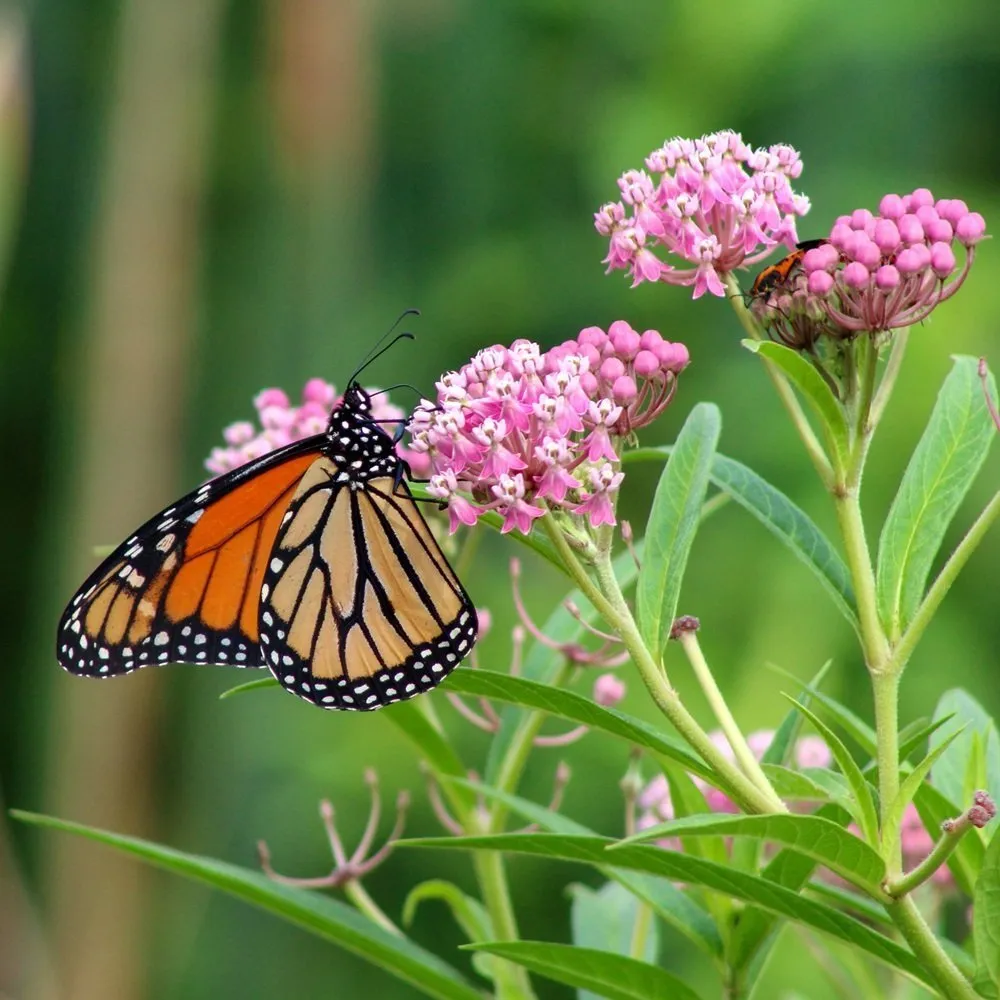
Monarchs need milkweed to lay eggs, so tuck several clumps along the edges of your beds. The plants also supply nectar for many other butterflies once the flowers open. Choose common or swamp milkweed depending on your soil moisture, and let the seed pods form naturally for extra interest.
Colorful Zinnia Borders
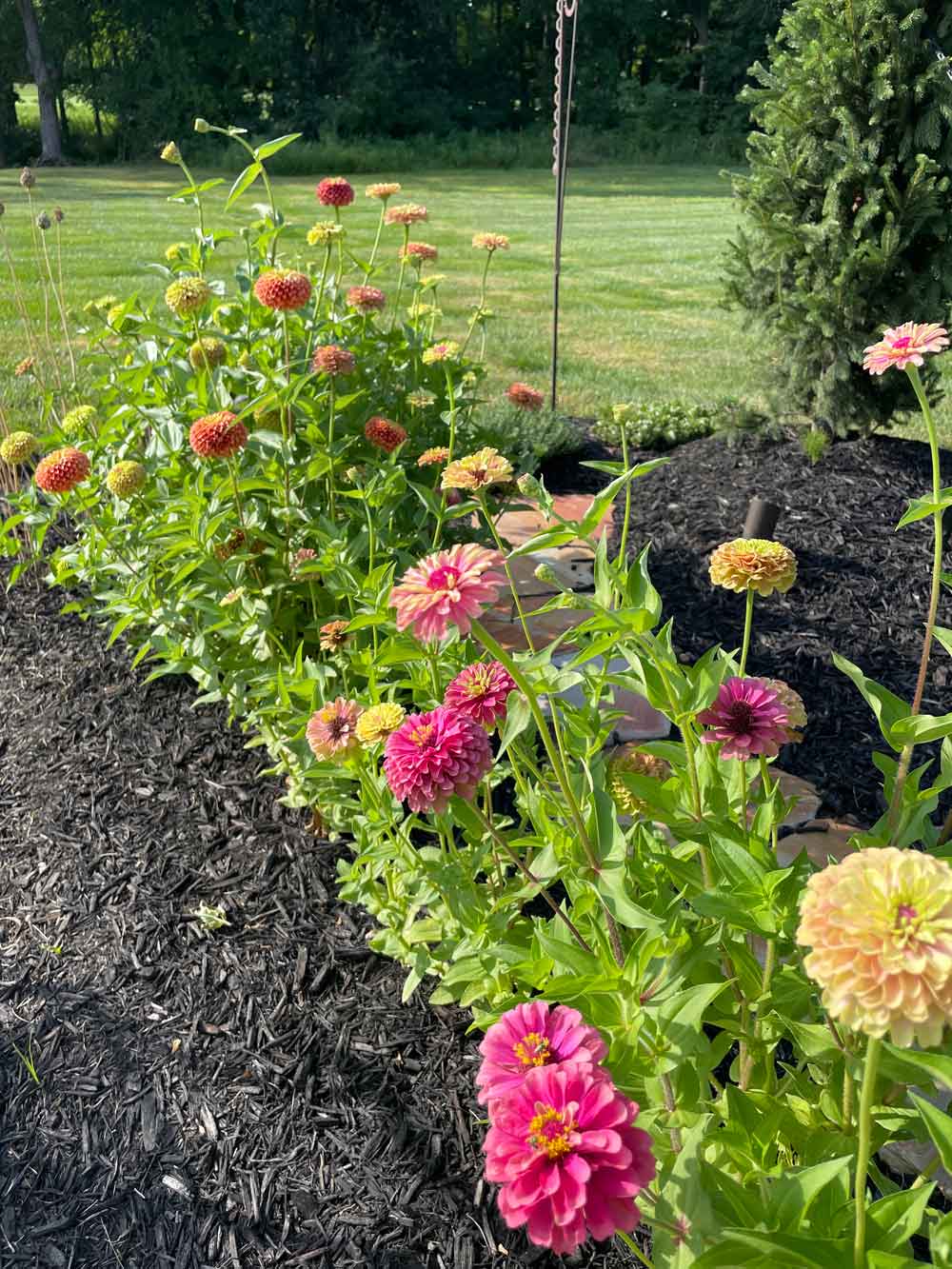
Zinnias bloom in bold reds, oranges, and pinks that butterflies spot from a distance. Plant them in drifts at the front of borders so the lower growth stays accessible. Deadheading spent flowers keeps the display going longer and encourages more visits.
Shallow Puddling Dishes
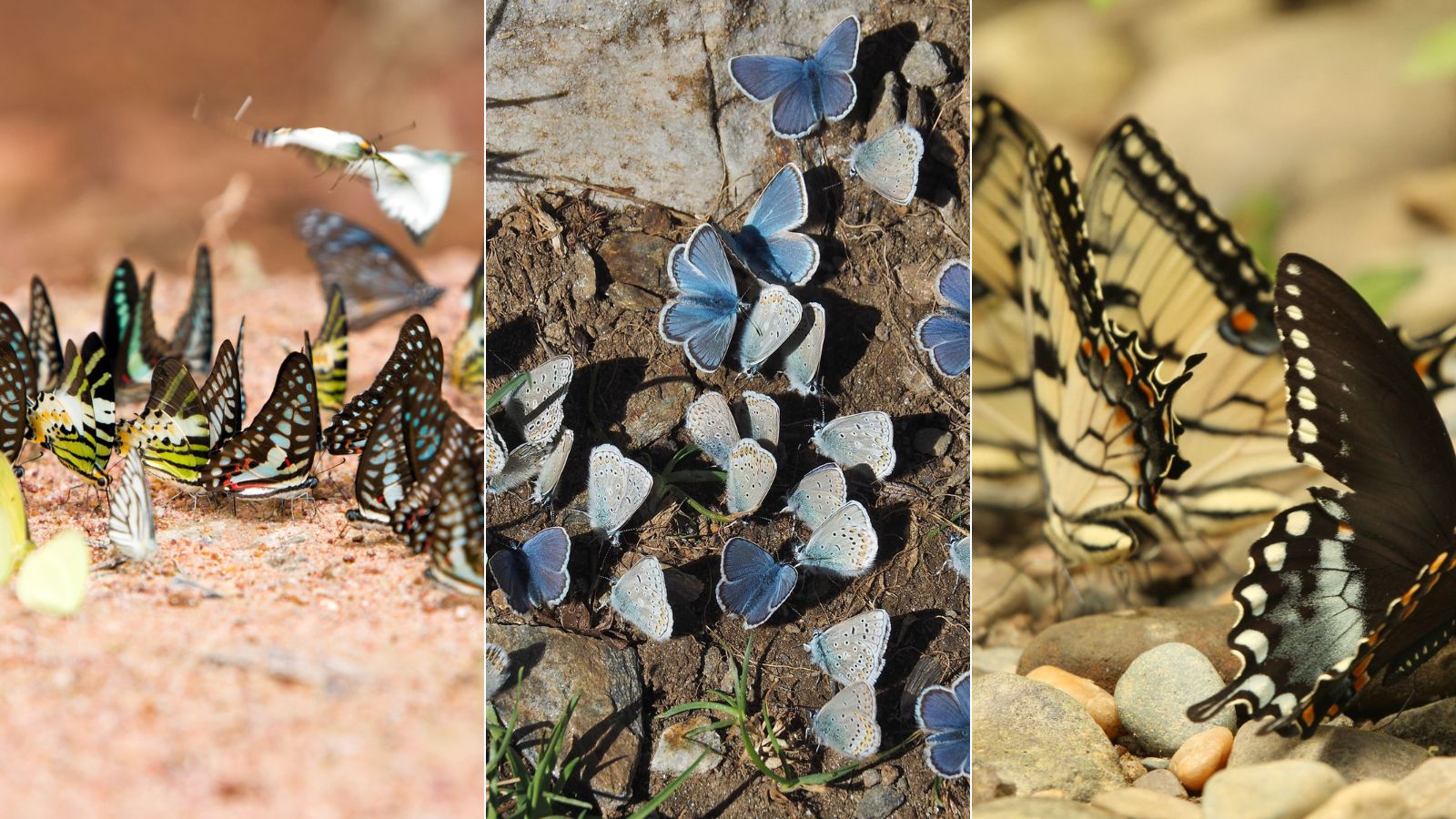
Butterflies gather minerals from damp soil or shallow water. Set a low dish or tray filled with wet sand and a few flat stones in a sunny corner. Refresh the water every few days during dry spells to keep the spot active.
Butterfly Houses and Shelters
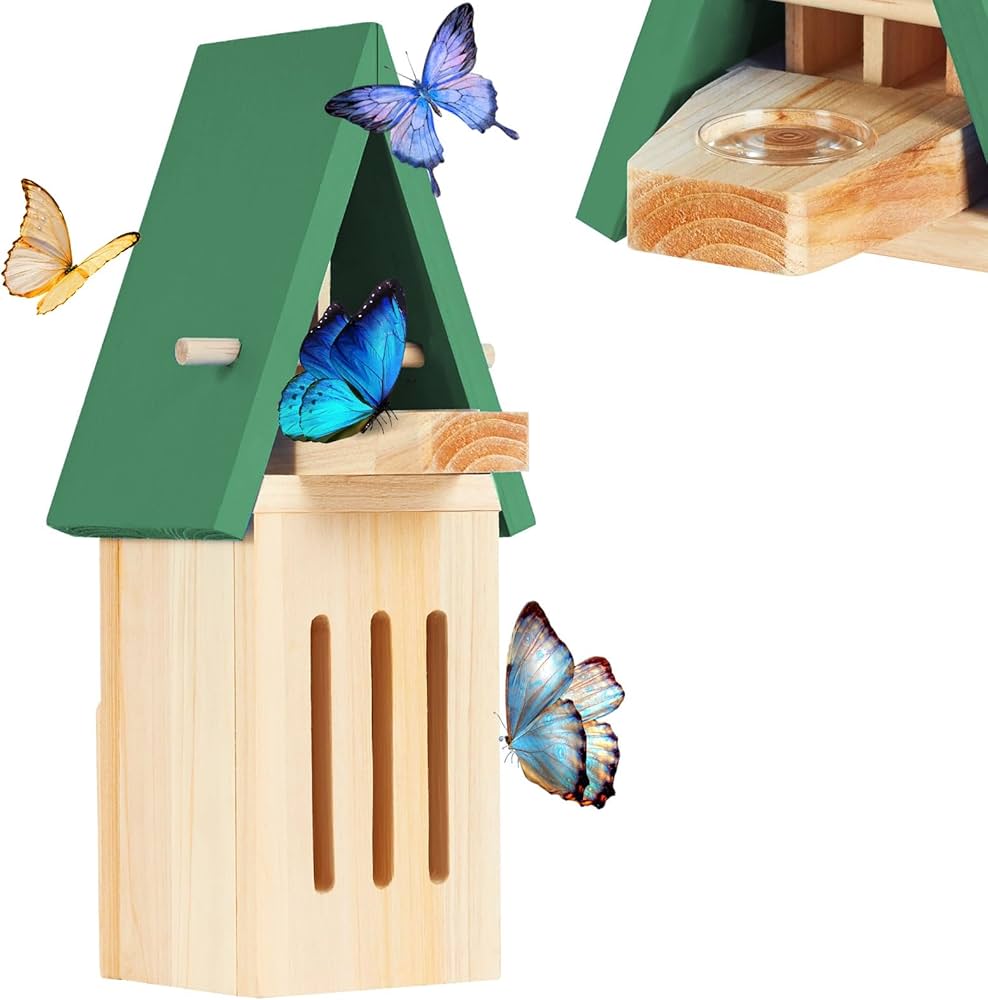
A simple wooden box with narrow slits gives butterflies a safe place to rest overnight or during storms. Mount it on a post facing south and about five feet off the ground. Add a small roof overhang to keep rain out while still allowing easy entry.
Lavender and Herb Patches
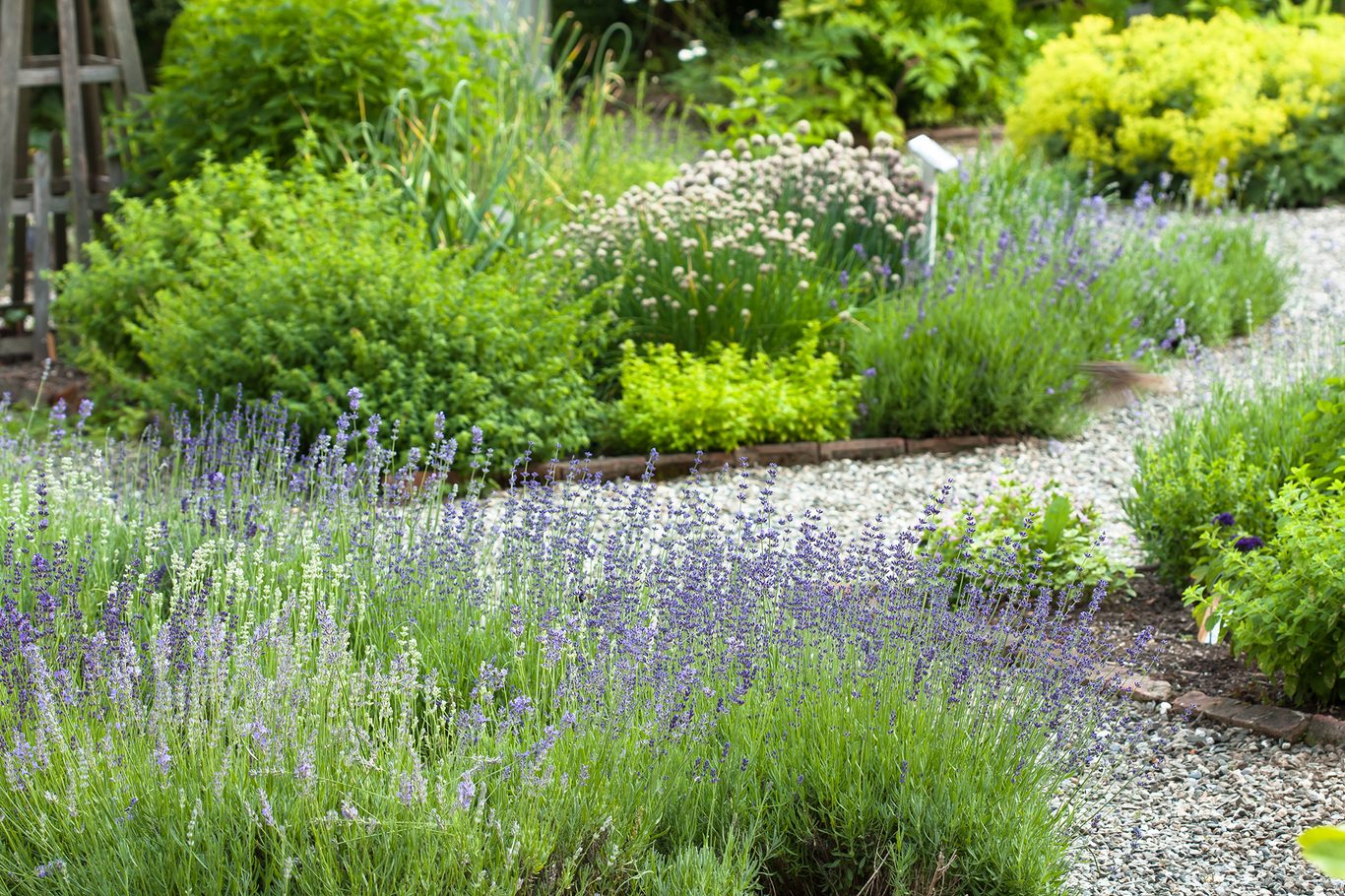
Lavender, oregano, and thyme release strong scents that attract skippers and swallowtails. Group these herbs together in well-drained soil near a seating area so you enjoy the fragrance too. Their gray-green foliage contrasts nicely with brighter flowers nearby.
Coneflower Perennial Beds
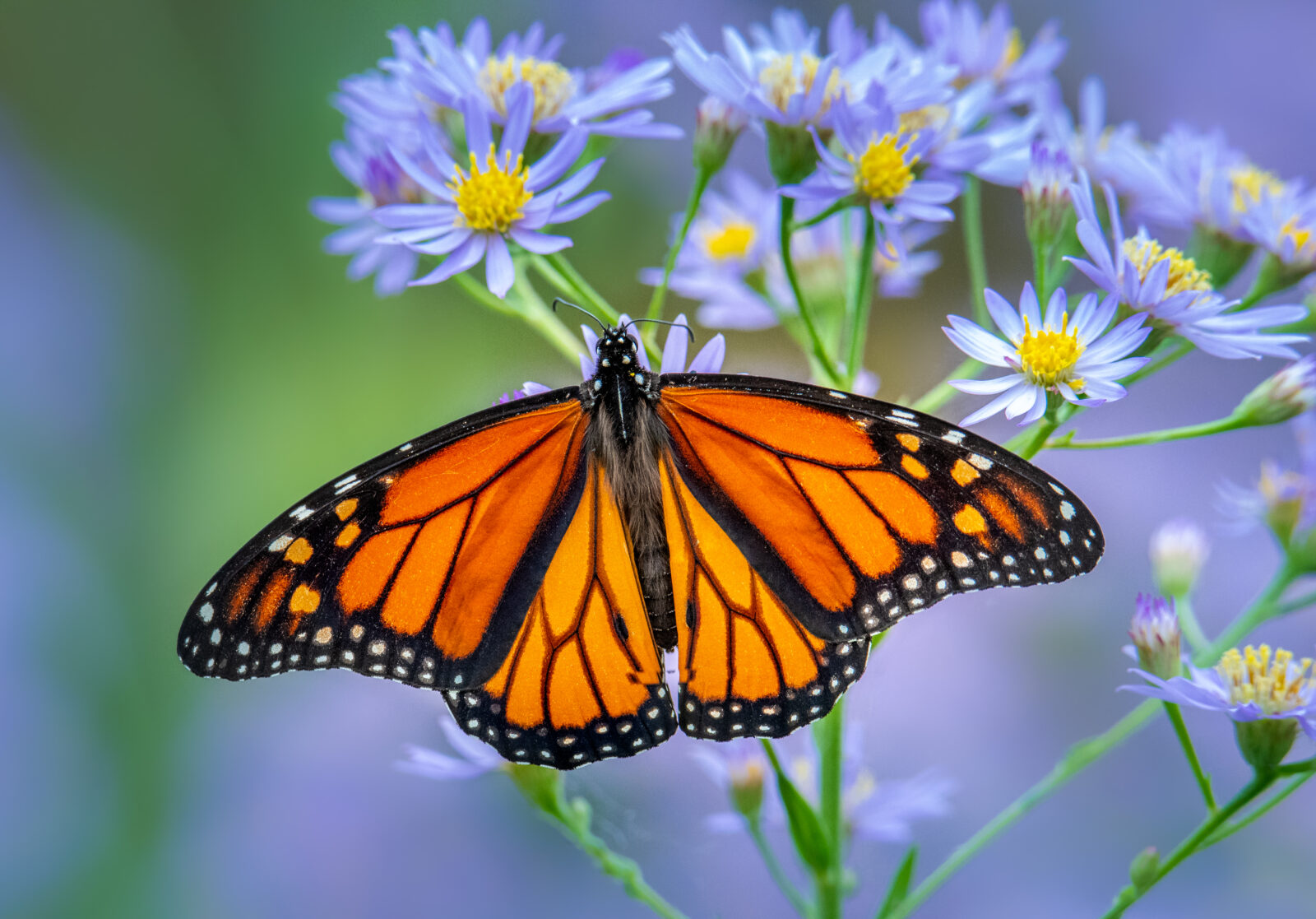
Purple coneflowers hold their shape long after blooming, offering seeds for birds once butterflies finish feeding. Place them in the middle of beds so taller stems support shorter plants around them. Divide clumps every three years to maintain strong flowering.
Sunny Rock Gardens
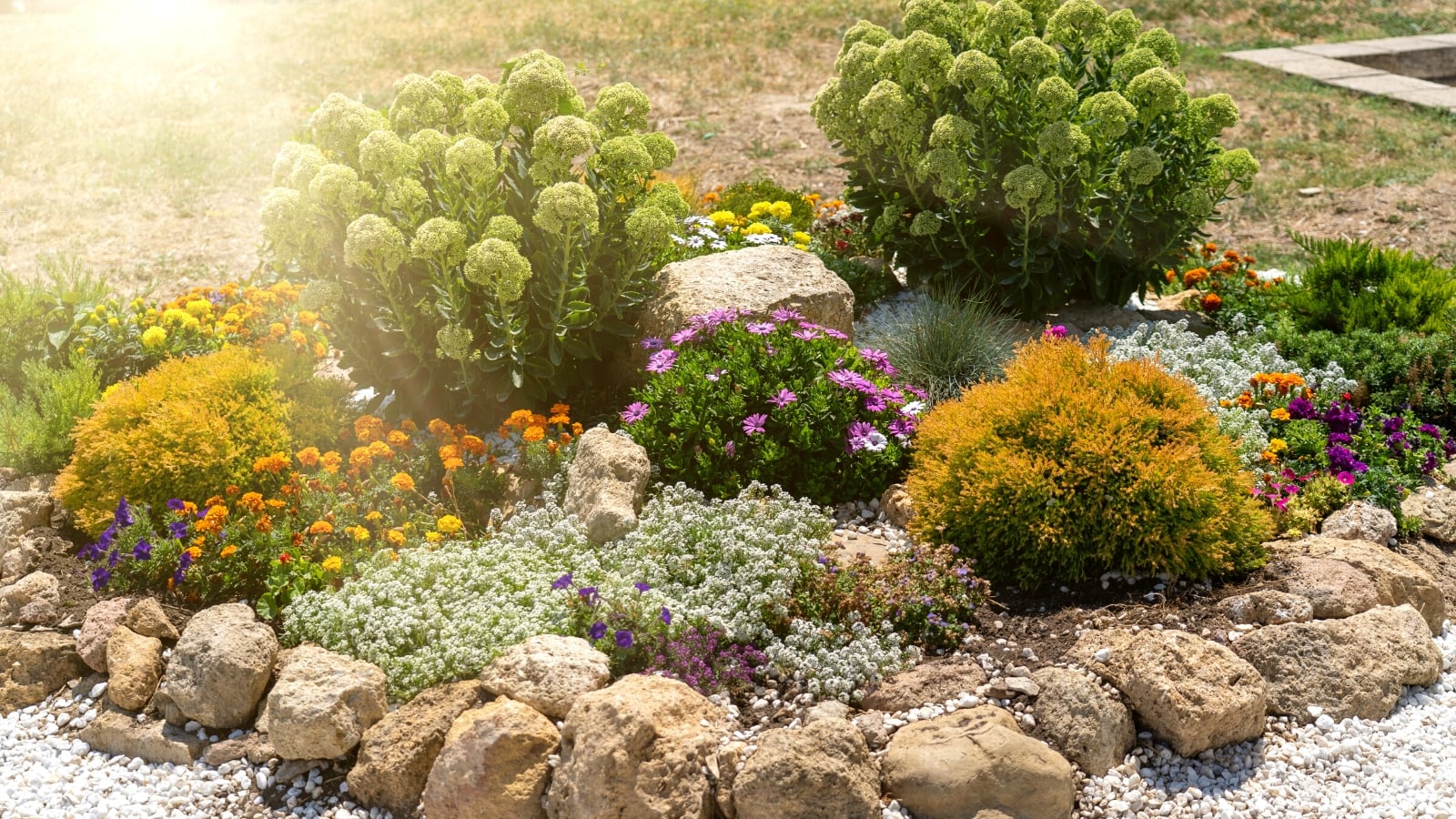
Flat rocks absorb heat and give butterflies a place to bask. Combine low sedums, creeping thyme, and a few larger stones in a raised or sloped area. The reflected warmth extends feeding time on cooler mornings.
Climbing Vine Trellises
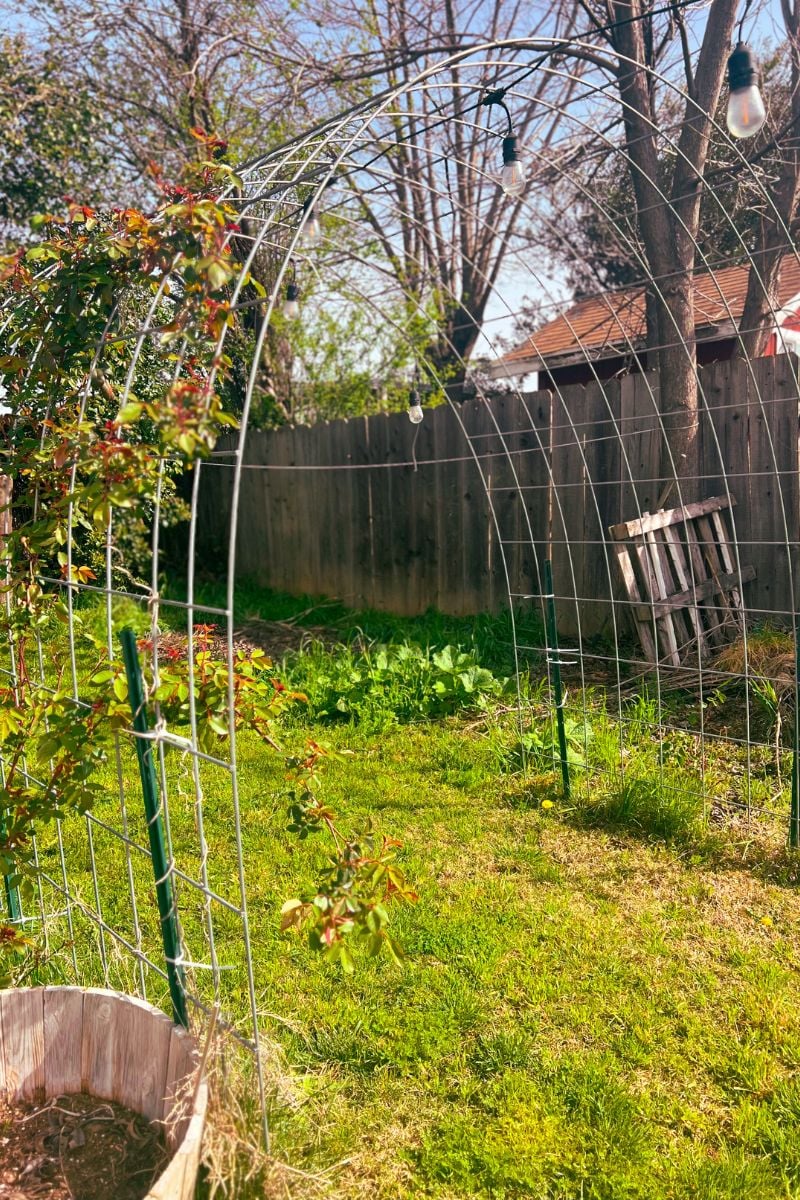
Morning glories and passionflower vines climb quickly and produce trumpet-shaped blooms that hummingbirds and swallowtails favor. Train them up a simple wooden trellis or fence to add vertical interest without taking up ground space.
Annual Marigold Displays
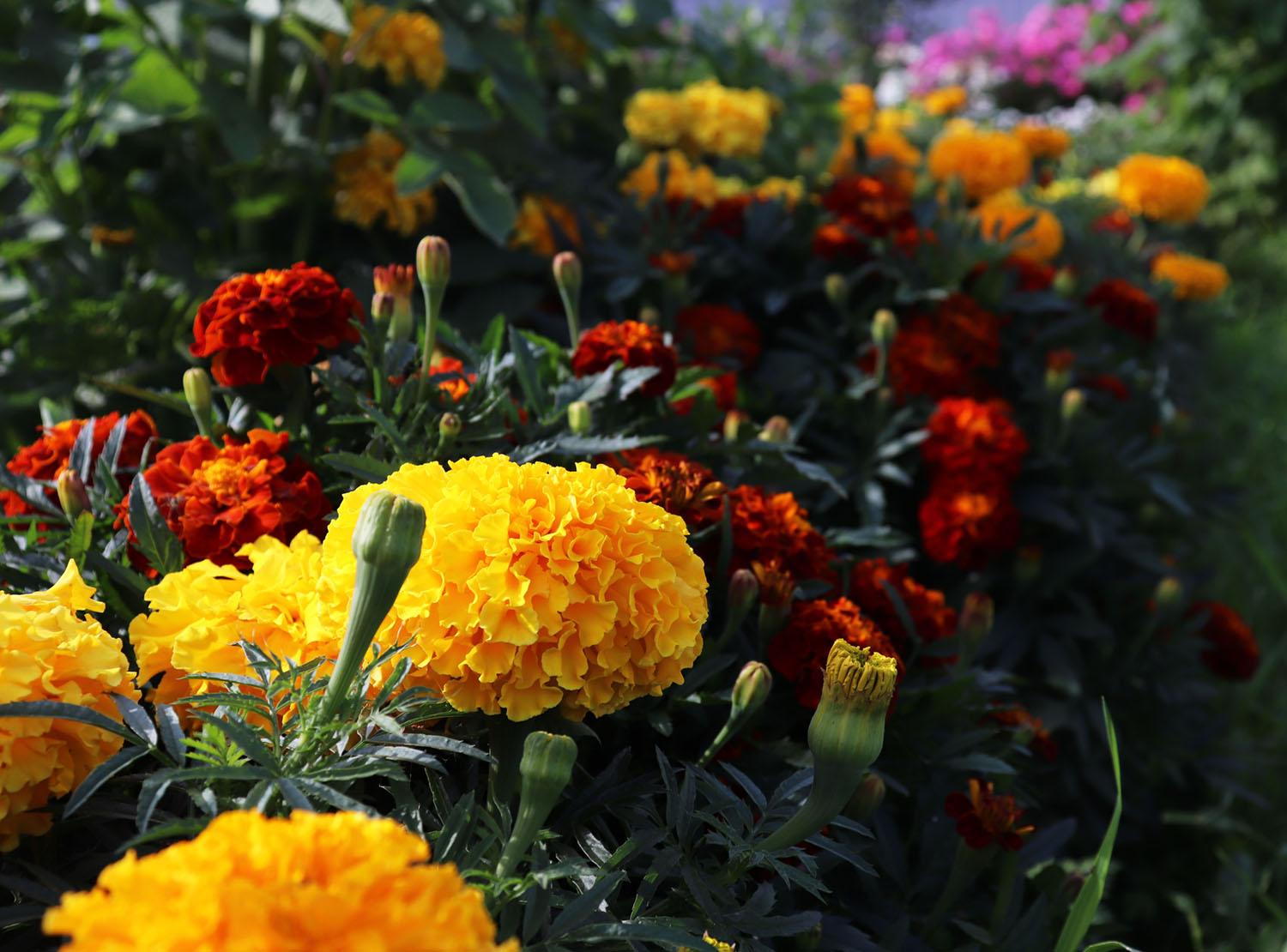
Marigolds bloom nonstop in sunny spots and tolerate heat well. Use them to fill gaps between perennials or edge vegetable beds where they also help deter pests. Their bright orange and yellow tones stand out against green foliage.
Log Pile Habitats
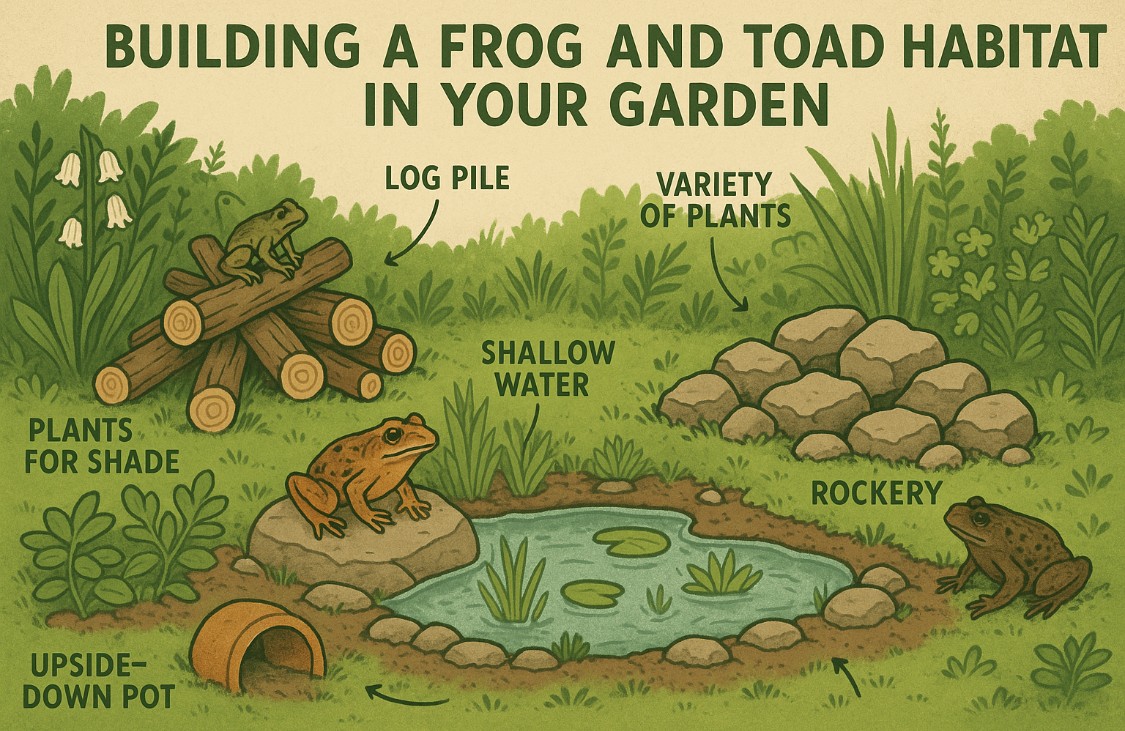
A small stack of untreated logs or branches tucked in a shady corner offers overwintering spots for caterpillars and chrysalises. Keep the pile loose so air can circulate. Over time the wood breaks down and adds nutrients back to the soil.
Container Flower Pots
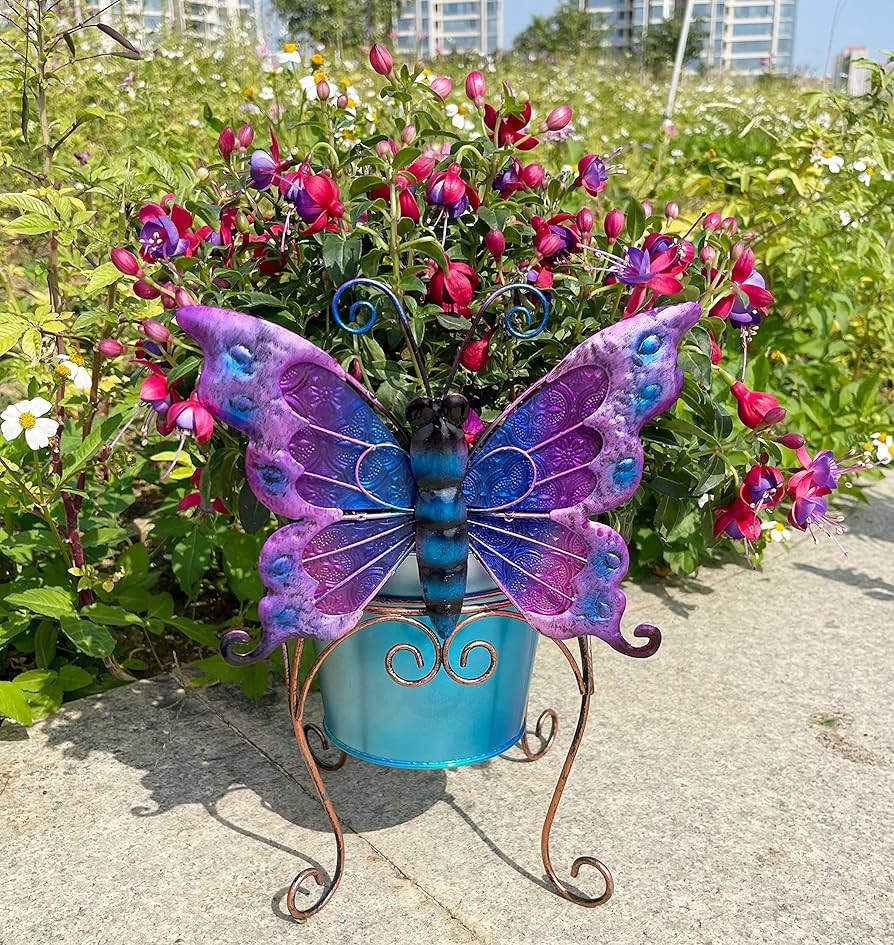
Large pots let you place nectar plants exactly where butterflies already fly, such as near a deck or driveway. Choose compact varieties like dwarf zinnias or lantana and water consistently during hot weeks. Move pots together in groups for stronger visual impact.
Buddleia Shrub Clusters
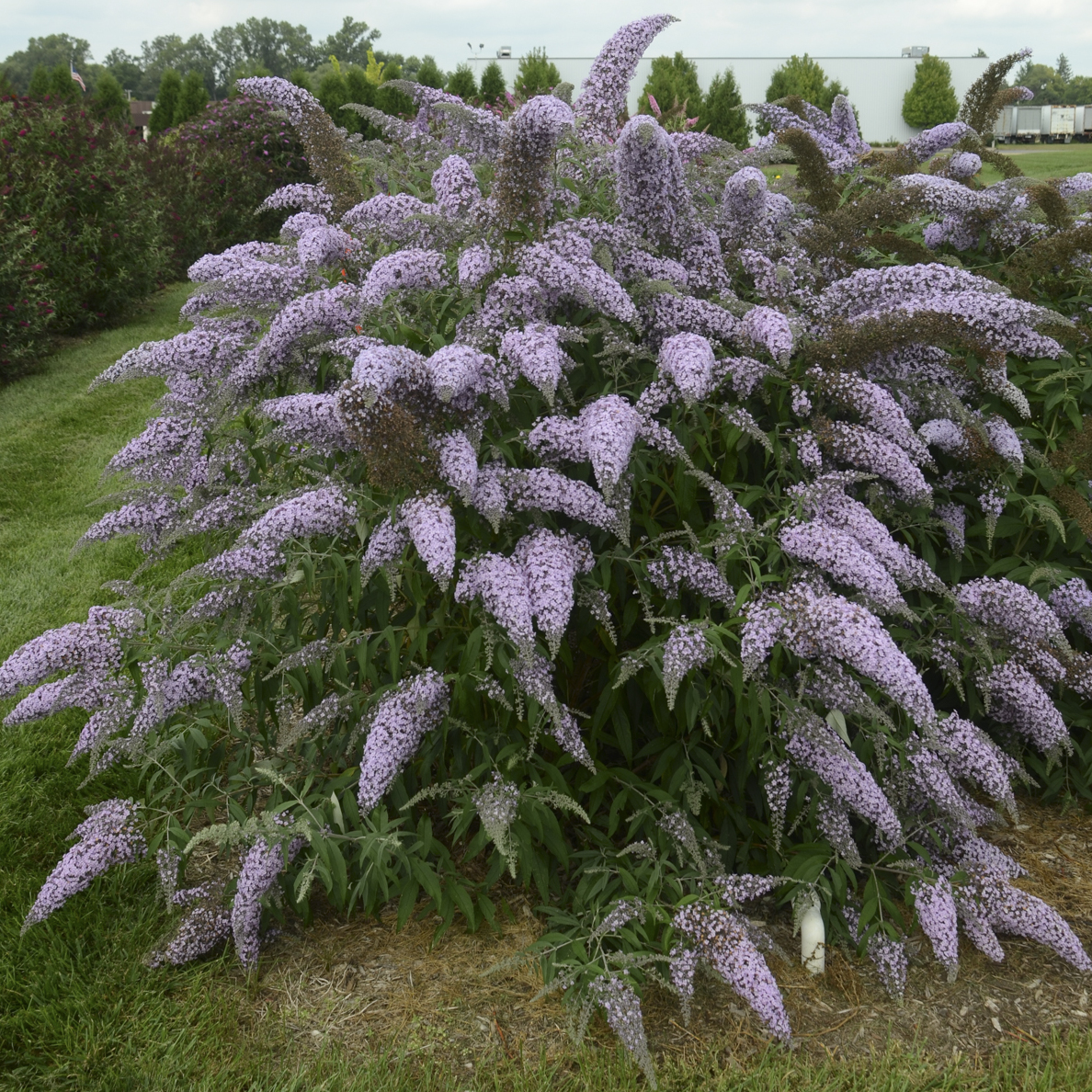
Butterfly bushes produce long flower spikes that stay loaded with visitors from midsummer onward. Plant two or three shrubs together to create a focal point and give butterflies multiple feeding stations in one spot. Prune lightly in early spring to keep the shape full.
Pesticide-Free Zones
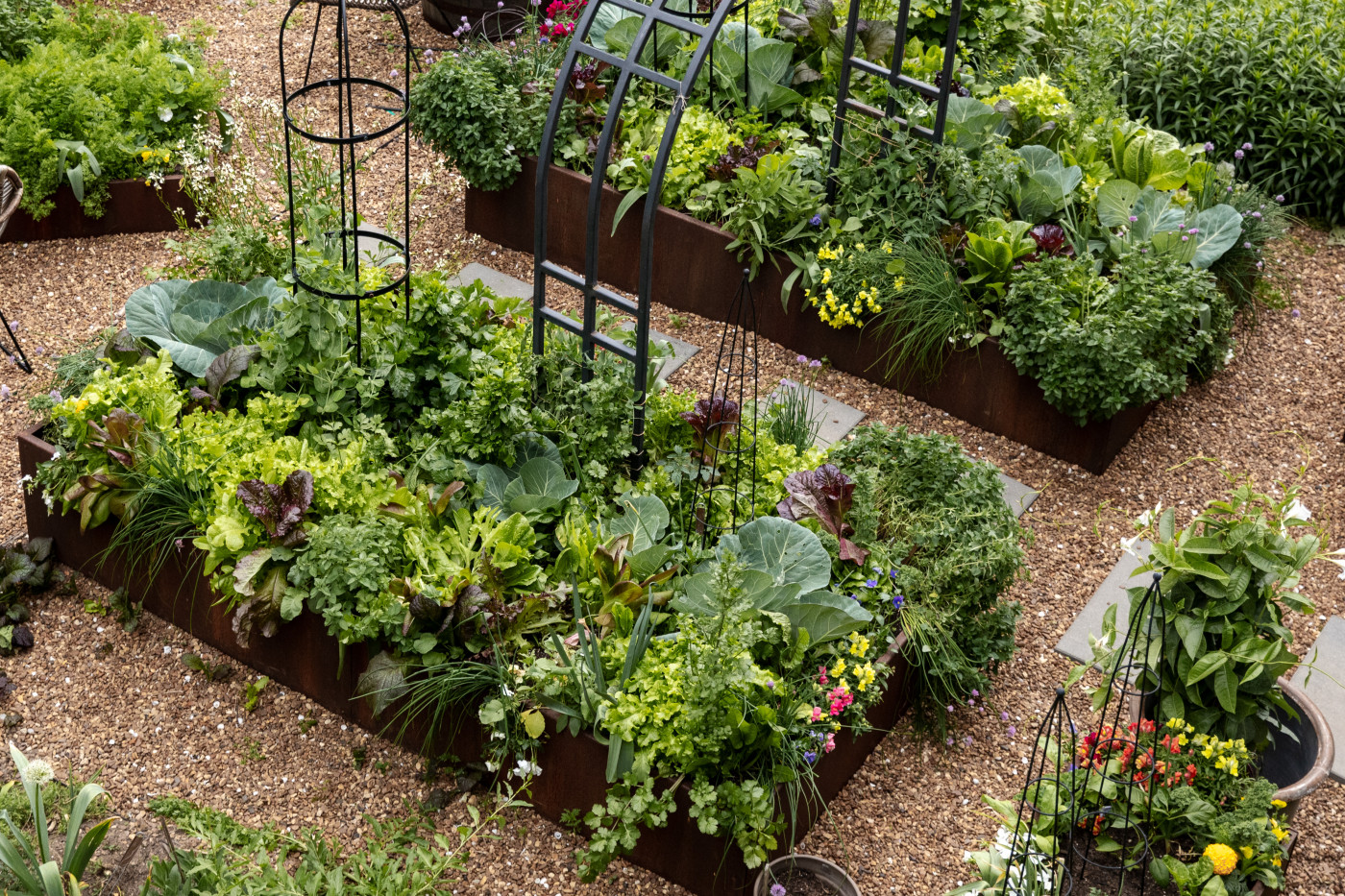
Skip chemical sprays entirely so caterpillars and adult butterflies stay healthy. Mark one section of the yard as a protected area and use companion planting or hand-picking instead. The absence of toxins quickly shows in higher butterfly counts.
Mixed Nectar Gardens
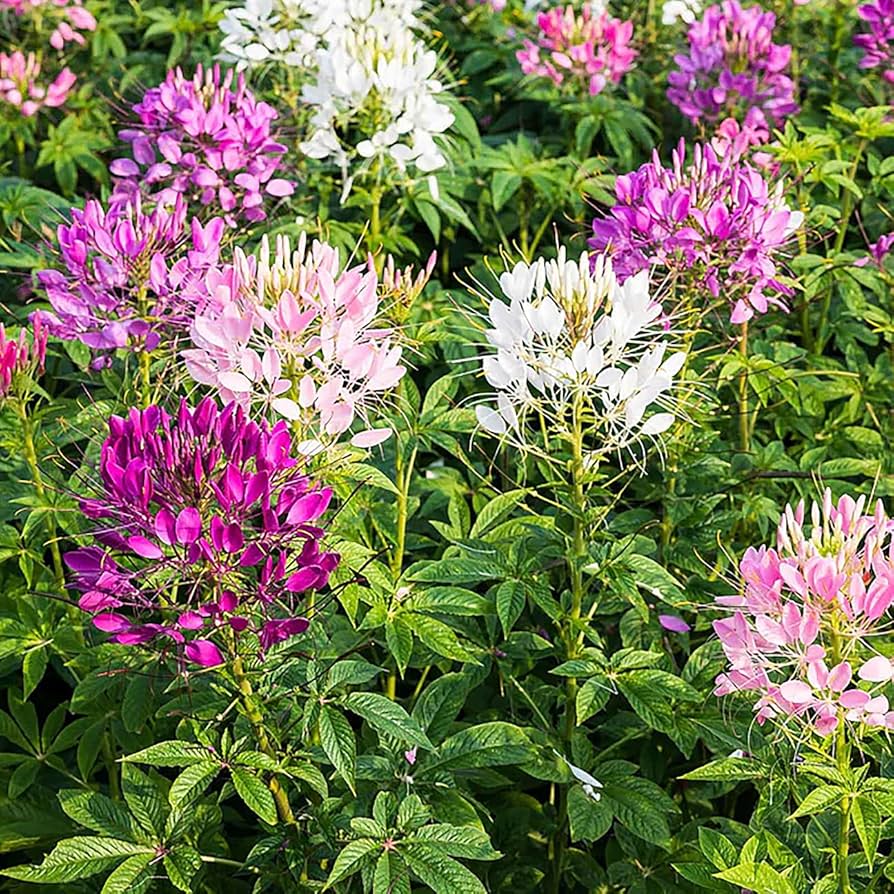
Combine early, mid, and late-season bloomers such as phlox, asters, and goldenrod in the same bed. This steady supply keeps butterflies active from the first warm days until frost. Group plants by bloom time so you can see which sections need refreshing each year.
FAQ
How much sun does a butterfly garden need? Most nectar plants and host species perform best with at least six hours of direct sun daily.
Can I start a butterfly garden in a small yard? Yes. Even a few well-chosen pots or a narrow border strip can support several species when planted with the right flowers and a water source.
What should I do in winter? Leave seed heads and leaf litter in place until early spring so chrysalises and eggs survive the cold months.
Your butterfly garden becomes more lively each season as plants mature and word spreads among local pollinators. Keep adding one or two new elements each year and watch the variety grow.
Leave a Reply