
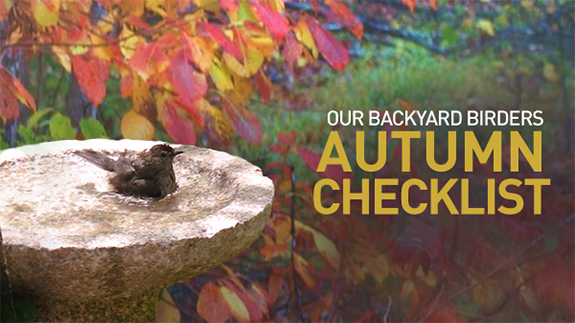
Bird feeders bring songbirds and other wildlife right to your yard during the cooler months when natural food sources start to dwindle. These projects use everyday materials to create sturdy, attractive feeding stations that match the season’s colors and textures while supporting local birds through migration and winter preparation.
Pinecone Seed Clusters
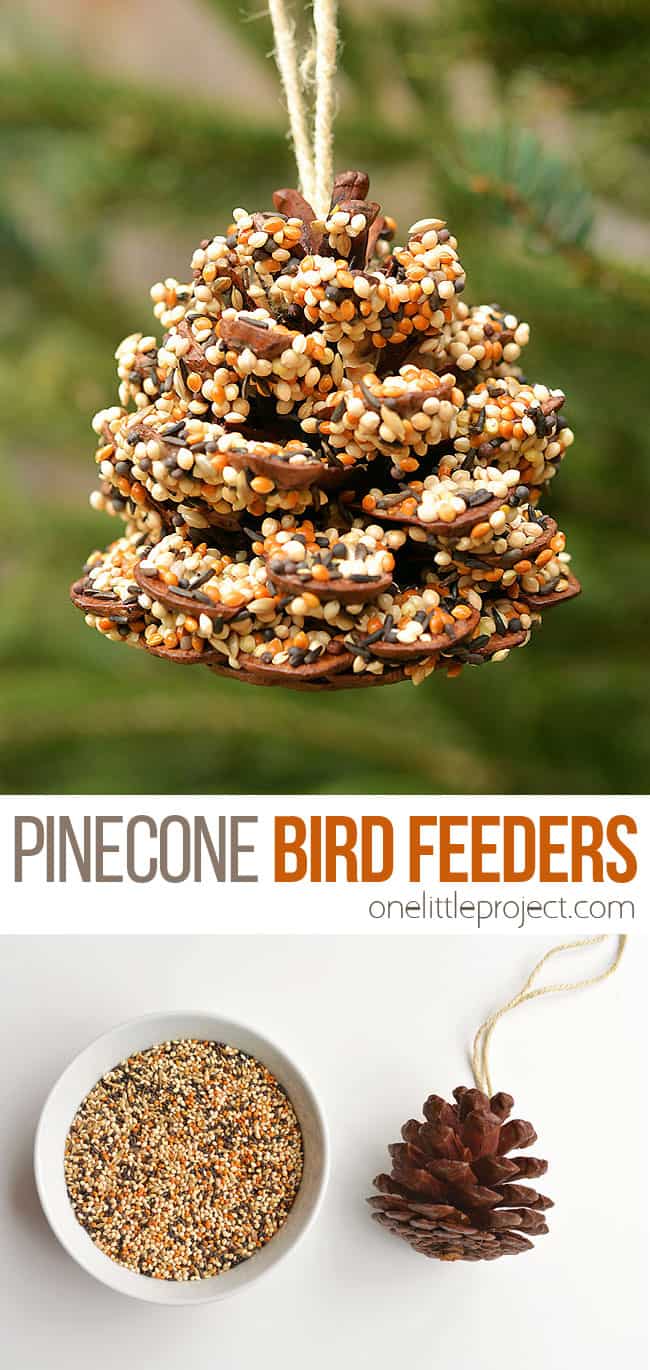
Pinecones offer a natural, textured base that holds seed mixtures securely without extra hardware. Choose large, open cones from your yard or a craft store and tie a loop of twine around the top for hanging. Coat the scales with a thin layer of peanut butter or suet, then roll the cone in a blend of black oil sunflower seeds and millet so the seeds pack into every crevice.
The finished clusters swing gently in the breeze, catching the attention of chickadees and finches that prefer to cling while they eat. Position them on lower tree branches or shepherd’s hooks about five feet off the ground to stay within reach of smaller birds yet out of easy reach for most ground predators. Check the cones every few days and refresh the coating before the seeds disappear completely.
Plastic Bottle Tube Feeders
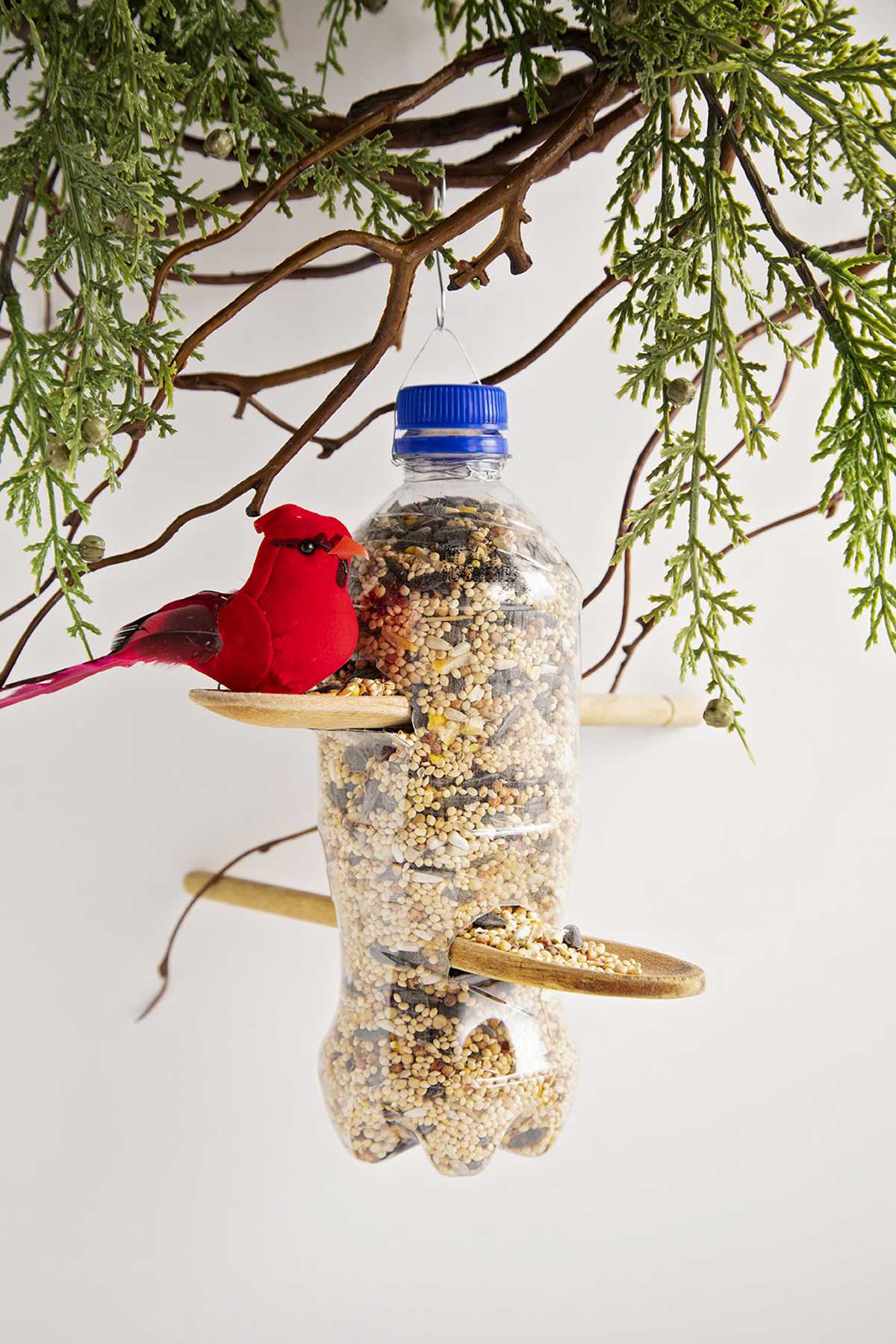
Clear plastic bottles turn into see-through dispensers that let you monitor seed levels at a glance. Cut two small holes opposite each other near the bottom, insert wooden dowels as perches, and add a larger opening above each perch so seeds spill out gradually. Cap the bottle and hang it from a sturdy branch or hook using wire threaded through the neck.
These tubes work especially well in windy fall conditions because the enclosed design keeps seed dry. Cardinals and titmice land on the dowels and reach inside without scattering much food onto the ground. Swap in different seed mixes throughout the season to attract varying species as temperatures drop.
Simple Wooden Tray Platforms
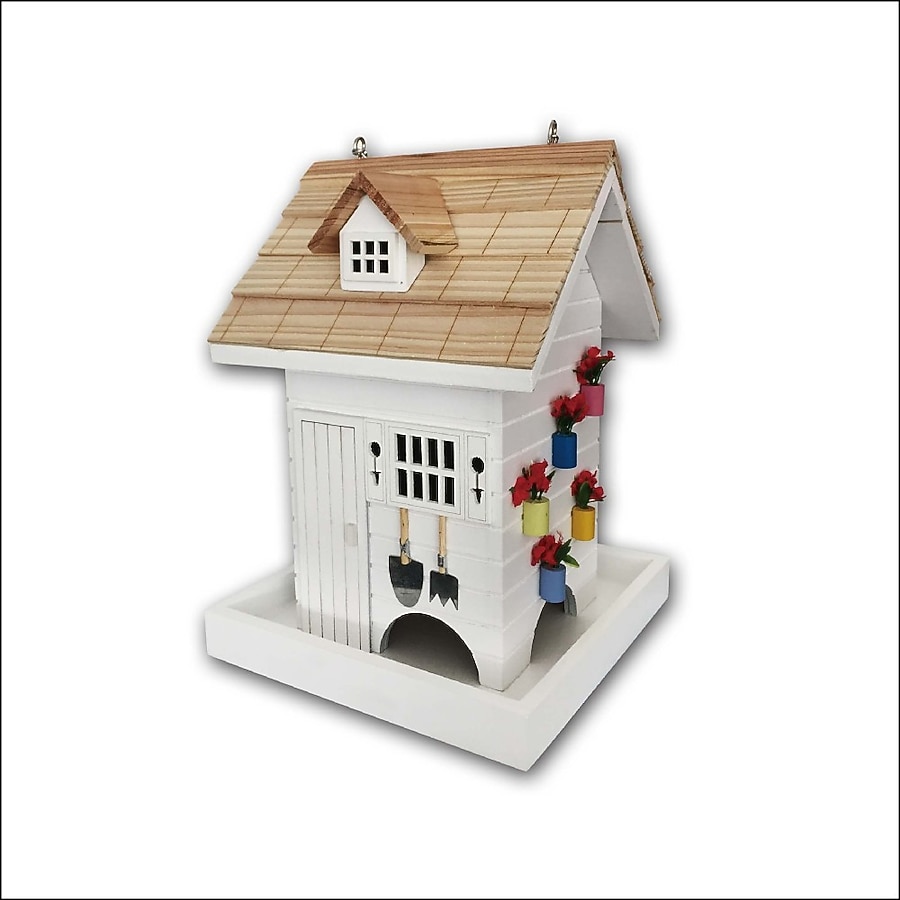
A flat wooden tray gives larger birds like jays and doves room to land and sort through offerings. Build or repurpose a shallow box with drainage holes drilled in the base, then mount it on a post or railing at eye level. Line the bottom with a thin layer of gravel before adding seed so moisture drains away instead of pooling.
| Wood Type | Durability in Weather | Best Seed Mix | Maintenance Frequency |
|---|---|---|---|
| Cedar | High | Sunflower | Monthly |
| Pine | Medium | Mixed | Bi-weekly |
| Reclaimed pallet | Low | Millet | Weekly |
Cedar trays resist rot longer than pine when left outside through damp autumn weeks. Place the tray near shrubs so birds can dart to cover quickly if a hawk appears overhead.
Wire Suet Cages
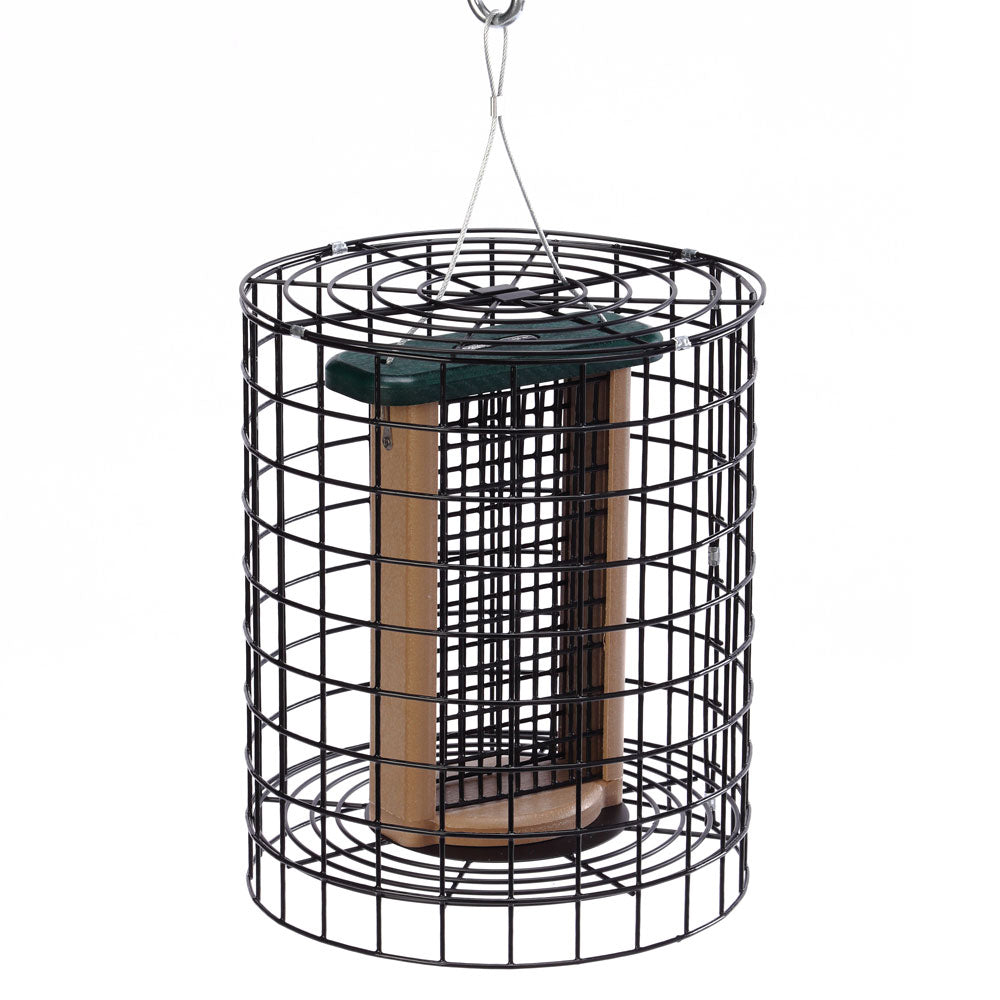
Suet cages hold rendered fat cakes that supply high energy when insects become scarce. Choose a cage with tight spacing so smaller birds can cling while larger ones cannot dominate the food. Press a suet block inside and hang the cage from a tree limb using the attached chain.
Squirrels ignore suet cakes flavored with hot pepper because the capsaicin does not affect birds. This single addition keeps the feeder active for woodpeckers and nuthatches without constant refilling. Rotate the cage orientation every few days so all sides receive equal use and the suet does not melt unevenly on sunny afternoons.
Orange Rind Cups
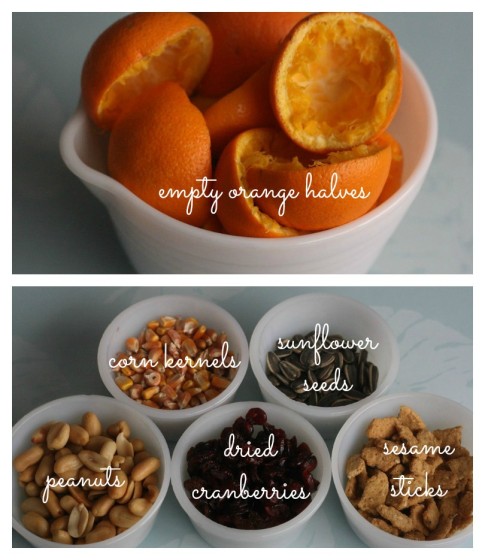
Halved orange rinds create biodegradable cups that release a light citrus scent attractive to orioles and tanagers still passing through in early fall. Scoop out the pulp, poke three small holes near the rim, and thread string to form a hanging triangle. Fill each rind with a spoonful of grape jelly mixed with mealworms.
The natural bowl shape prevents seed from blowing away during gusty days. Once the rind dries out, birds often peck at the remaining peel for extra fiber. Replace the cups every four or five days before mold forms in the moist jelly.
Peanut Butter Stuffed Logs
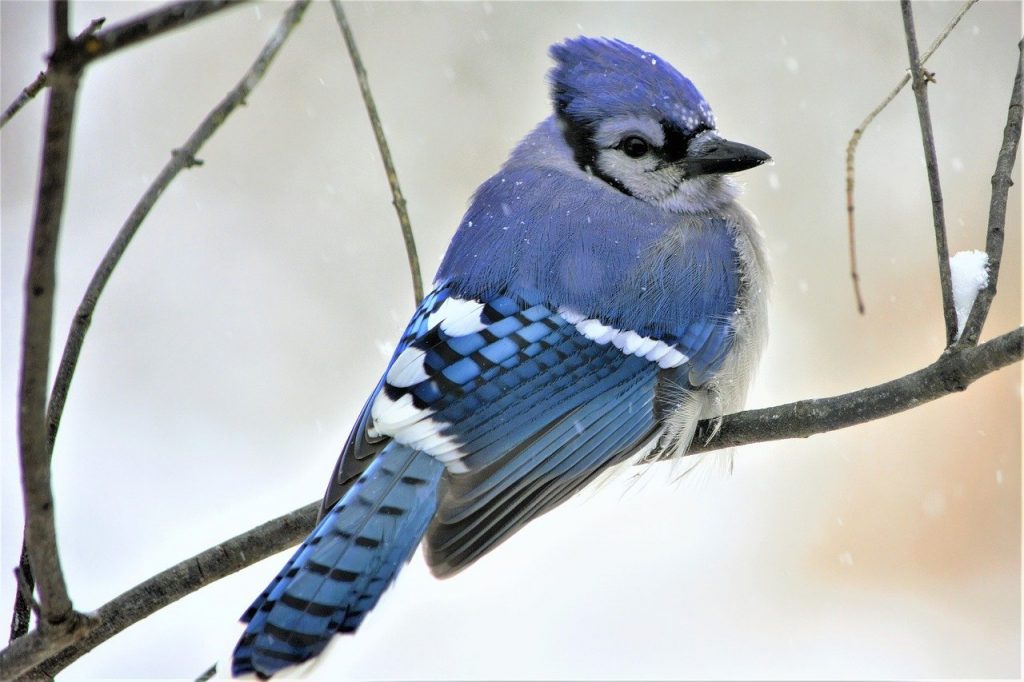
Short sections of untreated hardwood drilled with holes become long-lasting perches when packed with peanut butter. Drill random half-inch holes along the sides of a six-inch log, smear the butter into each cavity, and roll the log in sunflower chips. Loop a screw eye into the top for hanging.
Downy woodpeckers and brown creepers spend long minutes working over every hole. The dense wood holds its shape through repeated freeze-thaw cycles common in fall. Avoid cedar logs because the natural oils can taint the butter flavor.
Milk Carton Houses
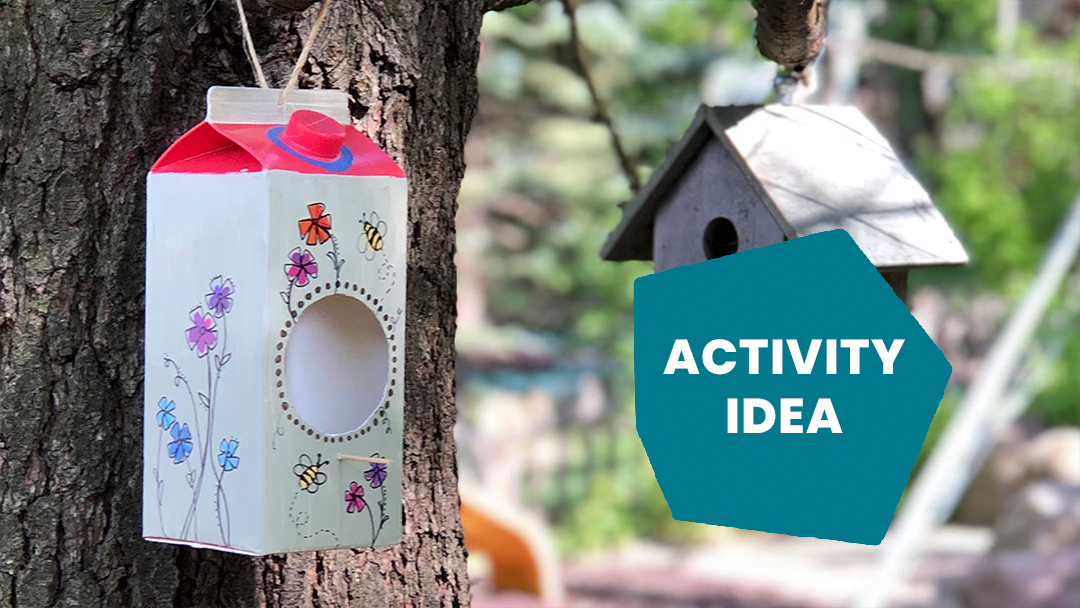
Cleaned milk cartons provide enclosed shelters that protect seed from light rain. Cut a large rectangular window on one side, insert a small dowel below it as a perch, and staple the top shut after filling with seed. Punch a hole in the opposite corner for hanging wire.
The opaque sides keep seed fresher longer than open trays. House sparrows and goldfinches quickly learn to enter the window. Paint the exterior with non-toxic colors that blend into autumn foliage so the feeder does not stand out to predators.
Coconut Shell Halves
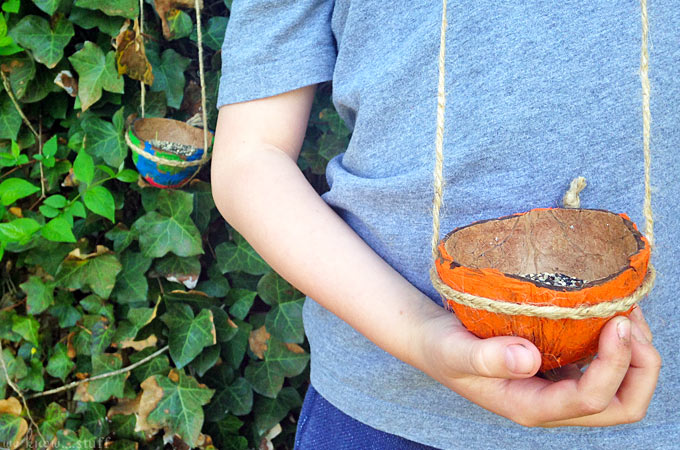
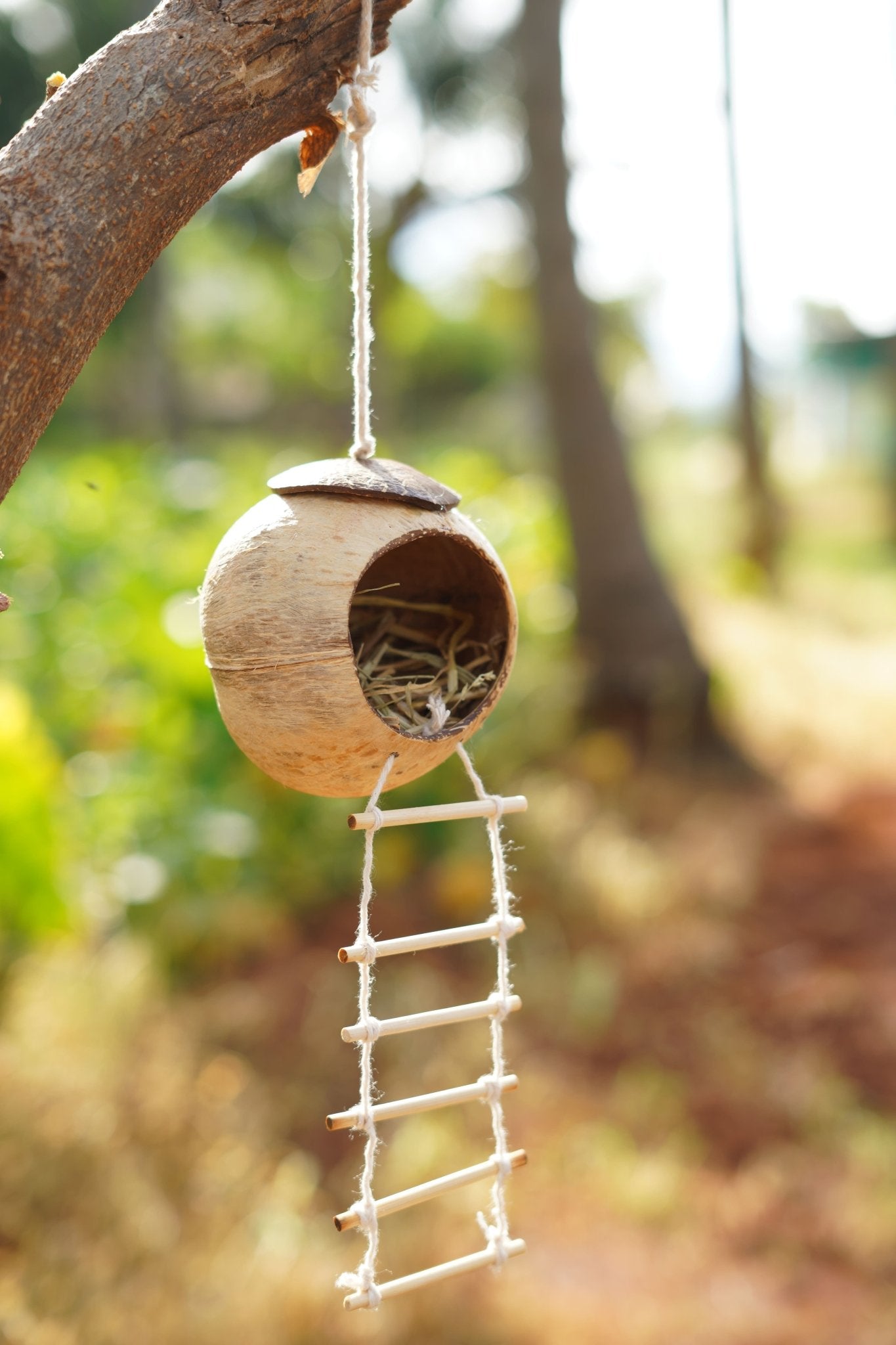
Split coconut shells offer curved, durable bowls that last several seasons outdoors. Drill three holes around the rim, thread cord through them, and knot the ends to create a hanging cradle. Fill the shell with a blend of cracked corn and safflower.
The natural fibers inside the shell give birds extra gripping surface. Hang two or three shells at different heights on the same tree to reduce competition among visiting flocks. Empty and rinse the shells between refills to remove any mold spores.
Ceramic Teacup Perches
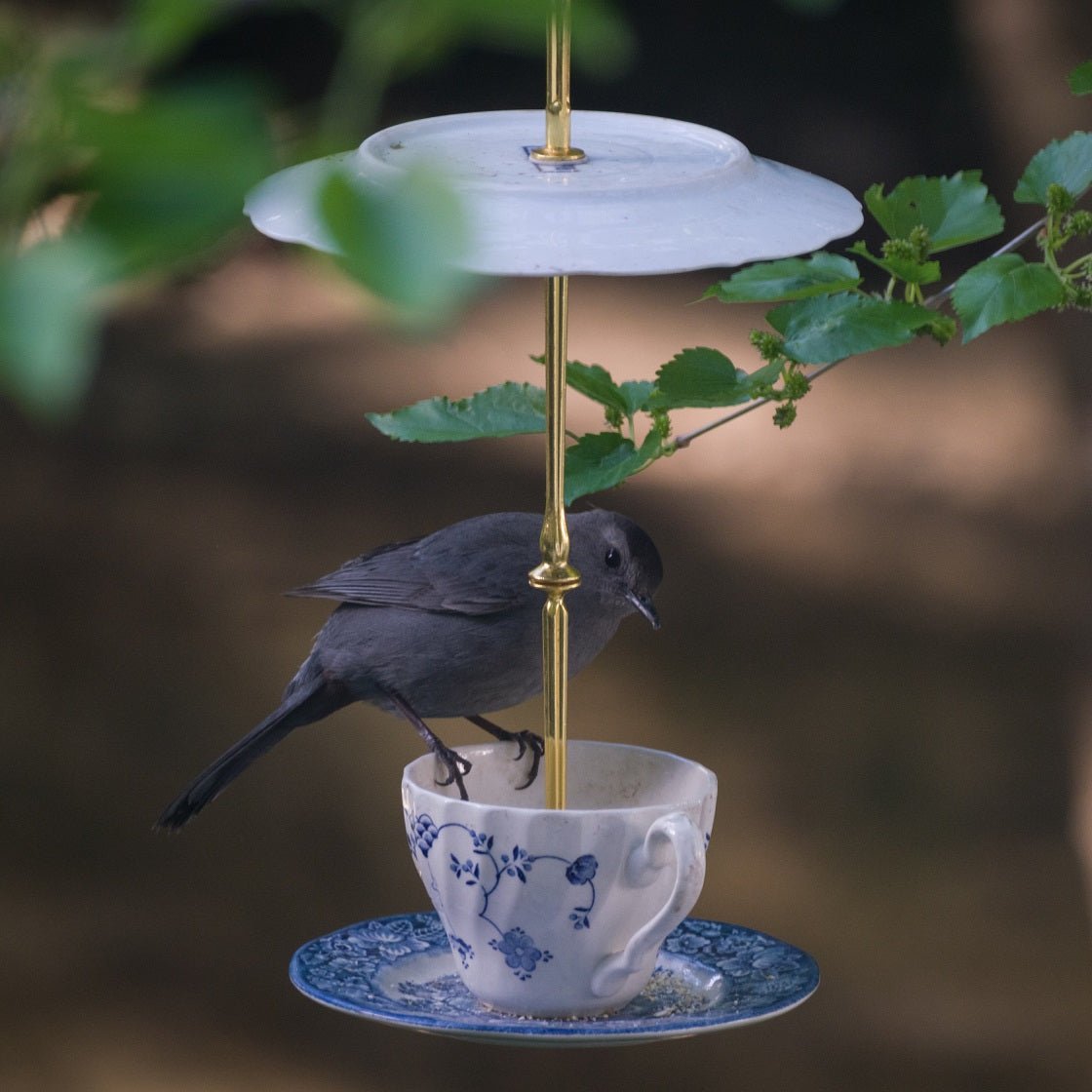
Old teacups attached to branches with waterproof adhesive create whimsical perches that hold small amounts of seed. Glue the cup to a short wooden plaque first, then screw the plaque to a tree trunk or fence post. Add a pinch of nyjer seed for finches that prefer tiny grains.
The smooth ceramic surface wipes clean easily after rain. Position the cups in groups of three or four so multiple birds can feed at once without crowding. Choose cups with handles so you can quickly swap them out when one needs refilling.
Berry Wreath Rings
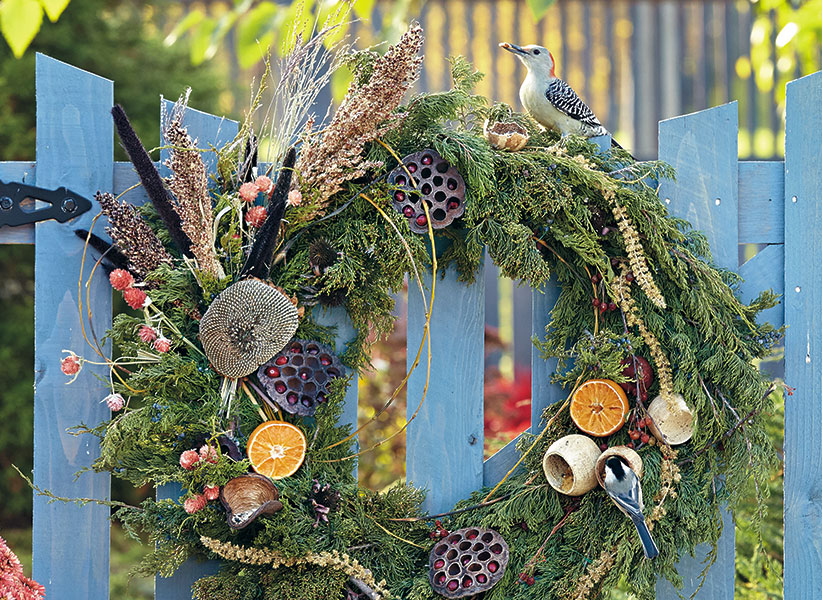
Grapevine wreaths threaded with dried berries and seed clusters function as both decoration and feeder. Weave clusters of rose hips or dried cranberries into the vines, then tuck in small suet balls at intervals. Hang the wreath on a hook where it can spin slightly in the wind.
Robins and mockingbirds that stay through fall often ignore seed but readily take the fruit woven into these wreaths. Check the wreath weekly and replace any berries that have softened. The circular shape distributes weight evenly so the wreath does not tip when birds land on one side.
Mini Pumpkin Bowls
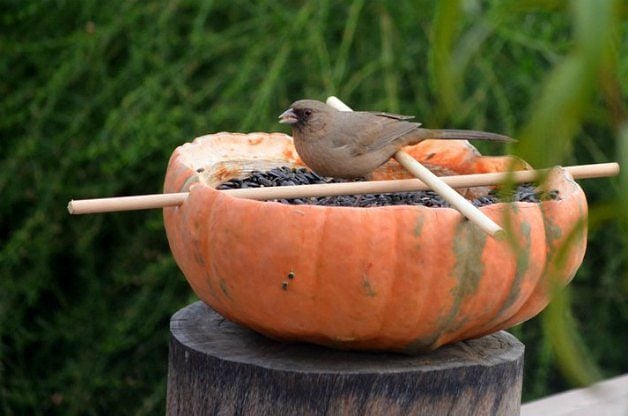
Small pie pumpkins hollowed and filled with seed create seasonal bowls that match fall décor. Cut off the top, scoop the interior, and drill drainage holes in the bottom before setting the pumpkin on a flat railing or stump. Add a handful of safflower and let the rind dry naturally.
The bright orange color draws visual attention from both birds and human visitors. Once the pumpkin begins to soften, move it to the compost pile and replace it with a fresh one. This rotation keeps the feeding area clean without extra cleaning supplies.
Natural Twig Ladders
Bundled twigs lashed together with natural twine form vertical feeding ladders that encourage clinging behavior. Collect straight twigs about eight inches long, arrange them in a ladder pattern, and secure each rung with thin wire. Smear peanut butter along the twigs and dust with seed before hanging.
White-breasted nuthatches travel headfirst down these ladders, a behavior rarely seen at flat trays. Place the ladder against a tree trunk rather than hanging it freely so the twigs stay stable when birds land. Refresh the peanut butter every other day to maintain interest through changing weather.
FAQ
How do I keep squirrels away from my DIY bird feeders?
Place feeders on poles fitted with baffles at least four feet off the ground and five feet from any jumping surface such as tree limbs or fences. Choose safflower or nyjer seed that squirrels find less appealing, and consider adding a hot-pepper suet option in one feeder to create a contrast birds will use while squirrels avoid it.
What types of birds visit feeders most often in fall?
During autumn months, black-capped chickadees, tufted titmice, northern cardinals, and downy woodpeckers appear regularly at well-stocked feeders because they prepare for shorter days and colder nights. Adding a mix of sunflower, millet, and suet supports both seed-eaters and insect-eaters that remain in the area.
How often should I clean my homemade bird feeders?
Wipe down or rinse feeders every two weeks with a mild vinegar solution, especially after rain or when seed looks damp, to prevent mold and bacteria that can harm visiting birds. Allow all parts to dry completely before refilling so moisture does not spoil the next batch of food.
Why do some feeders attract more birds than others?
Feeders placed near shrubs or evergreen cover receive more traffic because birds feel safer when they can retreat quickly from open spaces. Consistent refilling at the same time each day also trains local flocks to return regularly.
Fall brings a steady stream of activity once birds discover reliable food sources in your yard. Keep the feeders stocked and watch the seasonal visitors settle into their routines.
Leave a Reply