
Storing seasonal throw pillows properly keeps their shape, fabric, and stuffing intact through months of disuse. The right containers and placement prevent compression damage, moisture buildup, and fading while making retrieval simple when the season returns. Focus on breathable or protected options that match your available space.
Vacuum-Sealed Bags for Compact Storage

Vacuum-sealed bags compress pillows into a fraction of their normal size, freeing closet or shelf space in small homes. Choose heavy-duty bags designed for bedding rather than thin garment versions that tear easily. Place each pillow flat before sealing and release the vacuum slowly when reopening to avoid sudden expansion that can stress seams.
These bags work best in climate-controlled areas where temperature swings stay minimal. Label each bag with the pillow pattern or room it belongs to so you can locate specific ones without opening every package. Rotate the bags every few months to redistribute any settling fill material.
Pillows stored this way lose less loft than those left in open stacks because the seal blocks dust and insects.
Clear Plastic Storage Bins
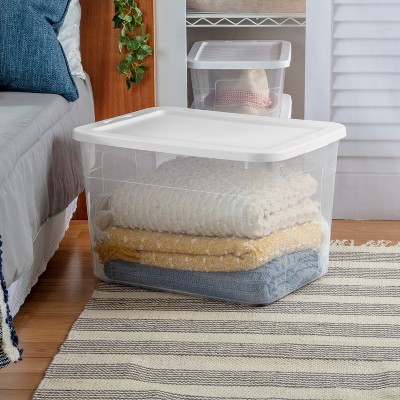
Clear bins let you see contents at a glance without lifting lids, which reduces handling that can flatten edges. Select bins with tight-fitting lids and add a layer of acid-free tissue between each pillow to maintain shape. Stack bins no more than three high so lower pillows do not bear excessive weight.
| Bin Material | Breathability | Stack Strength | Moisture Protection | Best For |
|---|---|---|---|---|
| Rigid plastic | Low | High | Excellent | Long-term closet storage |
| Fabric-covered | Medium | Medium | Good | Living room visibility |
| Wicker basket | High | Low | Poor | Short-term seasonal swap |
Place bins away from direct sunlight to prevent color fading on printed or dyed fabrics. Check seals every season for warping that might let in dust.
Under-Bed Storage Solutions
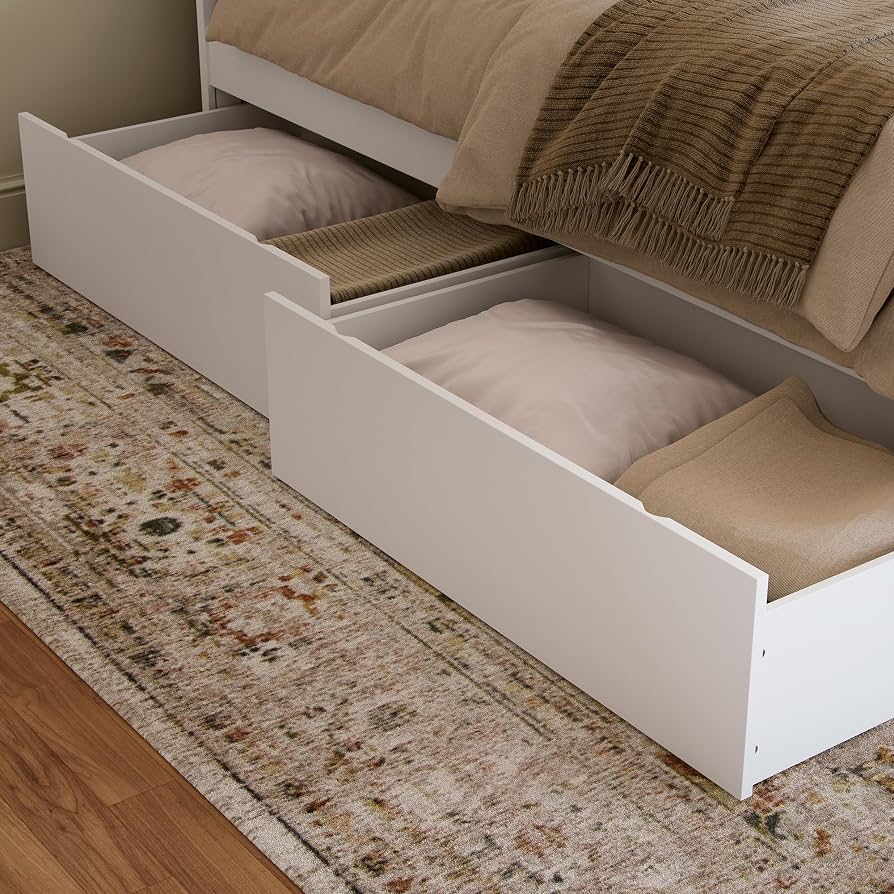
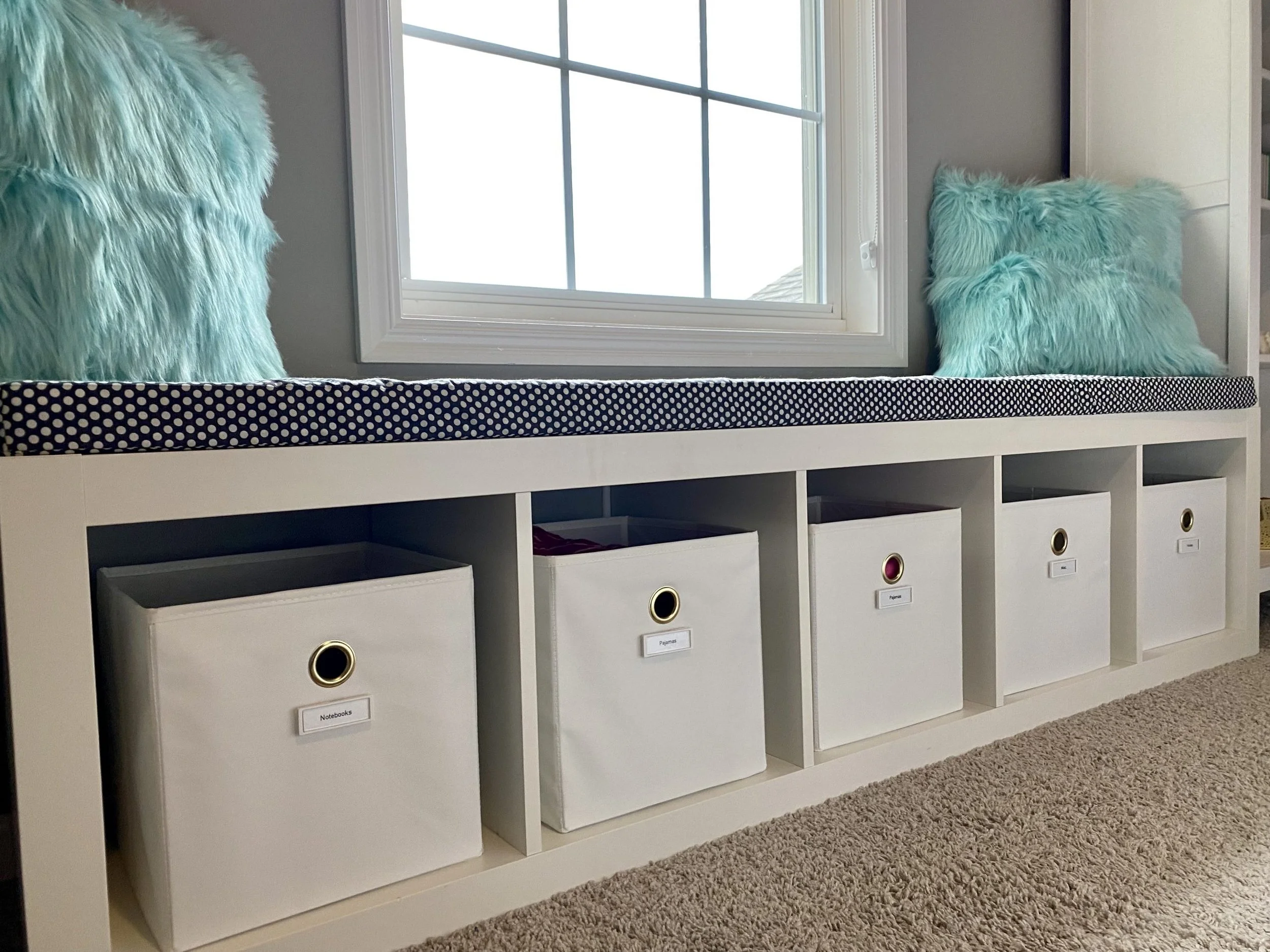
Under-bed containers slide out easily and keep pillows off damp floors when raised on proper frames. Choose shallow drawers or rolling bins that match your bed height so pillows lie flat rather than folded. Add cedar blocks inside to deter moths without direct contact that could stain fabric.
This location works well for homes without extra closet space. Measure clearance before buying containers to avoid forcing pillows into cramped spots that create permanent creases. Dust the floor area first to keep debris from entering when you pull bins out.
Fabric-Covered Ottomans and Benches
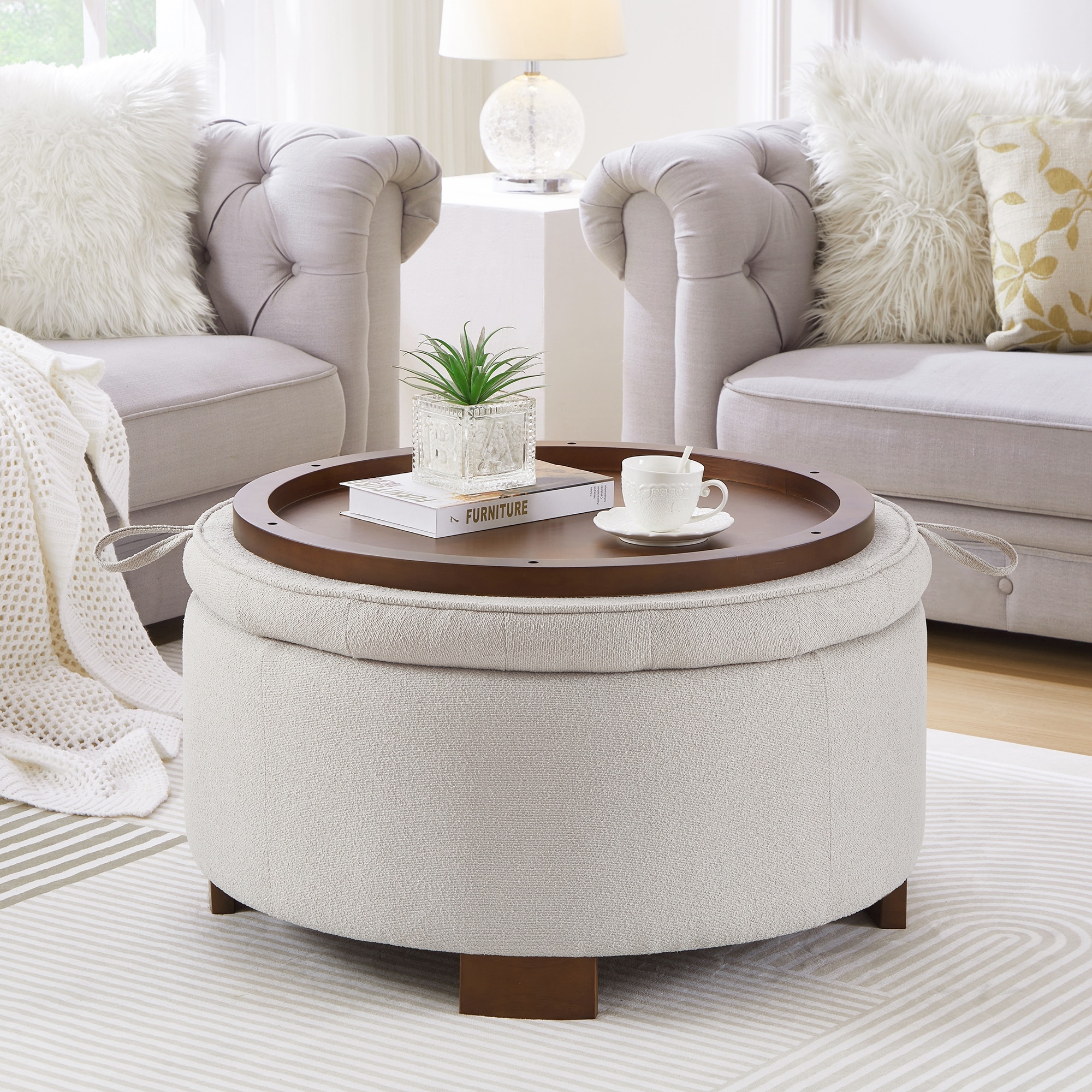
Ottomans double as seating or footrests while hiding pillows inside their hinged compartments. Look for models with reinforced lids that support weight without sagging onto the contents. Line the interior with a breathable cotton sheet to protect pillow covers from rubbing against rough wood or particleboard.
These pieces suit living rooms where you want seasonal items accessible yet out of sight. Choose neutral upholstery that matches your existing furniture so the ottoman remains useful year-round. Avoid overfilling so the lid closes fully and maintains a clean silhouette.
- ✦Choose ottomans with cedar bases for natural pest resistance
- ✦Select models with wheels for easier seasonal rotation
- ✦Opt for washable interior liners when children or pets are present
Hanging Closet Organizers
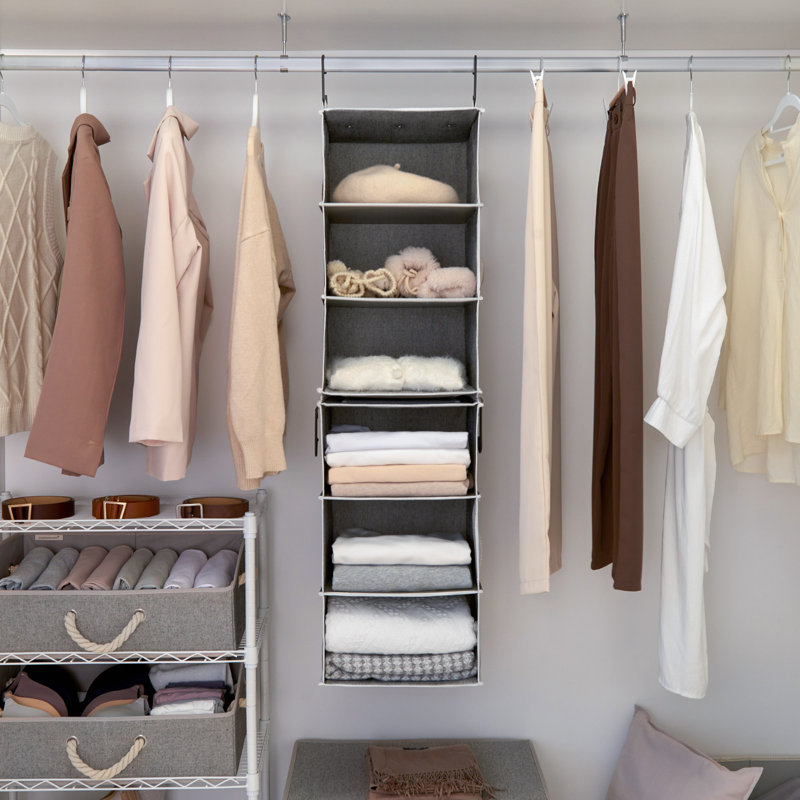
Hanging organizers with multiple compartments keep pillows separated and visible along a closet rod. Select versions made from sturdy canvas rather than thin mesh that sags under weight. Hang them at eye level so you can reach each pillow without disturbing others above or below.
This method suits apartments with limited floor space. Stuff each compartment loosely to preserve pillow shape and zip or Velcro the front panel fully to block dust. Check the hanging hardware periodically because added weight can stretch cheap rods over time.
Heavy pillows in hanging organizers can pull rods downward over months, so reinforce the rod with an extra bracket before loading.
FAQ
How do I prevent mold when storing throw pillows in plastic bins?
Choose bins with tight lids but add a few silica gel packets inside each one to absorb residual moisture. Store the bins in a temperature-stable room rather than attics or basements where humidity fluctuates. Open the bins briefly every three months to let air circulate and check for any musty odor before it spreads.
What size storage container works best for oversized throw pillows? Measure each pillow when laid flat and select bins at least two inches larger in every dimension so edges do not fold or crease.
Square or rectangular bins usually fit more efficiently than round ones when stacking multiple pillows. Test the fit before committing to a full set of containers.
Can I store throw pillows in cardboard boxes without damage? Cardboard absorbs moisture and can transfer acids to fabric over time, so line boxes with acid-free paper first.
Keep boxes off concrete floors and away from exterior walls where condensation forms. Replace the boxes every two seasons because repeated humidity exposure weakens the structure.
How often should I rotate stored throw pillows? Check and gently fluff pillows every three to four months to redistribute filling and inspect for pests or mildew.
Rotate their positions in the stack so bottom pillows do not remain compressed longest. This simple habit prevents permanent flattening that becomes noticeable only after unpacking.
Seasonal storage succeeds when you match the container to both your space and the pillow’s construction. Consistent checks and proper materials keep every piece ready for the next use without extra cleaning or repairs.
Leave a Reply