
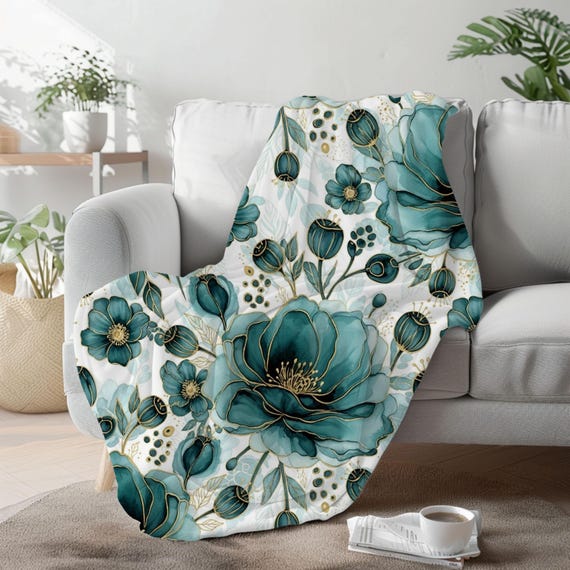
Selecting the right throw blanket fabric changes how your living room feels during winter. The material determines warmth retention, texture against skin, and how well it holds up to daily use on sofas and chairs. Focus on fibers that trap heat without adding bulk while matching your existing furniture and lifestyle needs.
Wool Throw Blankets
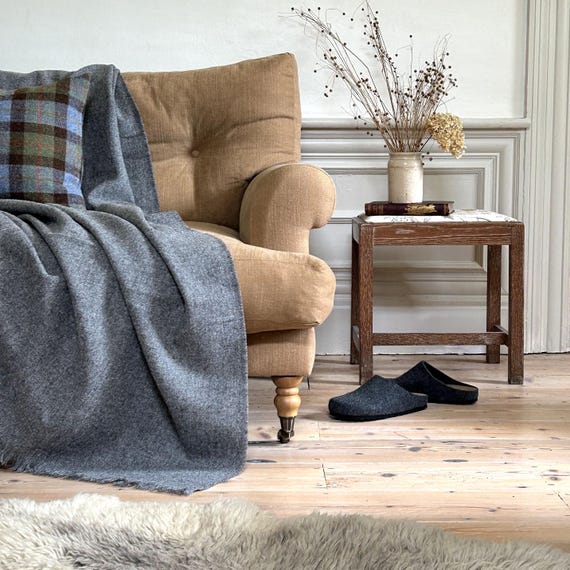
Wool creates a natural barrier against cold air while allowing moisture to escape, so blankets stay dry rather than clammy. This makes wool especially useful in rooms with fluctuating temperatures from fireplaces or large windows. You gain consistent warmth even on nights when the heat dips low.
Sheep’s wool and merino wool offer different weights and softness levels. Merino feels lighter against the skin yet still insulates effectively. Sheep’s wool provides more structure for throws that stay in place on the back of a couch.
Wool retains heat even when damp, unlike many synthetic options that lose loft when wet.
- Choose tightly woven wool for durability on high-traffic furniture
- Select open-weave styles when you want lighter coverage for mild evenings
- Look for pre-shrunk labels if you plan to wash the blanket at home
Cashmere Throw Blankets
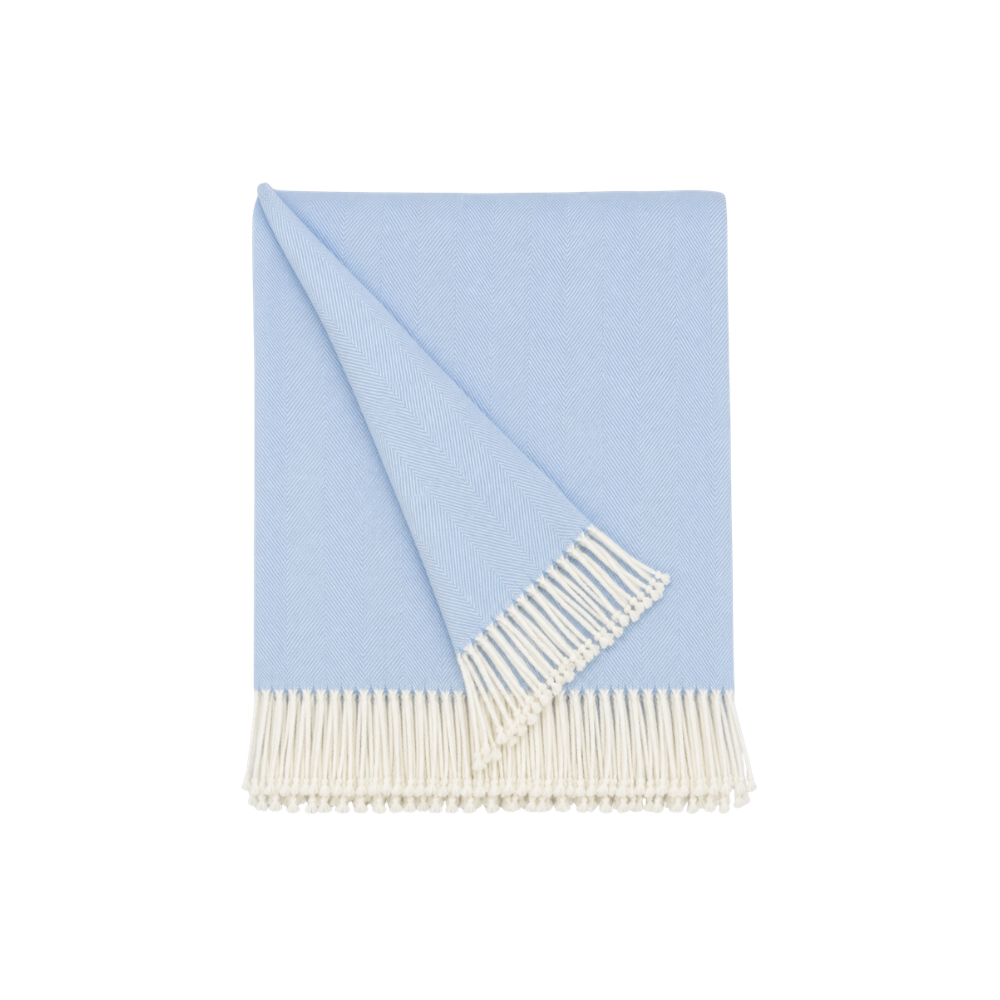
Cashmere delivers exceptional softness from fine goat hair while maintaining surprising warmth for its light weight. The fiber’s natural crimp traps air pockets that hold body heat close without the heaviness of thicker wools. Your sofa gains a luxurious layer that feels inviting during long winter evenings.
Longer fibers in higher-quality cashmere resist pilling better over time. Blends with a small percentage of wool add structure if you prefer a throw that drapes neatly rather than slipping off cushions. Avoid placing cashmere near direct heat sources to prevent fiber damage.
Fleece Throw Blankets
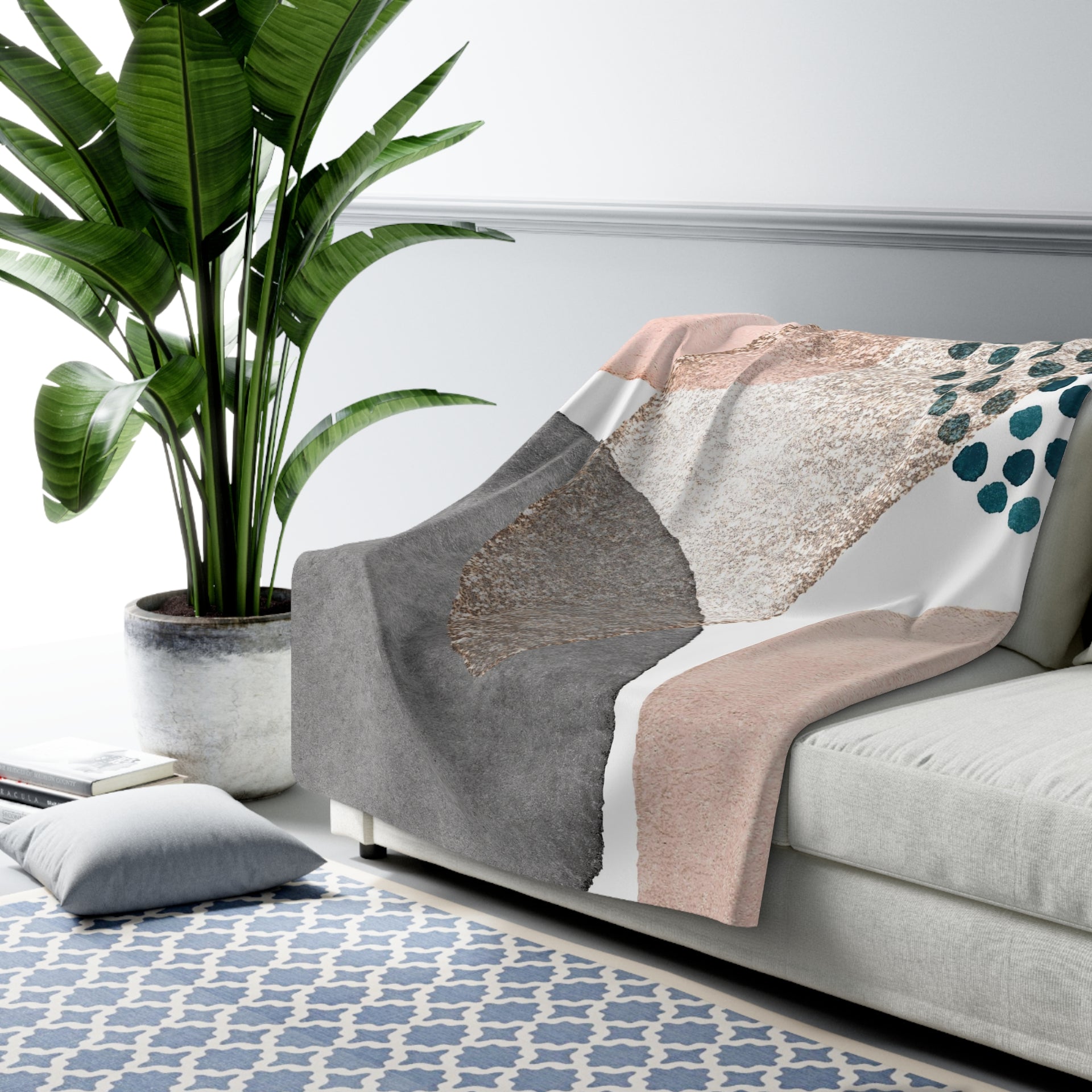
Fleece traps air within its brushed surface to create reliable insulation at a lower cost than natural fibers. The material dries quickly after spills and resists shrinking in the wash, making it practical for households with children or pets. You receive consistent performance without special storage requirements.
Different pile heights affect both warmth and appearance. Low-pile fleece feels smoother and packs smaller for storage, while high-pile versions add visible texture to neutral rooms. Microfleece offers a middle option that balances softness with easier folding.
Cotton Throw Blankets
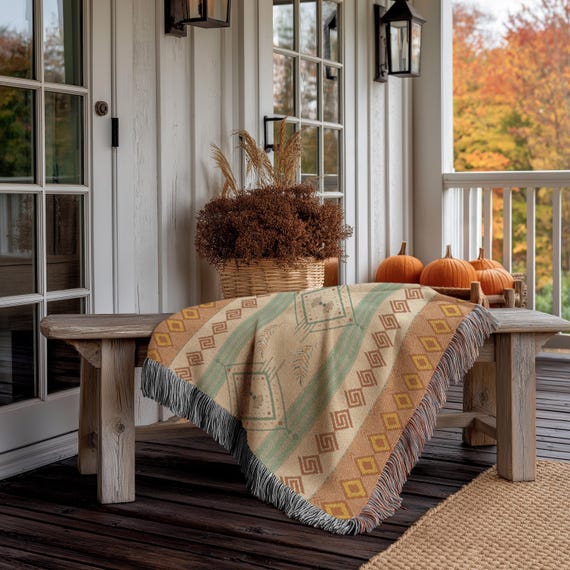
Cotton provides breathable coverage that works when indoor temperatures swing between day and night. The fiber absorbs moisture yet releases it faster than many synthetics, preventing that heavy, damp feeling against skin. Layering two cotton throws builds extra warmth without the stiffness of wool.
Percale weaves feel crisp and cool to start, while flannel finishes add a brushed surface for more insulation. Organic cotton options reduce chemical exposure if you prefer natural materials near your face during movie nights. Both types hold dye well, so patterns stay vibrant through repeated washing.
Chenille Throw Blankets
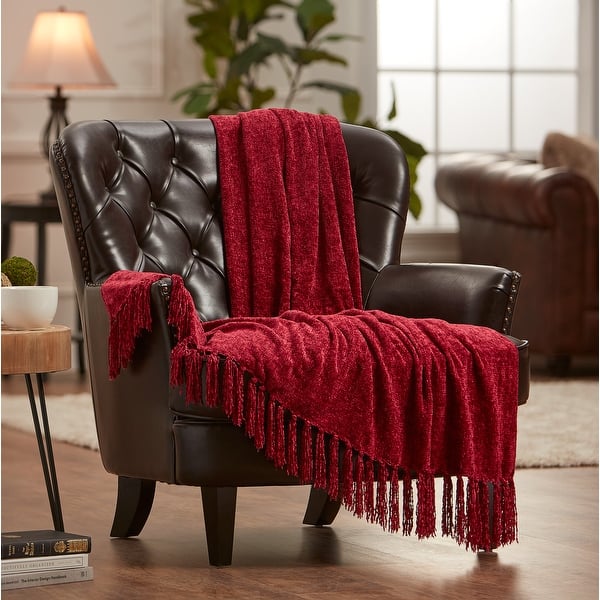
Chenille’s fuzzy pile creates a velvety surface that adds immediate softness and visual depth to seating areas. The raised yarns trap small pockets of air that contribute to warmth while the fabric remains flexible enough to tuck around legs. Your room gains a tactile element that encourages curling up.
Tighter weaves in chenille hold shape longer and resist shedding compared with loosely constructed versions. Cotton chenille offers easier care than rayon blends, which can stretch when wet. Position chenille throws away from rough surfaces to maintain the pile’s even appearance.
Acrylic Throw Blankets
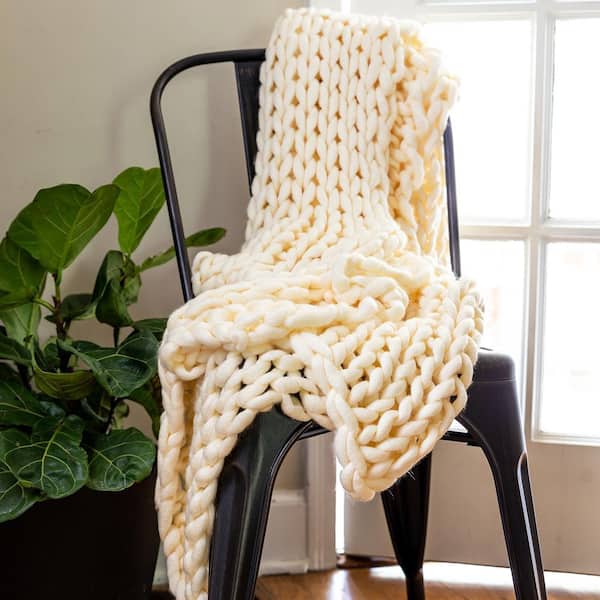
Acrylic mimics the loft and warmth of wool at a fraction of the weight and price. The synthetic fibers resist moths and mildew, which helps in humid winter climates where moisture lingers. You get reliable coverage that maintains its shape after machine washing.
Newer acrylic versions include anti-static treatments that reduce clinging to clothing and upholstery. Look for thicker constructions when maximum insulation matters most. Lighter acrylics work well as decorative layers over heavier base blankets.
How to Choose Between Fabrics
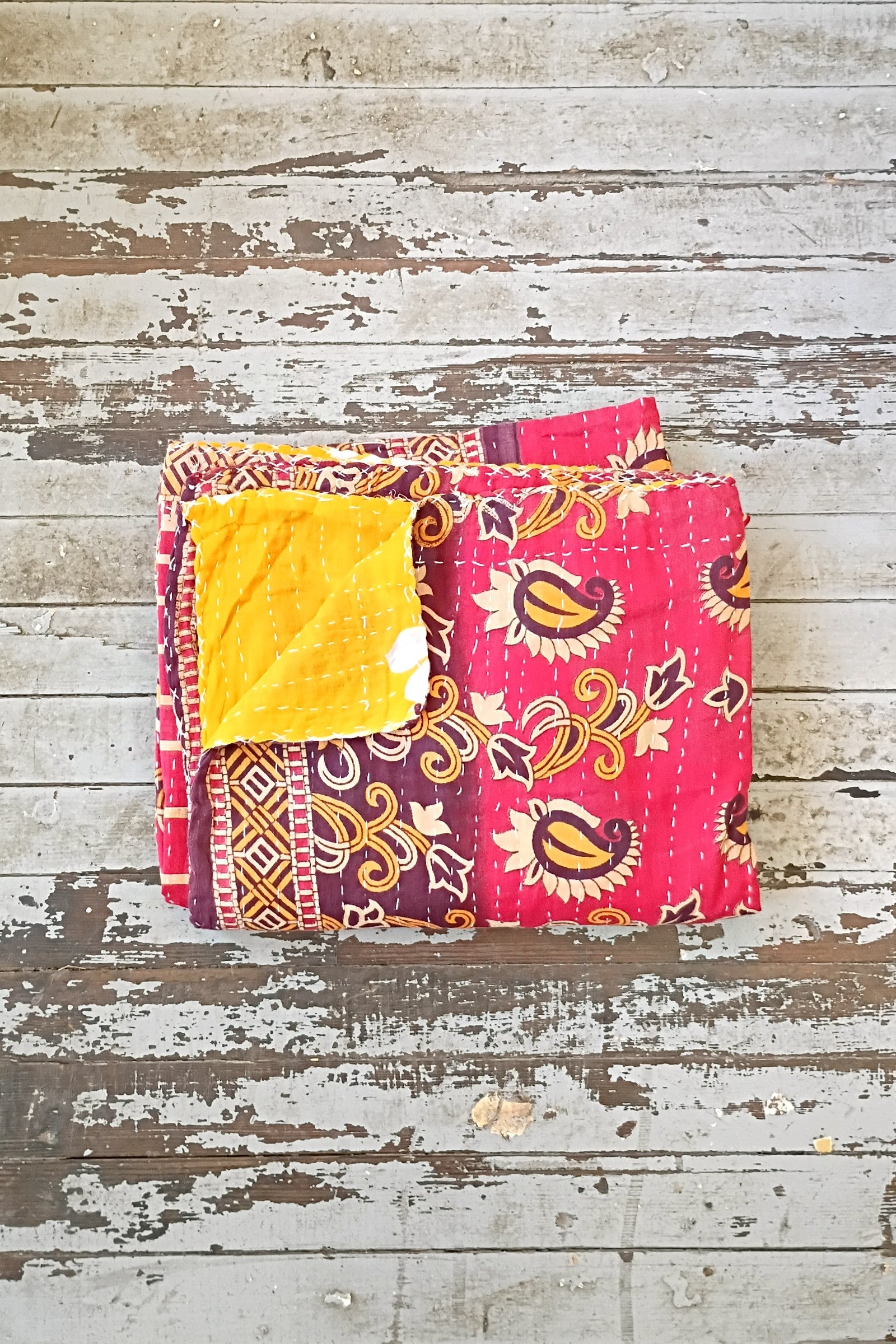
A quick comparison helps match fabric performance to your specific room conditions and daily habits.
| Fabric | Warmth Level | Care Needs | Best For |
|---|---|---|---|
| Wool | High | Spot clean or dry clean | Drafty rooms |
| Cashmere | Medium-High | Hand wash | Light layering |
| Fleece | Medium | Machine wash | Everyday family use |
| Cotton | Low-Medium | Machine wash | Breathable coverage |
| Chenille | Medium | Gentle cycle | Soft decorative touch |
| Acrylic | Medium | Machine wash | Budget and allergy needs |
Acrylic can develop static in very dry heated rooms, so pair it with a humidifier if that becomes noticeable.
Common Care Practices Across Fabrics
Store folded throws in breathable cotton bags rather than plastic to prevent moisture buildup. Rotate which blanket sits on the sofa every few weeks so wear distributes evenly. Check care labels before attempting spot treatment, since some fibers shrink or felt when exposed to heat.
FAQ
How warm is wool compared with fleece for winter use?
Wool provides steady insulation even in damp conditions because its fibers naturally wick moisture away from the body. Fleece relies on trapped air within its pile and can feel less effective once it absorbs humidity. Many people layer a light wool throw over fleece when temperatures drop below freezing.
Does cashmere require special storage during summer months?
Cashmere benefits from cool, dark storage in cedar or lavender sachets to deter moths without chemical sprays. Fold rather than hang the blanket to avoid stretching the delicate fibers. Air the throw briefly before returning it to use so any residual scents dissipate.
Which fabric holds up best to frequent washing?
Fleece and acrylic maintain their shape and color through repeated machine cycles better than delicate natural fibers. Cotton follows closely when washed in cold water on gentle settings. Avoid high-heat drying on any throw to prevent shrinkage or pilling that shortens lifespan.
Can chenille be used outdoors on covered patios?
Chenille absorbs moisture readily and dries slowly, so it performs poorly in outdoor settings even when covered. Stick to indoor use where humidity stays controlled. Fleece or acrylic offers better resilience if you need a throw for semi-outdoor spaces.
Your living room becomes noticeably more inviting once you match the right fabric to how you actually use the space each evening.
Leave a Reply