
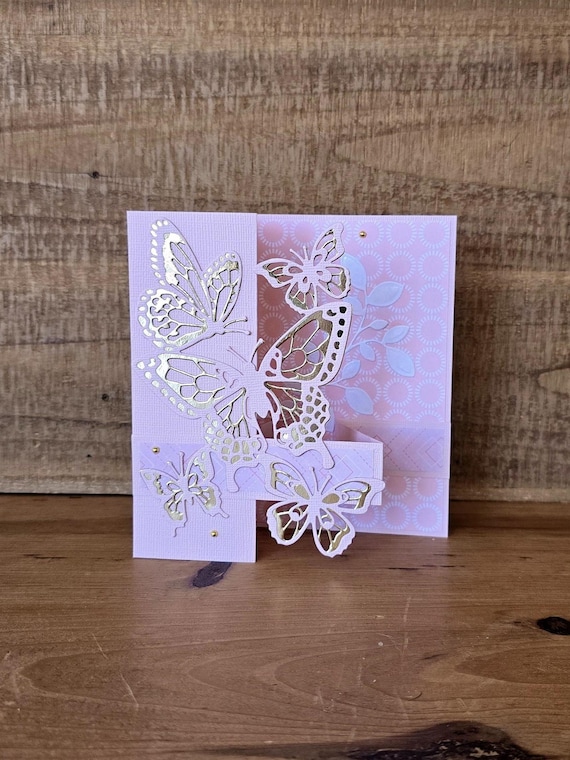
Selecting the right paper makes the difference between a greeting card that feels flimsy and one that holds its shape through mailing and display. Different papers bring distinct textures, weights, and finishes that change how ink sits, how folds hold, and how embellishments attach. Matching the paper to the card style and technique avoids common problems like buckling or bleeding.
Heavyweight Cardstock
Heavyweight cardstock forms the backbone of most durable handmade cards because its thickness resists warping when layers or wet media are added. The 80- to 110-pound range gives enough body for a card to stand on a shelf without extra support while still folding cleanly. Many crafters choose smooth finishes for crisp stamped images and textured finishes when they want a tactile surface that pairs well with ribbon or washi tape.
Paper weight directly affects how the card travels through the mail. Lighter sheets bend easily at the corners, while heavier sheets keep their rectangular shape. Always score the fold line first with a bone folder to prevent cracking along the edge.
A 110-pound sheet can support three layers of lighter paper without sagging when the card is propped open.
Textured Watercolor Paper
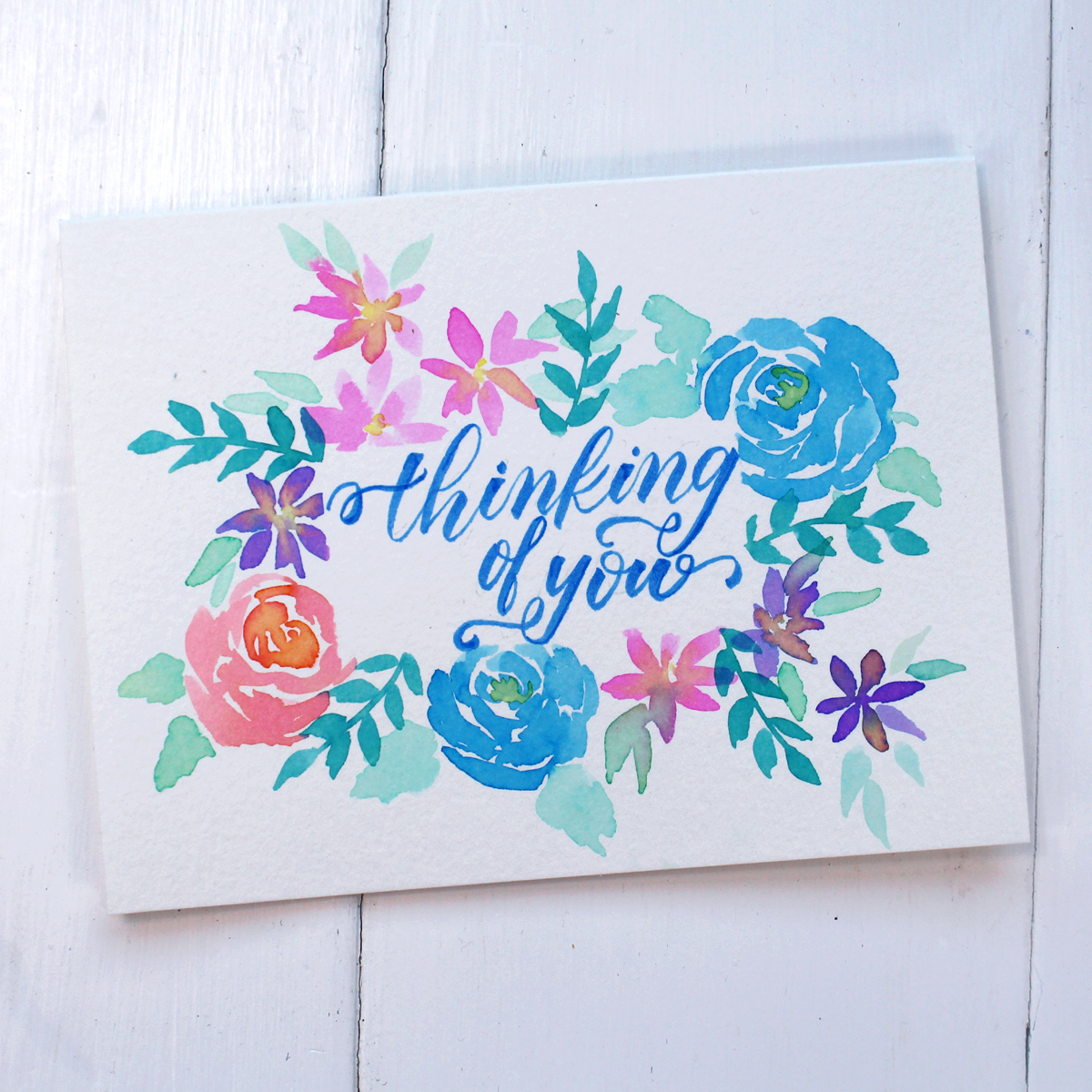
Watercolor paper accepts liquid media without the cockling that ruins ordinary cardstock. Cold-press sheets provide a subtle tooth that grabs pigment while hot-press sheets offer a smoother surface for fine lettering. Both types come in 140-pound weights that double as the card base itself.
Artists often trim a painted sheet to size and mount it on a folded cardstock backing for extra strength. The extra step prevents the painted area from softening when humidity changes. Test a small swatch first if the design includes metallic watercolor, because some metallics lift when folded.
Translucent Vellum
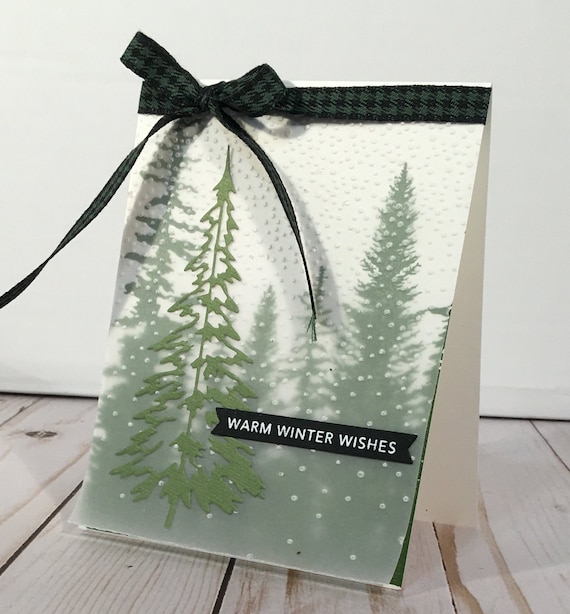
Vellum adds a delicate overlay that softens bold patterns underneath without hiding them completely. Its smooth surface takes most inks well, though slow-drying varieties can smear if the card is closed too soon. Many makers use a light spray of fixative before layering vellum over stamped images.
Vellum shows every fingerprint, so handle sheets by the edges or wear cotton gloves during assembly.
Placement options include full-sheet covers, narrow strips across the center, or small windows cut into the vellum itself. Each approach changes how much of the base design remains visible.
- ✿ Full overlay for soft, romantic looks
- ✿ Center strip to highlight a focal image
- ✿ Corner accents when only a hint of color is needed
Rustic Kraft Paper
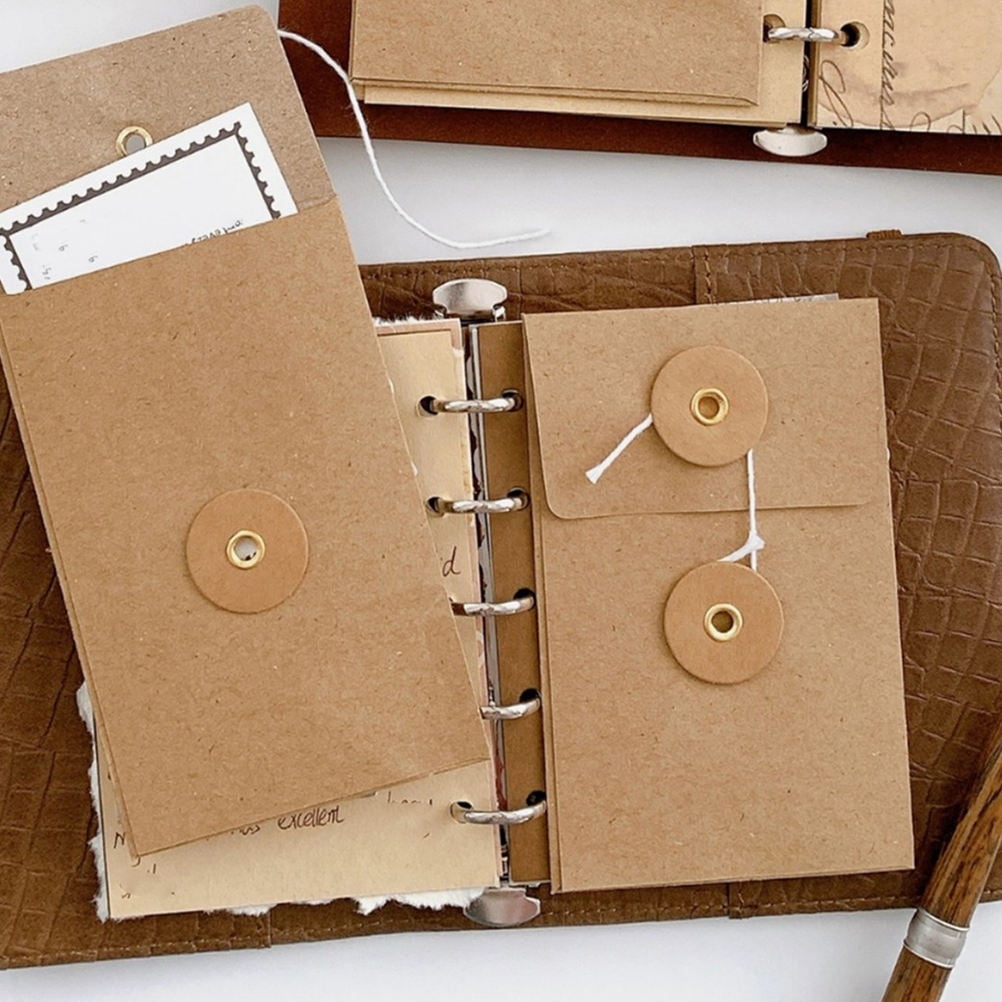
Kraft paper brings an earthy tone that pairs naturally with twine, dried botanicals, and kraft-colored envelopes. Its fibrous texture accepts both dark and light inks, though very light colors may need an extra coat. The 60- to 80-pound range folds without scoring yet still feels substantial.
Kraft accepts embossing powder cleanly because the surface is slightly porous. Heat from the embossing tool does not scorch the paper the way it can on bright white cardstock. For a two-tone effect, stamp first in dark brown ink, then add a second layer in cream after the first has dried.
Shimmery Metallic Paper
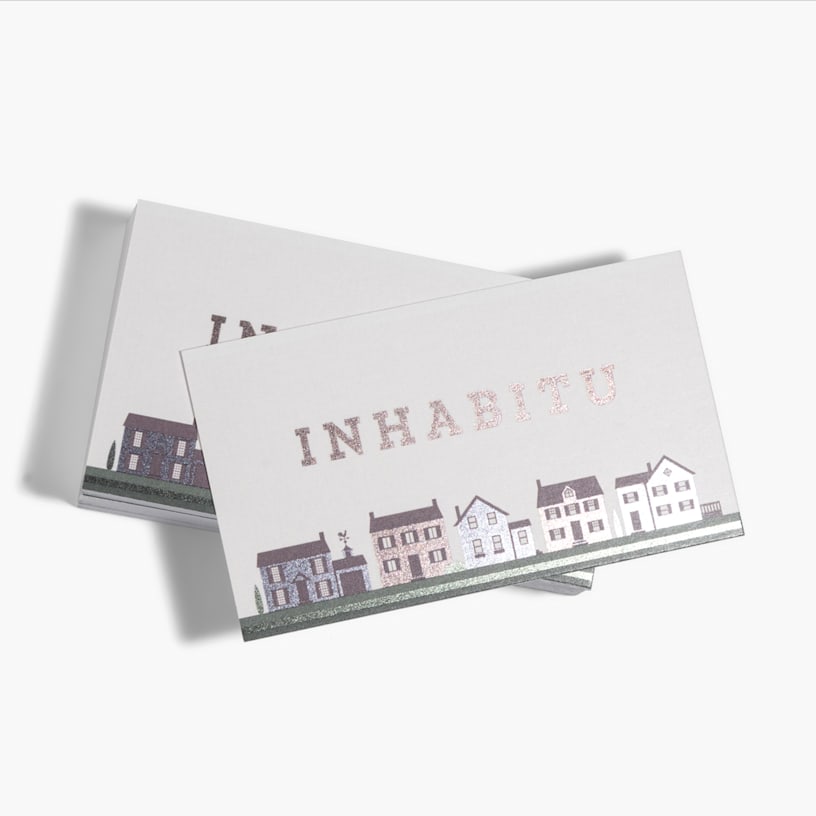
Metallic paper reflects light and makes small cards feel more expensive. The coating can resist some water-based inks, so pigment or alcohol inks give more reliable results. A light sanding with fine grit paper on the area to be stamped creates enough tooth for standard dye ink to adhere.
Cut metallic sheets with a sharp blade rather than scissors to avoid dragging the surface. Store unused sheets flat between two pieces of plain cardstock so the finish does not pick up scratches from other papers in the drawer.
FAQ
What weight of paper works best for cards that will be mailed?
Eighty-pound cardstock strikes the best balance for most mailed cards because it resists bending yet still fits through automated sorting equipment. Heavier sheets may require extra postage and can crease during handling. Always add a protective layer of tissue inside the envelope if the card carries raised embellishments.
How do I stop ink from bleeding on vellum?
Use pigment or solvent-based inks rather than dye inks, and allow extra drying time before touching the surface. A quick pass with a low-heat embossing gun speeds drying without warping the sheet. Test each new ink brand on a scrap before committing to the final card.
Can I print directly onto textured watercolor paper?
Most home printers handle 140-pound cold-press sheets if the feed tray is adjusted for thicker stock. Run a single sheet at a time and choose the thick paper setting to prevent jamming. If the printer still struggles, print the design on a lightweight sheet first and adhere it to the painted background with glue dots.
Does metallic paper work with embossing folders?
Yes, but run the folder through the machine only once and use a shim if the folder feels tight. The metallic coating can pick up fine scratches, so place a sheet of plain paper between the folder and the metallic surface for protection.
One well-chosen paper elevates every other element on the card, from the ink color to the final embellishment.
Leave a Reply