
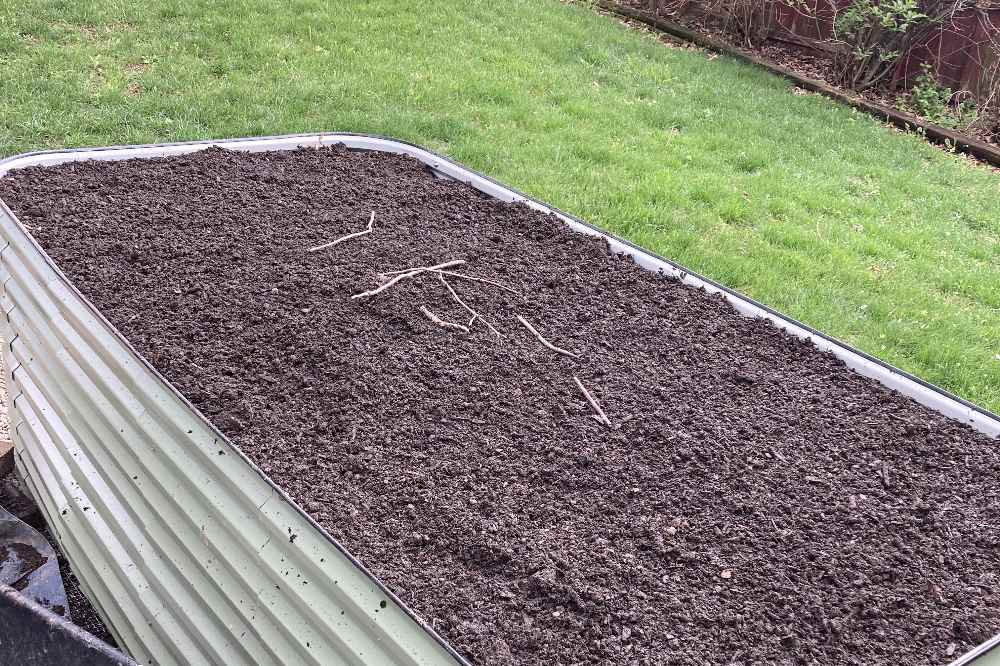
Choosing mulch for winter protection in raised beds centers on materials that hold steady against freeze-thaw cycles while keeping soil structure intact until spring planting resumes. The right choice reduces moisture loss, blocks wind erosion, and moderates temperature swings around root zones. Different mulches deliver these benefits through distinct textures and breakdown rates, so matching the material to your bed conditions and plant types produces the most reliable results.
Straw Mulch
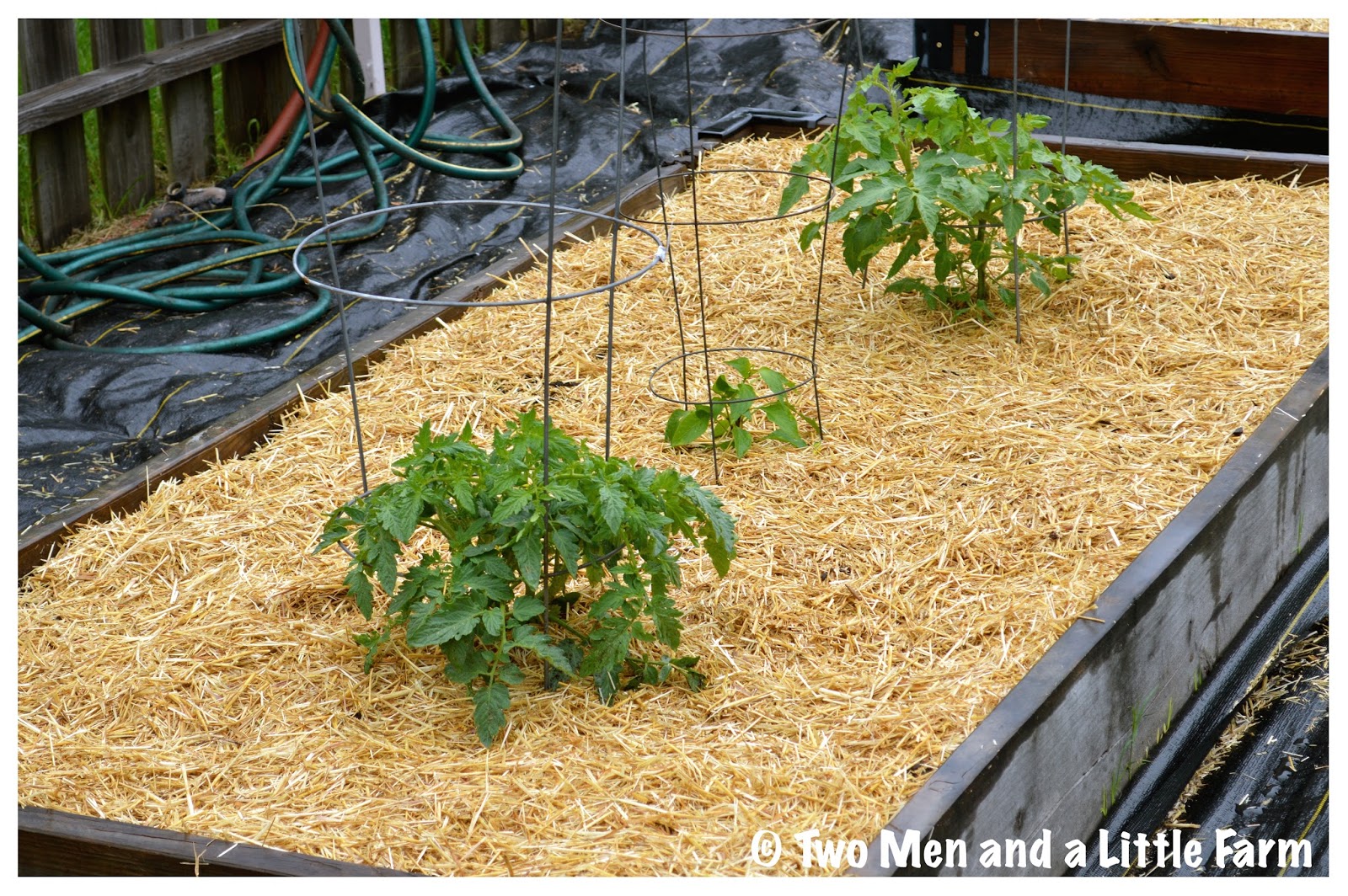
Straw creates an airy layer that traps pockets of air for insulation without compacting under snow load. This structure lets excess winter rain drain through instead of pooling against stems, which helps avoid crown rot in perennials left in place. Gardeners often find straw breaks down slowly enough to last until early spring without turning into a soggy mat.
Placement matters more than many expect. Spread the straw six to eight inches deep across the entire bed surface, tucking it lightly around the base of any overwintering plants.
Avoid packing it tightly, because compression reduces the insulating air space that protects soil from deep freezes. In windy areas, a thin layer of soil or twigs on top keeps the straw from blowing away before snow arrives.
Straw works especially well on beds that stay somewhat exposed because its light color reflects winter sun and slows premature thawing.
- Wheat straw offers the cleanest texture with fewer weed seeds than barley or oat varieties.
- Avoid hay, which often contains viable seeds that sprout in spring.
- Source straw from local farms to ensure it has not been treated with persistent herbicides.
Wood Chip Mulch
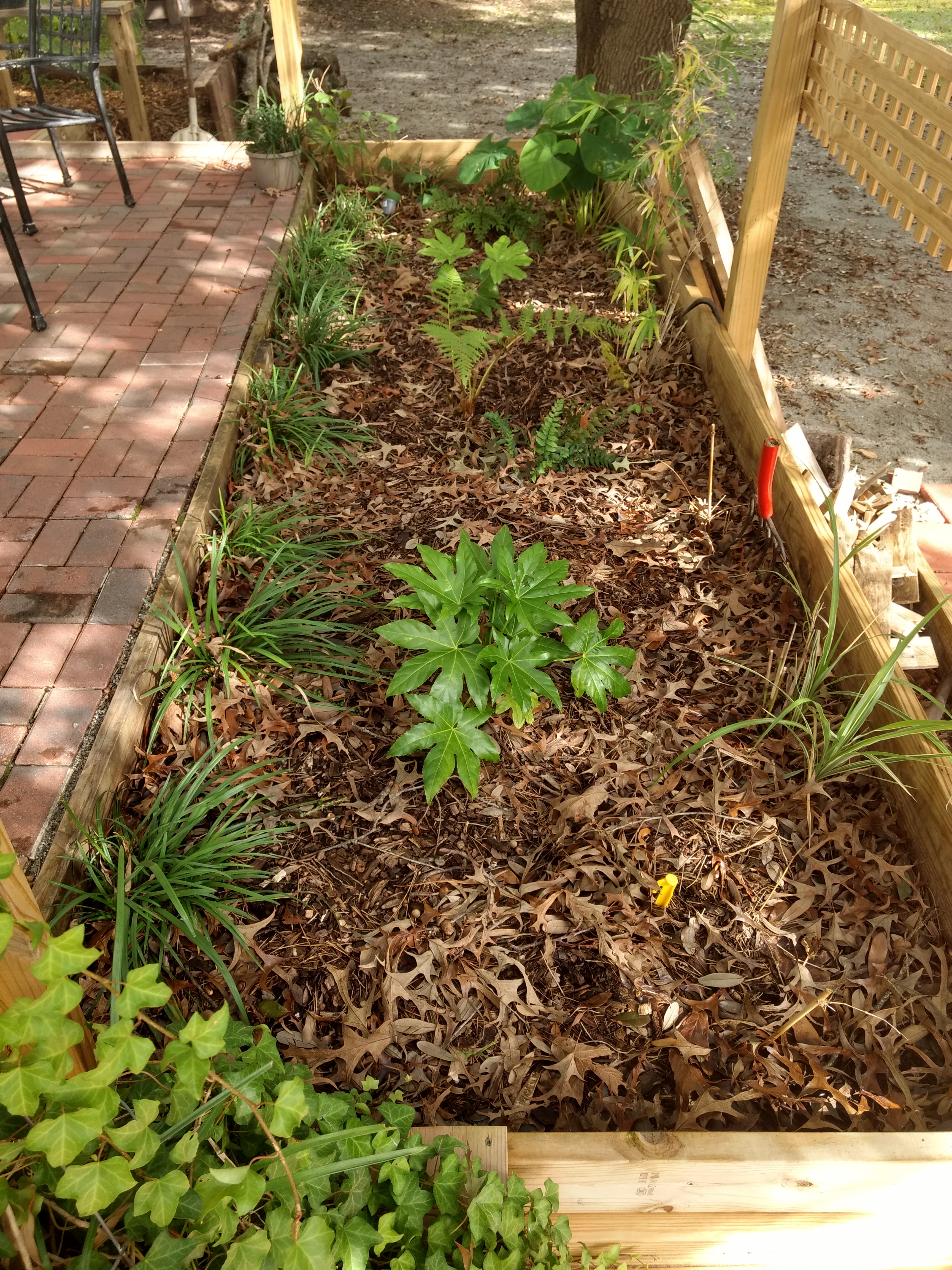
Wood chips form a denser barrier that holds moisture near the soil surface during dry winter spells. Their larger particle size resists compaction better than fine sawdust, allowing some air exchange while still shielding roots from sudden temperature drops. Over time the chips slowly release minor nutrients as they begin to break down, giving beds a head start before spring amendments.
Consider how your beds drain before committing to a thick wood-chip layer. In heavy clay soils, a four-inch depth prevents water from sitting too long against crowns.
Sandy beds tolerate a slightly deeper application because excess moisture moves away quickly. Reapply only the areas that have thinned from wind or animal activity rather than adding a full new layer each year.
Shredded Leaf Mulch
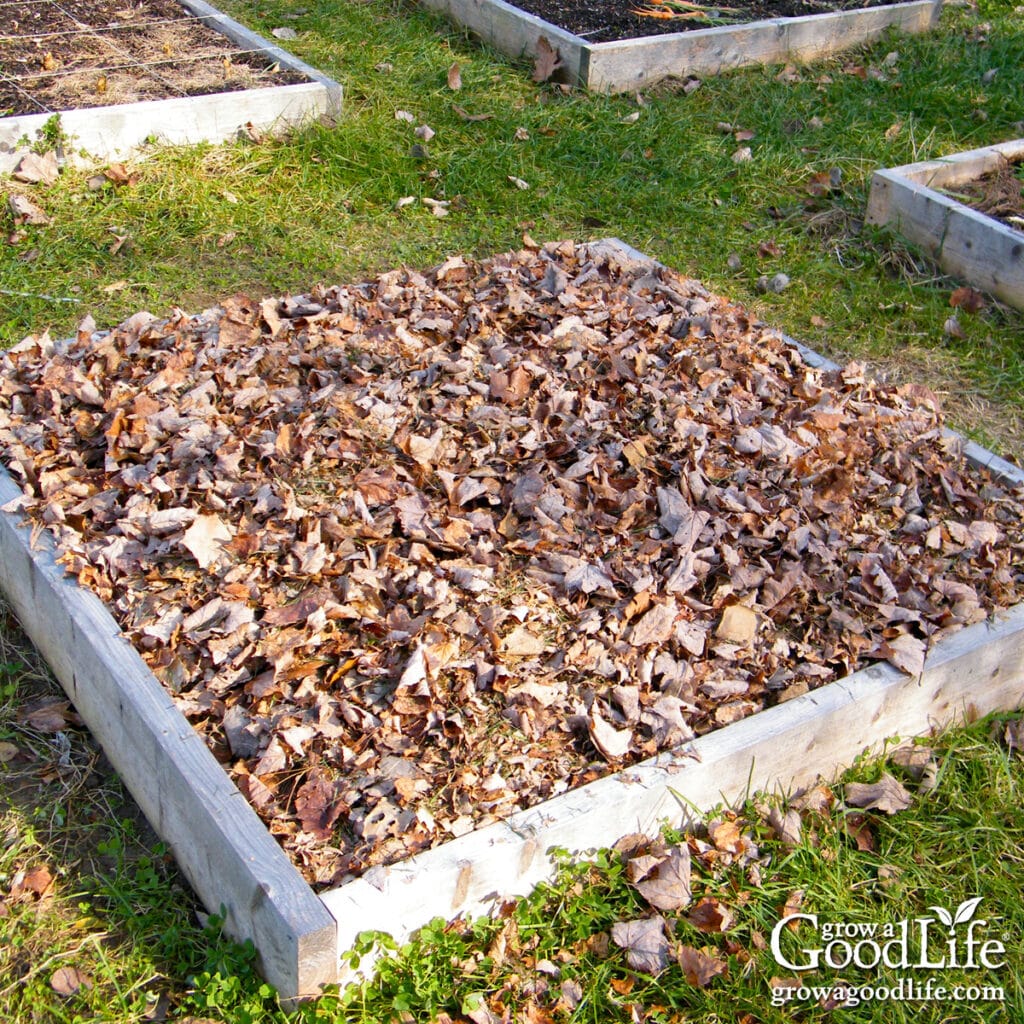
Shredded leaves settle into a tight mat that blocks wind and reduces the chance of soil heaving around shallow roots. Because leaves already contain a range of minerals, their gradual decomposition adds organic matter directly into the top few inches of soil by early spring. This natural cycling often improves tilth without extra compost applications.
Leaf mulch performs best when run through a mower or shredder first. Whole leaves can mat into a waterproof layer that repels water instead of absorbing it. Mix in a small amount of straw if the leaves come mostly from maples or oaks, which break down faster than beech or oak leaves and may need reinforcement mid-winter.
Leaves collected from streets can carry road salt, so rinse or source them from your own property to protect soil chemistry.
Pine Needle Mulch
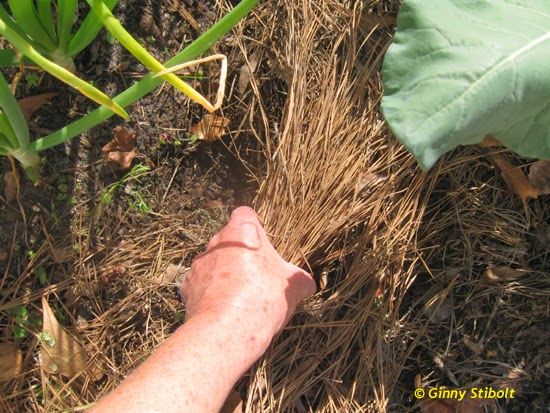
Pine needles interlock to form a springy cover that stays in place even on sloped beds. Their natural acidity suits beds growing blueberries, rhododendrons, or other acid-loving plants that remain in raised beds year-round. The needles also resist mold better than many other organic options, keeping the surface drier during extended wet periods.
Apply pine needles in a four-to-six-inch layer directly after the first hard frost. This timing lets the needles settle before heavy snow arrives and reduces the chance they will blow into neighboring lawns. Because needles take longer to break down, one application often carries through until late spring when beds are turned for new crops.
Bark Mulch
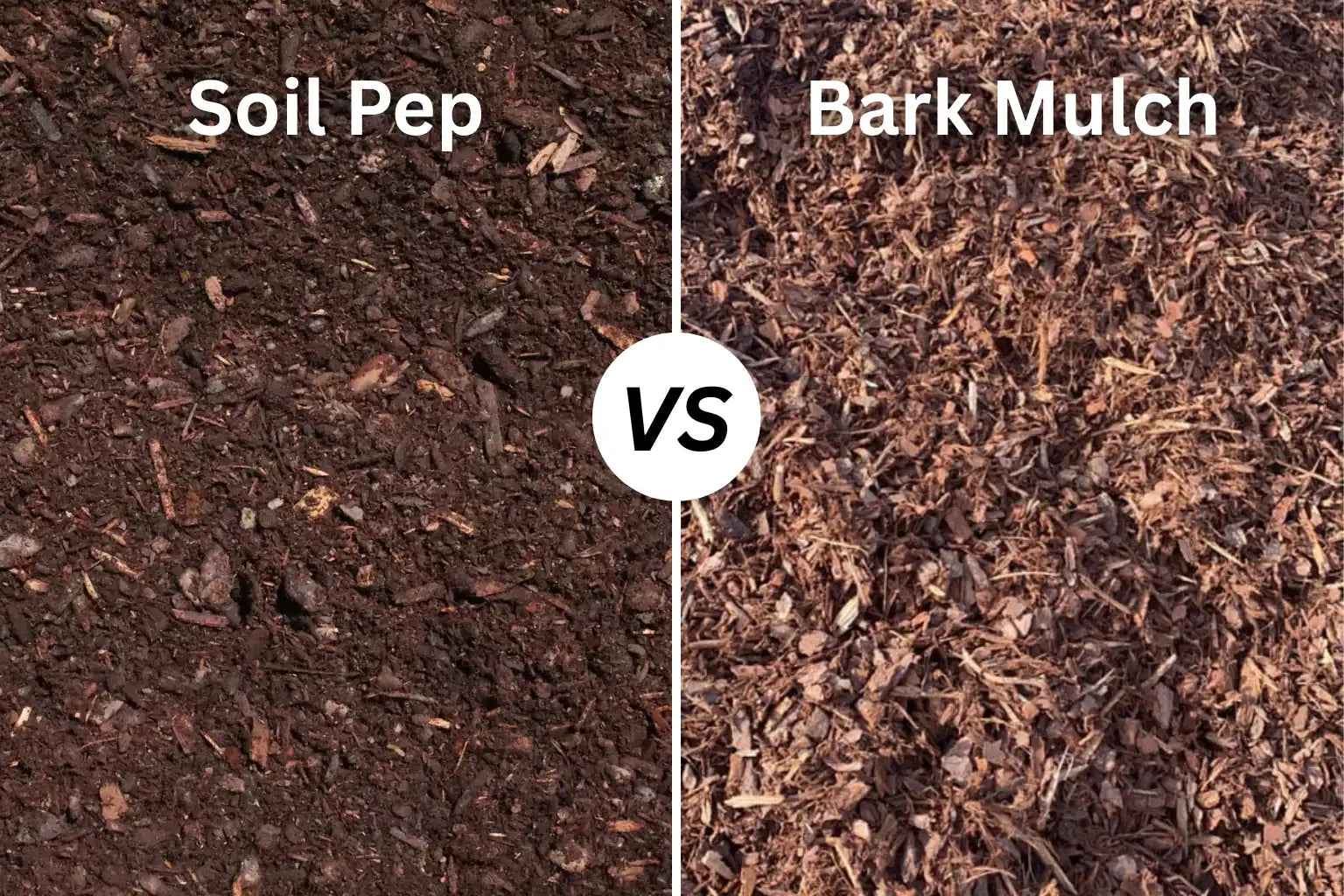
Bark pieces create a coarse, long-lasting surface that stands up to foot traffic around beds during winter maintenance. Larger nuggets allow airflow while still moderating soil temperature swings, and their dark color absorbs sunlight to prevent overly deep freezes in milder climates. Bark also discourages slugs and snails from overwintering near plant crowns because it dries out quickly after rain.
Choose aged bark over fresh material to avoid nitrogen tie-up in the soil below. Fresh bark can pull nitrogen as it begins to decompose, leaving plants short during the first growth push in spring. A three-inch layer refreshed every other year maintains protection without building up excess material that becomes difficult to remove later.
How deep should mulch sit on raised beds before winter sets in?
Six to eight inches of loose material gives the best temperature buffer for most climates. Shallower layers fail to block rapid freezes, while thicker piles can trap too much moisture against stems. Check depth after the first snow settles and add more only where settling has created thin spots.
Which mulch stays put best on windy sites?
Straw and pine needles both resist displacement when lightly weighted with a few twigs or a thin soil sprinkle. Wood chips and bark stay in place naturally because of their weight, but they cost more upfront. Test a small section of each material in your specific exposure before covering the entire bed.
Can mulch be left in place through spring planting?
Most organic mulches can stay until soil warms, then be raked aside or worked in as amendment. Pine needles and bark break down slowly enough that they often remain useful into the second season. Remove only the portion directly where new seeds or transplants will go to avoid interfering with germination.
Leave a Reply