
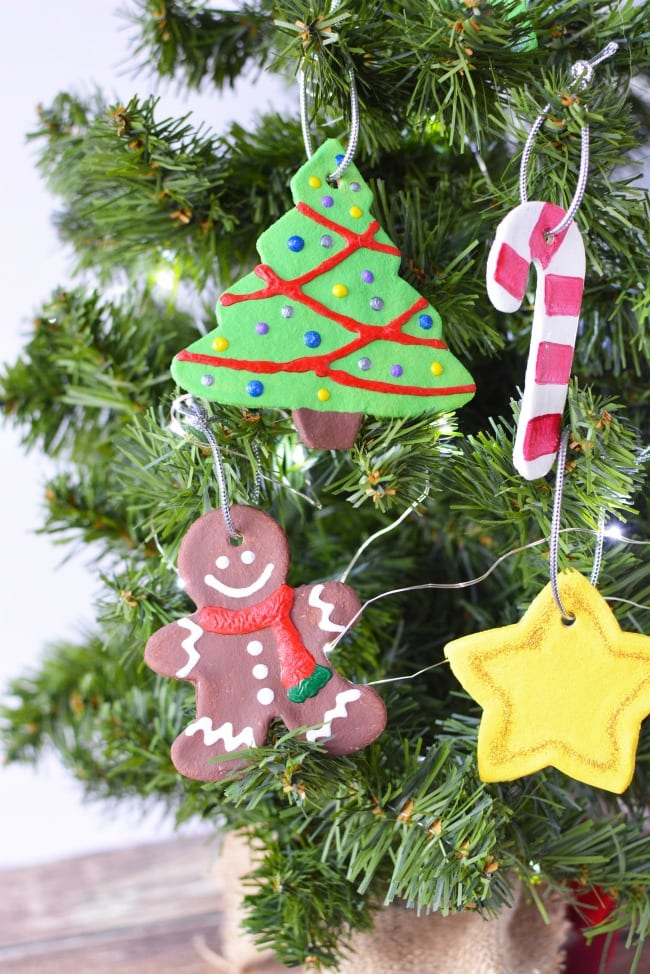
Salt dough ornaments hold up best when the glue you choose resists moisture, temperature shifts, and repeated handling. The right adhesive keeps painted details intact and prevents pieces from separating after the first holiday season.
PVA Glue Applications
PVA glue creates a flexible bond that moves slightly with the ornament as it expands and contracts. This property reduces cracking along seams where pieces meet after baking. Apply a thin layer to both surfaces and clamp or weight them for at least four hours before moving the ornament.
Many crafters add a second coat after the first dries to reinforce high-stress areas such as hanging loops. The glue dries clear, so it works well under paint or varnish without showing lines. Avoid thick applications because they can leave a visible ridge once cured.
PVA glue needs 24 hours to cure fully on thick ornaments before any hanging weight is added.
Hot Glue for Quick Fixes
Hot glue sets in seconds, making it useful when you need to attach small accents like bows or beads right before gifting. The instant hold lets you position pieces precisely without clamps. Keep the glue gun on a low setting so the heat does not scorch the baked dough surface.
This adhesive works best on flat contact points rather than curved edges. Excess strands can be trimmed with scissors once cool. Test a small area first because some salt dough recipes contain more salt and may release steam when touched by hot glue.
- Low-temperature glue sticks reduce surface scorching on delicate painted areas
- Clear glue sticks disappear better under light-colored ornaments
- High-temperature sticks give stronger hold on heavier layered designs
Epoxy for Long-Lasting Hold
Two-part epoxy creates a rigid, waterproof connection that survives bathroom humidity and outdoor displays. Mix only what you need because the working time is short once the components combine. Spread a small amount along the joint and hold the pieces together for five minutes until the epoxy begins to set.
The cured bond resists yellowing better than many craft glues, keeping white or pastel ornaments looking fresh. Sand any raised edges after 24 hours if you plan to paint over the repair. Store mixed epoxy in a disposable cup because it hardens quickly in the container.
Wood Glue Variations
Traditional yellow wood glue penetrates the porous surface of salt dough and forms a strong internal bond. It expands slightly as it cures, filling small gaps between uneven pieces. Clamp the ornament between wax paper sheets to prevent the glue from sticking to your work surface.
Some wood glues now include a blue tint that disappears when dry, helping you see coverage on light-colored dough. These versions also sand more smoothly once cured. Reapply a thin coat if the first layer soaks in completely before the pieces are joined.
Clear Glue for Invisible Seals
Clear craft glue in a fine-tip bottle lets you add tiny details or repair hairline cracks without visible residue. The thin consistency flows into narrow spaces around beads or wire loops. Allow each layer to dry before adding the next to prevent clouding.
This glue type performs well when you want to attach lightweight items like glitter or sequins that might shift under thicker adhesives. Wipe the nozzle after each use so the tip does not clog between projects. Test the glue on a scrap piece first because some formulas can leave a slight sheen on matte-painted surfaces.
Glue Strength Comparison
A quick side-by-side look shows how each option performs on common salt dough challenges.
| Glue Type | Dry Time | Moisture Resistance | Best For | Sandable After Cure |
|---|---|---|---|---|
| PVA | 24 hrs | Moderate | General assembly | Yes |
| Hot Glue | Seconds | Low | Quick accents | No |
| Epoxy | 24 hrs | High | Outdoor or humid displays | Yes |
| Wood Glue | 12-24 hrs | Moderate | Layered or thick pieces | Yes |
| Clear Craft Glue | 1-2 hrs | Low | Fine details | No |
Epoxy remains the only option that keeps its strength after repeated exposure to bathroom steam or porch weather.
How long should I wait before hanging salt dough ornaments after gluing?
Most glues reach handling strength within a few hours, yet full cure times vary. PVA and epoxy need a full day before any weight hangs from the loop. Rushing this step often causes the joint to fail within the first week of display.
Which glue works best if my ornaments will hang near a window?
Epoxy handles temperature swings and occasional condensation better than the others. Apply it in a thin line and let it cure undisturbed. The rigid bond prevents pieces from shifting when the ornament warms in sunlight.
Can I use the same glue for both assembly and sealing the surface?
PVA and clear craft glues can double as sealers when thinned slightly with water. Brush a light coat over the finished ornament after all attachments are secure. This extra step adds a protective layer without changing the ornament’s appearance.
FAQ
How long should I wait before hanging salt dough ornaments after gluing? Most glues reach handling strength within a few hours, yet full cure times vary. PVA and epoxy need a full day before any weight hangs from the loop.
Rushing this step often causes the joint to fail within the first week of display. Test one ornament first if your batch of dough contains extra salt or oil.
Which glue works best if my ornaments will hang near a window? Epoxy handles temperature swings and occasional condensation better than the others. Apply it in a thin line and let it cure undisturbed.
The rigid bond prevents pieces from shifting when the ornament warms in sunlight. Reapply a clear topcoat over the entire piece for added UV protection.
Can I use the same glue for both assembly and sealing the surface? PVA and clear craft glues can double as sealers when thinned slightly with water. Brush a light coat over the finished ornament after all attachments are secure.
This extra step adds a protective layer without changing the ornament’s appearance. Allow the sealer to dry completely before storing the ornaments in a box.
What happens if glue gets on the painted surface? Wipe excess immediately with a damp cloth before it dries. Once cured, most glues can be gently scraped or sanded without damaging the paint underneath. Test any removal method on an inconspicuous area first.
Choosing the right glue turns salt dough ornaments into keepsakes that survive multiple seasons without repairs.
Leave a Reply