
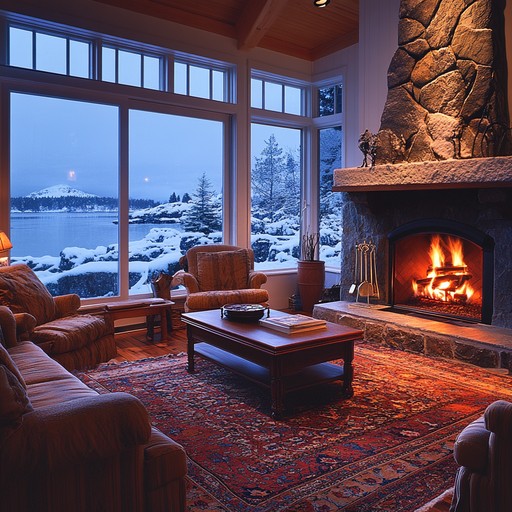
A few well-chosen colors shift a living room from ordinary to genuinely warm once the days shorten and the light turns cool. The right palette layers depth without heaviness, letting textures like wool, velvet, and wood read richer against the season. Focus stays on tones that absorb rather than bounce light, paired with familiar furnishings already in most homes.
Deep Burgundy Accents
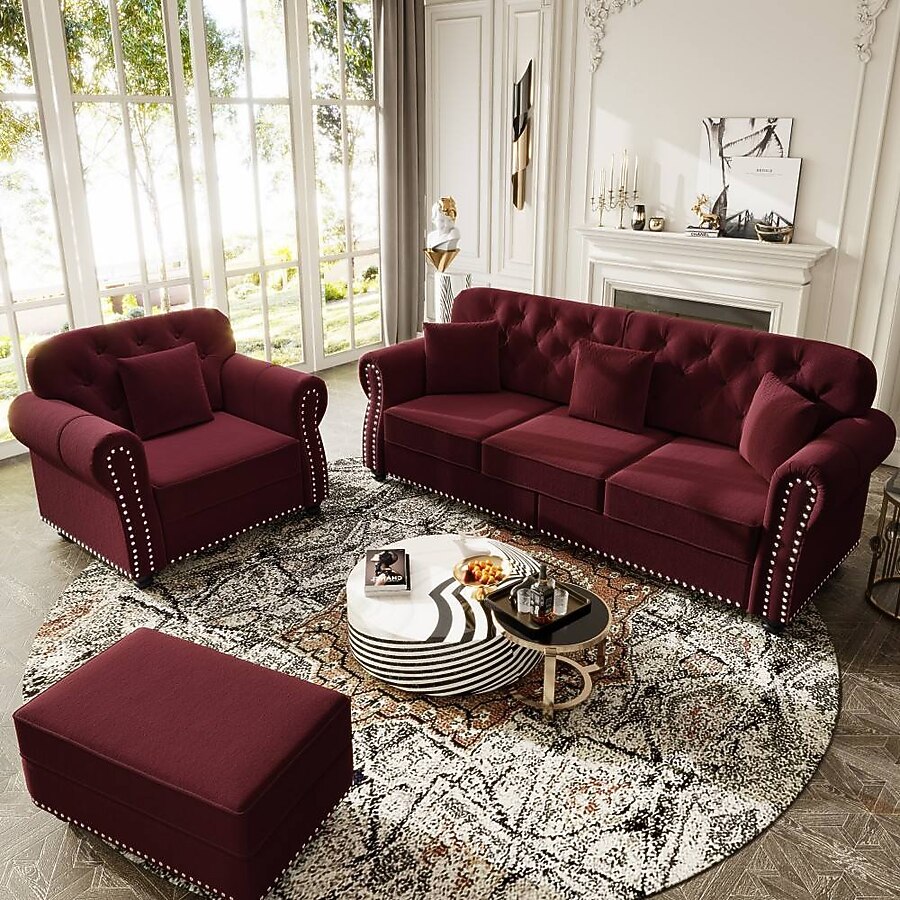
Burgundy brings immediate weight to seating and window treatments, anchoring the room when outdoor light fades early. It pairs naturally with existing wood tones and leather, creating a settled feeling that still feels current. Placement matters more than quantity; one large piece or two medium ones prevent the color from overwhelming smaller spaces.
A single burgundy wall behind the sofa often reads cozier than four matching walls because it creates a focal pocket rather than uniform coverage.
Homeowners frequently ask how much burgundy feels balanced rather than heavy. Limit it to textiles or one painted surface at first, then add metallic or brass touches to lift the tone. Test samples on the actual wall during late afternoon when winter light is weakest.
Forest Green Cabinetry
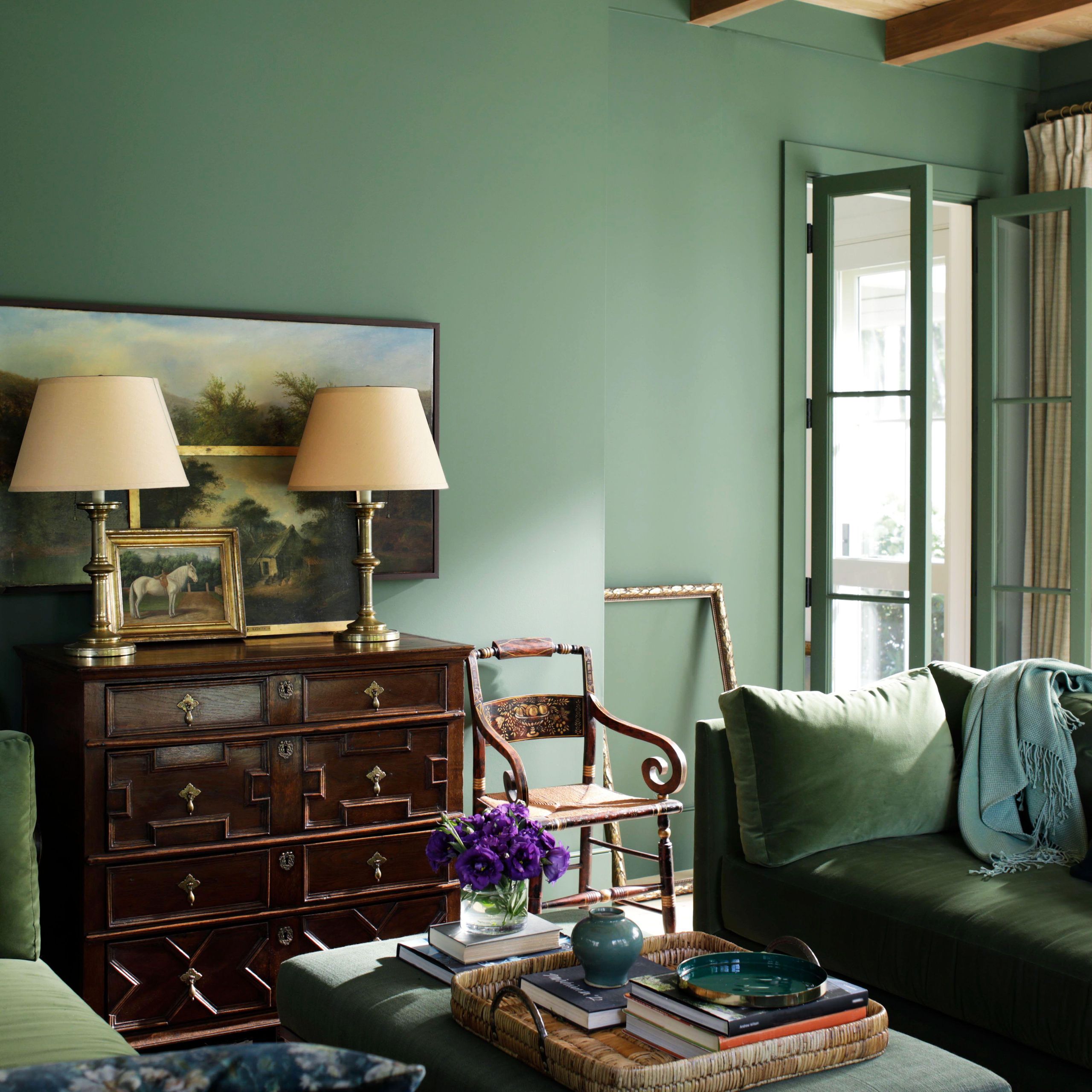
Forest green works especially well on built-in shelves or a console because the color recedes slightly yet still registers as rich. It grounds lighter upholstery and lets brass or wood hardware stand out. The depth also hides minor scuffs that show faster on pale surfaces during months of heavy use.
Consider how this green interacts with houseplants and evergreen branches brought indoors. The similar tones blend rather than compete, extending the outdoor winter view into the room. Matte finishes keep the look relaxed while satin versions add subtle light reflection on darker days.
How much green paint should I test before committing to a full piece?
Start with a sample board the size of a cabinet door and view it at different times of day. Move the board around the room to check against both window light and lamp light before finalizing.
Warm Taupe Upholstery
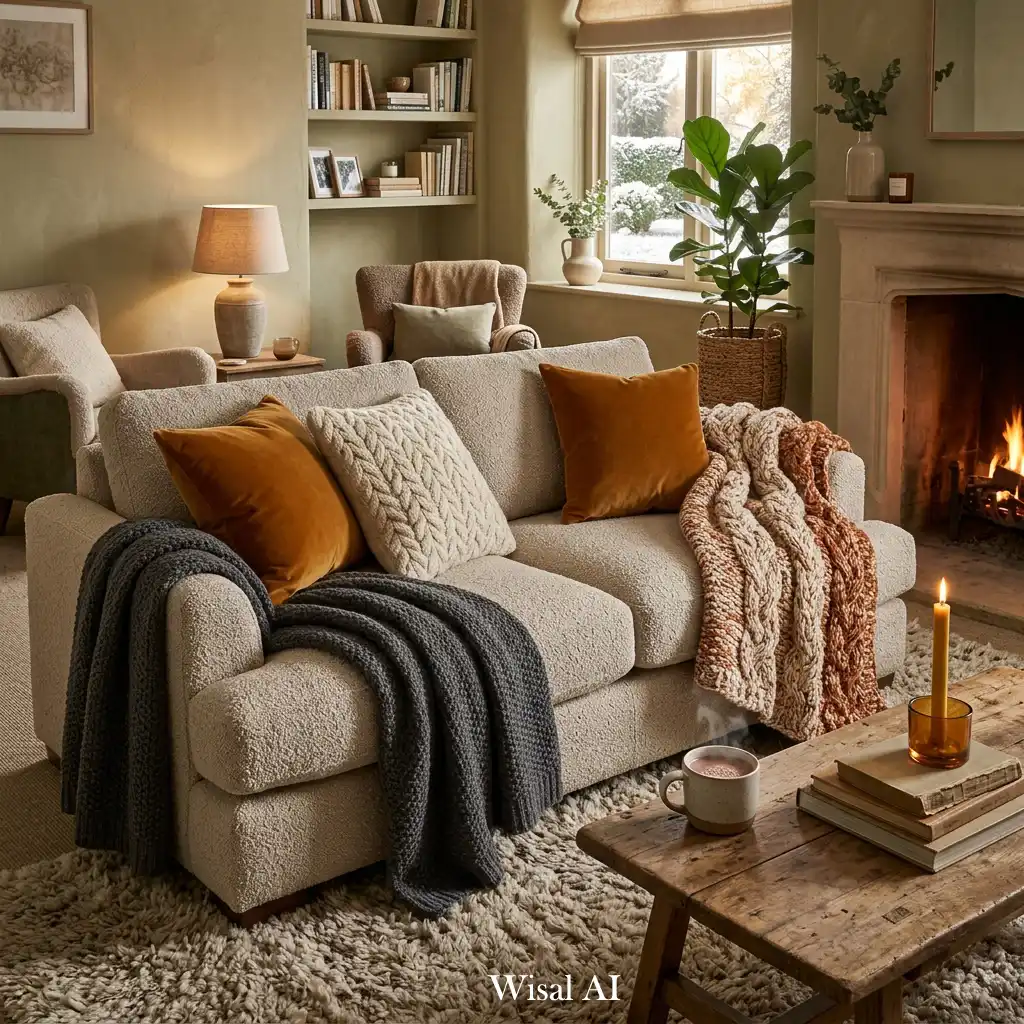
Taupe in the mid-warm range absorbs cool winter light without turning flat or cold. It serves as a quiet base that lets seasonal textiles like chunky knits and sheepskin take center stage. Because the tone sits between gray and brown, it adapts when you rotate pillows or blankets throughout the season.
Scale matters when choosing this neutral. Larger seating pieces benefit from the warmer end of taupe so the furniture does not disappear against similarly toned walls. Smaller accent chairs can lean slightly cooler if the main sofa stays warm.
Navy Blue Curtain Panels
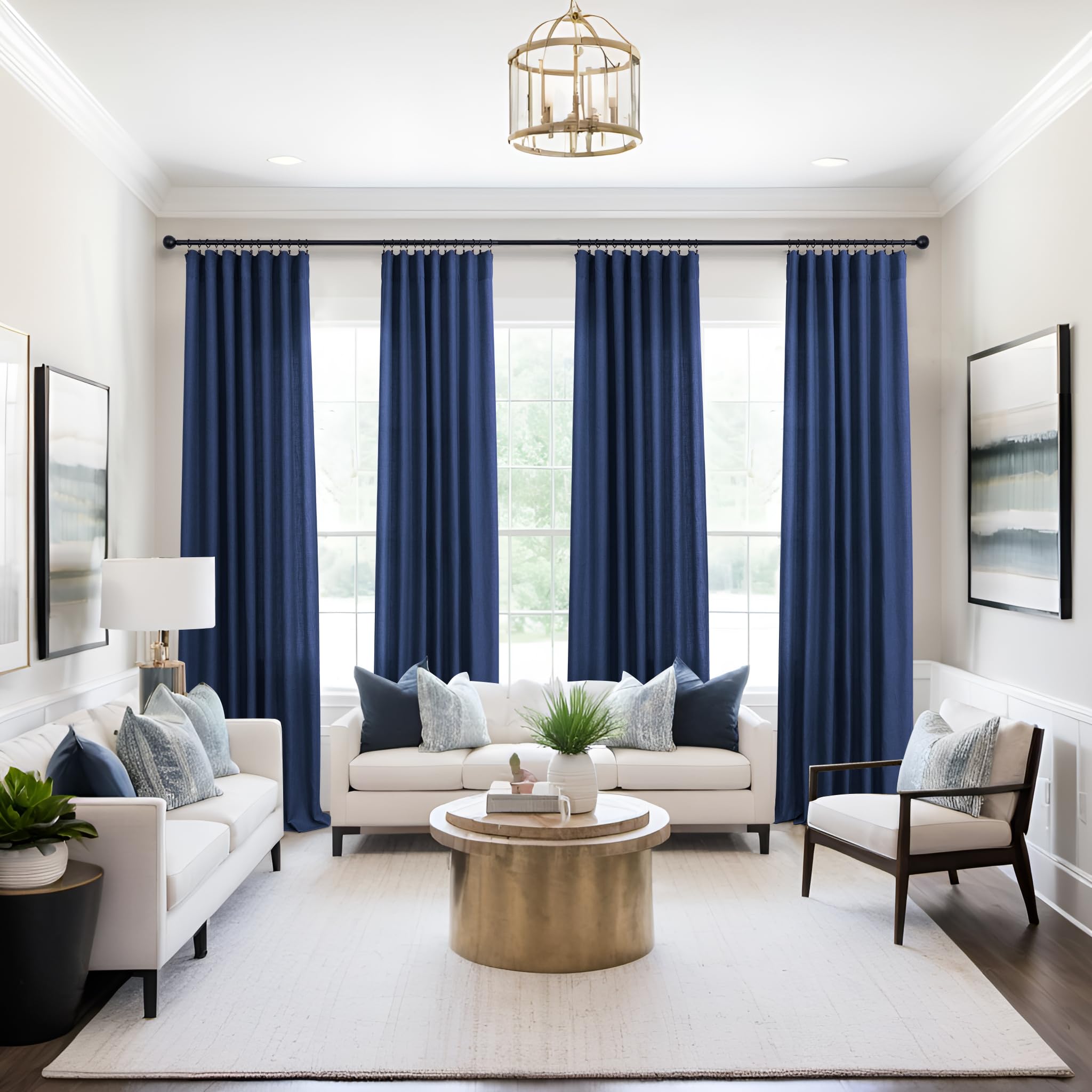
Navy panels block early evening light while adding structure around windows that might otherwise feel bare. The color reads tailored rather than heavy when hung in linen or cotton blends. Layering a sheer inner curtain keeps the view open during daylight hours without losing the evening coziness.
Navy also balances brighter wood floors or pale rugs common in many living rooms. It prevents the space from feeling washed out once outdoor greenery disappears. Keep hardware simple so the color itself carries the visual weight.
Rust Orange Accent Chairs
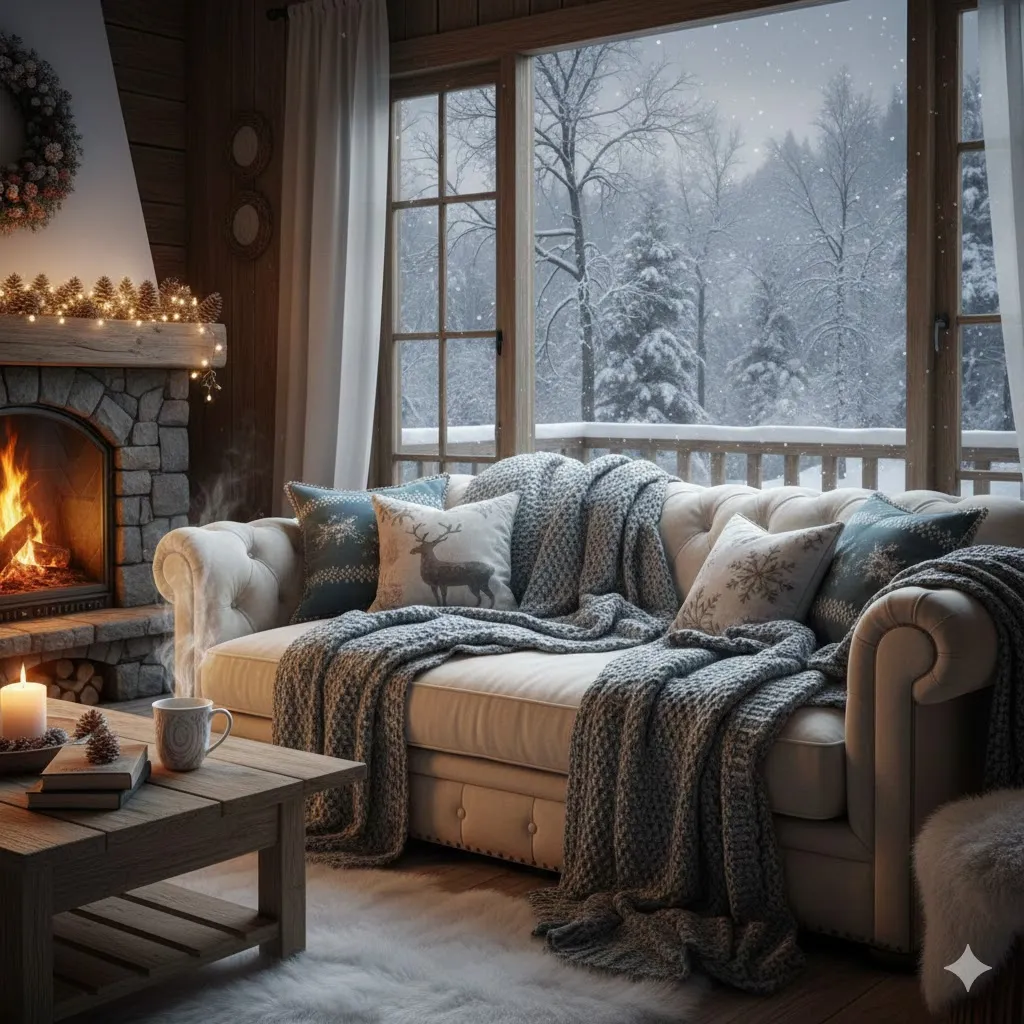
Rust orange introduces a mid-tone that feels both grounded and energetic against cooler surroundings. One or two chairs in this color refresh older neutral sofas without requiring a full room overhaul. The hue works equally well in velvet for evening depth or textured weaves for daytime softness.
Placement near a light source enhances the warmth because the color shifts slightly under lamp light. Avoid scattering small rust accessories; instead let one or two larger pieces define the tone so the room stays cohesive rather than busy.
| Color Option | Best Surface | Light Interaction | Maintenance Note |
|---|---|---|---|
| Deep Burgundy | Sofa or drapes | Absorbs cool light | Shows dust less than black |
| Forest Green | Shelving or console | Creates depth | Hides scuffs well |
| Warm Taupe | Large seating | Softens glare | Versatile with seasonal layers |
| Navy Blue | Window panels | Blocks early dark | Requires minimal ironing in linen |
| Rust Orange | Accent chairs | Warms under lamps | Spot clean velvet versions |
Soft Cream Layered Textiles
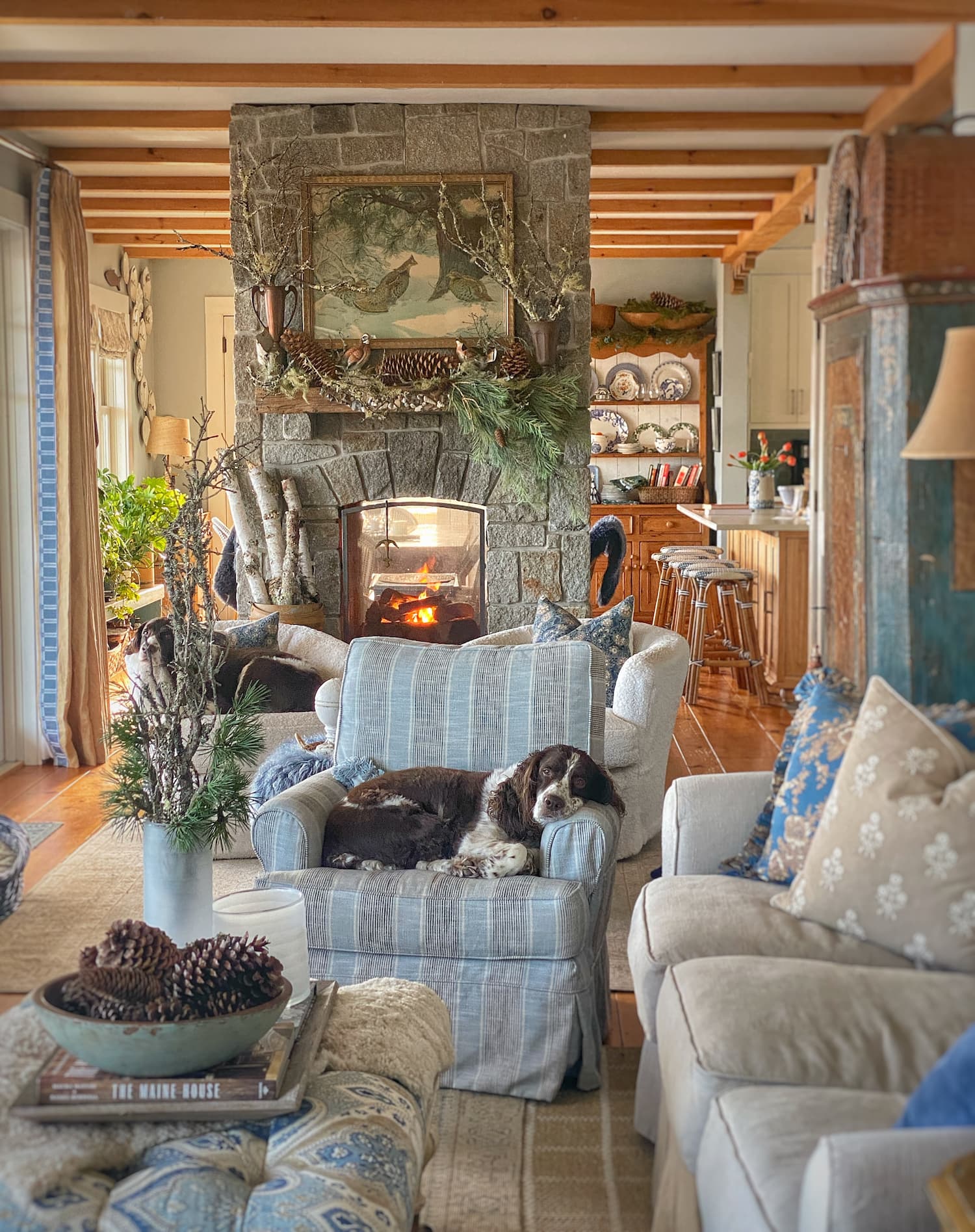
Cream textiles in heavier weights add brightness without stark contrast once daylight shortens. Layering a cream throw over a darker sofa or layering cream curtains behind a bolder panel prevents the room from feeling closed in. The key lies in choosing versions with visible texture so the color reads intentional rather than stark.
How do cream layers hold up against winter boots and muddy paws?
Choose washable or dry-cleanable fabrics for throws used daily. Rotate two sets so one stays fresh while the other cycles through laundry.
Cream works best when it appears in at least three different textures rather than one flat shade across the room.
FAQ
How often should I repaint if I choose deeper winter colors?
Deeper tones like burgundy or forest green typically last four to six years before fading becomes noticeable under strong afternoon sun. Touch-up paint from the original can extends that timeline when small scuffs appear. Always store leftover mixed paint in a cool, dark spot so future matches remain accurate.
Can I mix all these colors in one room without clashing?
Limit the palette to three main colors plus one neutral to keep the space feeling intentional. Use the 60-30-10 distribution rule where the dominant color covers the largest surfaces. Test combinations on a mood board first so proportions read correctly before buying.
Which color hides pet hair best during winter shedding season?
Forest green and navy both camouflage lighter hair effectively while still showing enough contrast to spot dirt. Avoid very light cream on seating if pets spend significant time on furniture. Regular lint rolling keeps any color looking fresh between deep cleans.
What curtain length works best with these winter palettes?
Floor-length panels elongate windows and add the vertical weight that makes rooms feel cozier. Hem curtains just above baseboards to prevent fraying from foot traffic. Add lining to heavier colors so they hang straighter and block more chill.
These colors turn ordinary rooms into places that genuinely invite lingering once the temperature drops. Small swaps in textiles or one painted surface deliver the shift without major renovation.
Leave a Reply