
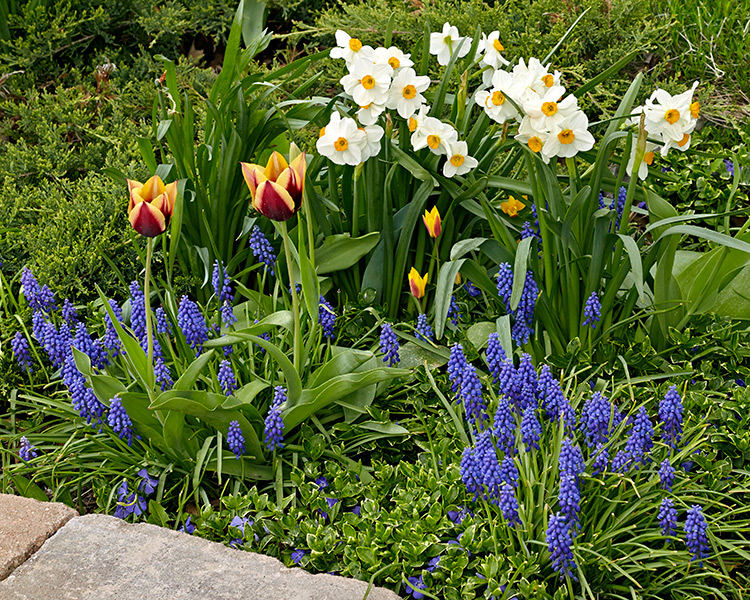
Fall bulb planting sets up reliable spring color that returns for multiple seasons when you select varieties suited to your conditions. Focus on hardy bulbs that establish roots before the ground freezes and then deliver blooms in sequence from the earliest thaws through late spring. Matching bloom times and heights across your selections creates layered displays without extra work once the plants are in the ground.
Tulips
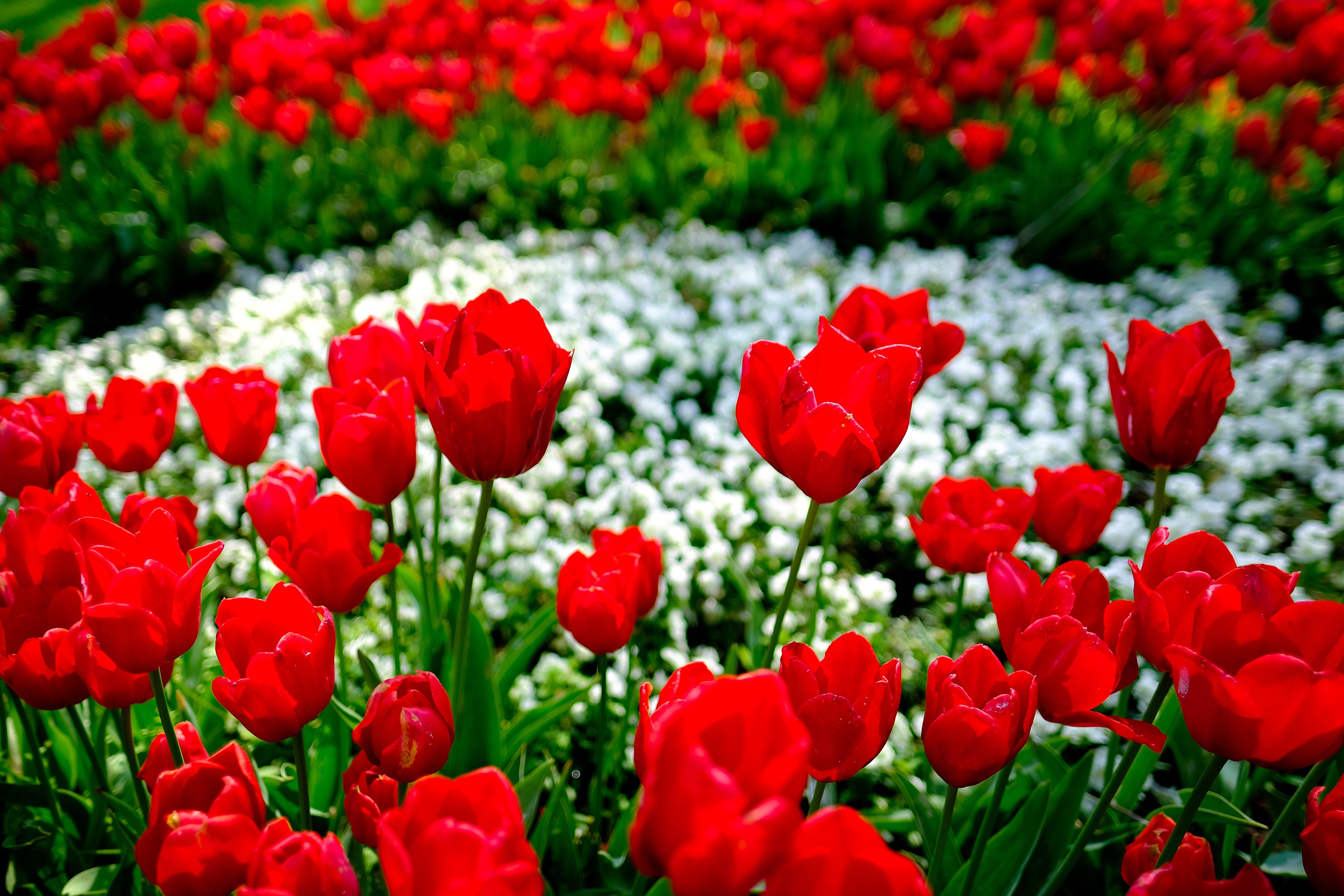
Tulips remain the most versatile choice for strong spring impact because they come in single colors, doubles, and fringed forms that mix easily with other bulbs. Plant them in groups of ten or more for visible blocks of color rather than scattered singles. Their stems reach different heights depending on the variety, so taller types work best toward the back of beds while shorter ones fill the front edge.
Many gardeners plant tulips in layers at different depths to stretch the bloom window by a couple of weeks. Well-drained soil prevents rot during winter rains, and a light mulch layer helps moderate temperature swings.
Taller tulips often need staking in windy sites while shorter types stay upright on their own.
| Tulip Type | Bloom Time | Height Range | Best Use |
|---|---|---|---|
| Single Early | Early spring | 8-12 inches | Front borders |
| Darwin Hybrid | Mid spring | 18-24 inches | Mass plantings |
| Double Late | Late spring | 16-20 inches | Cutting gardens |
| Species | Very early | 4-8 inches | Rock gardens |
- Single early tulips open first and pair well with emerging perennials.
- Darwin hybrids offer the strongest stems for windy locations.
- Species tulips return reliably for years when left undisturbed.
Daffodils
Daffodils provide dependable early color and increase in number each year when the foliage is allowed to ripen fully after bloom. Their trumpet shapes and clustered forms hold up well to late frosts that can damage more delicate flowers. Most varieties naturalize readily in grass or under deciduous trees where they receive sun before the canopy fills in.
Choose from miniature types for tight spaces or larger trumpets for distant views across a lawn. Deer rarely touch the foliage or flowers, which makes daffodils a practical choice near woodland edges.
Crocuses
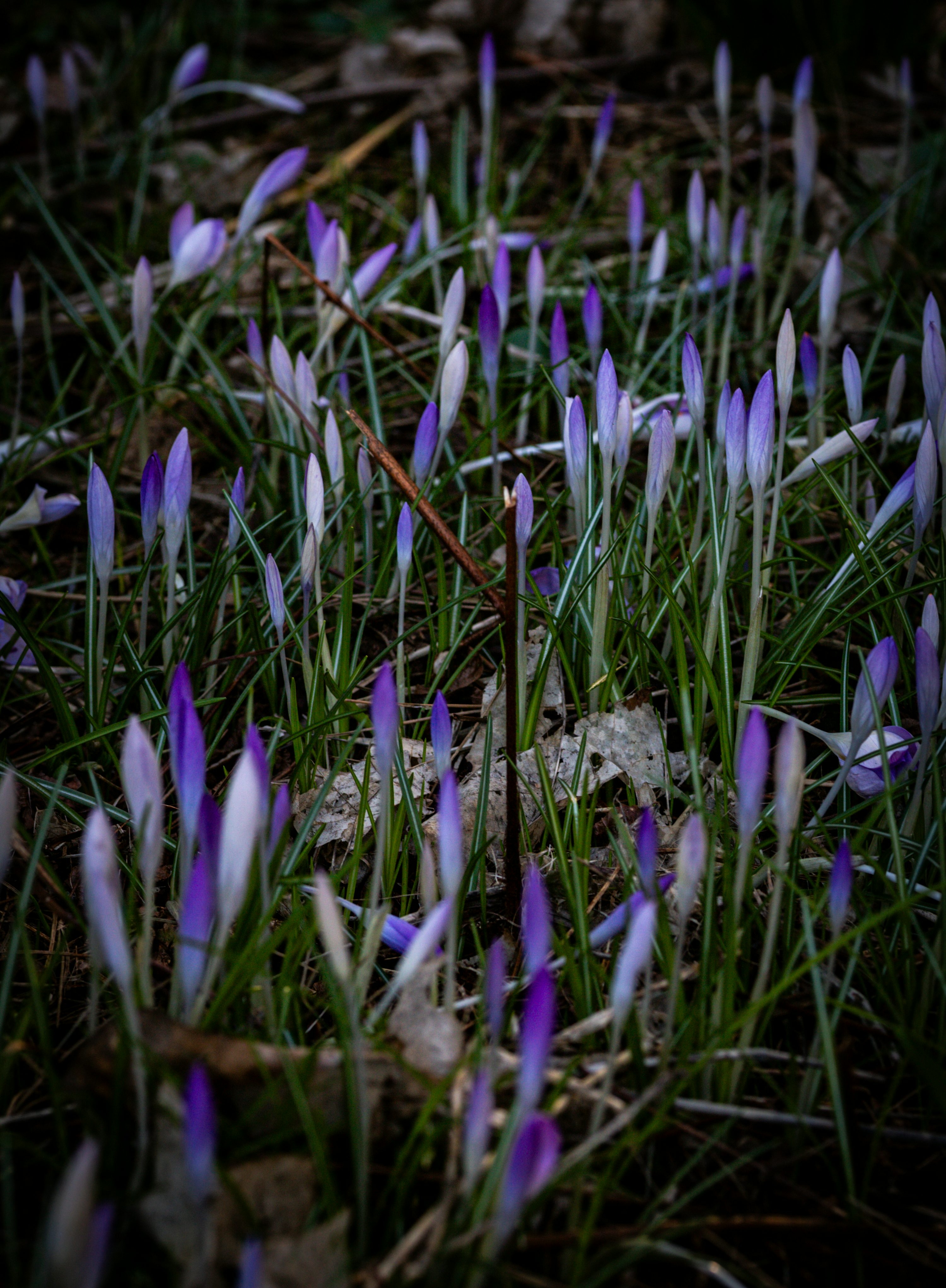
Crocuses push through the last patches of snow to mark the true start of spring. Their small size suits rock gardens, the edges of paths, and even lawn areas where mower blades can be raised until the leaves yellow. Plant them in drifts of the same color for stronger visual effect than mixed plantings.
These bulbs tolerate partial shade once established and return for many seasons with minimal care. Squirrels sometimes dig up the corms, so a light covering of chicken wire until the ground freezes can protect new plantings.
When should crocus bulbs go into the ground?
Plant crocus bulbs as soon as soil temperatures drop below 60 degrees in fall so roots can develop before hard freezes arrive. Aim for six to eight weeks before the ground typically freezes solid in your area. This timing gives the corms enough cool weather to form strong root systems without forcing top growth too early.
Hyacinths
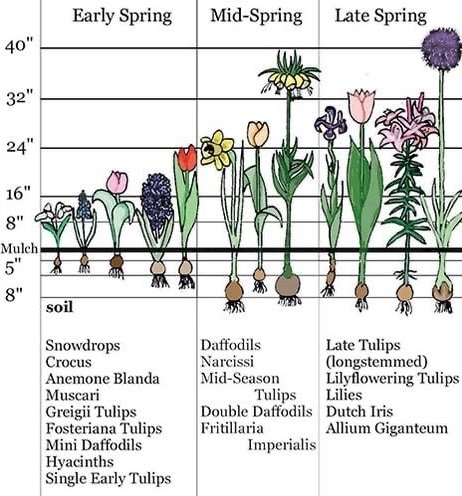
Hyacinths deliver intense fragrance along with saturated color in compact spikes that stand out in small beds or containers. Their structured form contrasts nicely with the looser shapes of tulips and daffodils nearby. Because the bulbs are large, they need consistent spacing to avoid crowding as they multiply.
Good drainage remains essential since the bulbs sit close to the surface. After the first year the flower spikes may become smaller, yet the plants still contribute foliage and occasional blooms for several seasons.
Alliums
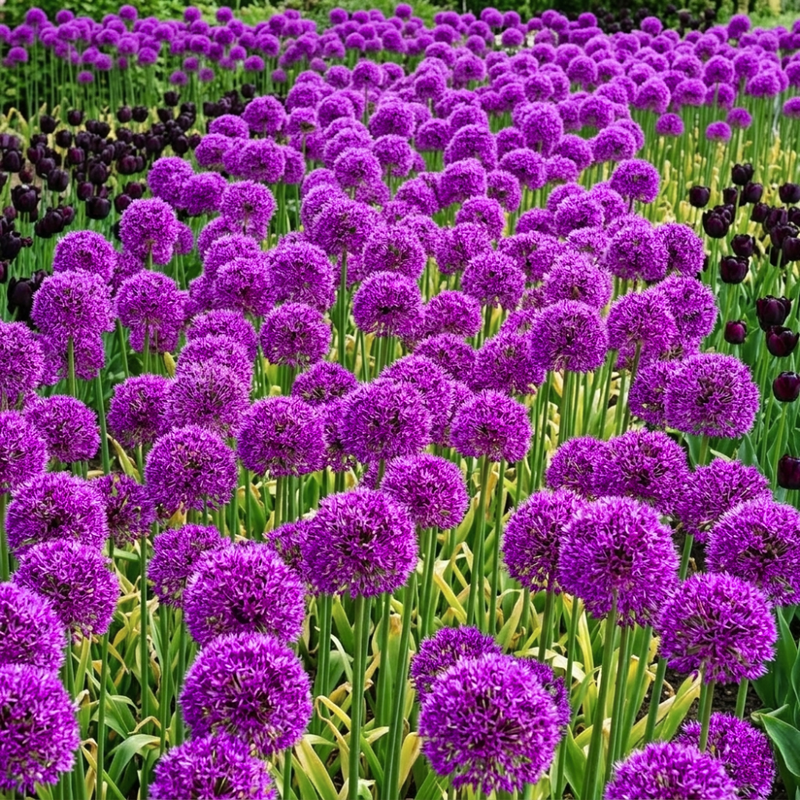
Alliums produce globe-shaped flower heads on tall stems that rise above lower spring perennials without shading them. Their onion-family scent deters rodents and deer while still attracting pollinators once the blooms open. Different species bloom from mid to late spring, allowing you to extend the show with early and late selections.
Plant the largest bulbs deeper than smaller ones to keep stems stable. The dried seed heads remain decorative into summer if left standing.
- Giant alliums create focal points in the middle of beds.
- Smaller species alliums work well in rock gardens or between stepping stones.
- White allium varieties blend with any color scheme without clashing.
Muscari
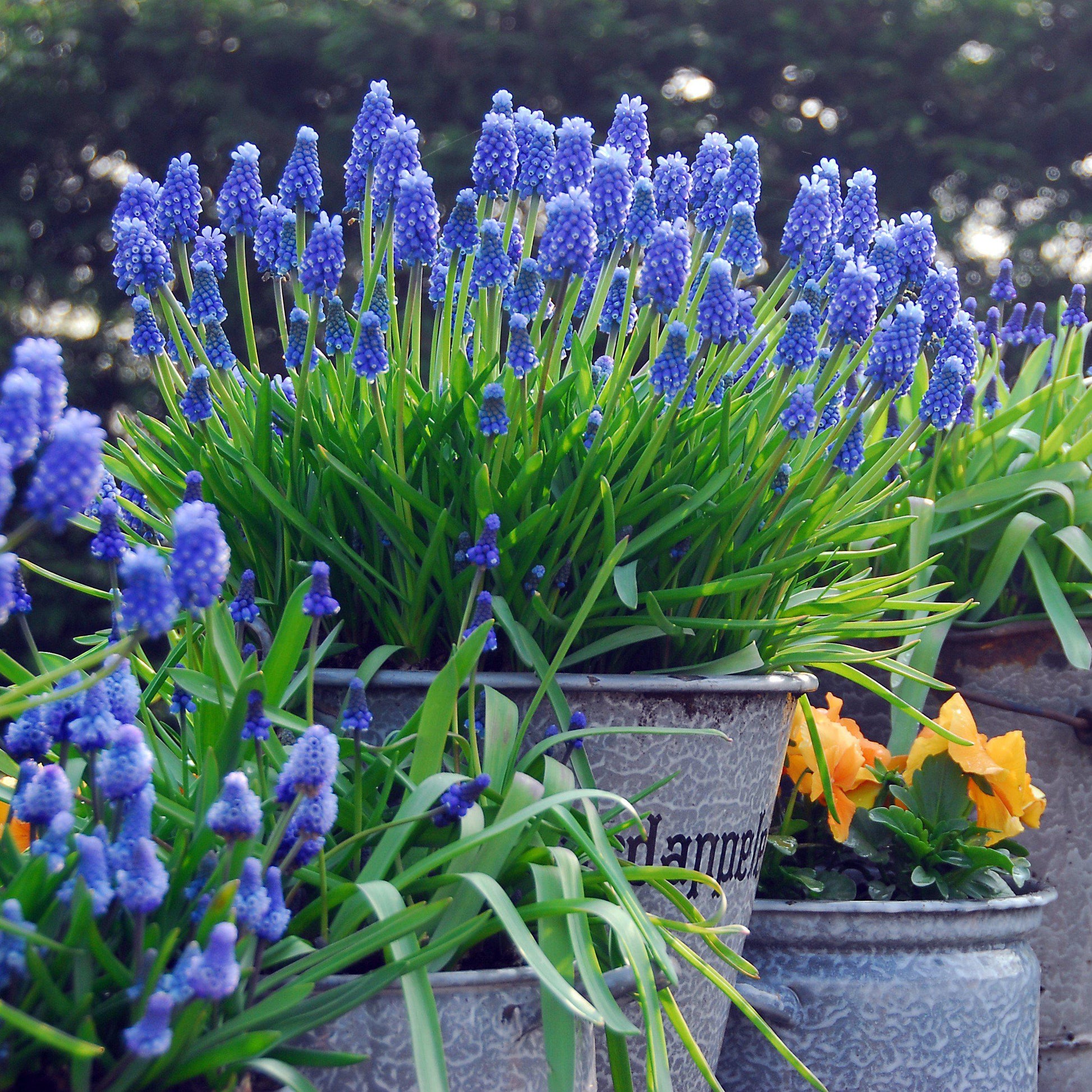
Muscari, often called grape hyacinths, form dense mats of blue or white that fill gaps between larger bulbs and perennials. Their tiny bell-shaped flowers appear in early to mid spring and last several weeks. The foliage stays low and tidy, disappearing cleanly once summer heat arrives.
These bulbs multiply quickly in average garden soil and can be lifted and divided every few years to control spread. They also perform well in shallow containers for porch displays.
Snowdrops
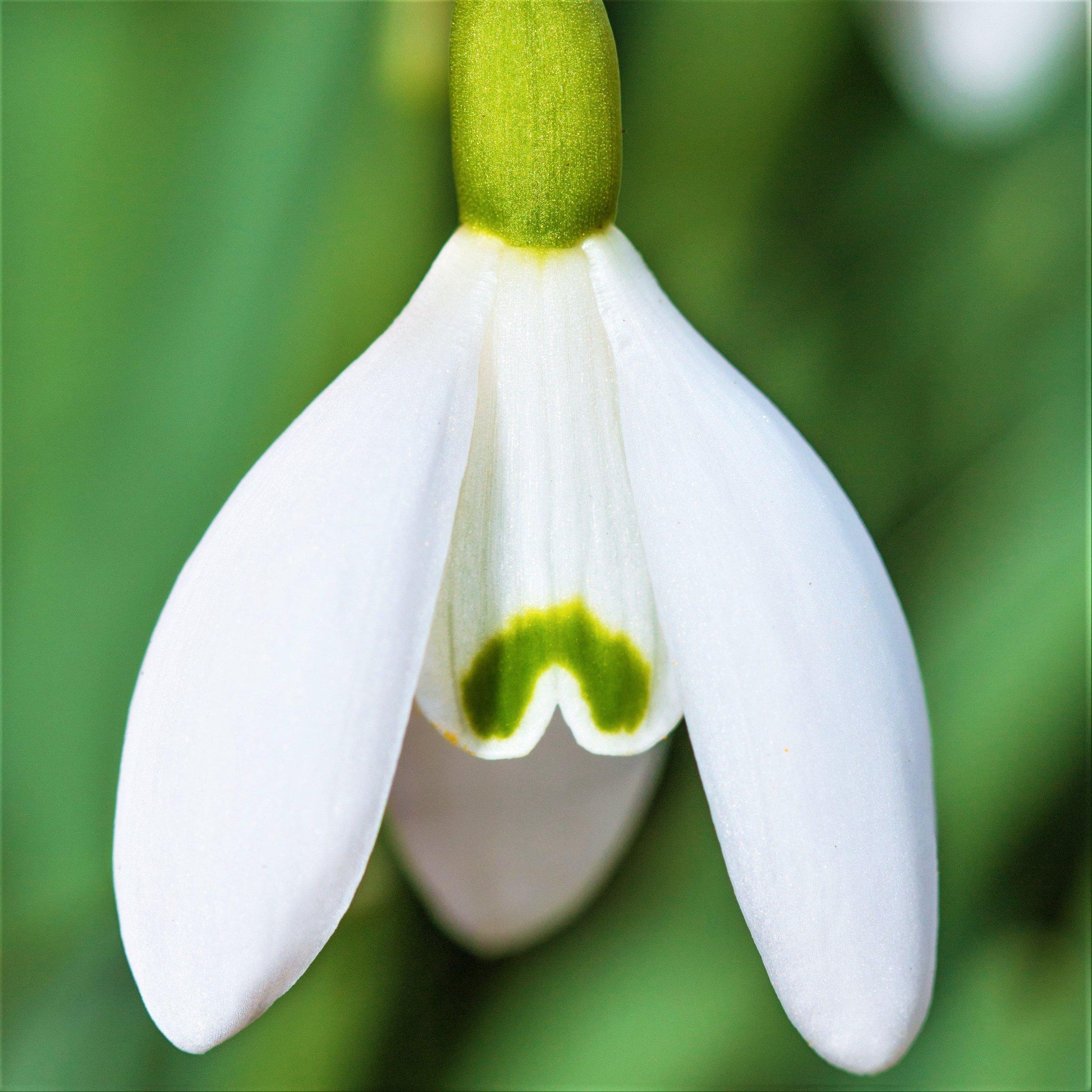
Snowdrops appear first among spring bulbs, often while snow still lingers on the ground. Their nodding white flowers bring brightness to shaded areas under trees where other bulbs struggle. Plant them in groups close to paths so the small blooms remain visible from above.
The bulbs prefer consistent moisture during active growth yet tolerate drier summer conditions once dormant. They spread slowly into naturalized colonies when left undisturbed.
How deep do snowdrop bulbs need to be planted?
Snowdrop bulbs should sit about three inches deep and spaced three to four inches apart to allow room for offsets to form. Shallower planting risks heaving during freeze-thaw cycles. Deeper placement delays emergence and weakens flowering in the first season.
Anemones
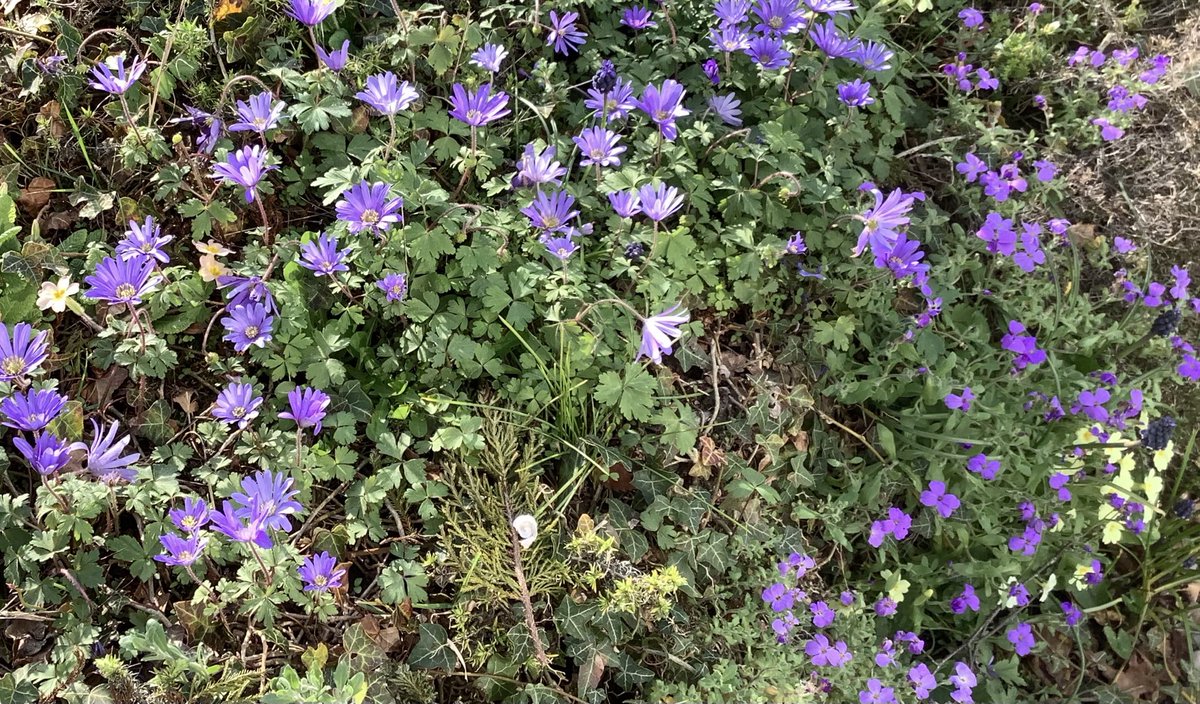
Anemones produce poppy-like flowers in bright blue, pink, or white that open in mid to late spring. Their ferny foliage adds texture even before the blooms appear. These tubers benefit from a pre-planting soak to speed sprouting in cooler soils.
They prefer full sun with afternoon shade in hotter climates and spread steadily once established. The flowers close at night and on cloudy days, creating a shifting pattern across the garden.
Which fall bulbs return reliably without replanting each year?
Daffodils, crocuses, muscari, and snowdrops naturalize readily and increase in number over time when foliage is left to mature. Tulips and hyacinths often produce smaller blooms after the first year yet still return for several seasons in good soil. Alliums and anemones also persist for multiple years with proper drainage and sunlight.
FAQ
When is the latest date to plant fall bulbs in colder zones?
Planting can continue until the ground begins to freeze solid, usually late November or early December in zones 5 and colder. Bulbs installed after that date may still root if the soil remains workable, though they produce later and sometimes smaller blooms the first spring. A protective mulch layer helps newly planted bulbs survive an early freeze.
Do I need to fertilize bulbs at planting time?
A low-nitrogen bulb fertilizer worked into the planting hole supports root development without pushing soft top growth before winter. Many gardeners skip fertilizer the first season because the bulbs carry stored energy, then apply a light top dressing each fall after the second year. Overfeeding can reduce flowering over time.
How do I protect bulbs from squirrels after planting?
Cover the planted area with hardware cloth or chicken wire until the ground freezes, then remove it once the soil is solid. Alternatively, plant bulbs deeper than recommended or interplant with daffodils whose scent deters rodents. Mulch applied after the ground freezes also hides the soil surface from digging.
Conclusion
Selecting a mix of these fall bulbs gives you weeks of successive color with little ongoing effort once the initial planting is complete.
Leave a Reply