Tapestry crochet is a unique colorwork technique that allows crafters to create intricate, graphic designs by carrying multiple strands of yarn along the top of the stitches and locking them inside.
Unlike traditional crochet, where you drop one color to pick up another, tapestry crochet produces a thick, reversible, and sturdy fabric that mimics the look of woven textiles.
This makes it an ideal choice for home decor items that require both aesthetic appeal and structural integrity, such as pillows, rugs, and wall art.
1. Geometric Aztec Wall Hanging
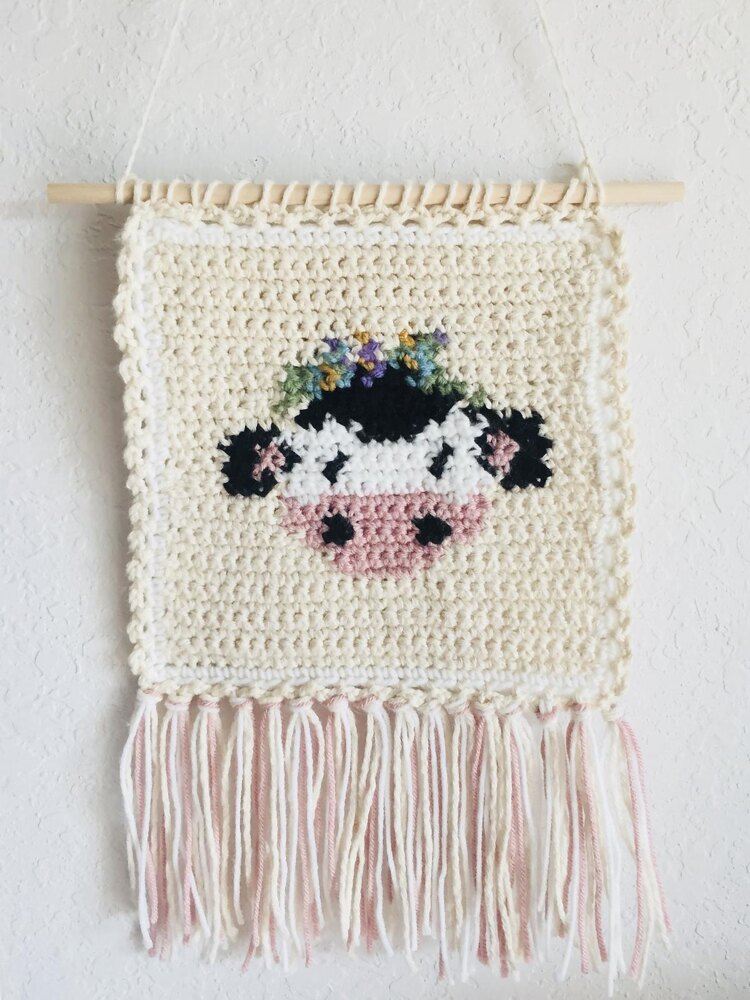
Geometric patterns are the hallmark of high-end bohemian home decor. A wall hanging using the tapestry crochet technique allows you to create sharp lines and contrasting angles that won’t sag over time.
Why It Works for Home Decor
This project adds texture to flat walls. By using a wooden dowel or a natural branch as a hanger, you blend the softness of the yarn with organic elements.
Key Tips for Success
-
✓
Use Cotton Yarn: Mercerized cotton provides the stitch definition needed to make geometric lines pop. -
✓
Tension Control: Keep your carried yarn taut to prevent it from peeking through the stitches, a common issue known as bleeding. -
✓
Fringe Finish: Add a long, thick fringe at the bottom to give it a professional, boutique-bought look.
2. Southwestern Desert Throw Pillow
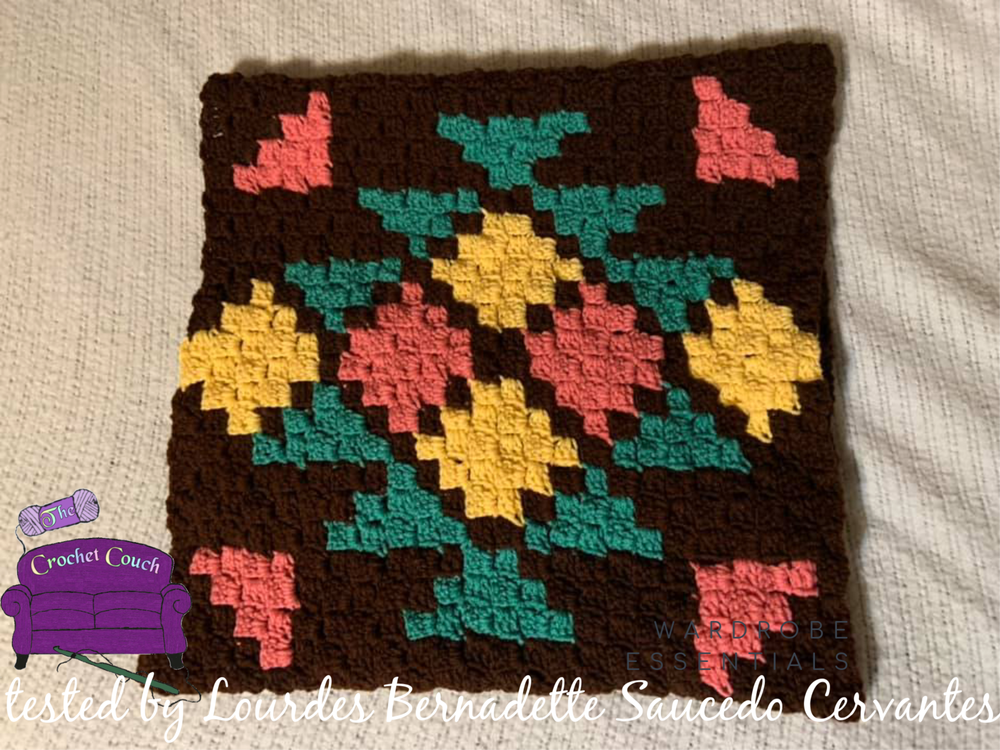
Southwestern motifs—think cacti, mountains, and sunset gradients—are incredibly popular in modern farmhouse and desert-chic interiors.
Tapestry crochet is the perfect medium for these designs because it handles large blocks of color effortlessly.
Materials Needed
-
★
Worsted weight yarn in terracotta, sage, and cream. -
★
A size H (5.0mm) crochet hook. -
★
A 16×16 inch pillow form.
The Construction Process
You will typically work in two flat panels. The front panel features the intricate tapestry design, while the back can be a solid color to save time.
Join them with a single crochet border for a clean, piped edge.
3. Botanical Monstera Leaf Table Runner
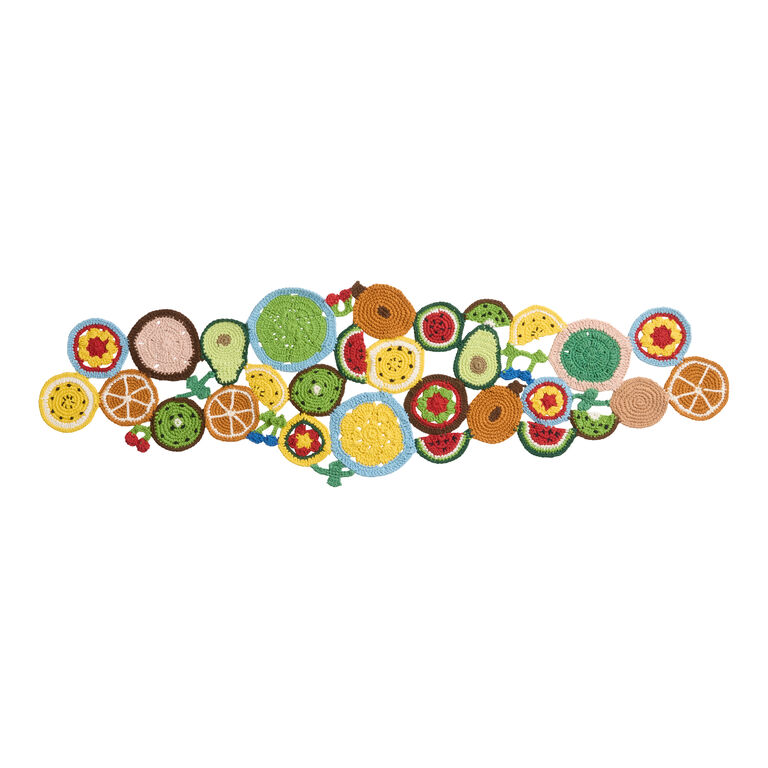
Bring the outdoors in without the maintenance of real plants. A botanical-themed table runner using deep greens and crisp whites creates a refreshing focal point for a dining room.
Designing the Pattern
Botanical patterns often involve organic curves. In tapestry crochet, these are achieved by increasing the frequency of color changes.
4. Scandinavian Minimalist Coasters
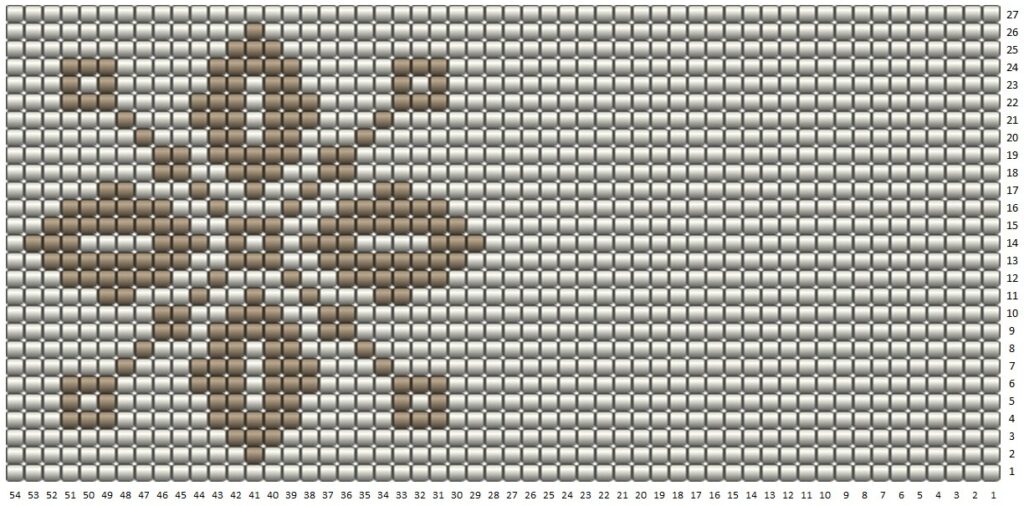
If you are new to tapestry crochet, coasters are the perfect gateway project.
Scandinavian designs often use simple two-tone palettes—black and white or grey and cream—featuring snowflakes, stars, or simple crosses.
Tutorial Snippet: Changing Colors
To keep the pattern crisp, change your color on the final pull-through of the stitch before the new color is needed.
This ensures the top of the stitch matches the legs of the stitch.
5. Mosaic-Inspired Floor Pouf
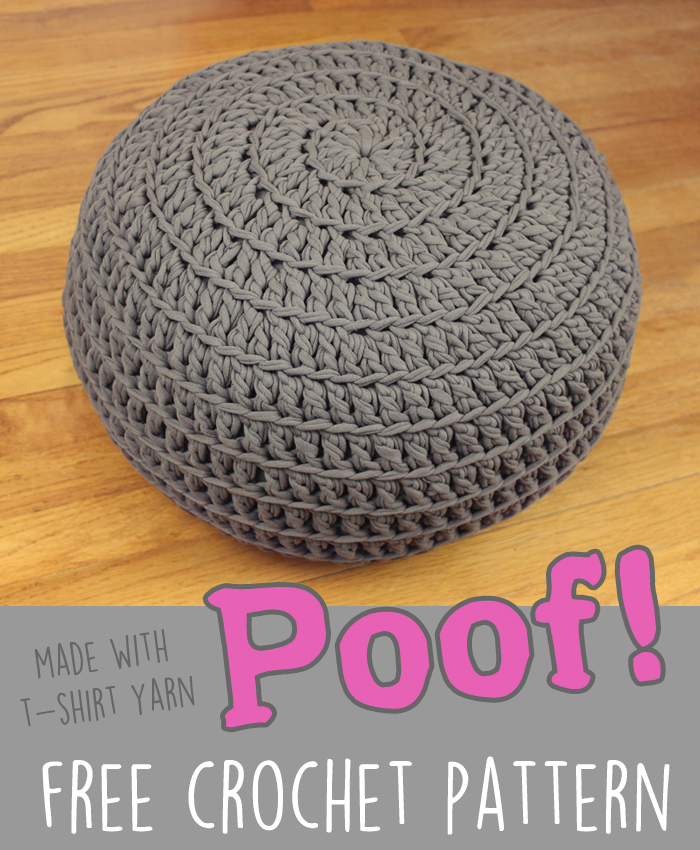
A floor pouf serves as both a footrest and extra seating. Because tapestry crochet creates a dense fabric, it is perfectly suited for items that will be stuffed and sat upon.
Structural Integrity
When making a pouf, use a smaller hook than recommended for your yarn. This creates a tight gauge that prevents the stuffing (poly-fill or old blankets) from showing through the stitches.
Use a repeating mosaic pattern to hide any minor stitch inconsistencies.
6. Monochrome Honeycomb Storage Basket

Organizing your home doesn’t have to be boring. A honeycomb pattern in charcoal and light grey adds a modern touch to any shelf.
Why Tapestry Crochet?
Standard crochet baskets often collapse. The tapestry technique involves carrying a second (or third) strand of yarn throughout the entire project, which essentially reinforces the walls of the basket, allowing it to stand upright even when empty.
7. Chevron Zig-Zag Baby Blanket
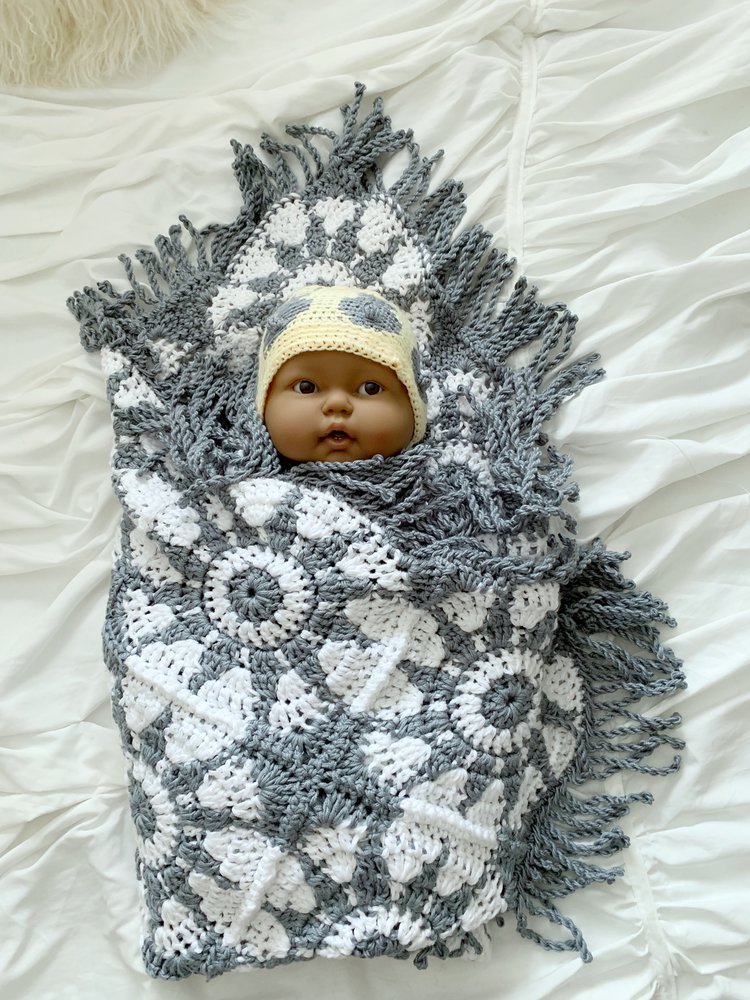
While blankets are large undertakings, the rhythmic nature of a chevron pattern makes it a relaxing project.
Using tapestry crochet for a chevron design allows you to change colors mid-row without having thousands of ends to weave in at the end.
Comfort Factor
Choose a soft acrylic or bamboo blend for blankets. While cotton is great for decor, a blanket needs drape.
Carrying the yarn can make a blanket stiff, so ensure you are using a slightly larger hook to maintain softness.
8. Floral Window Valance
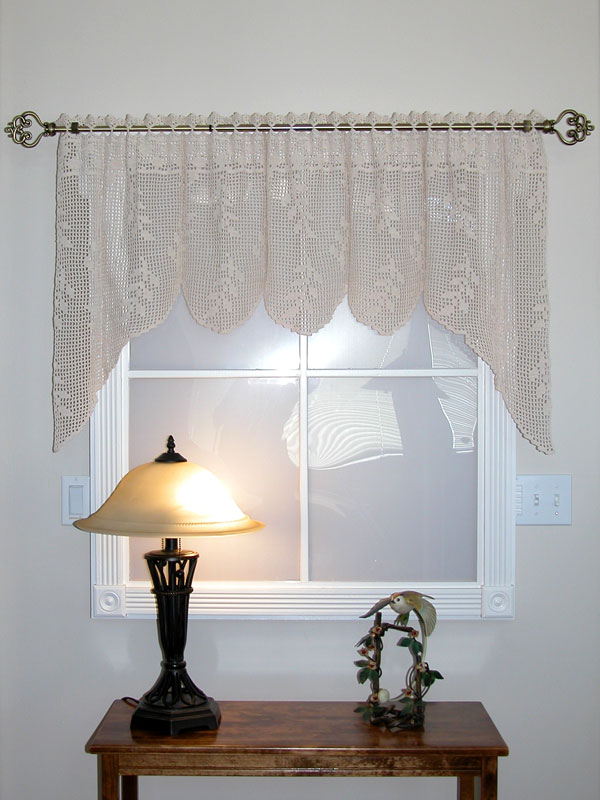
A tapestry crochet valance can act as a stained glass window treatment. When light hits the back of the crochet, the density of the tapestry stitches creates a beautiful silhouette effect.
Styling Tip
Use a negative space design where the background is a light, airy cream and the floral motifs are in a bold navy or burgundy.
This draws the eye upward and makes the room feel taller.
9. Boho Plant Hanger Cover
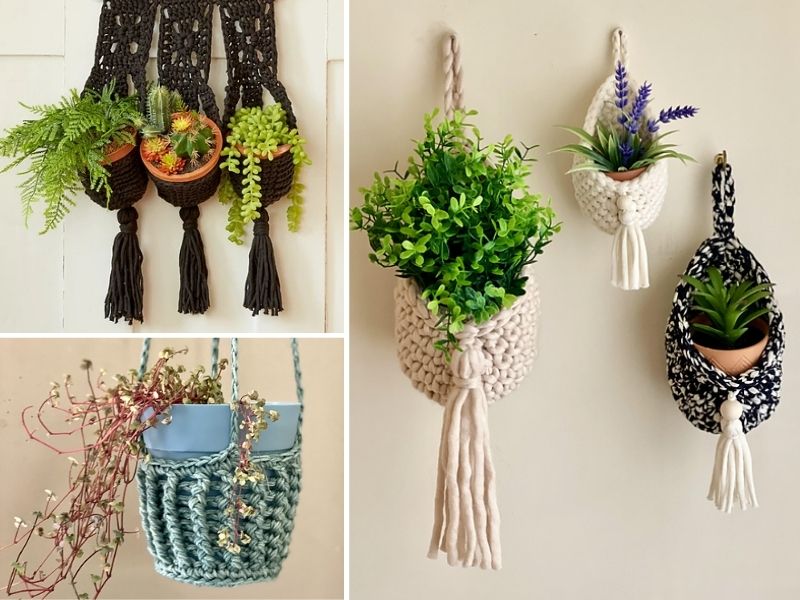
Standard terra cotta pots can be transformed with a tapestry crochet sleeve. Choose tribal patterns or simple V shapes to add a pop of color to your indoor jungle.
Practicality Note
Since plants require watering, ensure your crochet cover is easily removable. Use a button closure or a simple drawstring at the top so you can wash the cover if it gets soiled by dirt or water.
10. Tribal Print Area Rug
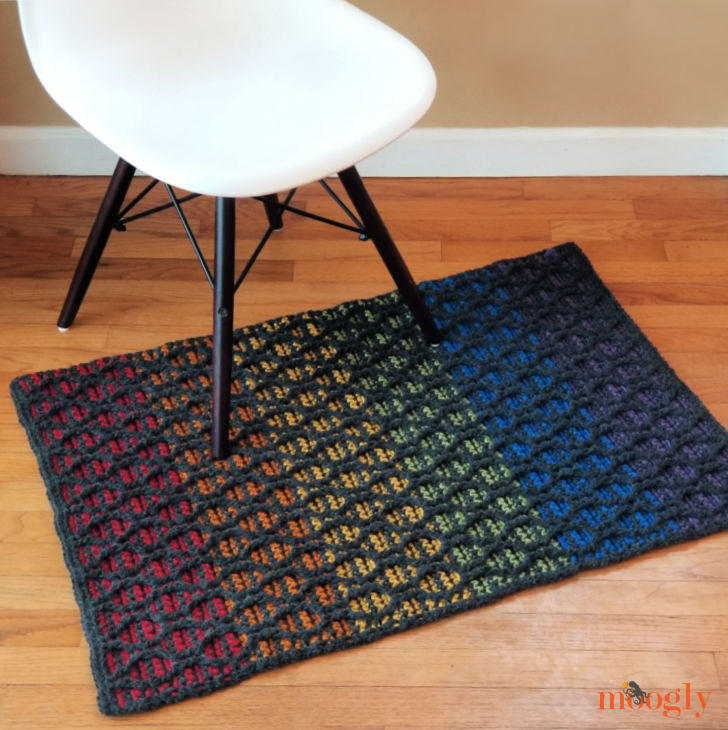
An area rug is the ultimate test of tapestry crochet mastery. By using t-shirt yarn or multiple strands of bulky yarn, you can create a durable, washable rug for a kitchen or entryway.
Essential Tools for Large Projects
-
⚙
Ergonomic Hook: Large projects can strain the wrist; an ergonomic handle is a must. -
⚙
Non-Slip Backing: Once finished, spray the back with a rug-grip solution or sew on a non-slip pad to prevent accidents on hardwood floors.
Essential Techniques for Tapestry Crochet Home Decor
To achieve the high-authority look of professional home decor, you must master the following technical aspects:
1. Reading a Color Chart
Tapestry patterns are almost always presented in a grid. Each square represents one single crochet stitch.
-
●
Right-Handed Row: Read from right to left. -
●
Left-Handed Row: Read from left to right. -
●
Working in the Round: Always read from right to left.
2. Managing Multiple Strands
The biggest challenge is tangling. To prevent this, keep one color of yarn to the front of your work and the other to the back when switching.
Never let the skeins roll over each other.
3. The Waistcoat Stitch vs. Traditional Single Crochet
For home decor that looks like knitwear or woven fabric, use the Waistcoat Stitch (also known as the Center Single Crochet).
Instead of inserting your hook under the top loops, you insert it between the V legs of the stitch below. This aligns the stitches vertically, preventing the lean that often happens with traditional tapestry crochet.
Frequently Asked Questions
Does tapestry crochet use more yarn?
Yes. Because you are carrying the non-active yarn inside your stitches throughout the entire project, you will use significantly more yarn than you would for a standard single-color project.
Plan to buy 30-50% more of your primary colors.
How do I prevent the carried yarn from showing?
This is called ghosting. To minimize it, ensure your tension is consistent. If you are using a very dark color and a very light color, ghosting is more likely.
Choosing colors with similar tonal values can help, or you can use the Fair Isle crochet method where you float the yarn behind rather than carrying it inside.
Is tapestry crochet reversible?
If worked in rows, the pattern will be visible on both sides, but one side (the right side) will always look slightly crisper.
If worked in the round (like a basket), the inside will show the carried strands more clearly than the outside.
Can I use any crochet stitch for tapestry?
Technically yes, but Single Crochet, Half Double Crochet, and the Waistcoat Stitch are the most common.
Taller stitches like Double Crochet leave too much space between them, causing the carried yarn to be highly visible and making the fabric less sturdy.
Conclusion
Tapestry crochet is a transformative skill for any DIY home decor enthusiast. It moves beyond basic blankets and scarves into the realm of functional art.
By mastering the art of carrying yarn and reading charts, you can create custom pieces—from geometric wall hangings to reinforced storage baskets—that rival high-end interior design brands.
Whether you start small with a set of minimalist coasters or dive into a large-scale tribal rug, the density and detail of tapestry crochet will provide a professional, durable finish to your handmade home.
Leave a Reply