
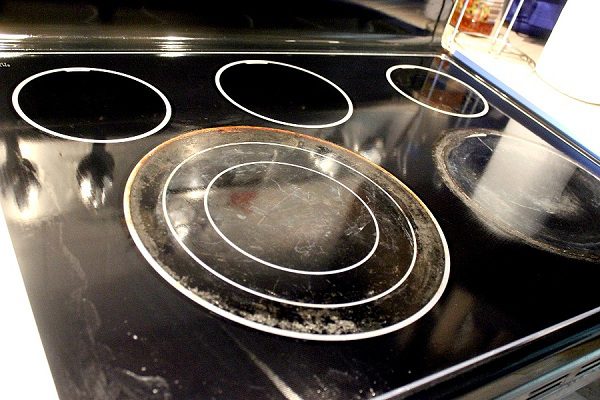
Baking soda mixes deliver reliable results across kitchens, bathrooms, and living areas by combining mild abrasion with natural deodorizing action. Pairing baking soda with vinegar, dish soap, or hydrogen peroxide creates pastes and solutions that lift grease, neutralize odors, and break down mineral deposits. These blends stay inexpensive and leave no toxic residue on surfaces you touch daily.
Stovetop Grease Removal
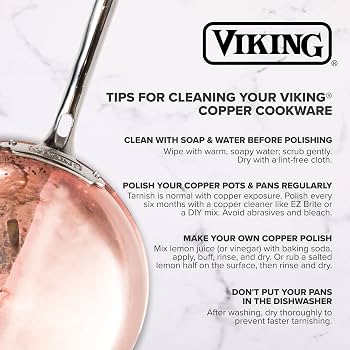
A thick baking soda and dish soap paste clings to burner grates and cooktop spills without dripping into crevices. The soap cuts through oil while the baking soda provides gentle scrubbing power that avoids scratches on enamel or stainless finishes. Apply the mix, let it dwell, then wipe with a damp cloth to reveal clean metal.
Many users notice that reheating the surface slightly before application helps the paste penetrate baked-on layers faster. Test a small area first if your stovetop has a special coating. Avoid steel wool pads that could leave marks even after the paste loosens the grime.
Sink Scrubbing Paste
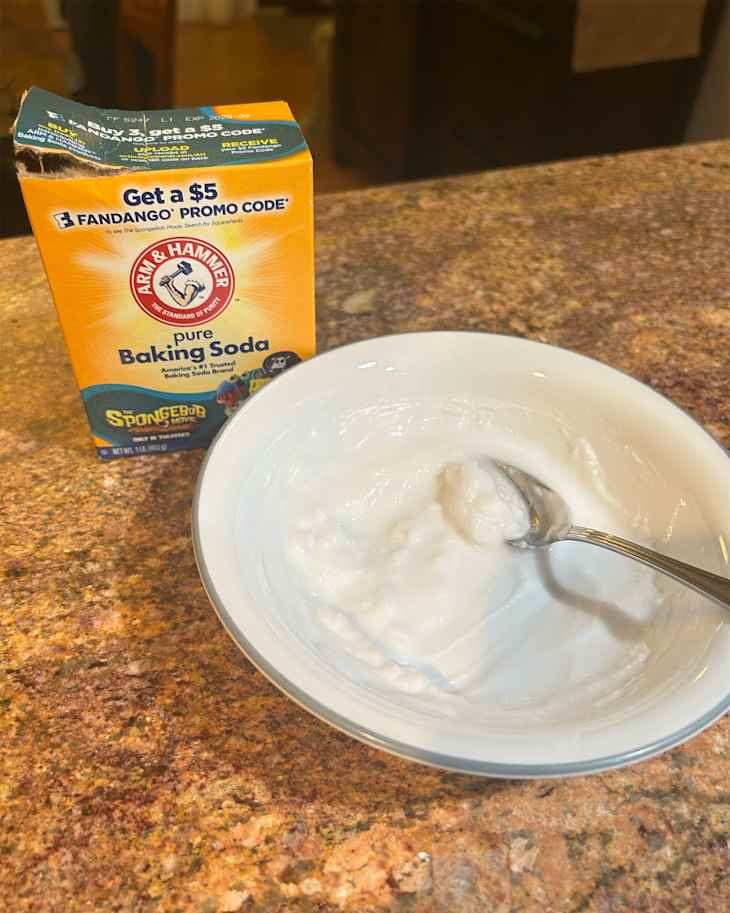
This same base mix restores shine to porcelain, stainless, and composite sinks by lifting water spots and soap scum. The mild alkalinity of baking soda neutralizes acidic residues that dull finishes over time. Follow with a rinse of plain water to prevent any white film from remaining.
The mix ratio of three parts baking soda to one part water creates the ideal consistency for most vertical surfaces.
Rinse thoroughly after scrubbing to keep drains clear of loose particles. For deeper cleaning, allow the paste to sit overnight on heavily stained areas before rinsing.
Carpet Odor Treatment
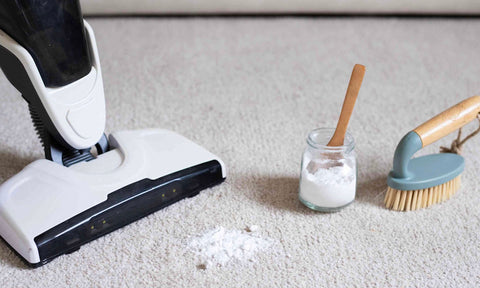
Dry baking soda mixed with a few drops of essential oil absorbs odors trapped in carpet fibers before vacuuming. The fine powder reaches between strands where liquid cleaners cannot penetrate. Vacuum slowly in multiple directions to capture the loosened particles and embedded smells.
This approach works especially well in high-traffic hallways and pet areas. Reapply every few weeks during allergy season for ongoing freshness. Store the dry mix in a shaker container for quick touch-ups between deep cleans.
Drain Deodorizer Mix
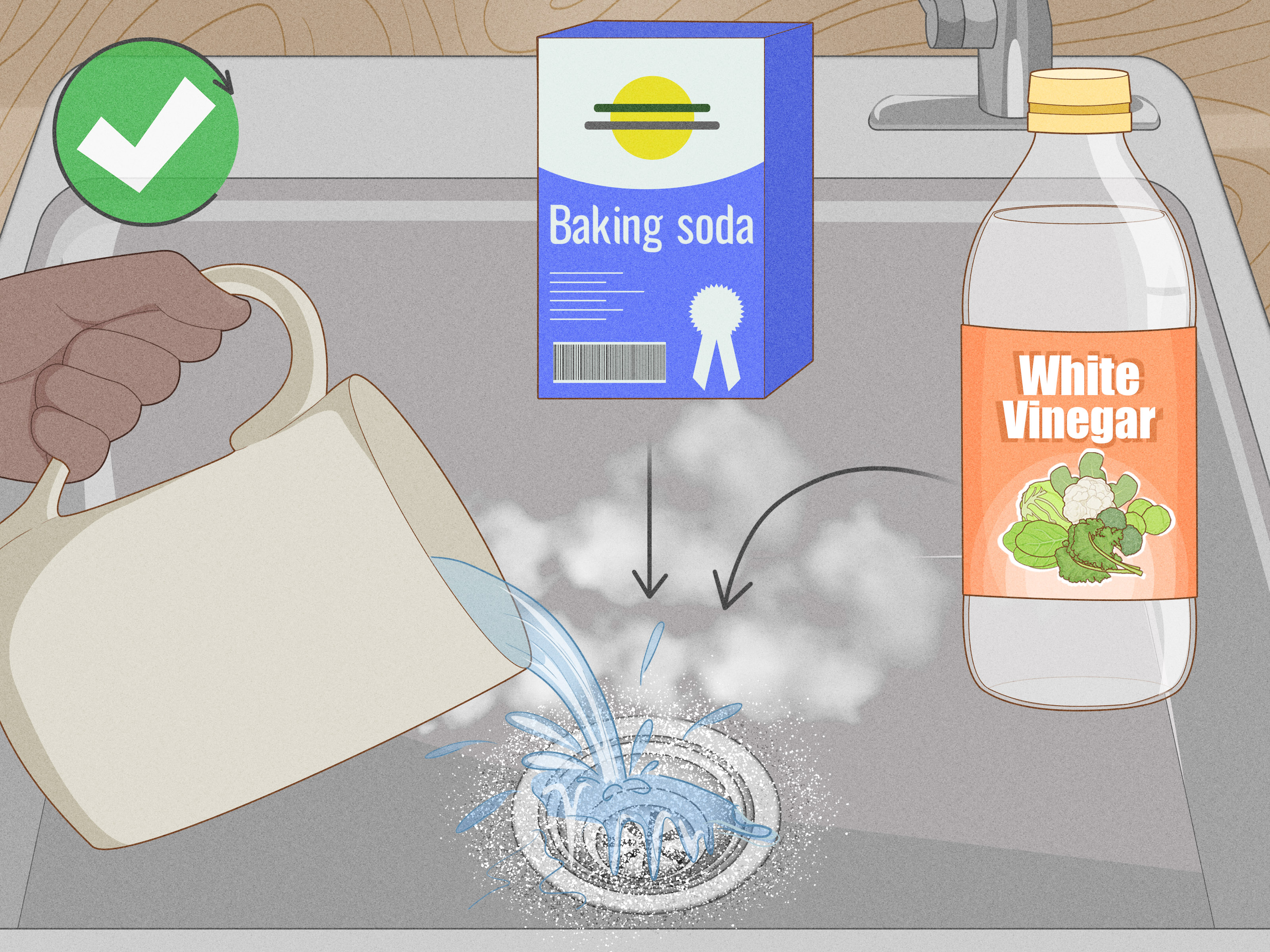
Pouring a baking soda and vinegar solution down drains breaks apart organic buildup that causes slow drainage and musty smells. The fizzing action loosens debris clinging to pipe walls while the baking soda absorbs lingering odors. Follow with hot water to flush the loosened material away.
Perform this treatment monthly to maintain flow in bathroom and kitchen sinks. Keep the ratio at one cup baking soda followed by one cup vinegar for standard household drains. Never combine with commercial chemical drain cleaners on the same day.
Silver Polish Application
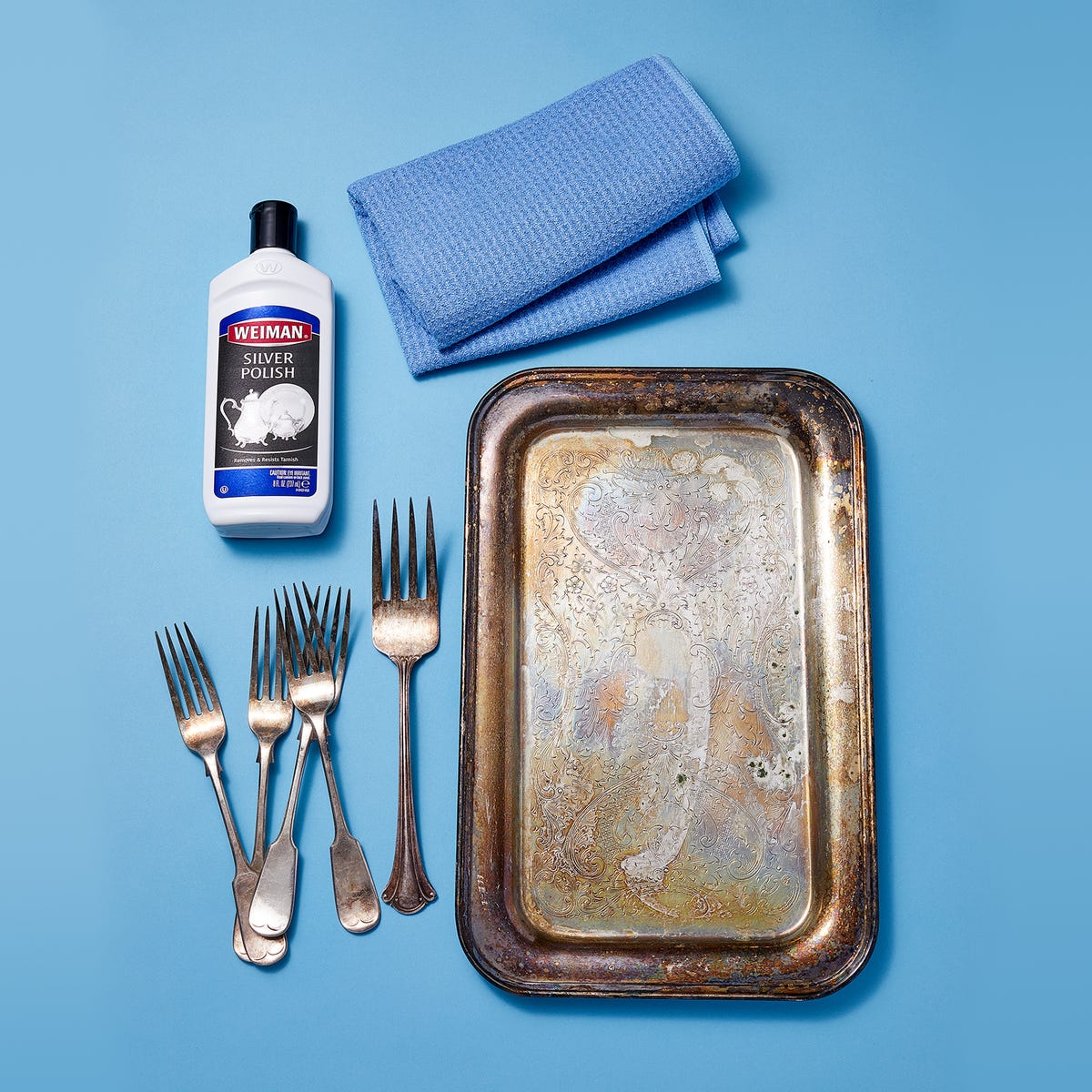
A paste of baking soda and water removes tarnish from silver without the harsh abrasives found in commercial polishes. Apply with a soft cloth using circular motions, then rinse under warm water and dry immediately. The process restores reflective surfaces on flatware, trays, and decorative items.
Work in small batches to avoid letting the paste dry completely on intricate pieces. Use an old toothbrush for crevices in ornate patterns. Store polished silver in anti-tarnish bags to reduce how often the mix is needed.
Grout Whitening Solution
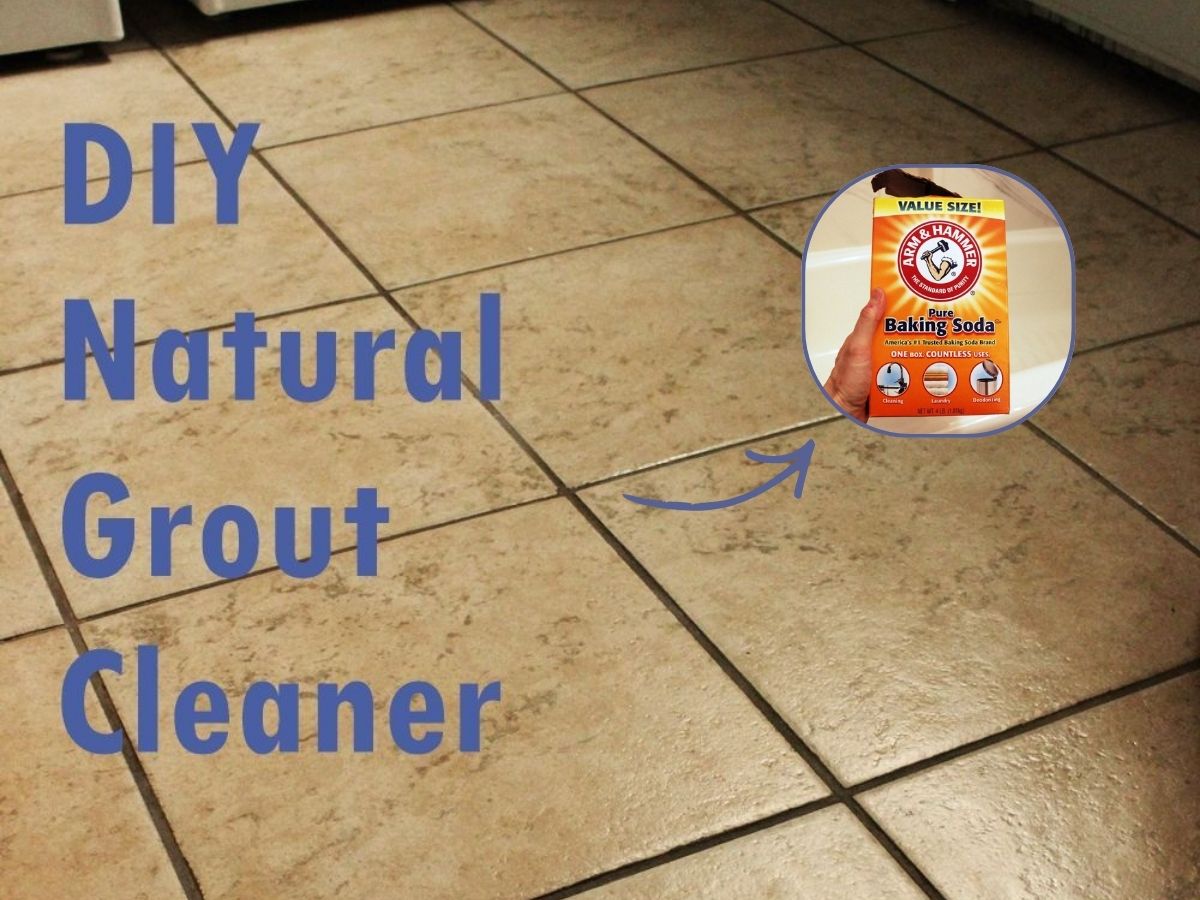
Hydrogen peroxide mixed with baking soda creates a foaming cleaner that targets mold and discoloration in grout lines. The peroxide releases oxygen bubbles that lift embedded dirt while baking soda scrubs the surface. Apply with a grout brush and let it sit before rinsing.
Always test the peroxide strength on an inconspicuous tile first to prevent unwanted lightening of surrounding surfaces.
Repeat every three months in humid bathrooms to keep lines bright. Wear gloves during application since peroxide can irritate skin on prolonged contact.
Fabric Stain Lifter
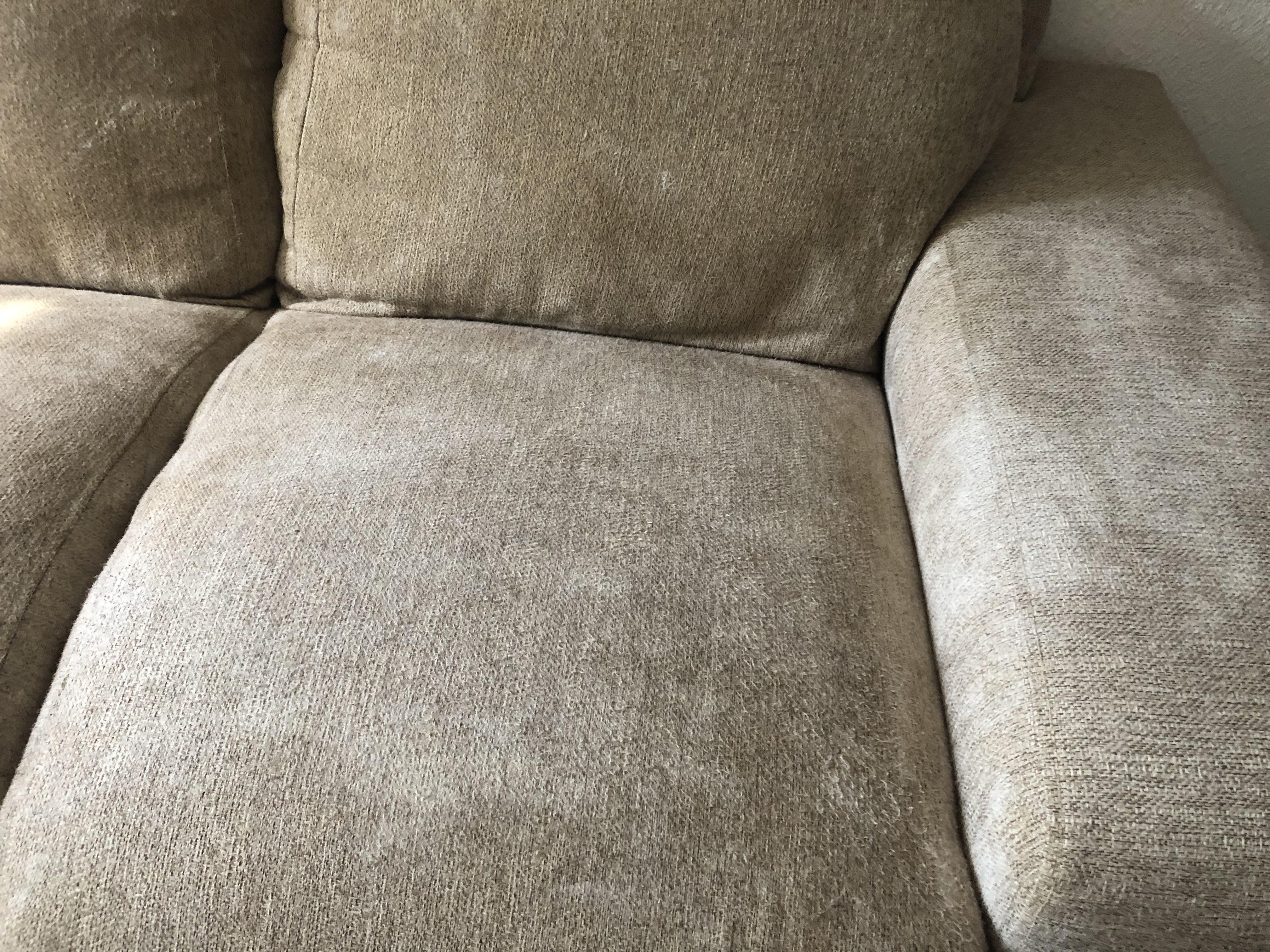
A baking soda and hydrogen peroxide paste lifts organic stains from upholstery and carpet when blotted rather than rubbed. The oxygen action breaks down proteins in food and pet accidents without setting the color. Blot excess moisture after treatment and allow the fabric to air dry.
| Surface Type | Recommended Mix | Dwell Time | Rinse Method |
|---|---|---|---|
| Cotton upholstery | 2 parts baking soda, 1 part peroxide | 10 minutes | Damp cloth |
| Wool carpet | 3 parts baking soda, 1 part water | 15 minutes | Vacuum only |
| Synthetic rugs | Equal parts baking soda and vinegar | 5 minutes | Mild soap solution |
Rotate cushions during drying to prevent water rings from forming.
Microwave Interior Cleaner
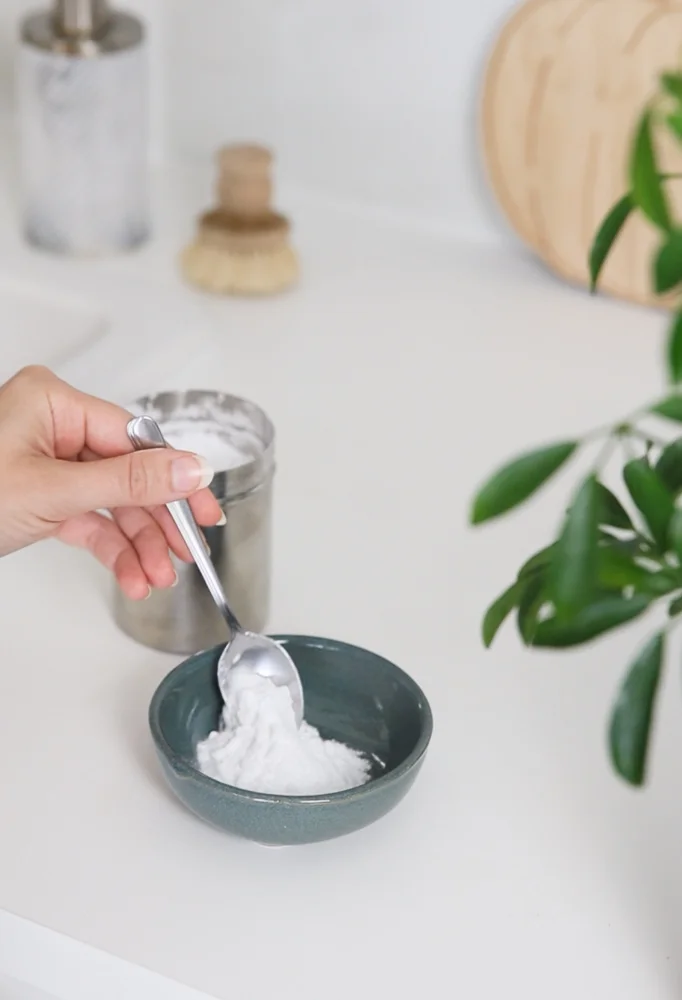
Heating a bowl of water with baking soda inside loosens splattered food so it wipes away easily. The steam carries the baking soda particles onto walls and ceiling surfaces where grease has hardened. Wipe with a sponge afterward to remove residue without scraping.
Place a microwave-safe cover over the bowl to contain any boil-over. Run the cycle for two minutes then let the door stay closed for an additional minute. This method avoids the harsh fumes of commercial microwave cleaners.
Toilet Bowl Scrub
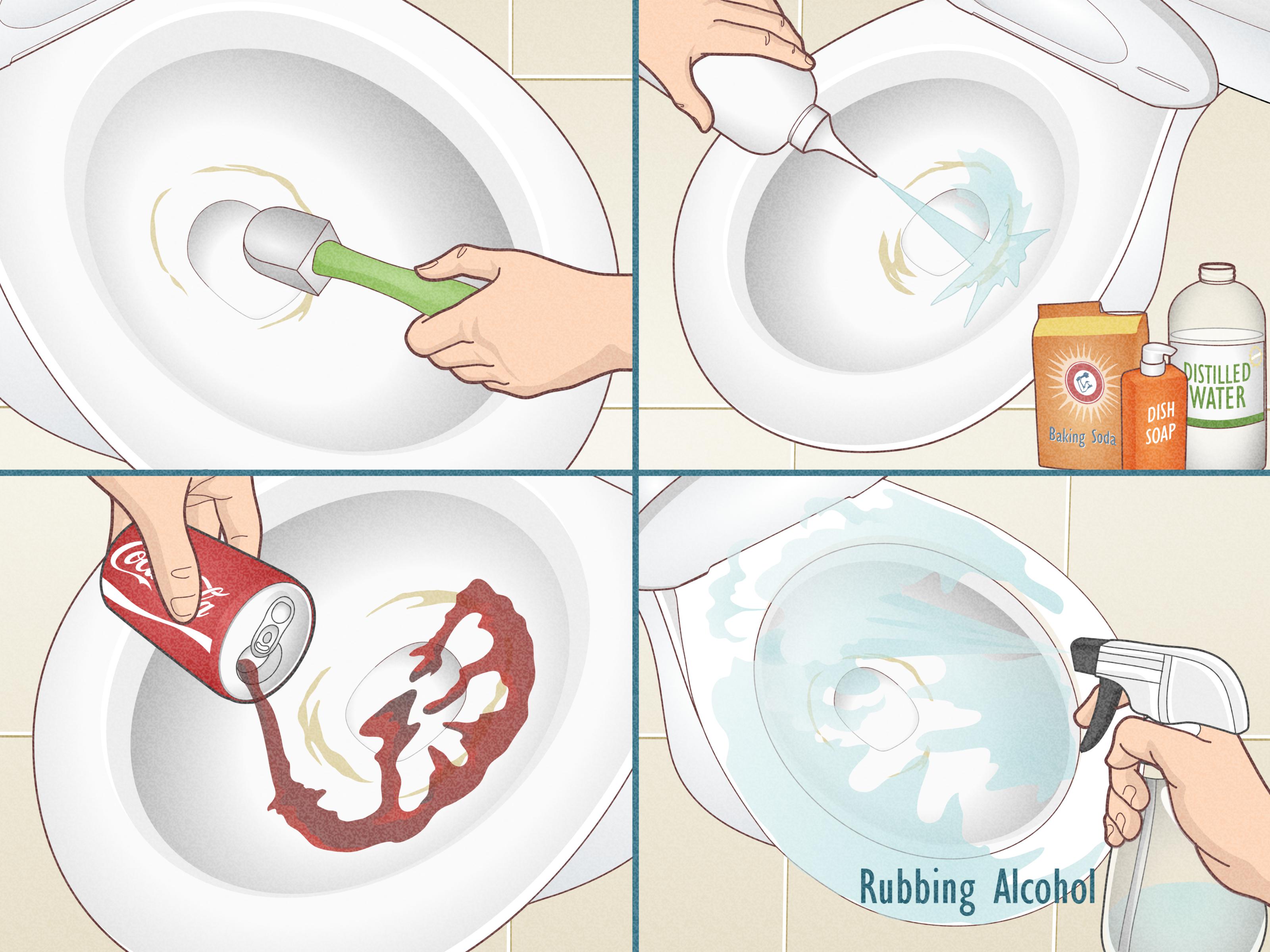
Baking soda combined with vinegar creates a foaming action that reaches under the rim and along the water line. The mix breaks down mineral rings while the fizz helps dislodge buildup on porcelain. Scrub with a dedicated toilet brush and flush to complete the process.
Apply weekly to prevent rings from reforming. Keep a dedicated spray bottle of the mix under the sink for quick touch-ups between full scrubs. Avoid using on colored toilet bowls without testing first.
Fridge Interior Wipe
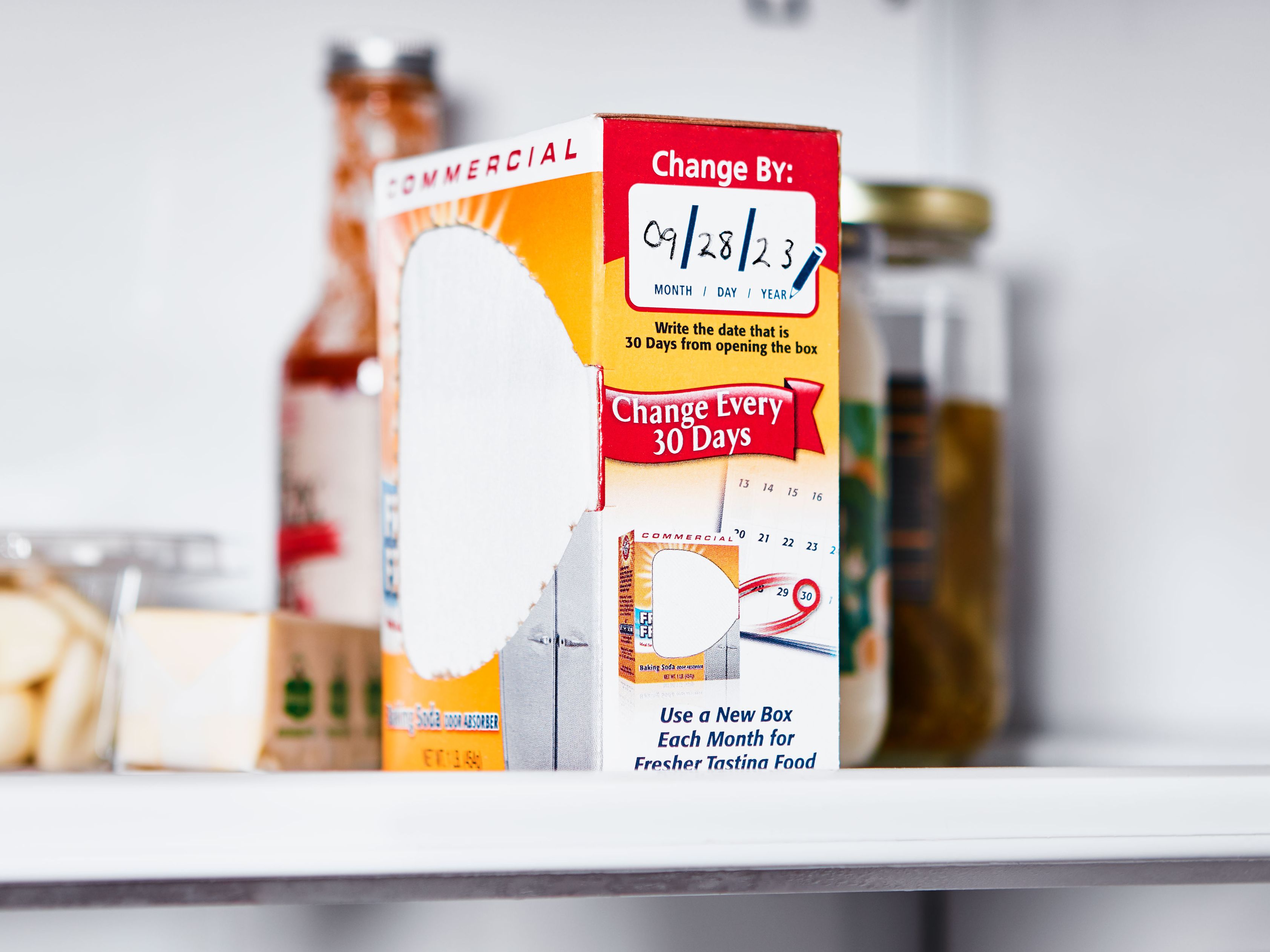
A diluted baking soda solution wipes away sticky spills and neutralizes food odors inside refrigerators. The mild alkalinity cuts through sugar-based residues without affecting plastic or glass shelves. Dry surfaces completely after wiping to prevent new odors from developing.
Remove all items before cleaning and work from top to bottom. Replace the box of plain baking soda in the fridge at the same time for continuous odor control. This approach keeps glass shelves streak-free without commercial sprays.
Laundry Freshener Boost
Adding baking soda to the wash cycle with your regular detergent boosts odor removal from towels and gym clothes. The powder helps suspend soil particles so they rinse away more completely. Use half a cup per load for standard machines.
This addition works well with both liquid and powder detergents. It also helps soften water in areas with high mineral content. Run an empty hot cycle with baking soda monthly to keep the machine itself fresh.
FAQ
How long should a baking soda cleaning mix sit before wiping?
Most pastes need at least ten minutes to loosen grease and mineral deposits, though heavy buildup benefits from fifteen to twenty minutes of dwell time. The exact duration depends on the surface and how long the grime has accumulated. Always check the area after ten minutes and extend if residue remains visible.
Can baking soda mixes damage certain countertop materials?
Granite and marble tolerate brief contact with baking soda solutions but should never be left with acidic additions like vinegar for extended periods. Quartz and laminate surfaces handle the mixes well when rinsed promptly. Always wipe up spills on natural stone within a few minutes.
What ratio works best for vertical surfaces like shower walls?
A three-to-one baking soda to water ratio creates a paste thick enough to cling without sliding down. Add a small amount of dish soap for extra grease-cutting power on tile. Test the consistency on a small section first to confirm it stays in place during the dwell period.
These mixes turn routine cleaning into a low-cost habit that protects both surfaces and indoor air quality over time.
Leave a Reply