
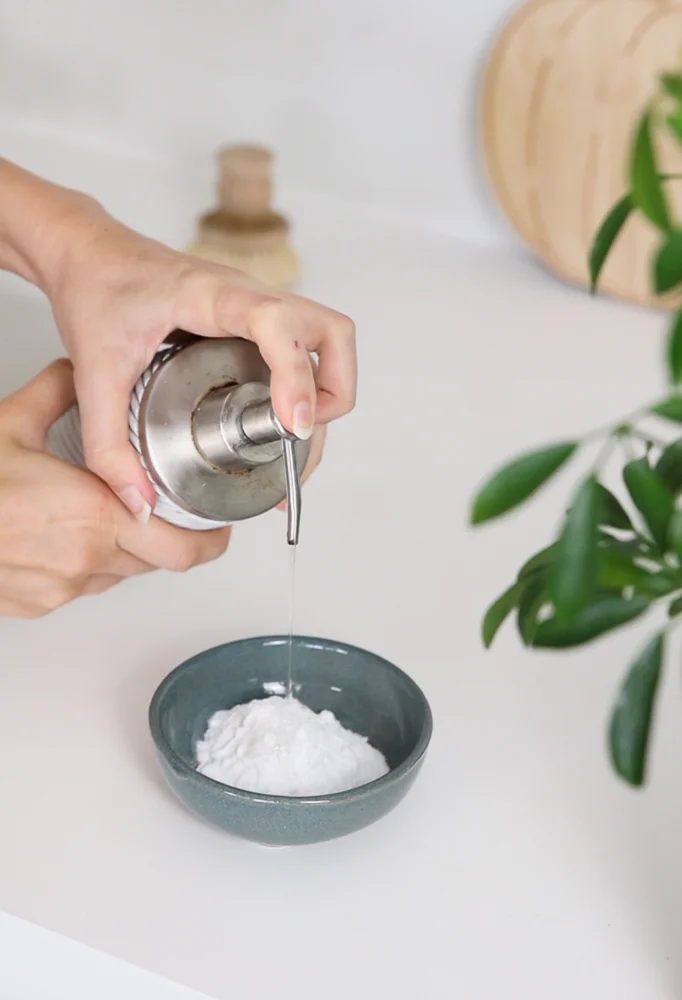
Baking soda delivers reliable results on grease, odors, and mineral deposits when you apply it correctly to everyday surfaces. Its mild abrasive texture and natural deodorizing properties let you replace several commercial products with one pantry staple. The following sections break down eleven specific applications so you can match the right method to each cleaning task in your home.
Baking Soda Oven Cleaning Paste
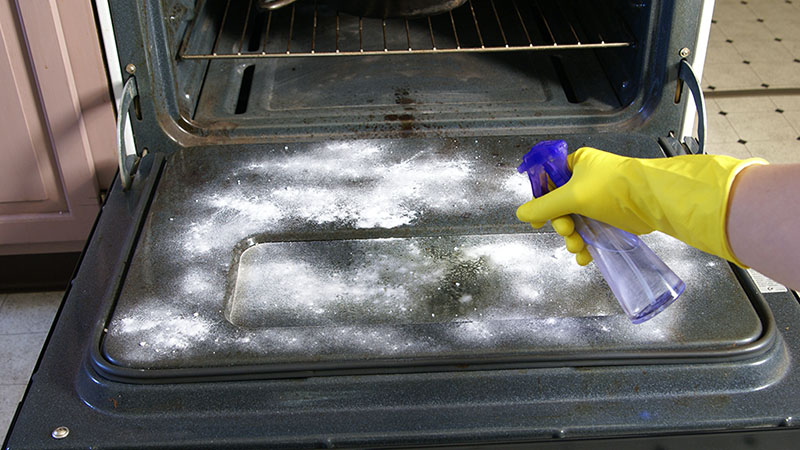
Baking soda forms a thick paste that clings to oven walls and breaks down baked-on spills over several hours. Spread the paste evenly, let it sit overnight, then wipe away the softened residue with a damp cloth. This approach avoids the fumes of commercial oven cleaners while still handling the toughest buildup.
You can adjust the paste consistency by adding a small amount of water until it spreads like frosting. Work in sections so the paste does not dry before you finish application. Baking soda loosens carbonized grease more effectively when left undisturbed for at least eight hours rather than wiped off early.
Sink Scrubbing with Baking Soda
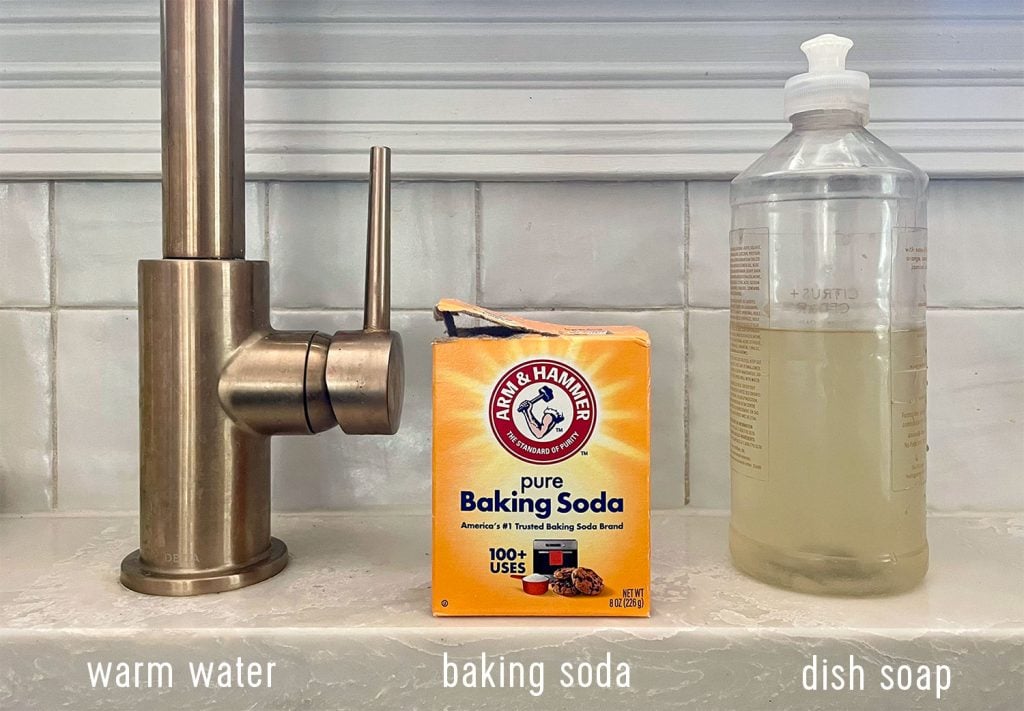
Baking soda removes water spots and light grease from porcelain, stainless steel, and composite sinks without scratching the finish. Sprinkle the powder directly onto a damp sponge, scrub in circular motions, then rinse thoroughly. The fine particles lift mineral deposits that soap alone leaves behind.
Different sink materials respond best to slight variations in technique. Stainless steel benefits from a final polish with a dry microfiber cloth to restore shine. Porcelain tolerates a slightly firmer scrubbing pressure.
| Surface | Recommended Amount | Rinse Method | Finish Step |
|---|---|---|---|
| Stainless steel | 2 tablespoons | Warm water | Dry buff |
| Porcelain | 3 tablespoons | Cool water | Vinegar rinse |
| Composite | 1 tablespoon | Lukewarm water | Soft cloth dry |
Carpet Deodorizing with Baking Soda
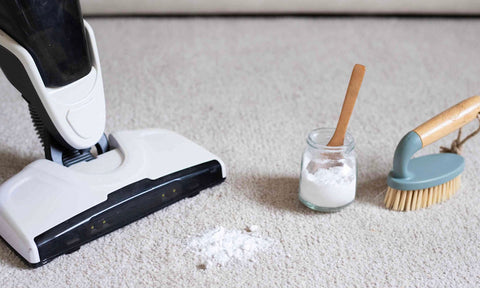
Baking soda neutralizes odors trapped in carpet fibers by absorbing moisture and volatile compounds. Sprinkle a light, even layer across the area, work it gently into the pile with a broom, and leave it for at least fifteen minutes before vacuuming. Heavily used rooms may need a second application after the first vacuum pass.
This method works on both synthetic and wool carpets when you keep the layer thin enough to avoid clumping. Avoid over-application near baseboards where the powder can collect and become difficult to remove completely.
- High-traffic hallways: apply every two weeks
- Pet areas: apply weekly with extra attention to corners
- Low-use guest rooms: apply monthly before vacuuming
Drain Clearing Mixtures
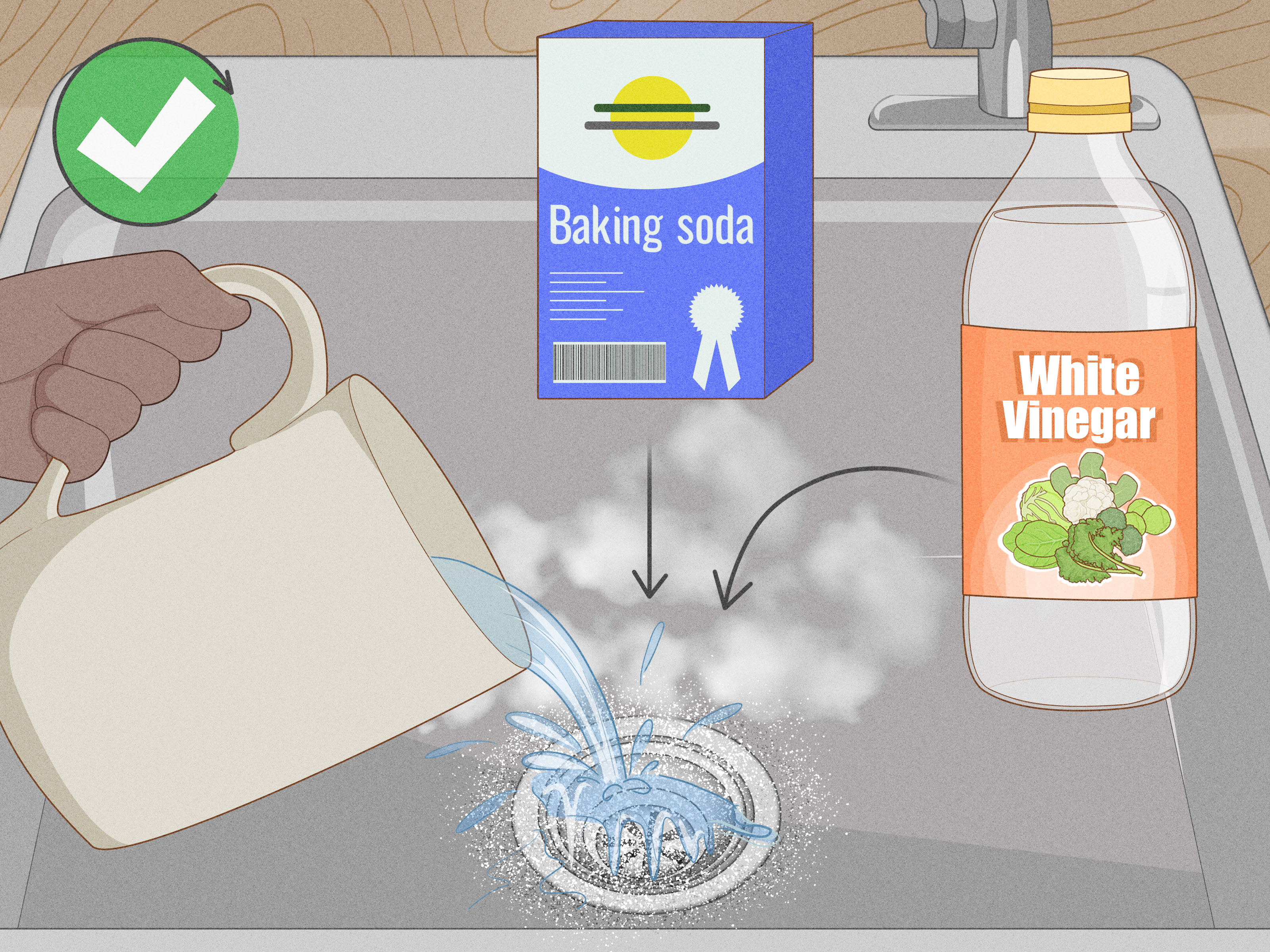
Baking soda combined with vinegar creates a foaming action that dislodges minor clogs and freshens drain pipes. Pour half a cup of baking soda followed by one cup of vinegar, wait ten minutes, then flush with hot water. The reaction helps break apart soap scum and organic matter without damaging pipes.
Repeat the process once a month as preventive maintenance in kitchens and bathrooms. This combination performs best on slow drains rather than completely blocked ones that require mechanical clearing.
Silver Polishing Using Baking Soda
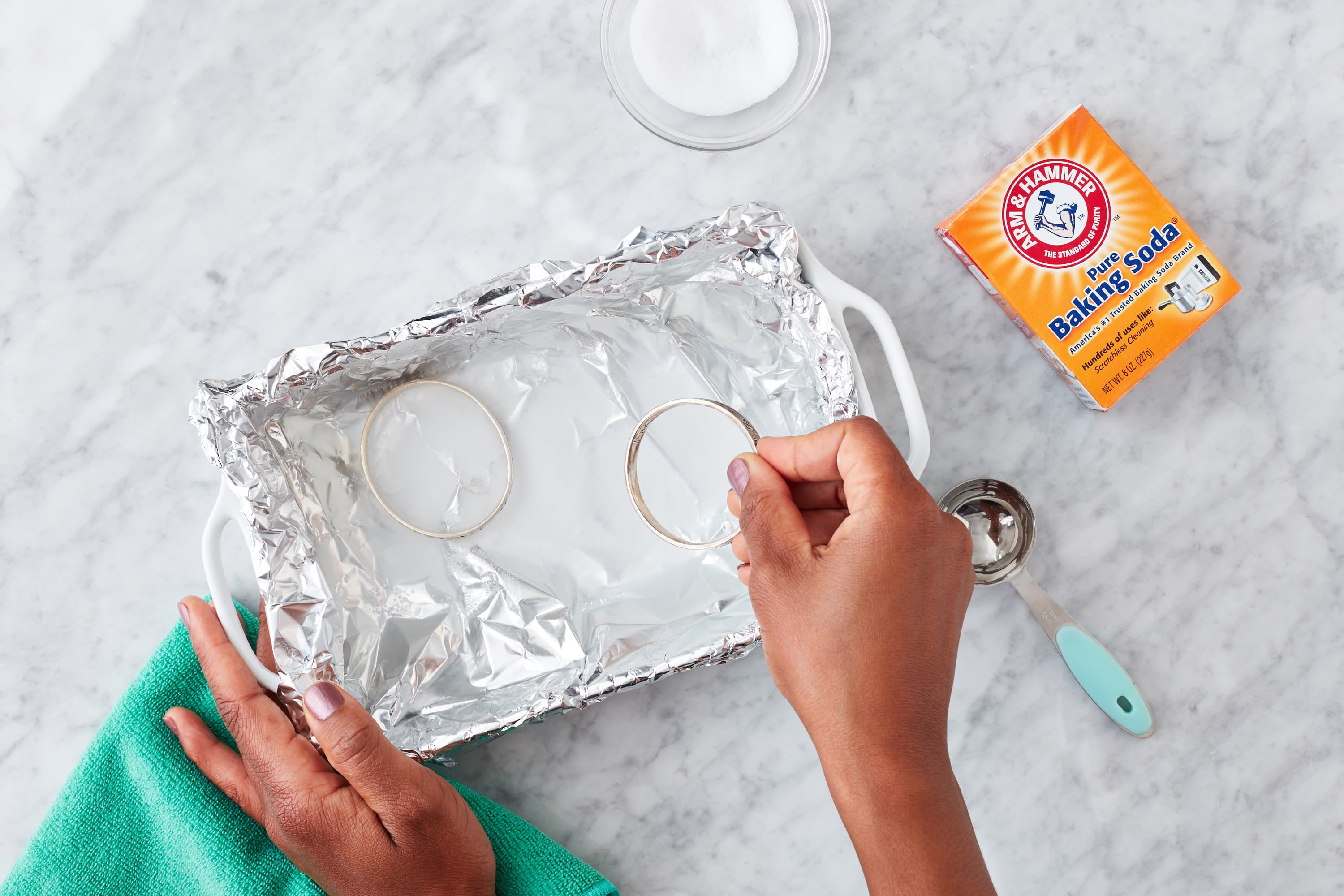
Baking soda removes tarnish from silver through a mild chemical reaction when items rest in a lined container. Line a bowl with aluminum foil, add hot water and several tablespoons of baking soda, then submerge the silver for three to five minutes. Rinse and dry each piece immediately after removal.
This technique works on flatware and small decorative items but requires care with pieces that have glued components or delicate stones. Test one item first if you are unsure about the construction.
Toilet Bowl Cleaning
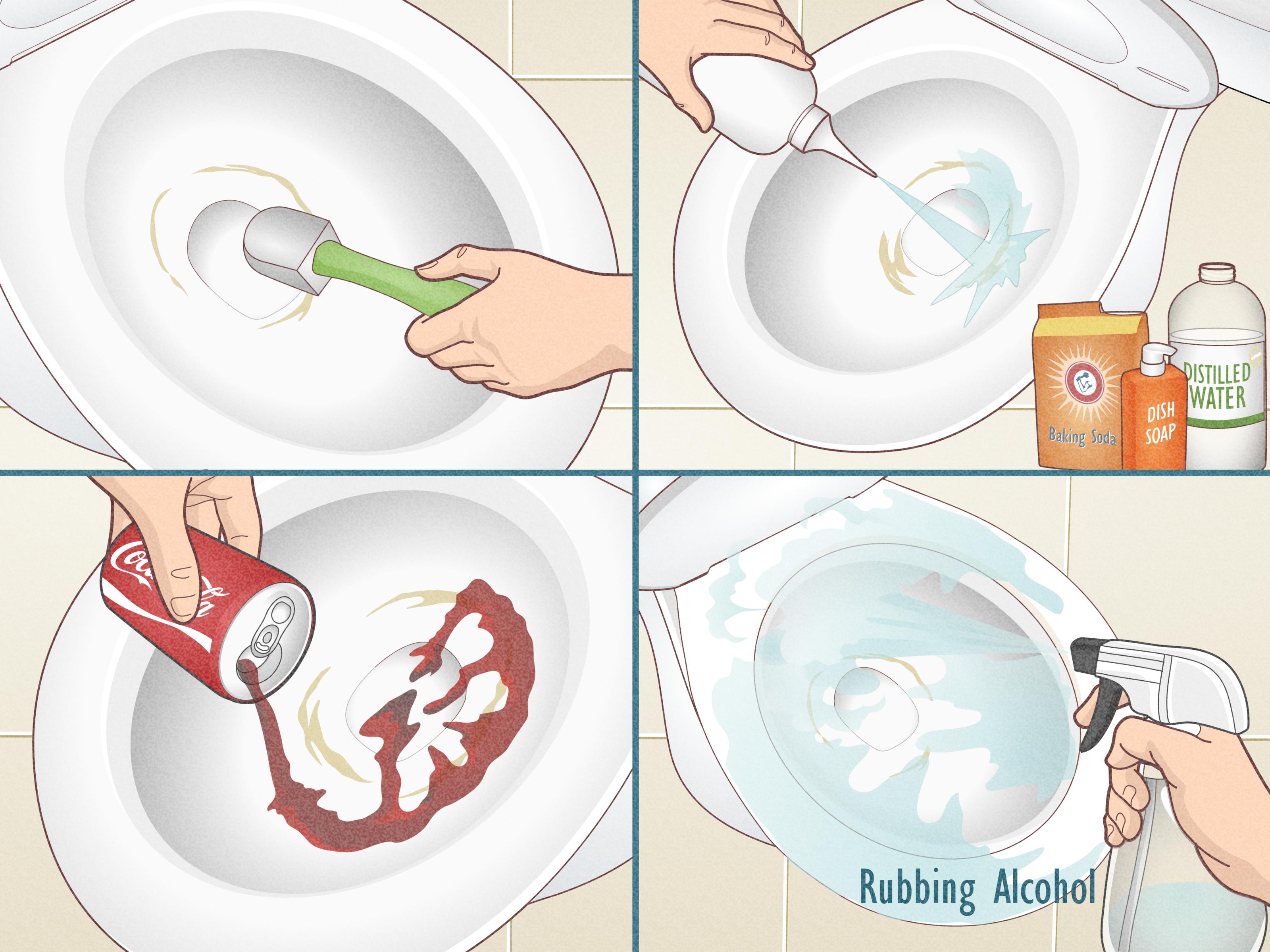
Baking soda breaks down ring stains inside toilet bowls when left to sit before scrubbing. Sprinkle one cup around the bowl, add vinegar, and let the mixture foam for ten minutes before brushing. The combination reaches under the rim where brushes alone often miss residue.
For persistent rings, repeat the application once daily for three days rather than using excessive force on a single cleaning. This gradual approach protects the glaze on older fixtures.
Laundry Freshening Applications
Baking soda balances pH in wash water and helps lift body oils from towels and athletic clothing. Add half a cup to the drum along with your regular detergent. The powder also reduces static in dryer loads when sprinkled on wet items before the cycle starts.
Use it on cotton and synthetic blends without risk of color fading. Avoid adding it directly to delicate silk or wool items where residue could remain.
Microwave Interior Cleaning
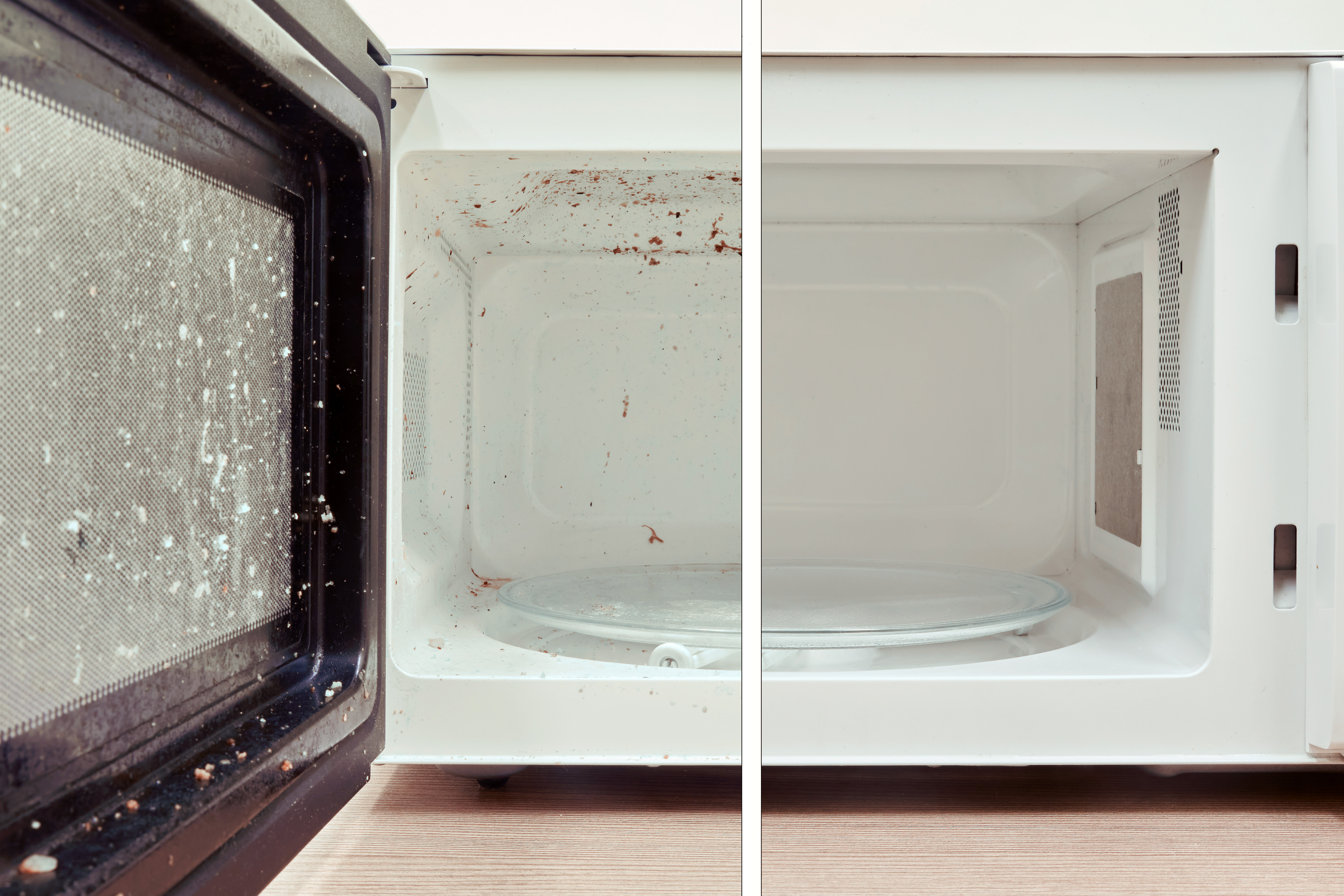
Baking soda lifts dried food splatters inside microwaves when mixed into a loose paste and applied to the surfaces. Heat a bowl of water for two minutes first to loosen debris, then wipe with the baking soda mixture. The steam plus mild abrasion removes residue without harsh scrubbing.
Wipe the turntable and door seals separately after the main interior is clean. This prevents small particles from collecting in the door mechanism over time.
Fabric Stain Removal
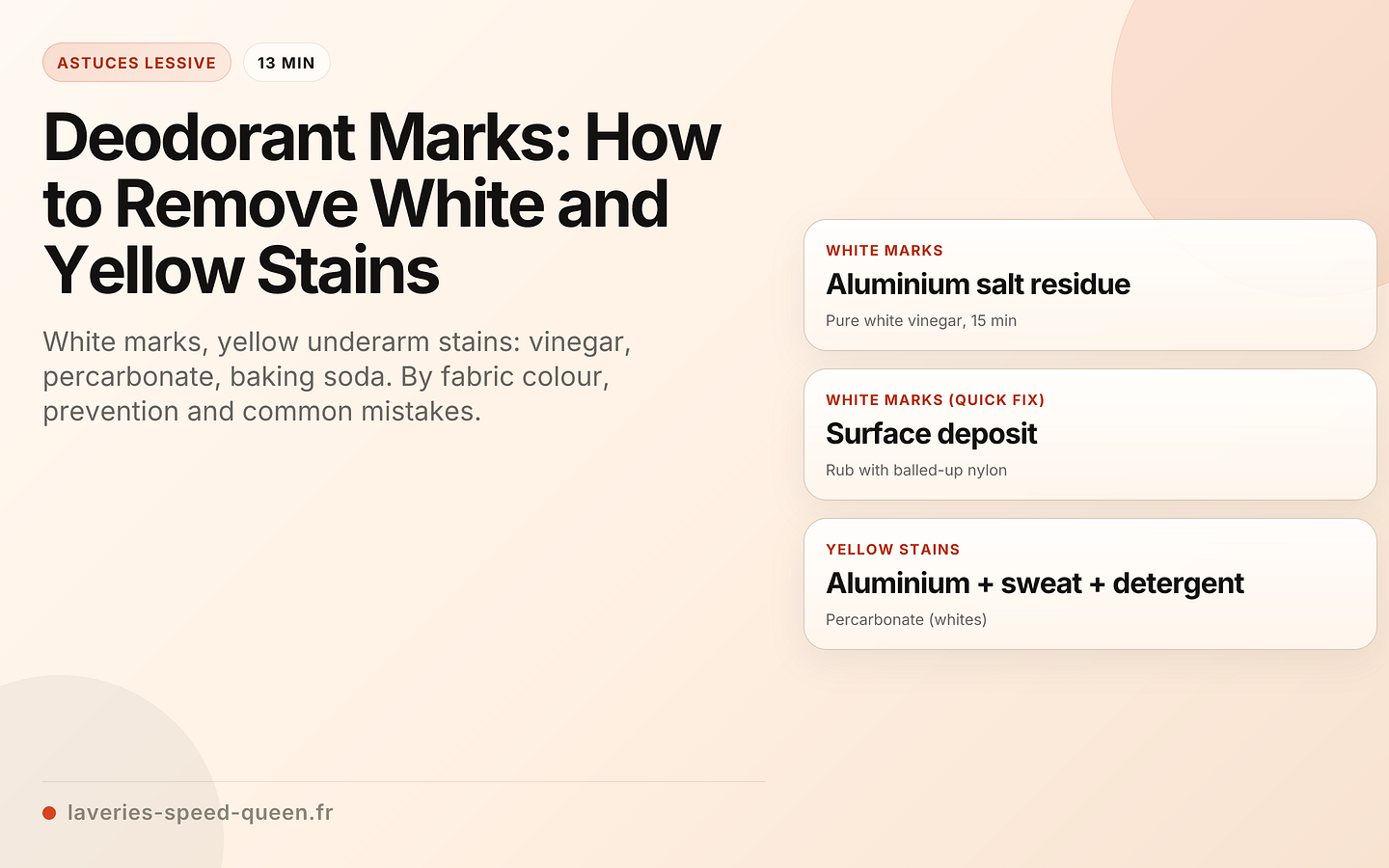
Baking soda draws out fresh stains from upholstery and washable fabrics when applied as a damp paste. Blot the area first, cover with the paste, and let it dry completely before brushing or vacuuming away the powder. The process works on coffee, wine, and grease marks when treated promptly.
Test an inconspicuous spot on patterned or colored fabrics to confirm no lightening occurs. Multiple light applications often outperform one heavy treatment on older stains.
Grout Whitening Techniques
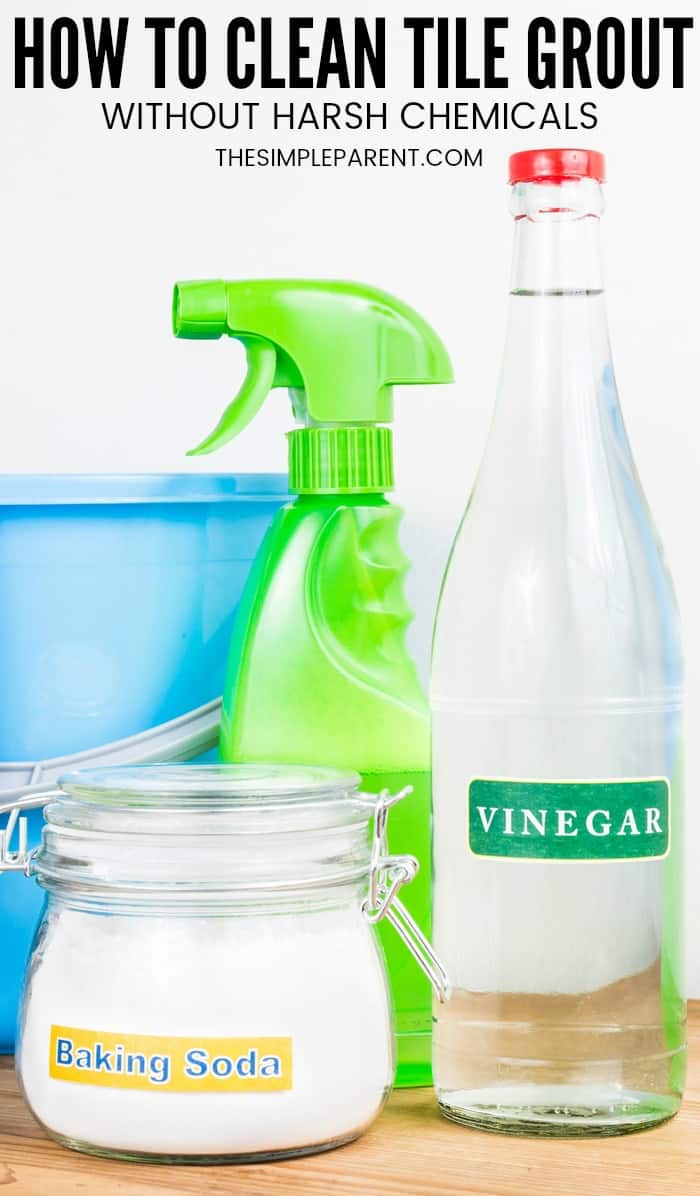
Baking soda restores brightness to discolored grout lines between tiles when used as a thick paste with a small brush. Apply the paste along the lines, let it sit for fifteen minutes, then scrub gently and rinse. The fine texture reaches into the porous surface without eroding the grout itself.
Seal cleaned grout afterward to slow future discoloration. This step extends the time between deep cleanings in showers and kitchen floors.
Refrigerator Deodorizing
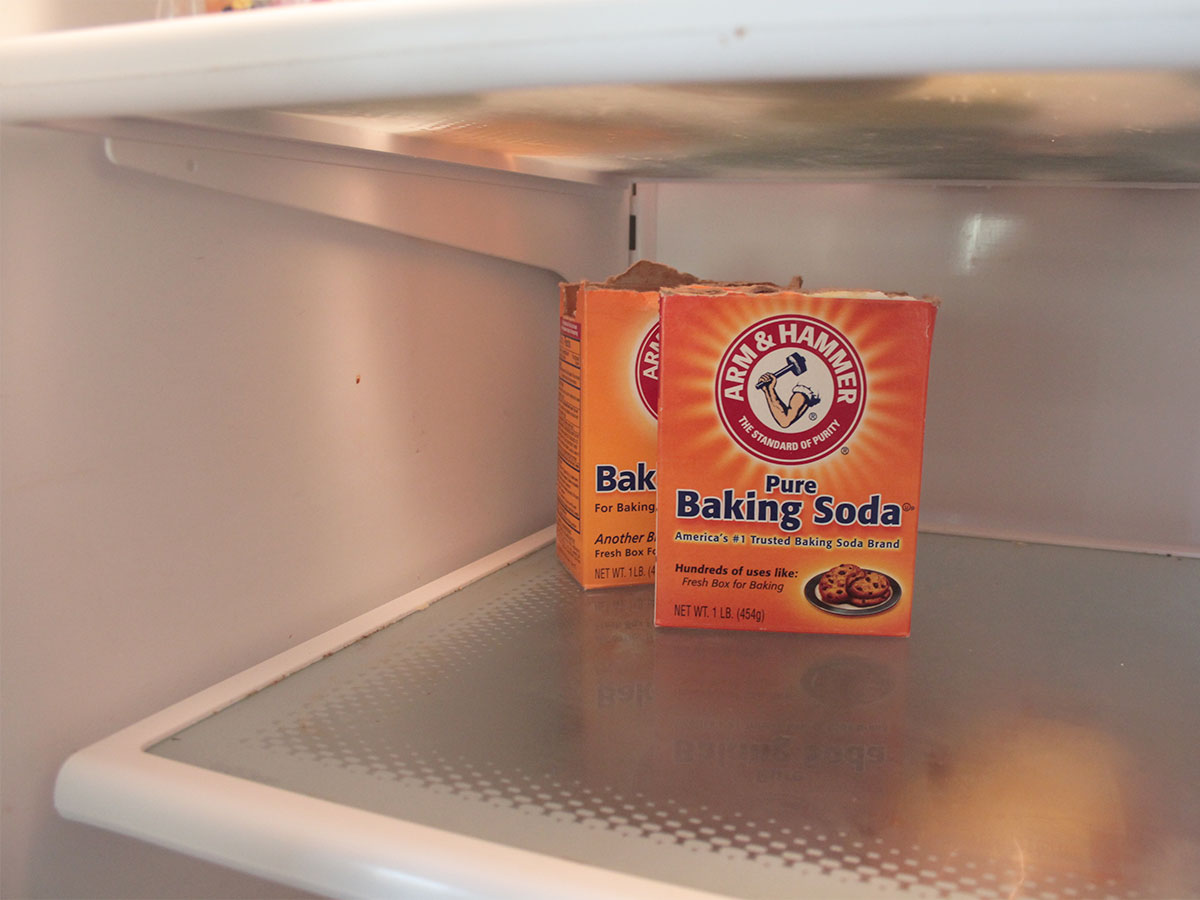
Baking soda absorbs food odors inside refrigerators when placed in an open container on a central shelf. Replace the box every three months or when you notice lingering smells returning. The same box can be sprinkled directly into the crisper drawers for targeted odor control before vacuuming out the powder.
Keep the container away from direct airflow vents so the powder does not scatter during door openings. This placement maintains steady odor absorption without creating dust on stored items.
FAQ
How often should baking soda be used on stainless steel sinks?
Apply baking soda to stainless steel sinks once a week for routine maintenance and immediately after cooking heavy meals that produce grease splatter. The mild abrasion keeps the surface bright without wearing down the finish when used at this frequency. Overuse can leave a temporary white film if rinsing is incomplete, so always follow with a clear water rinse and drying step.
Can baking soda damage septic systems when used for drain cleaning?
Baking soda and vinegar mixtures remain safe for septic systems because they introduce no harsh chemicals that kill beneficial bacteria. The quantities used in monthly maintenance are small enough to pass through pipes without causing imbalance. Homeowners with older septic tanks should still monitor drainage after the first few applications to confirm normal function.
Does baking soda remove set-in carpet stains completely?
Baking soda draws out fresh or lightly set stains but may require repeated applications or a follow-up enzyme cleaner for older, deeply embedded marks. The powder works by absorbing moisture and odor molecules rather than breaking chemical bonds in the stain. Test results appear within twenty-four hours after vacuuming, so allow that drying period before deciding on additional treatment.
Why does baking soda sometimes leave a white residue on dark fabrics?
Residue forms when too much powder is used or when the fabric does not receive a thorough rinse after treatment. Dark colors show the fine particles more clearly than light ones. Reduce the amount applied and rinse twice with clear water to prevent visible marks on clothing or upholstery.
Baking soda keeps working long after the initial application when you match the right quantity and contact time to each surface.
Leave a Reply