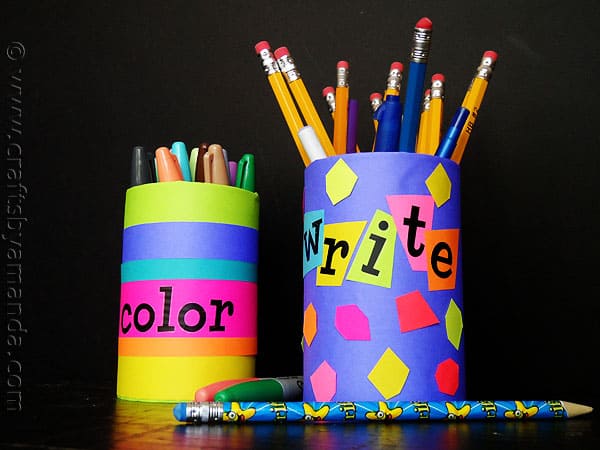
Back to school crafts give kids a way to personalize their supplies and spaces while building skills they use all year. These projects focus on items that fit directly into daily routines like writing, organizing, and carrying belongings. Each one uses accessible materials and produces something functional that children can show off on the first day.
Customized Pencil Cases
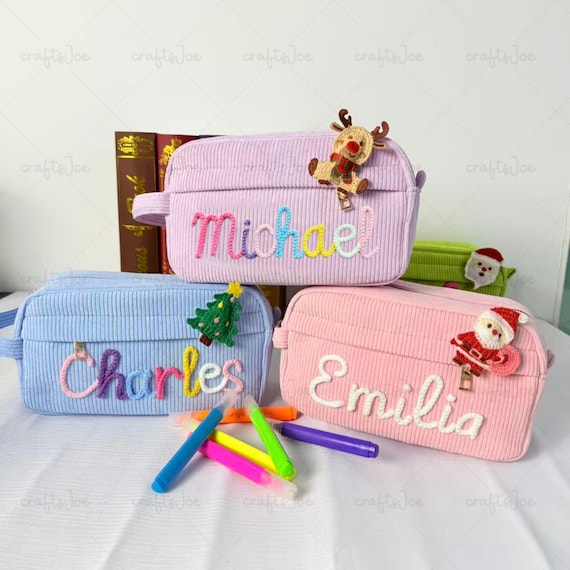
Fabric markers turn plain pencil cases into unique pieces that match a child’s style. Kids draw patterns or write their names across the surface, then add small patches or buttons for texture. The finished case keeps pencils and pens together without mixing with other supplies in the backpack.
Parents notice that these cases survive daily wear better when the base material is canvas rather than thin plastic. Children enjoy choosing colors that coordinate with their notebooks or lunch bags. One common variation uses iron-on letters for names that stay legible through washing.
What fabric holds up best for daily use?
Canvas and denim both resist tearing when zippers are pulled open and closed multiple times a day. Thinner cottons tend to fray at the edges after a few weeks in a crowded backpack.
Handmade Bookmarks

Ribbons and cardstock combine to mark textbook pages without damaging the binding. Children cut shapes from heavy paper, punch a hole at the top, and thread through decorative ribbon or yarn. Adding a small tassel at the end makes the bookmark easier to locate quickly.
These bookmarks fit inside multiple books at once when kids make a set of five or six. The activity also encourages reading because children want to use their creations right away. A frequent mistake is using flimsy paper that bends after one week, so starting with cardstock prevents early replacement.
DIY Backpack Charms
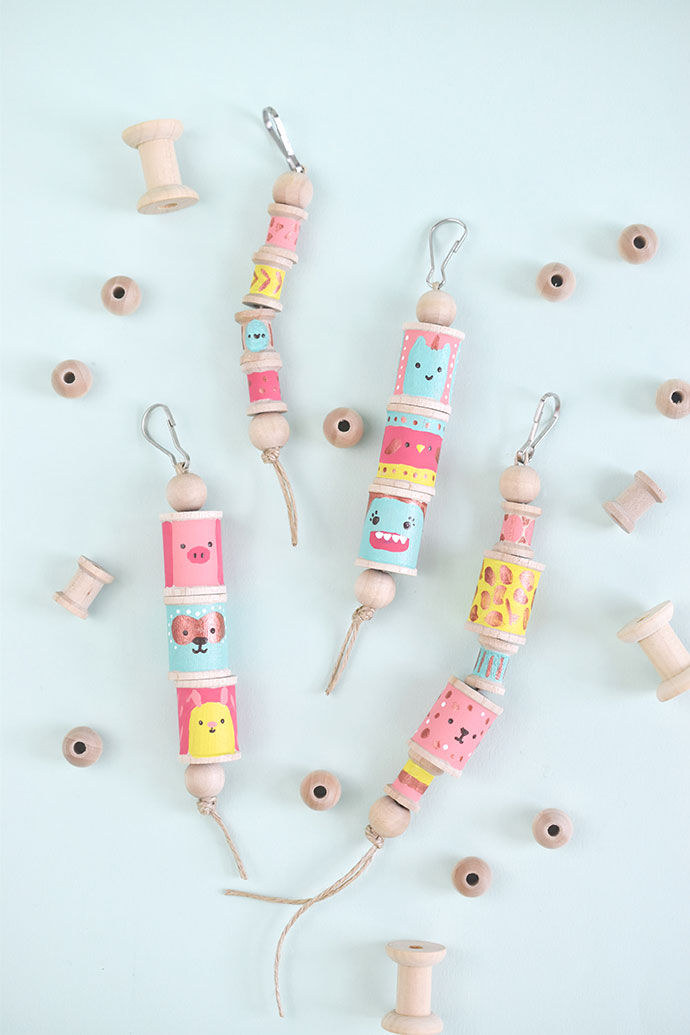
Shrink plastic sheets let kids create small charms that clip onto zipper pulls. They draw school-themed images, color them in, and bake according to package directions to harden the pieces. Adding a jump ring connects each charm to a keyring or carabiner.
Charms made this way stay visible even when the backpack hangs on a hook. Different sizes work for younger children who prefer larger pieces versus older kids who like tiny detailed ones.
Personalized Notebooks
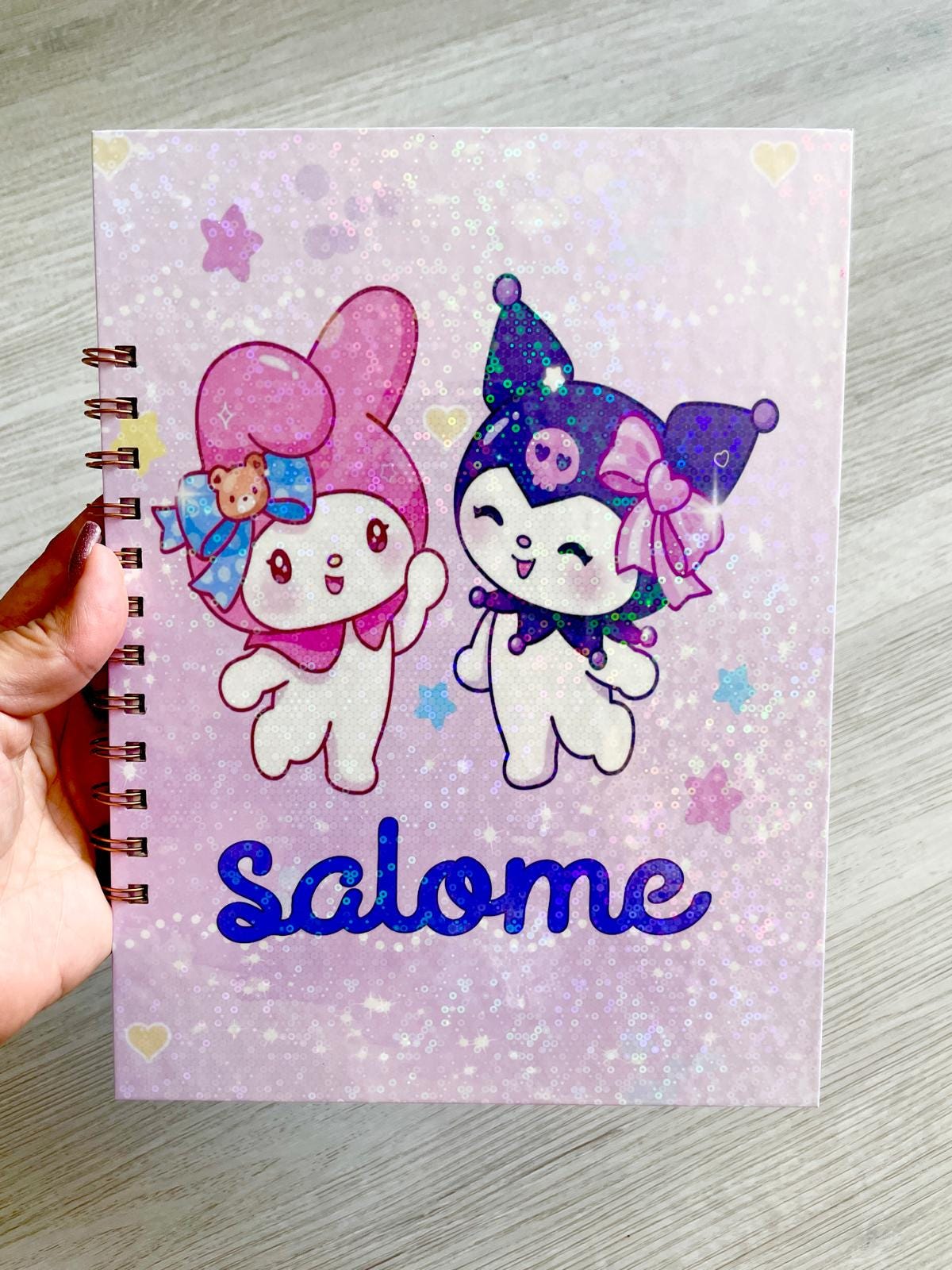
Contact paper covers plain notebooks with custom prints that kids design themselves. They trace shapes onto the paper, cut them out, and smooth the pieces over the notebook surface. Adding washi tape borders keeps edges from lifting during the school year.
The cover stays intact longer when the contact paper overlaps the spine by at least half an inch. Children often create matching sets for different subjects so their stack of books looks coordinated on a desk.
School Supply Labels
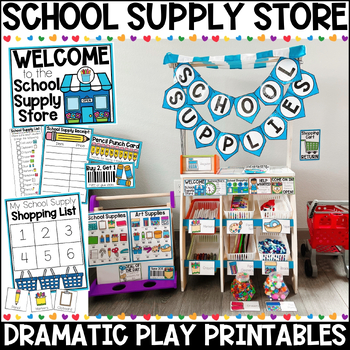
Printable labels on adhesive paper identify folders, binders, and bins by subject. Kids type or handwrite their names plus the class name, then cut and stick the labels in place. Laminating sheets over the top adds extra protection against spills.
Labels placed on the spine rather than only the front remain readable when books sit on a shelf. This system reduces time spent searching for the right notebook during rushed mornings.
First Day of School Signs
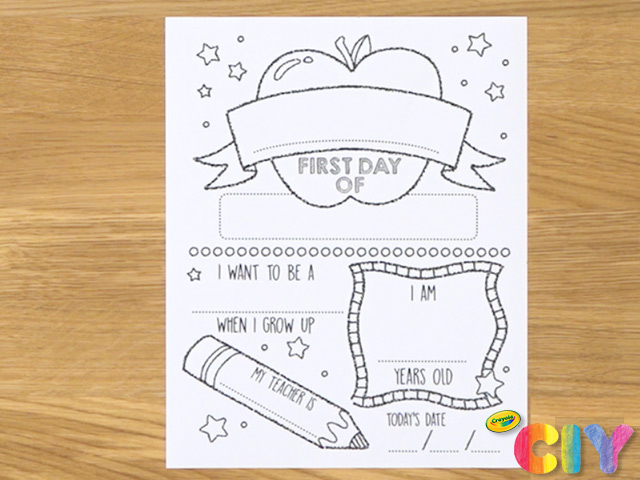
Chalkboard-style signs let families record grade level and age on the first morning. Children decorate the border with stickers or drawings before the photo session. Reusable versions use a small chalkboard that stores for future years.
The sign becomes a yearly tradition when the same frame holds new writing each August. Families often keep the photos together in one album to watch growth over time.
Pencil Toppers
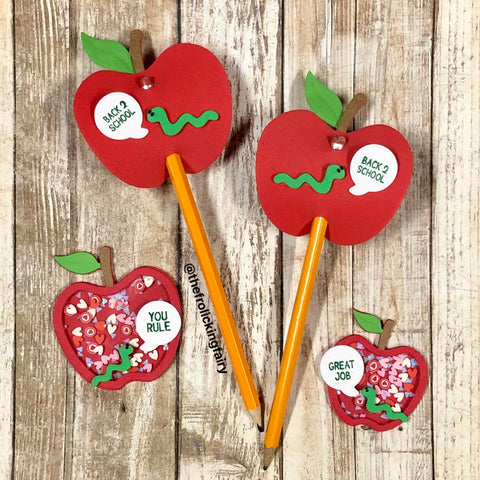
Pom-poms and pipe cleaners form toppers that slide over standard pencils. Kids wrap the cleaner around the eraser end, attach the pom-pom, and trim excess length. The toppers make pencils easier to find in a desk drawer.
A single pom-pom uses less than two inches of pipe cleaner, leaving plenty of material for a full set of twelve toppers from one package.
Multiple color combinations help children sort pencils by subject without extra writing on the wood.
Can these toppers fit on mechanical pencils?
Yes, when the cleaner wraps loosely around the thinner barrel instead of the eraser. Tighter wraps tend to slip off during writing sessions.
Lunch Bag Decorations
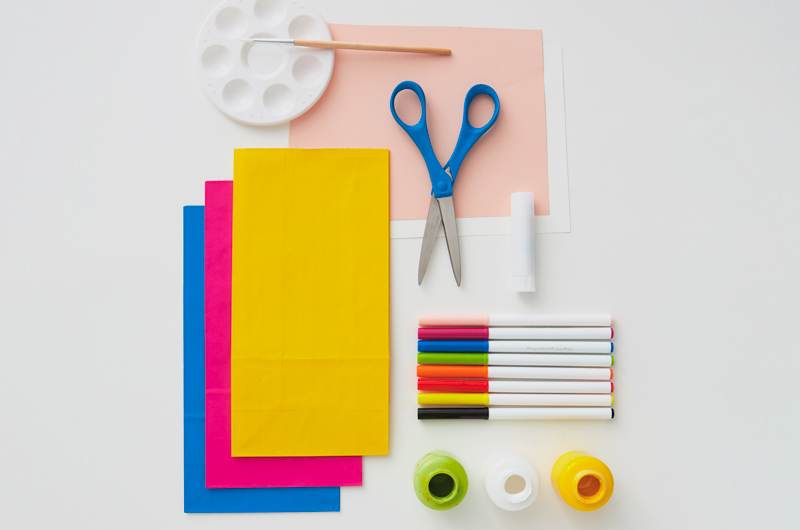
Fabric paint on reusable lunch bags creates designs that survive washing. Children stencil simple shapes or freehand their favorite characters across the front panel. Adding a name in large letters prevents mix-ups in the cafeteria.
Bags decorated this way hold up through daily use when the paint receives a heat-set treatment with an iron. Kids often add small pockets on the side for utensils using extra fabric scraps.
Homework Folders
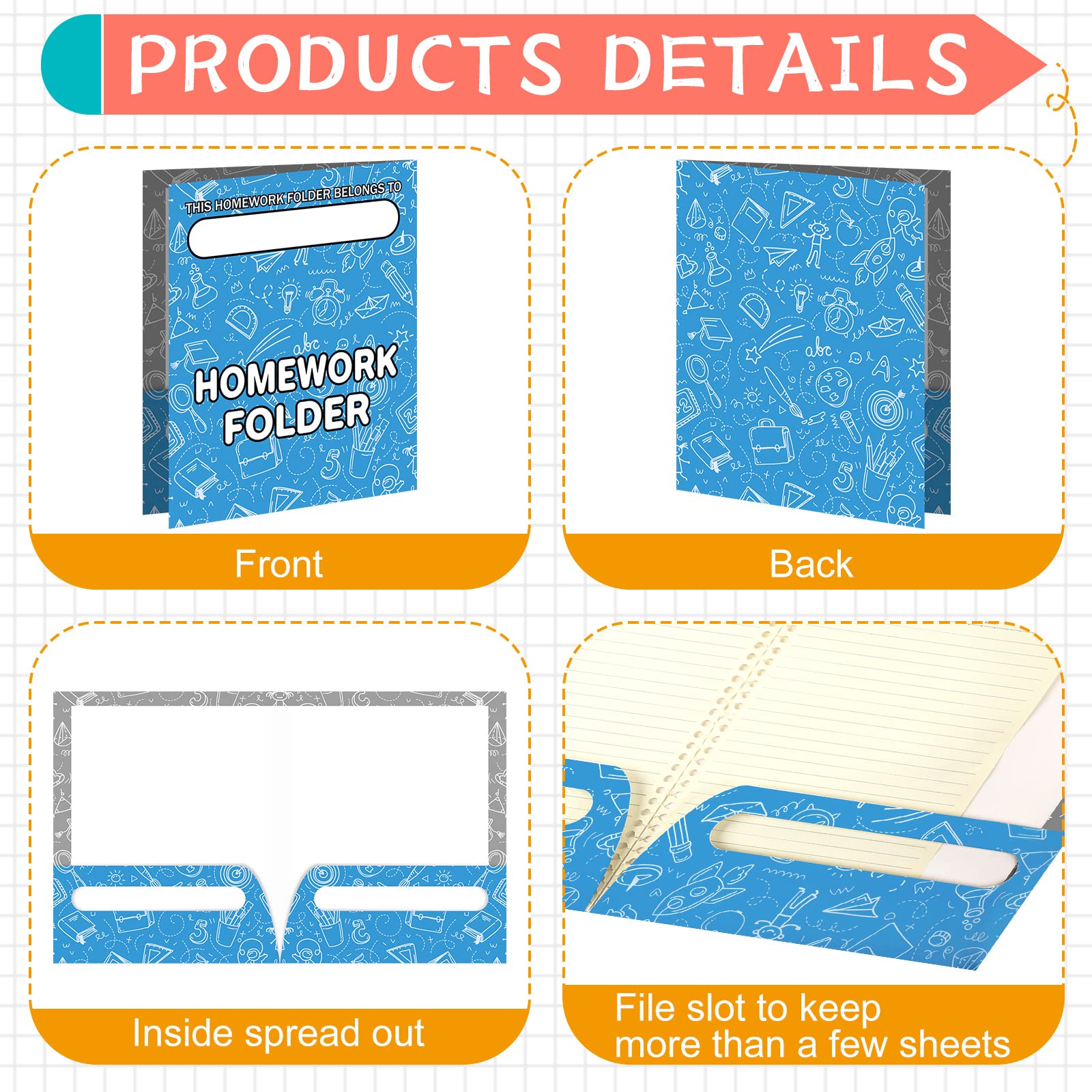
Two-pocket folders receive custom inserts made from colored paper and stickers. Kids cut the paper to fit the pockets and label one side Take Home and the other Return to School. The inserts slide out when the folder needs replacement mid-year.
Folders with these inserts keep papers sorted without extra dividers. The system works especially well for children who carry work between multiple classrooms.
Crayon Organizers
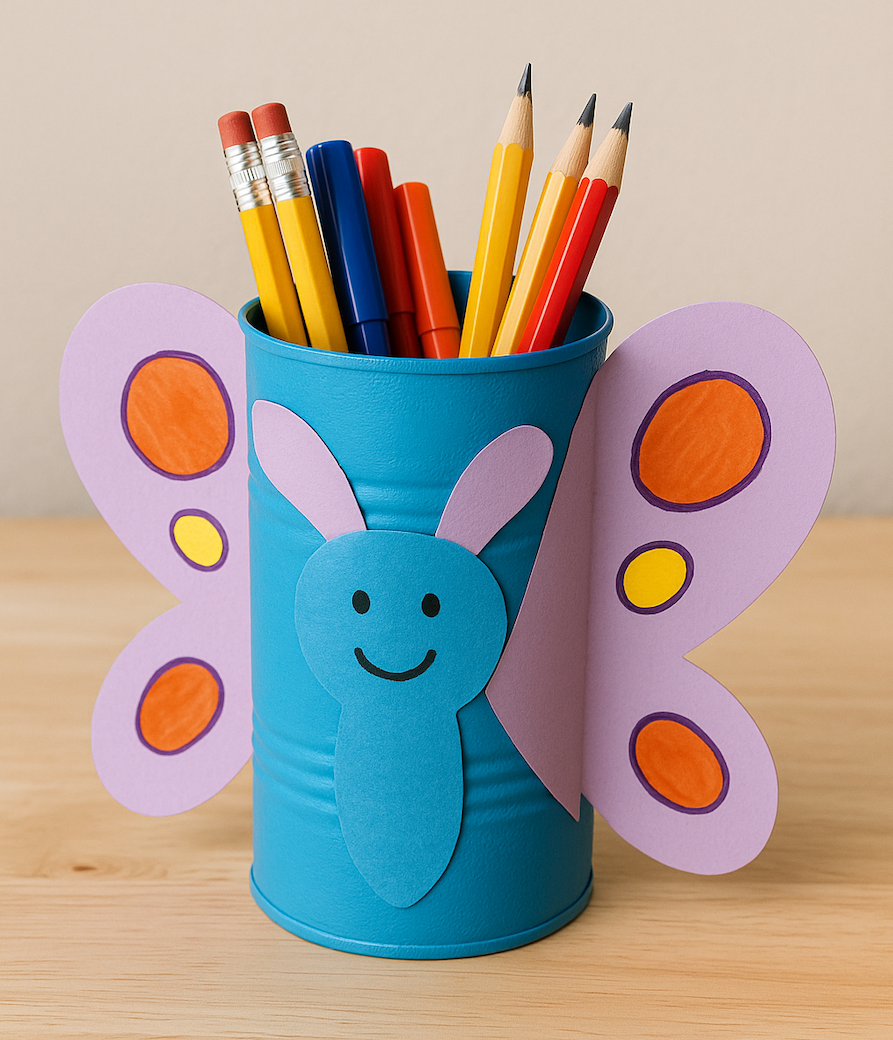
Empty mint tins hold a small set of crayons when lined with felt. Children glue the felt inside, then arrange crayons by color before snapping the lid shut. The compact size fits inside most pencil cases.
Tins decorated on the outside with washi tape stay organized longer because the pattern helps kids identify their own set quickly. This project uses materials already found in many homes.
Friendship Bracelets
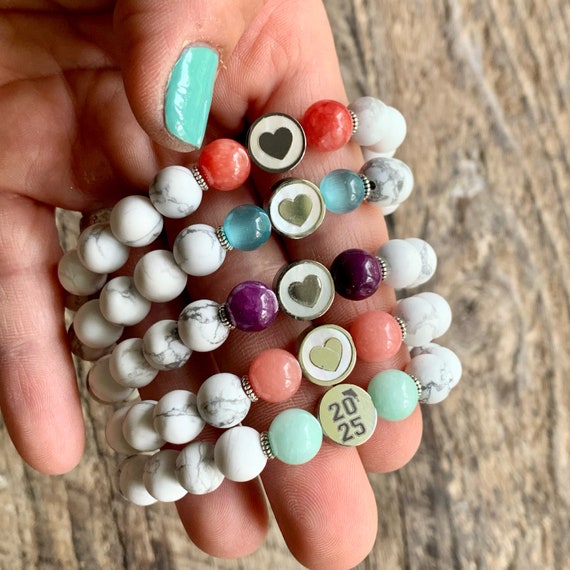
Embroidery floss in school colors creates bracelets that classmates can trade. Kids follow simple knot patterns to make adjustable bands that fit different wrist sizes. Adding a small charm personalizes each piece.
Bracelets made with four or more strands hold their shape better during active recess play. Children often make extras to give as welcome gifts on the first day.
Water Bottle Wraps
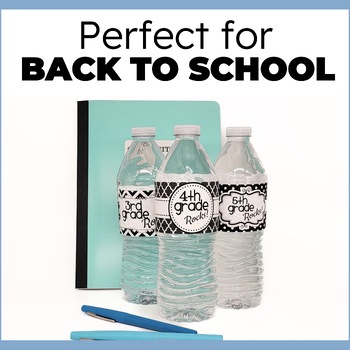
Narrow strips of fabric wrap around reusable bottles and secure with Velcro. Kids choose prints that match their backpack and add a name tag on the front. The wrap prevents condensation from making the bottle slippery.
Wraps stay in place when the fabric strip overlaps itself by at least one inch. This addition turns plain bottles into recognizable items on crowded lunch tables.
Desk Organizers from Recyclables
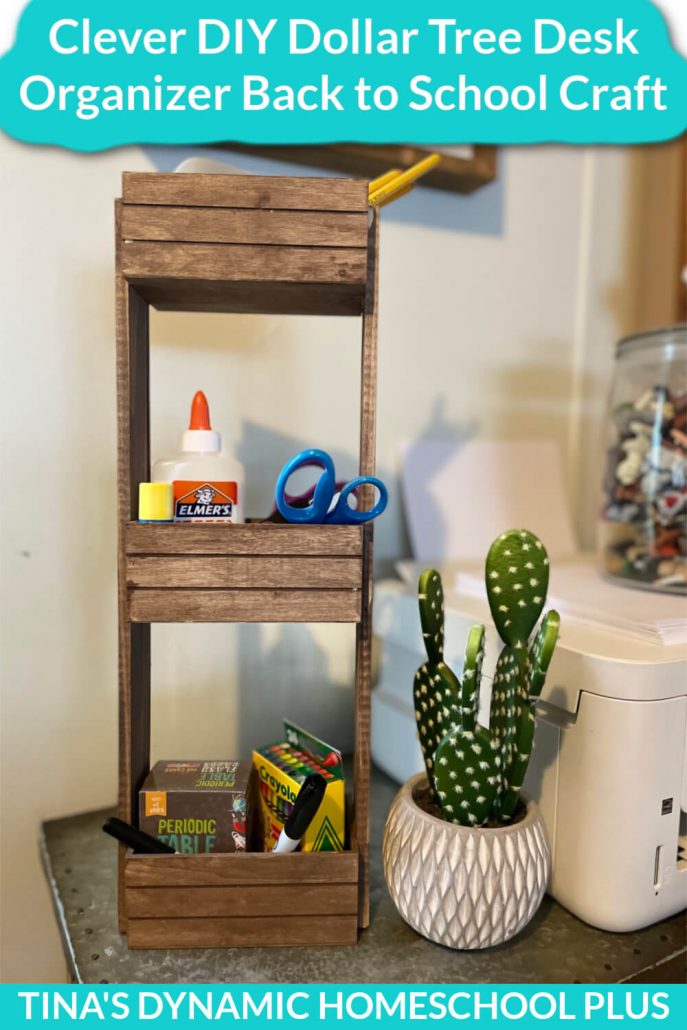
Cardboard tubes and cereal boxes stack into compartments for scissors and glue sticks. Children cover the pieces with decorative paper before gluing them together on a base. The finished organizer fits on a small desk corner without taking over the workspace.
Cardboard structures last longer when all seams receive an extra layer of white glue before covering.
Different height tubes create sections sized for markers versus shorter erasers.
Custom Erasers
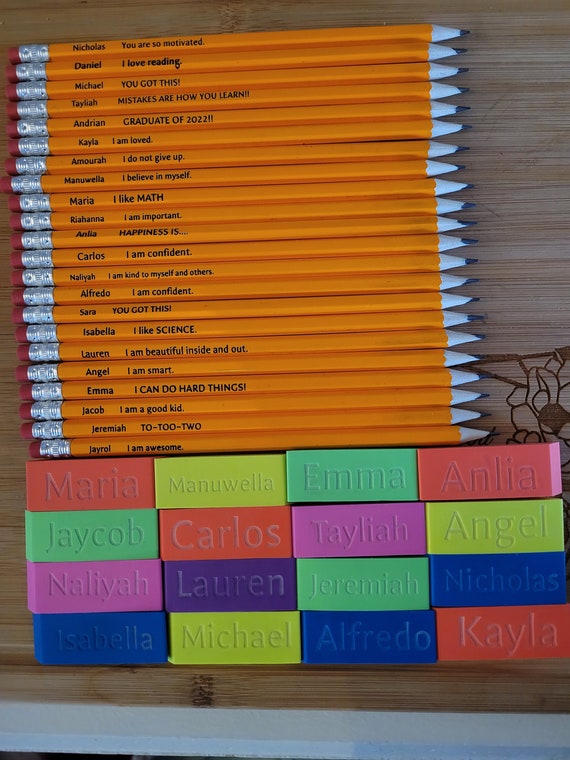
Air-dry clay shapes replace standard rectangular erasers with fun forms. Kids roll and cut the clay, let it dry, then decorate with markers. A small hole punched before drying allows a string to attach the eraser to a pencil.
Clay erasers remove pencil marks cleanly when the clay stays thin rather than thick. Children enjoy making sets that coordinate with their other supply decorations.
Back to School Banners
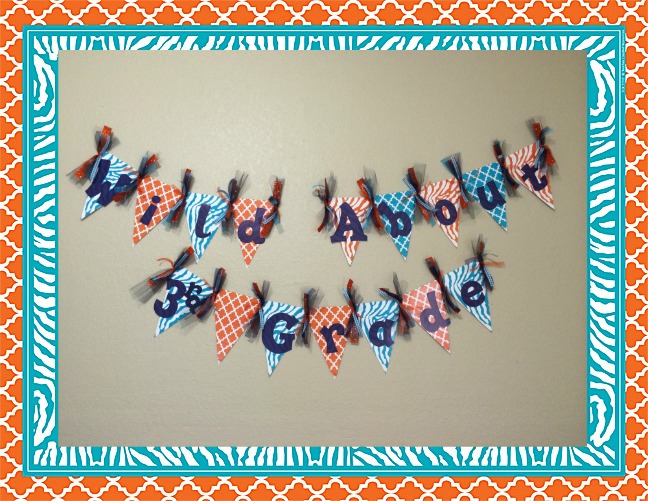
Felt letters spell out a welcome message across a fabric banner hung near the homework area. Children cut the letters, glue them in place, and add ribbon ties at each end. The banner stores flat between school years.
Banners with multiple colors help younger readers practice letter recognition while the item serves a practical purpose. Placement near the desk reminds kids of their organized space each afternoon.
FAQ
How do I store completed crafts so they last until school starts?
Keep items in a single plastic bin with a lid to protect them from dust and pets. Place heavier pieces at the bottom and lighter paper crafts on top so nothing bends or tears. Check the bin once a week to catch any pieces that come loose before the first day.
What age range works best for these projects?
Most of the crafts suit children ages six through twelve when an adult handles any cutting or baking steps. Younger kids enjoy the decorating portion while older ones handle more detailed assembly like knotting bracelets. Adjusting material choices, such as using thicker paper for smaller hands, keeps everyone successful.
Can these crafts use only items already in the house?
Many projects rely on recyclables like cardboard tubes, cereal boxes, and fabric scraps from old clothes. Adding one or two low-cost items like embroidery floss or air-dry clay expands options without requiring a full shopping trip. Families often complete five or six crafts before needing any new supplies.
Do the crafts need to match a specific color scheme?
No single scheme is required, but choosing two or three colors that repeat across projects creates a coordinated look on the first day. Children decide the palette based on their favorite backpack or lunch bag. This approach still allows plenty of creative freedom within the chosen colors.
These crafts turn ordinary supplies into personal items that make the transition back to school feel more exciting and organized.
Leave a Reply