Autumn table runners bring seasonal color and texture to dining tables without requiring a full overhaul of your existing setup. They layer easily over tablecloths or sit directly on wood and can shift from everyday meals to holiday gatherings with simple swaps of centerpieces and candles. The 14 ideas below focus on materials and finishes that photograph well and hold up through repeated use.
Burlap Leaf Embellished Runners
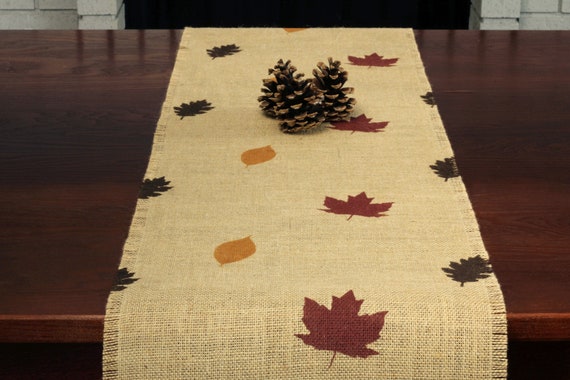
Burlap provides a coarse, natural base that pairs with pressed leaves or small fabric cutouts in shades of orange and burgundy. The open weave lets light pass through slightly, giving the runner a soft, rustic appearance that works on both farmhouse and modern tables. Secure leaves with fabric glue or loose stitching so they stay in place when the runner is moved or laundered.
Choose medium-weight burlap to avoid excessive fraying at the edges. A single layer works for casual dinners, while adding a second layer of thinner linen underneath creates more body for formal settings. Trim the ends with a straight cut or add a simple hem to keep the focus on the leaves rather than raw edges.
Plaid Fabric Table Runners
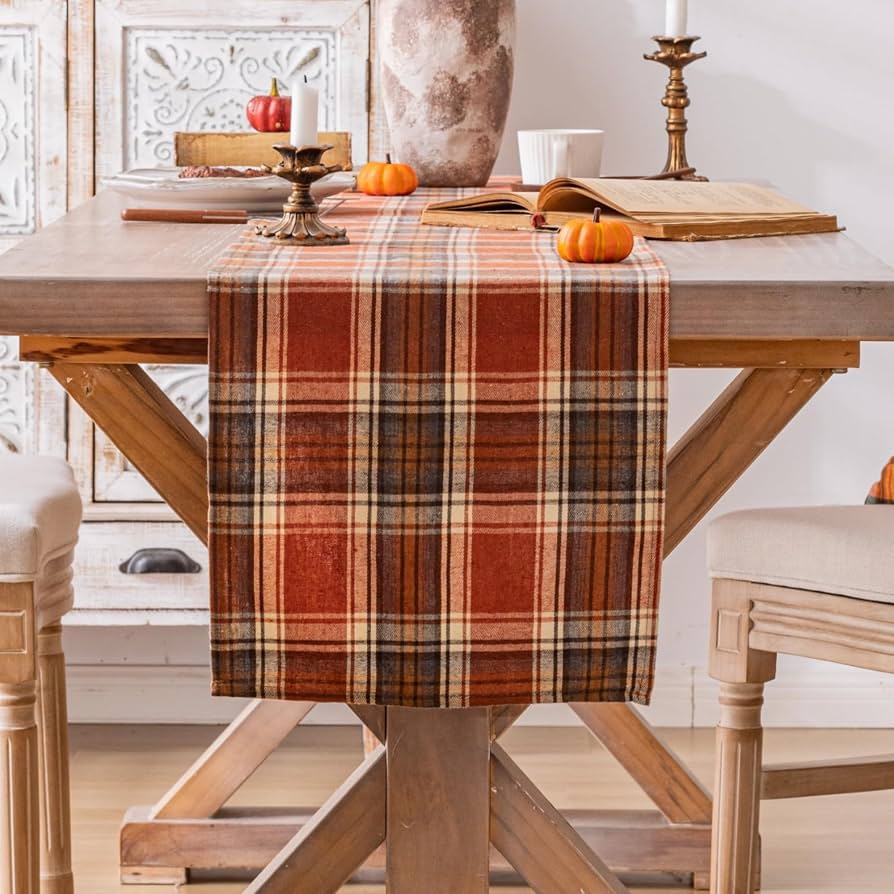
Plaid patterns in rust, forest green, and mustard create instant seasonal recognition while remaining versatile enough for daily use. The repeating lines add visual rhythm that guides the eye along the length of the table. Mix scales by pairing a large-check runner with smaller-check napkins for layered interest.
Select cotton or cotton-blend plaids that resist wrinkling after washing. Position the runner so the dominant stripe runs lengthwise to elongate the table visually. Avoid overly bright holiday plaids if you want the piece to transition into early winter meals without looking dated.
Knitted Autumn Table Runners
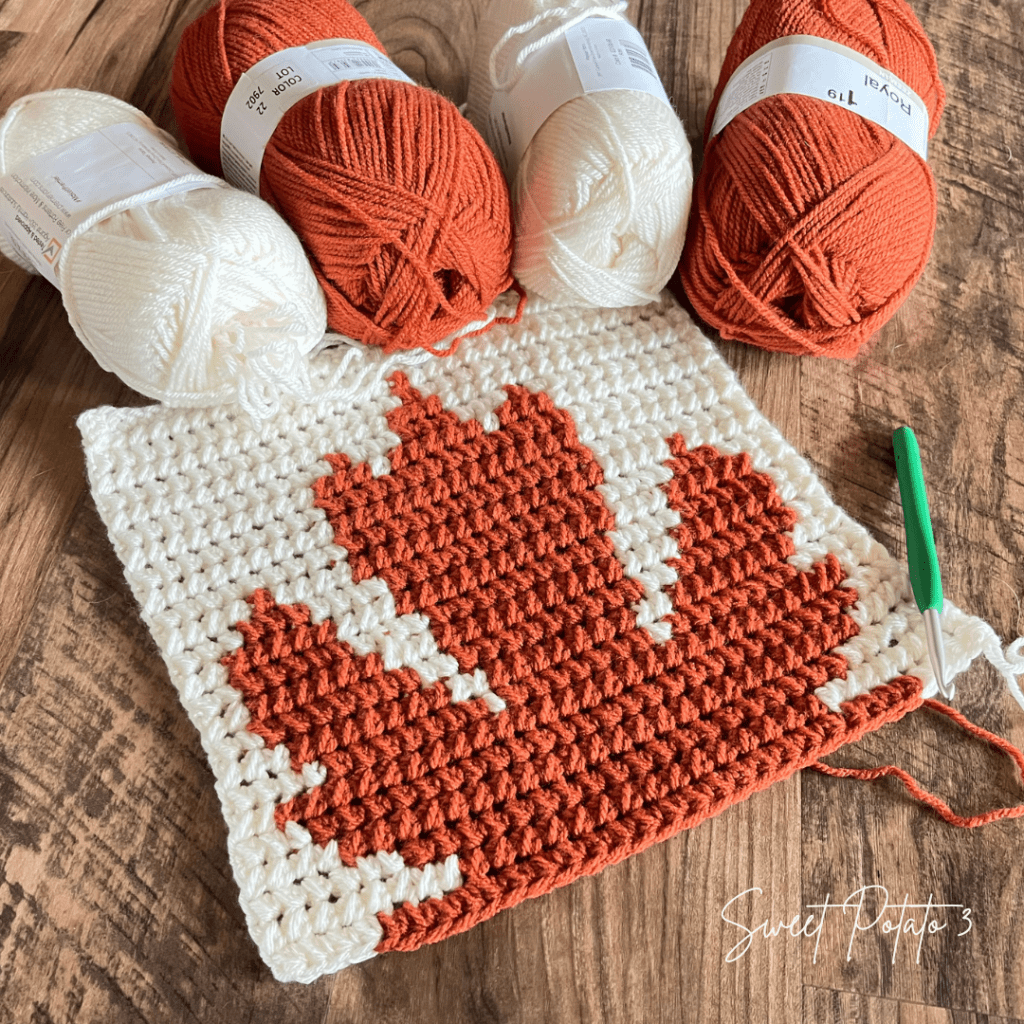
Knitted runners introduce soft texture and subtle movement through cable or seed stitches worked in warm neutral yarns. The handmade quality shows in slight irregularities that catch light differently than flat fabric. These pieces feel especially appropriate when paired with wooden serving boards and stoneware dishes.
Use a medium-weight wool or wool-blend yarn so the runner lies flat without curling at the edges. Block the finished piece gently to even out any tension differences before first use. Store folded rather than rolled to prevent permanent creases in the knit structure.
Wooden Bead Table Runners
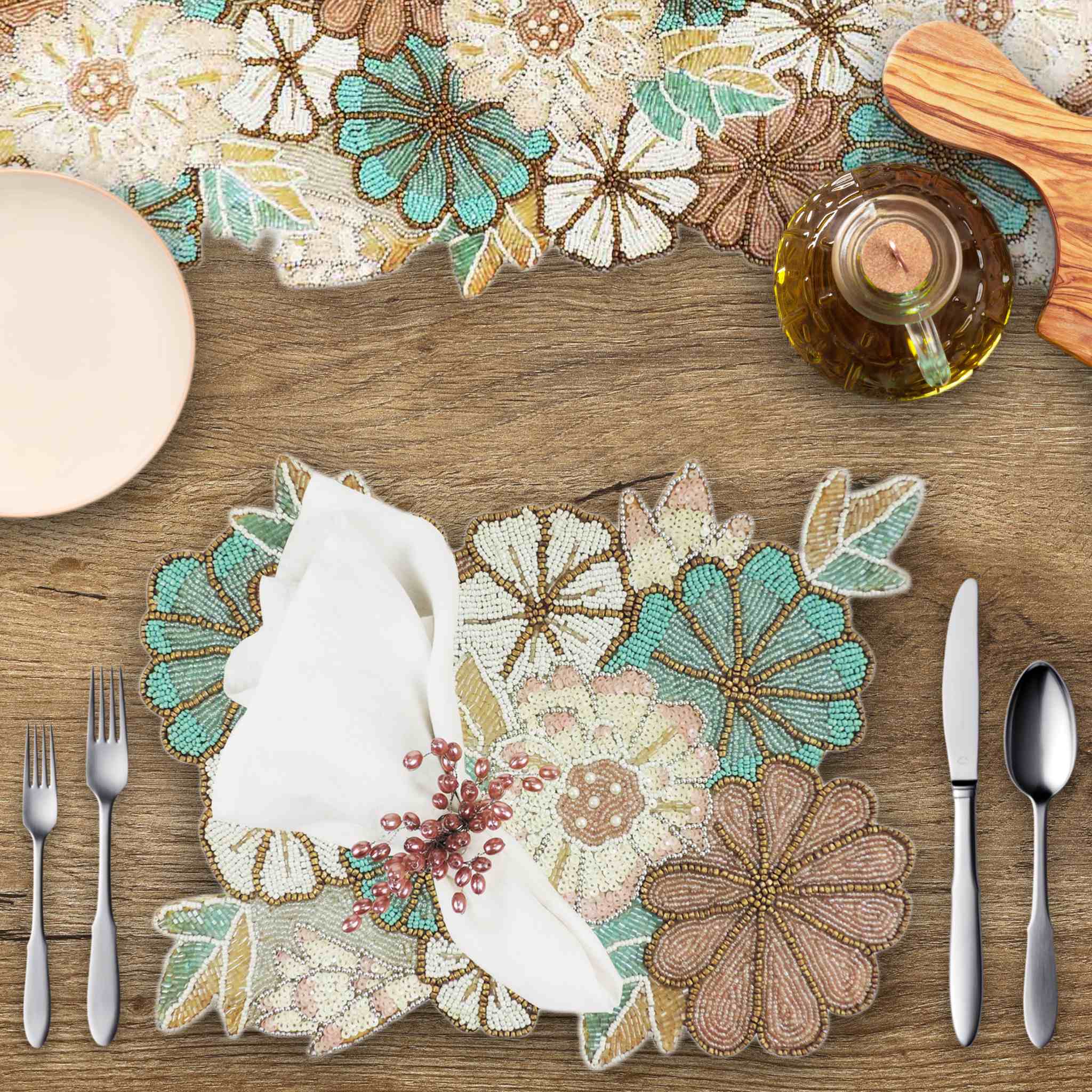
Wooden bead runners offer a sculptural alternative to fabric while still protecting the table surface. Strung on sturdy cord or thin leather, the beads create a rhythmic pattern that contrasts nicely with smooth ceramic or glass centerpieces. Natural wood tones blend with both light oak and dark walnut tables.
Select beads with consistent hole sizes so the cord threads evenly. Space larger accent beads at regular intervals to break up the line and prevent the runner from looking too uniform. Wipe beads with a damp cloth after meals rather than submerging the entire piece.
Printed Pumpkin Table Runners
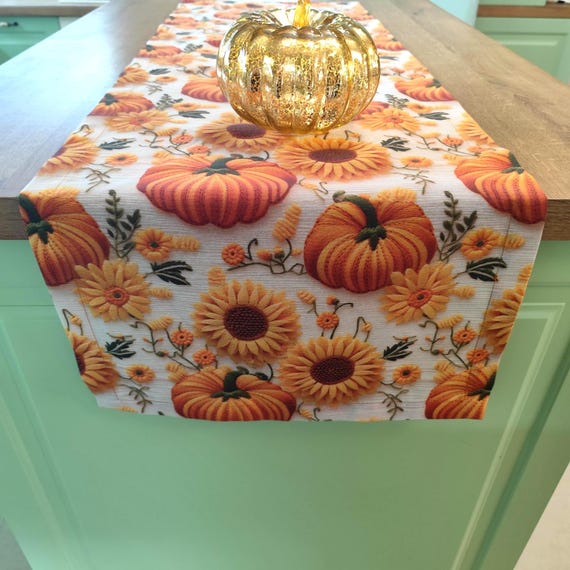
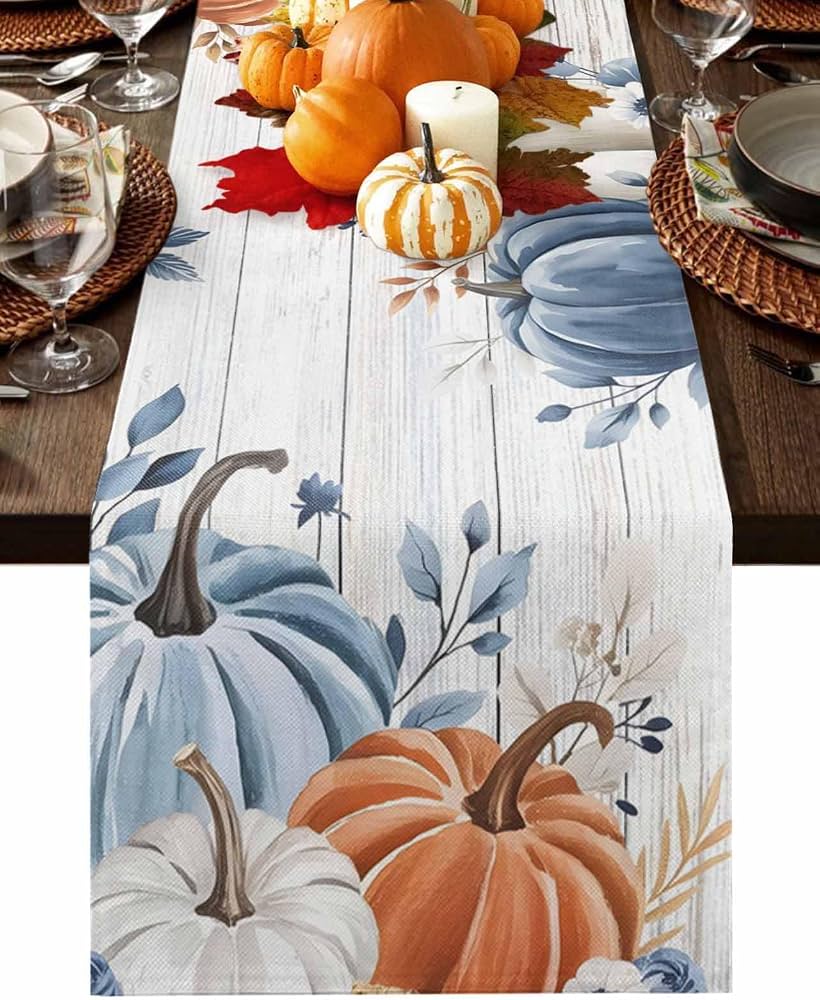
Pumpkin motifs printed on cotton or linen give clear seasonal signals without overwhelming the rest of the table setting. Smaller, scattered pumpkins read more sophisticated than large single motifs. The print can coordinate with actual mini pumpkins used as place cards or candle holders.
Look for reactive or pigment prints that hold color after multiple washes. Center the design so the largest pumpkins fall near the middle of the table rather than at the ends where they may be covered by dishes. Pair with solid napkins to keep the pattern from competing.
Linen with Dried Botanicals
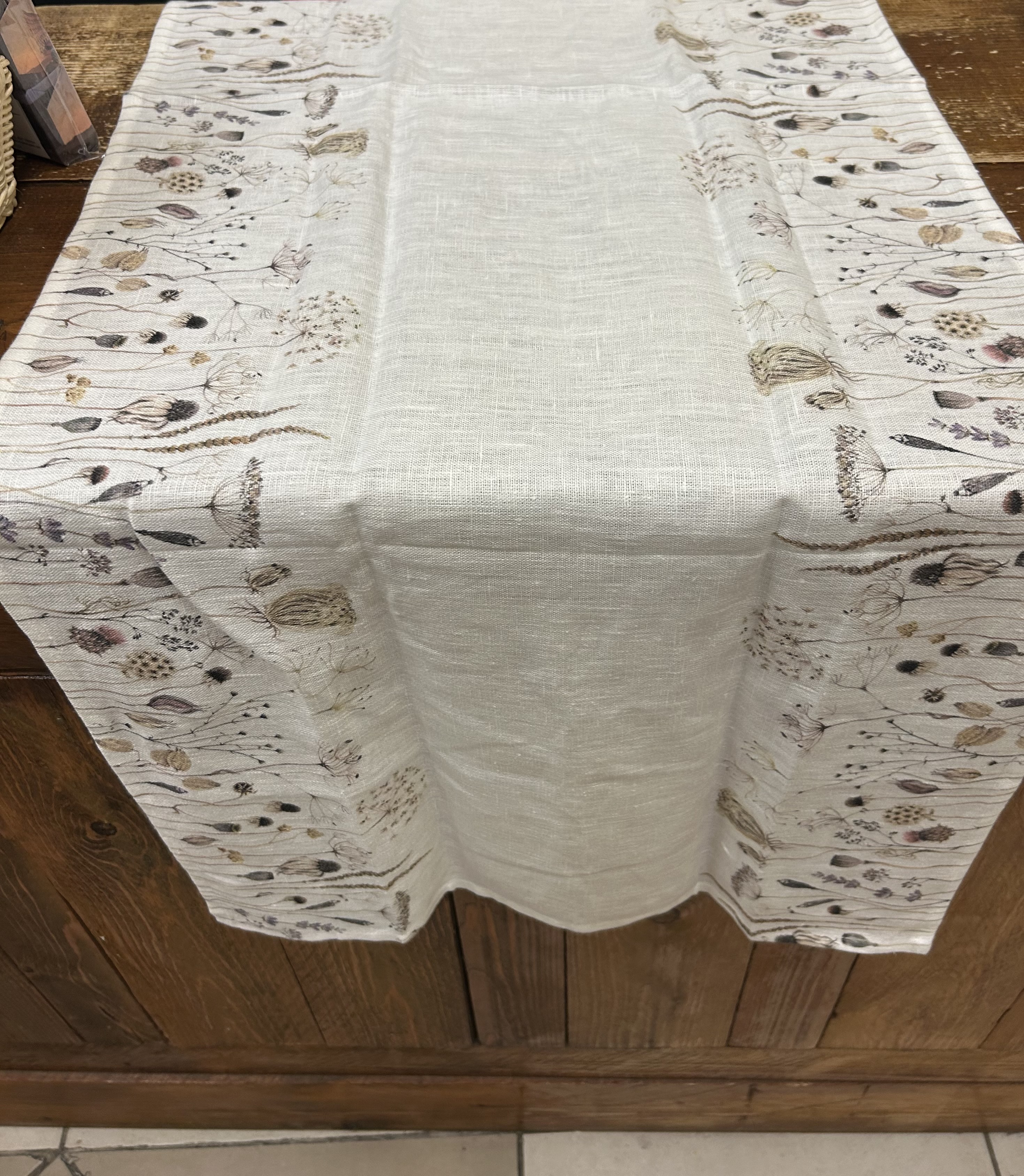
A neutral linen runner serves as a calm backdrop for scattered dried grasses, seed pods, and preserved leaves. The natural slubs in the linen add subtle texture that echoes the organic shapes of the botanicals. This combination works especially well when the table itself has visible grain or distressing.
Press botanicals between heavy books for several days before arranging so they lie flatter against the fabric. Secure with small dots of clear-drying glue at the stems only. Replace the botanicals seasonally rather than attempting to wash the runner with them attached.
Macrame Fall Table Runners
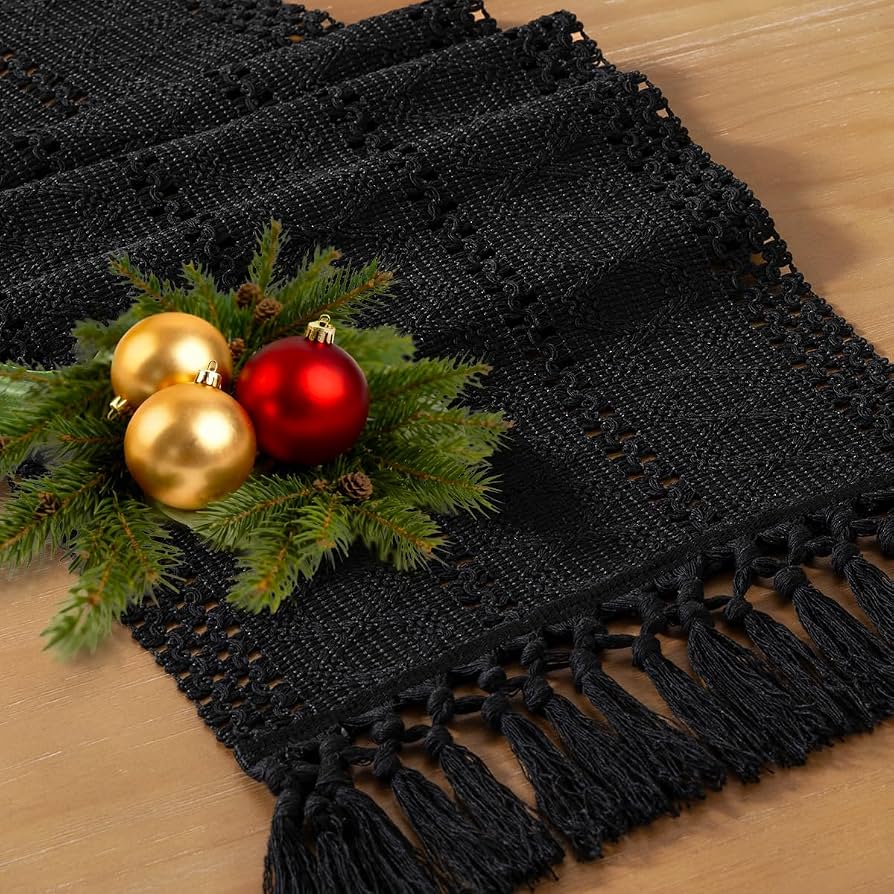
Macrame runners bring dimension through knots and fringe worked in cotton rope dyed in muted ochre or terracotta. The openwork pattern allows table linens or wood to show through underneath. Fringe ends add movement that softens the hard lines of a rectangular table.
Choose rope with a tight twist so the knots hold their shape over time. Hang the finished runner over a chair back for a day to let the fringe relax before first use. Spot clean rather than machine washing to preserve the knot tension.
Velvet Table Runners in Earth Tones
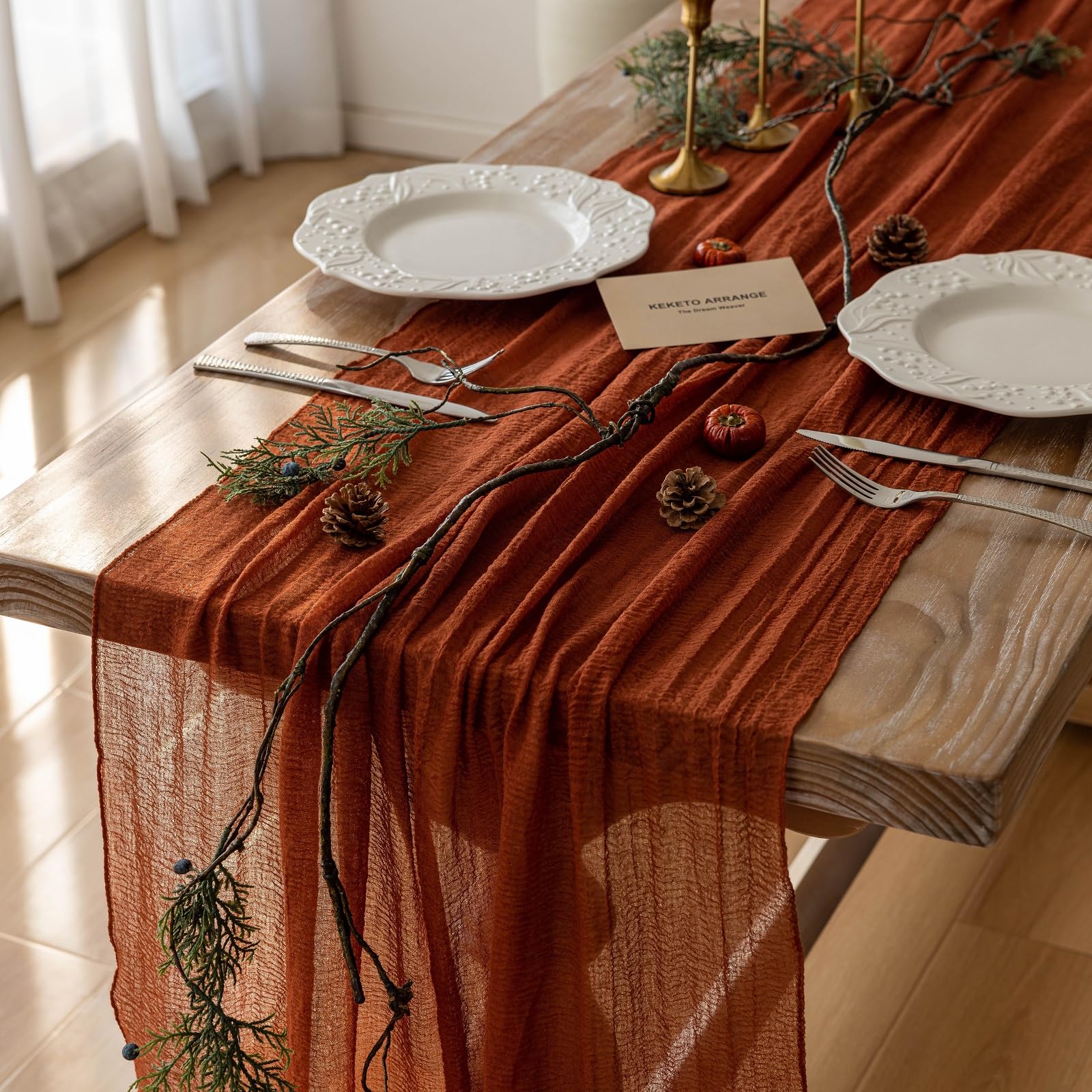
Velvet catches light in a way that makes deeper autumn colors appear richer and more dimensional. A narrow velvet runner in rust or olive adds quiet luxury without requiring matching upholstery. The soft pile also dampens sound slightly during meals.
Select upholstery-weight velvet with a short pile that resists crushing from plates and elbows. Cut edges with pinking shears or finish with a narrow hem to control shedding. Store rolled on a tube rather than folded to avoid permanent creases in the pile.
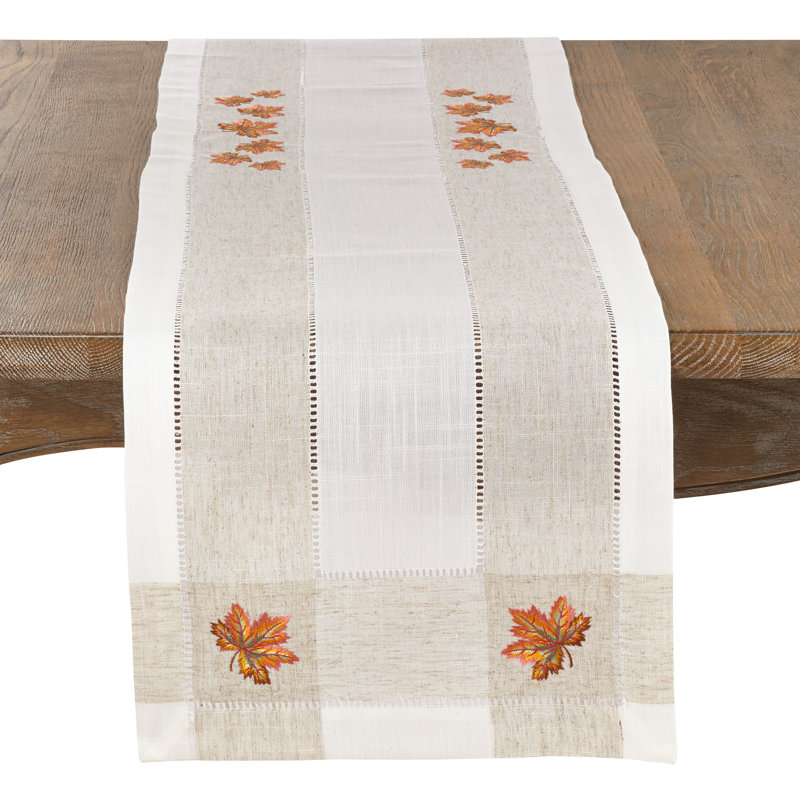
Embroidered Maple Leaf Runners
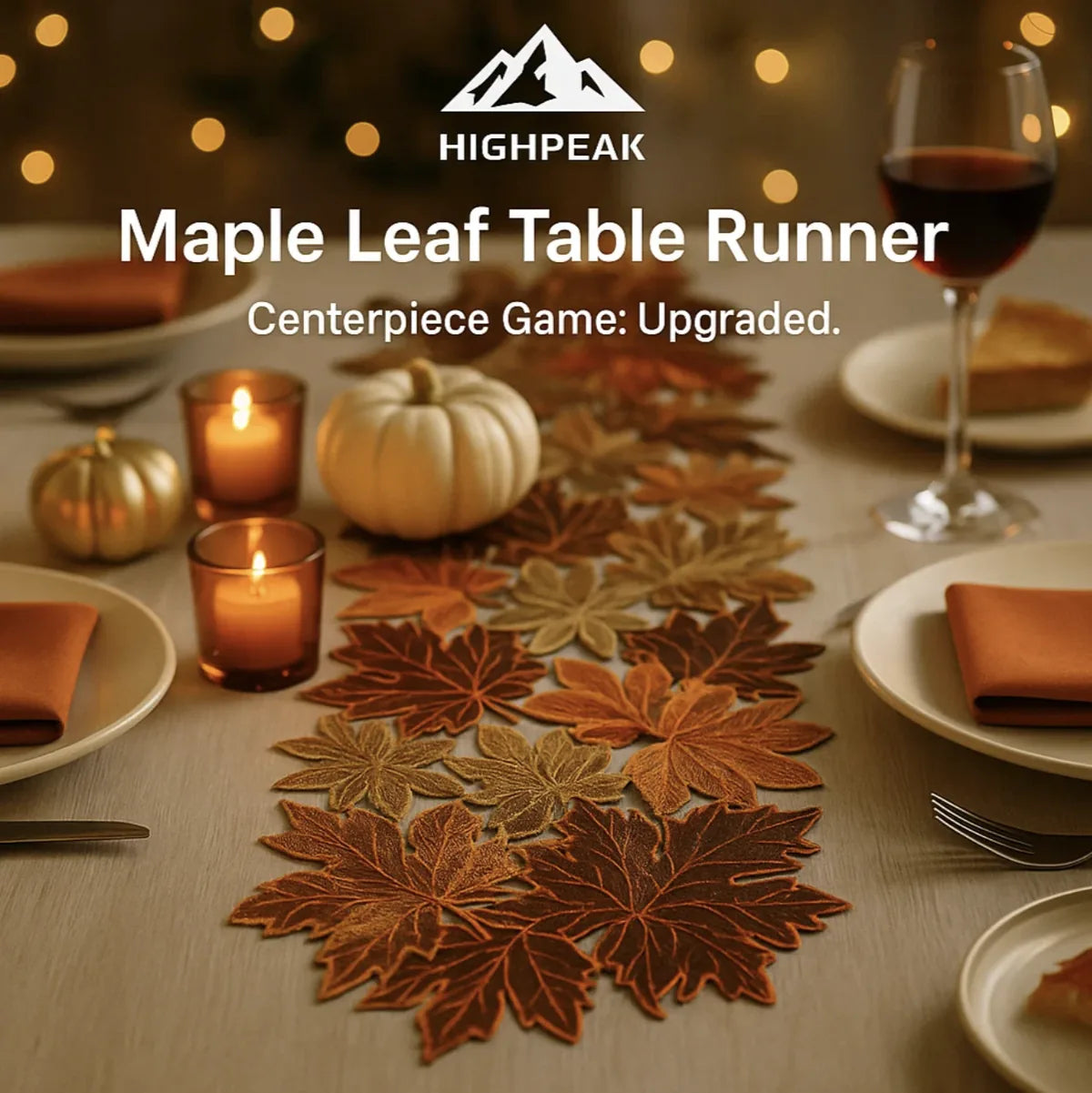
Simple embroidered maple leaves in two or three thread colors add handcrafted detail that reads as personal rather than mass-produced. The stitching can follow the length of the runner or cluster toward the center. This approach works on both solid and lightly textured base fabrics.
Use embroidery floss in colors slightly darker than the base fabric so the leaves read clearly from a short distance. Keep stitches small and even to prevent snagging on serving dishes. Iron from the reverse side with a pressing cloth to protect the embroidery.
Patchwork Quilt Table Runners
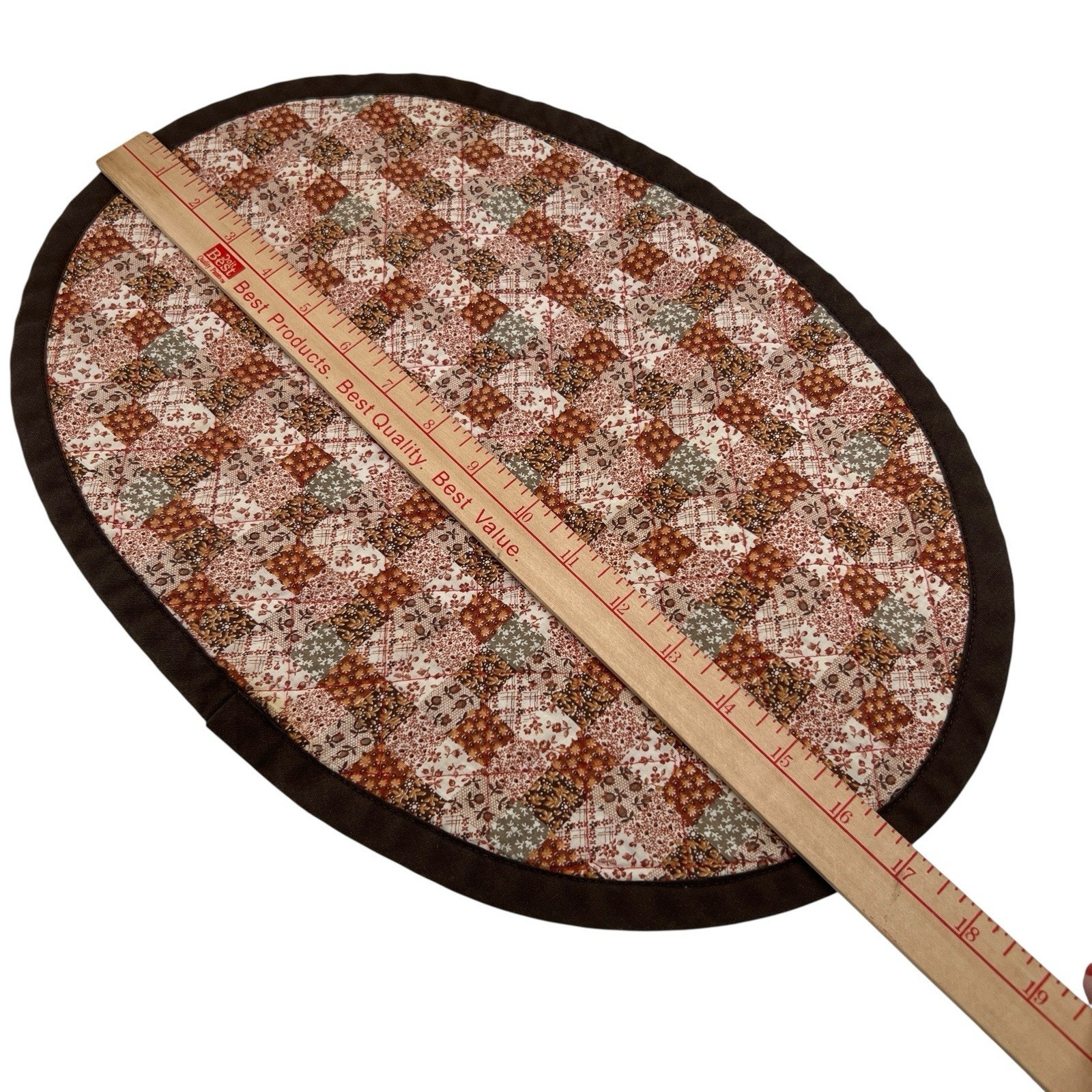
Patchwork runners assemble leftover fabric squares in autumn palettes into a longer strip that feels both practical and nostalgic. The seams create a grid that organizes the eye and can echo window panes or floor patterns in the room. Mix prints and solids within the same color family for cohesion.
Press seams open rather than to one side so the runner lies flatter on the table. Quilt through the layers with simple straight lines to keep the focus on the fabric arrangement. Bind the outer edges with a solid strip that picks up one of the dominant colors in the patchwork.
Neutral Runners with Gold Detailing
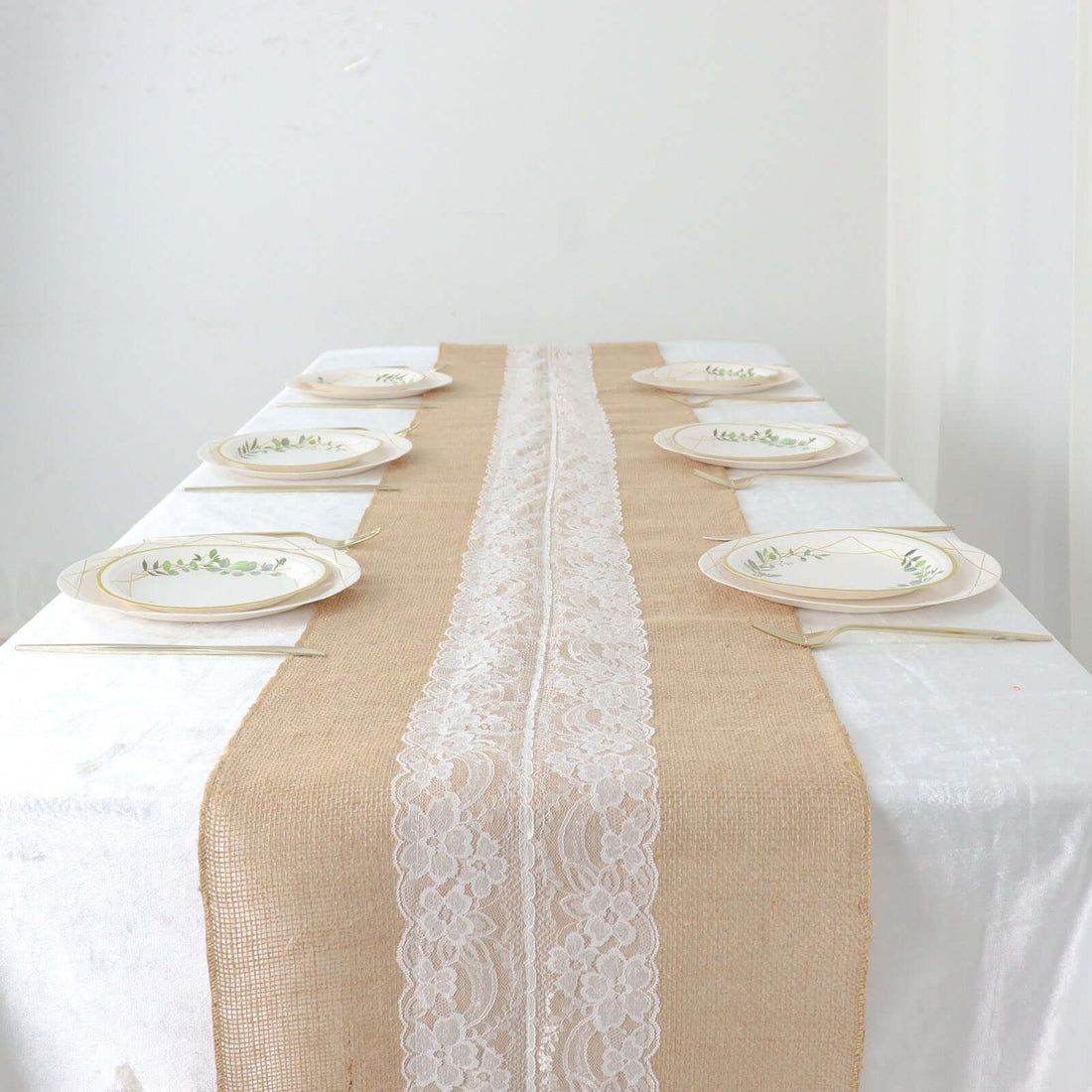
A neutral base runner accented with narrow gold braid or metallic thread adds subtle shine that catches candlelight during evening meals. The metallic element elevates the runner for gatherings while still reading as everyday when used alone. Keep the gold narrow so it does not compete with other metallic tableware.
Choose trim that is machine-washable or removable before laundering. Position the gold along the long edges rather than the center to frame the runner without interfering with place settings. Test the metallic thread or trim against your dishes to ensure the tones complement rather than clash.
Striped Linen Table Runners
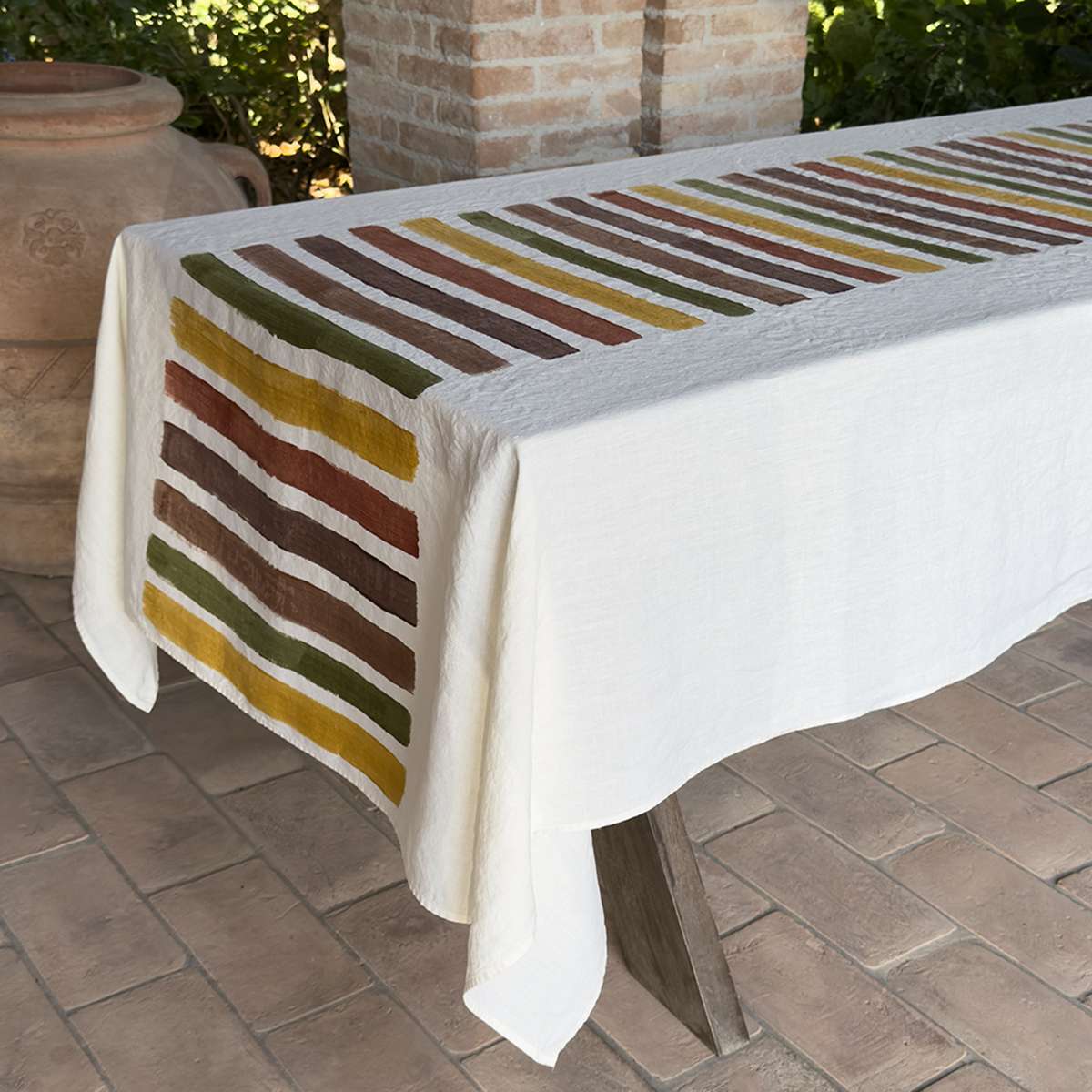
Wide stripes in flax, taupe, and warm gray create a tailored look that works across multiple seasons with simple color swaps in the surrounding decor. The linear pattern guides the eye toward the center of the table and can make a long table feel more balanced. Linen stripes also hide minor spills better than solid fabrics.
Align the stripes parallel to the table length for elongation or run them widthwise for a more modern, segmented appearance. Hem both ends with a simple double fold to maintain clean lines. Mix stripe widths within the same runner for added visual interest without introducing new colors.
Lace Overlay Table Runners
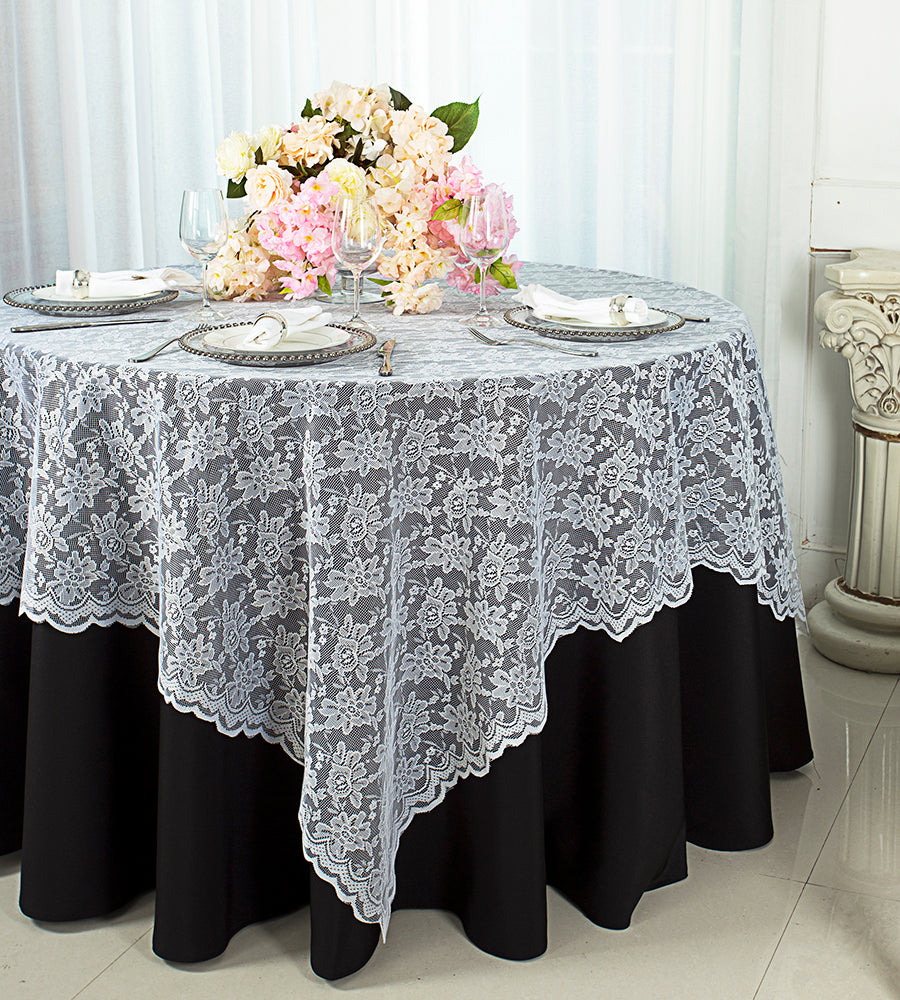
A lace overlay placed over a solid autumn-colored base fabric creates depth through the contrast of openwork and solid color. The lace softens the edges of the runner and allows the base color to show through in a dappled pattern. This layered approach works on both rectangular and oval tables.
Select lace with a stable edge so it does not stretch or distort when laid flat. Cut the base fabric slightly wider than the lace so a narrow border of color remains visible. Remove the lace before washing the base to prevent snagging or tearing delicate threads.
Hand Painted Canvas Runners
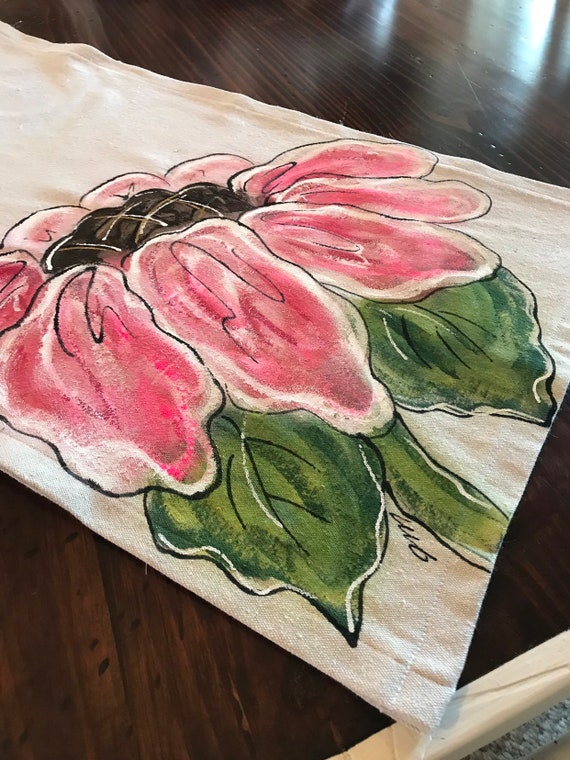
Canvas runners painted with simple leaf outlines or abstract color blocks offer a durable, wipeable surface that withstands frequent use. The paint can be limited to the ends or scattered along the full length depending on the desired formality. Canvas also accepts multiple layers of paint for richer color without bleeding.
Use fabric paint formulated for canvas so the design remains flexible after drying. Apply a light coat of fabric medium first if the canvas feels stiff. Allow full curing time before first use to prevent color transfer onto dishes or linens.
A narrow runner placed directly on wood shows grain and texture better than one layered over a tablecloth. Test placement with your usual centerpiece before committing to a final length.
Material and Style Comparison
Different runner constructions suit different table types and maintenance preferences. The table below highlights key trade-offs among popular options.
| Runner Type | Best Table Surface | Maintenance Level | Visual Weight |
|---|---|---|---|
| Burlap with leaves | Wood or stone | Low | Light |
| Velvet | Wood or dark finishes | Medium | Medium-heavy |
| Macrame | Any | Low-medium | Light |
| Patchwork | Wood or neutral linens | Medium | Medium |
| Lace overlay | Solid fabric base | Medium-high | Light |
Choose based on how often you move the runner and whether you prefer to machine wash or spot clean.
- Burlap accepts dye unevenly, creating natural variation that enhances its rustic look.
- Velvet shows water rings if spills are not blotted immediately.
- Canvas can be rolled for storage without creasing painted areas.
Wider runners (14–16 inches) balance better on tables wider than 42 inches, while narrower options suit standard 36-inch widths without crowding place settings.
FAQ
How wide should an autumn table runner be for a standard dining table?
A runner that leaves 6–8 inches of table surface visible on each side keeps place settings comfortable while still showing enough wood or tablecloth. Measure your table width first and subtract 12–16 inches total to determine the ideal runner width before purchasing or cutting fabric.
What fabric holds up best when used under hot serving dishes?
Tightly woven cotton, linen, and canvas resist heat marks better than open knits or loosely woven burlap. Always place trivets or hot pads under dishes regardless of runner material, because even the sturdiest fabric can scorch under prolonged contact with hot cookware.
Can I use the same runner for both everyday meals and Thanksgiving dinner?
Yes, if the design stays within neutral autumn tones rather than holiday-specific prints. Swap centerpieces and candles to shift the mood while keeping the runner as the consistent base layer.
How do I prevent a runner from sliding on a polished wood table?
Add a narrow strip of non-slip rug tape or silicone dots to the underside at each end. These additions remain invisible yet keep the runner in place during normal meal service.
A well-chosen autumn table runner can carry your dining space through the entire season with only minor accessory changes.
Leave a Reply