
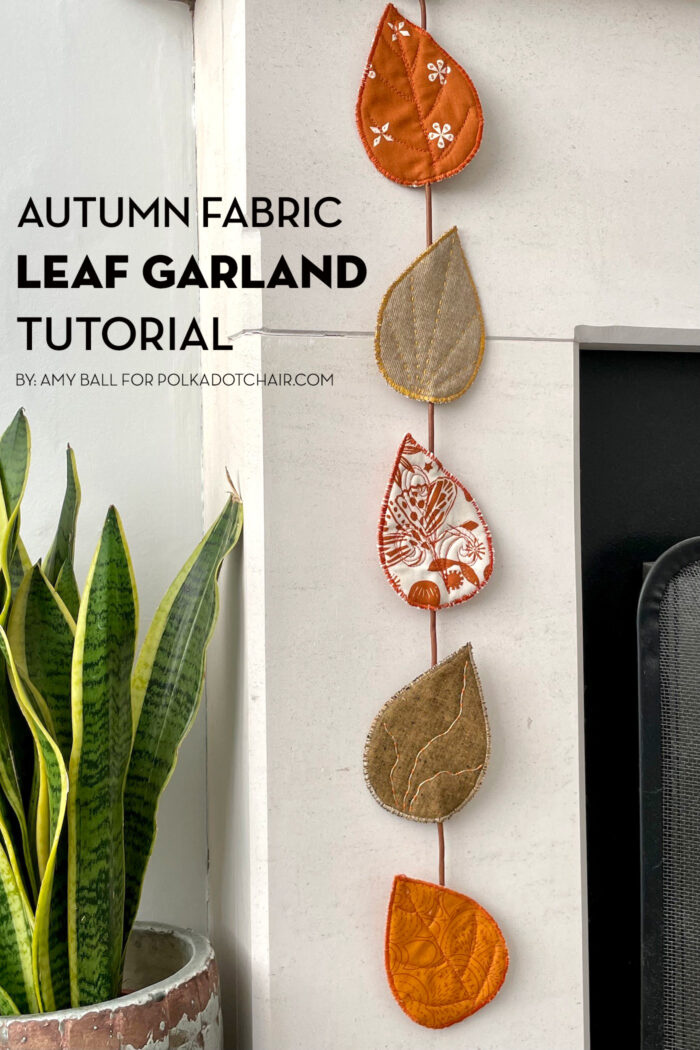
Autumn leaf garlands bring seasonal color and texture into any space with minimal effort. These projects use real or preserved leaves arranged along string, wire, or ribbon to create flexible decorations that suit mantels, doorways, and tabletops. Each variation below focuses on a distinct leaf type, accent, or placement to match different room styles and effort levels.
Dried Maple Leaf String Garland
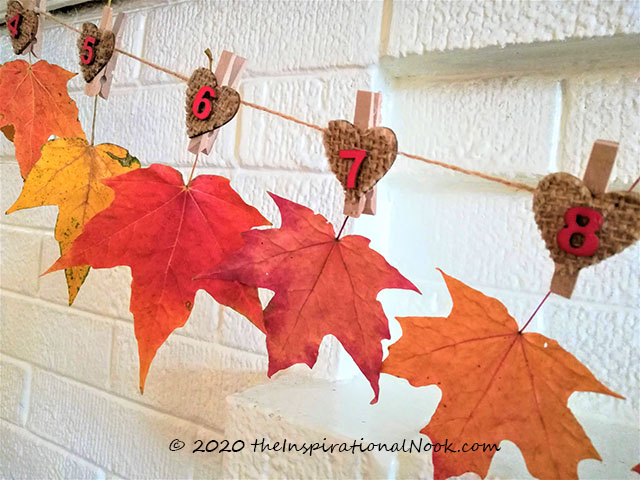
Dried maple leaves retain their rich reds and oranges when pressed between books for several days before stringing. The flat shape allows them to lie neatly against a surface without curling during the first week indoors. Space the leaves six inches apart on natural twine for even coverage that still lets the string show through.
This garland works well across a wide mantel because the leaves stay lightweight and do not sag. Rotate the leaves so some face forward and others angle slightly to catch light from different directions. Avoid direct sunlight on south-facing windows to keep the colors from bleaching within two weeks.
Mixed Oak and Birch Leaf Garland
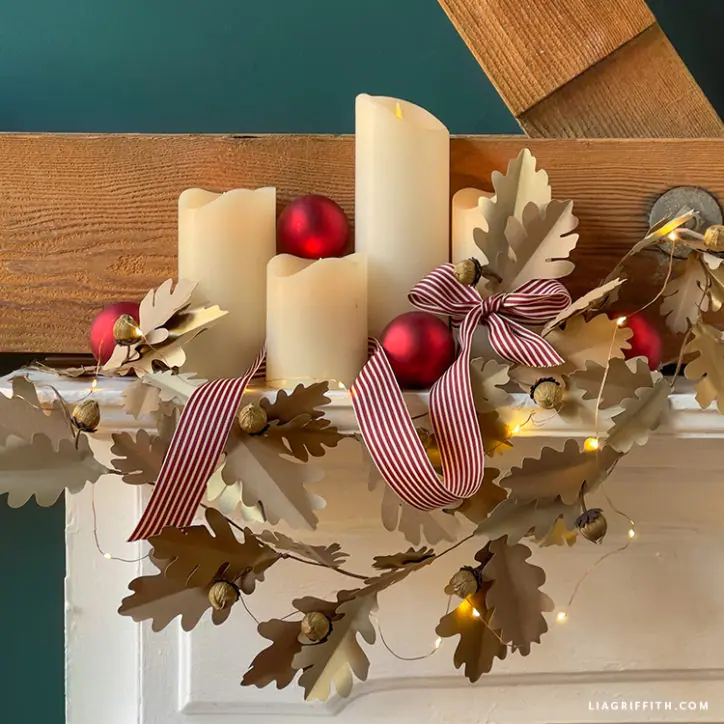
Oak leaves provide sturdy structure while birch leaves add lighter, more delicate edges in the same strand. Combine both types on a single length of jute rope to create contrast in both color and leaf shape. The oak leaves hold up better in humid rooms where birch alone might soften.
Alternate the two leaf types in groups of three for visual rhythm without a rigid pattern. This mix suits longer stair railings where the garland will be viewed from multiple angles throughout the day. Store the finished piece flat in a large box between seasons to prevent creasing.
Pinecone Accented Leaf Garland
Small pinecones wired between clusters of leaves add weight and texture that prevent the garland from twisting on vertical surfaces. Choose cones under two inches so they do not overpower the foliage. The combination feels balanced on both narrow shelves and wider console tables.
Attach each cone with floral wire rather than glue to allow seasonal adjustments later. This version pairs especially well with neutral wall colors where the brown cones provide grounding contrast. Check the wire ends monthly and tuck any sharp points back into the leaves.
Twine Wrapped Leaf Garland
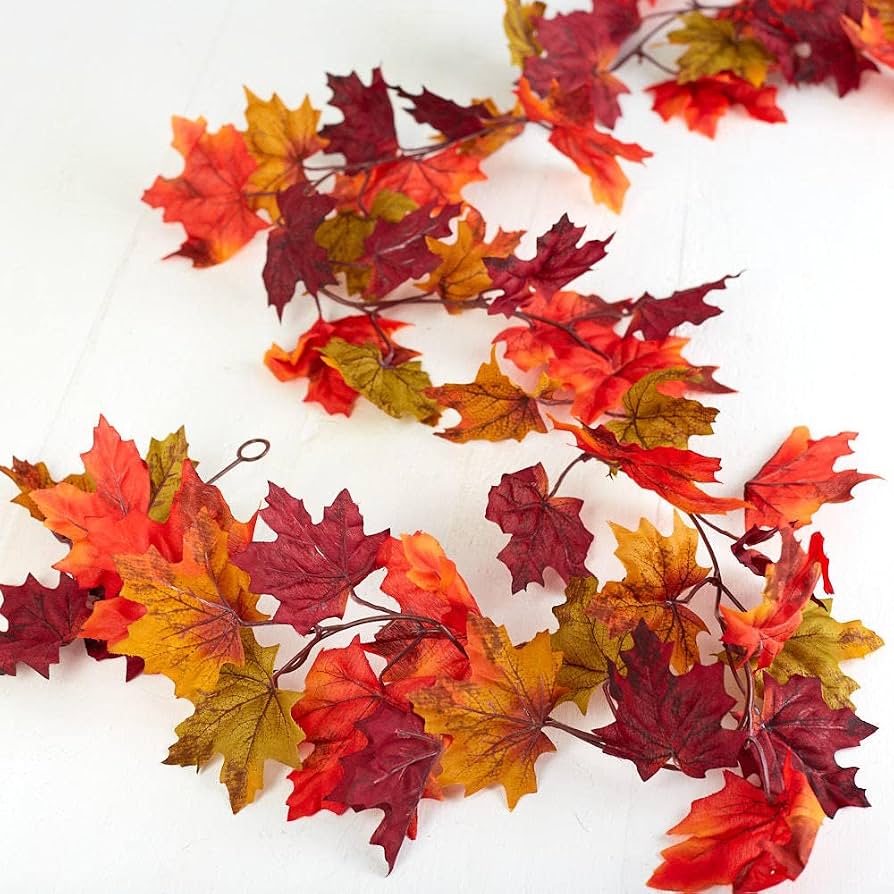
Thick twine wrapped around leaf stems creates a rustic, knotted look that works on both indoor beams and outdoor porch railings. The wrapping technique also secures leaves that have shorter stems and would otherwise slip off thinner string. Use undyed twine so the natural fiber color blends with the dried foliage.
Wrap sections of twine tightly between every fourth leaf to form small bundles. This garland tolerates gentle outdoor breezes better than smooth ribbon versions. Bring it inside during heavy rain to avoid water damage to the leaves.
Beaded Autumn Leaf Garland
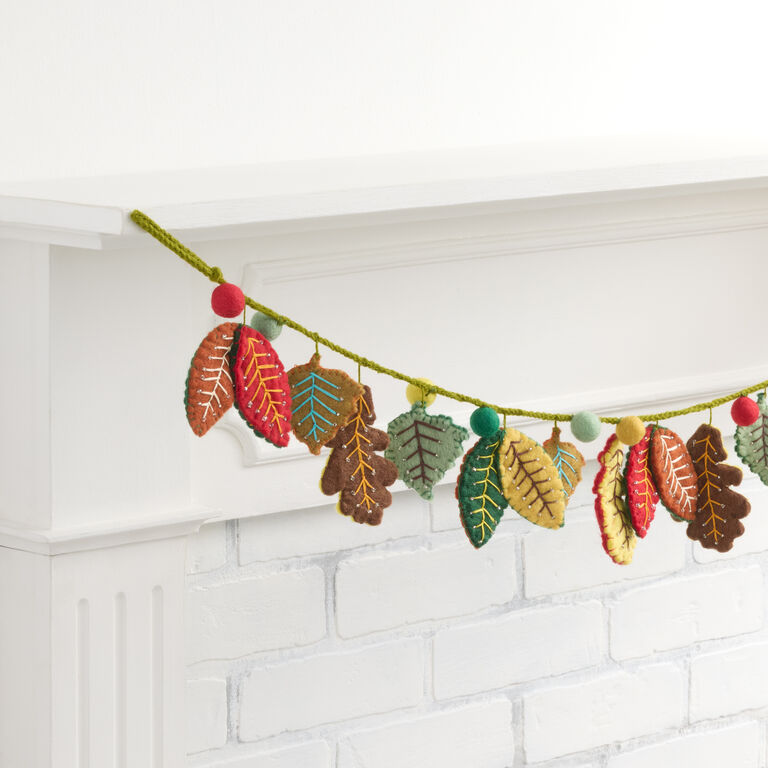
Wooden beads threaded between leaves introduce a polished element that elevates the garland for formal dining rooms. Choose beads in warm browns or muted golds that echo the leaf tones rather than compete with them. The added weight from the beads helps the strand hang straight on curtain rods.
String the beads first, then slide leaves onto the same cord in the spaces between them. This arrangement allows easy removal of individual beads if the overall length needs shortening. The beads also protect leaf edges from rubbing against hard surfaces during storage.
Lantern Style Leaf Garland
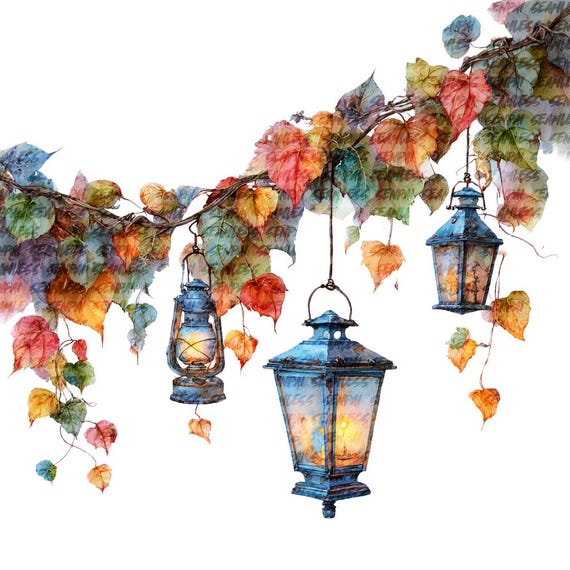
Small battery lanterns spaced along a leaf-covered cord create soft points of light within the foliage. The lanterns sit inside loose leaf clusters so the glow filters through the edges rather than sitting on top. This style suits covered patios where evening use is common.
Select waterproof lanterns if the garland will hang near exterior doors. Replace the batteries before each season rather than mid-use to avoid uneven lighting. The combination works on both horizontal mantels and vertical posts without looking cluttered.
Doorway Hanging Leaf Garland
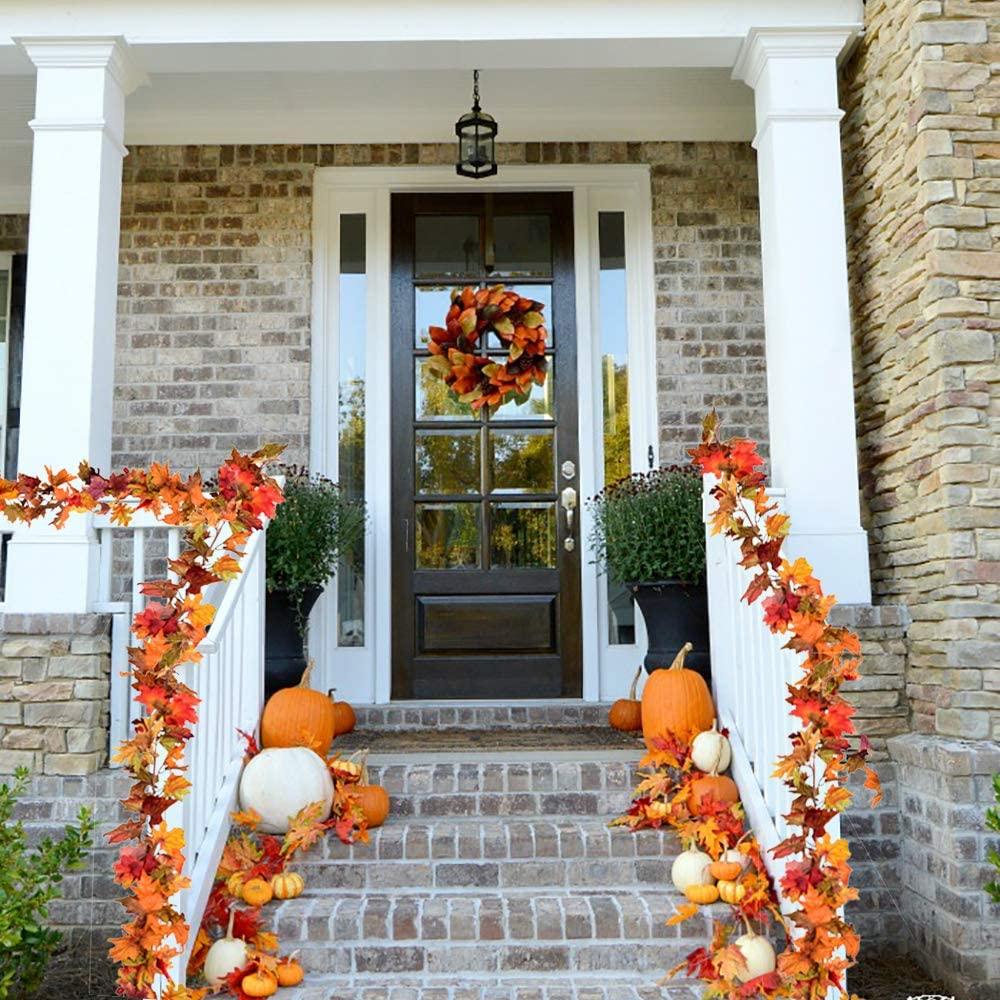
A longer leaf garland draped above a doorway frames the opening while staying out of the main walking path. Secure the ends with small command hooks hidden behind trim so the weight distributes evenly. The vertical drop on each side draws the eye upward in rooms with standard eight-foot ceilings.
Choose leaves with stronger stems for doorway versions because they receive more handling during daily use. This placement also benefits from a slight curve in the center rather than a straight line across the top. Remove the garland before painting or deep cleaning the doorway area.
Mantel Drape Leaf Garland
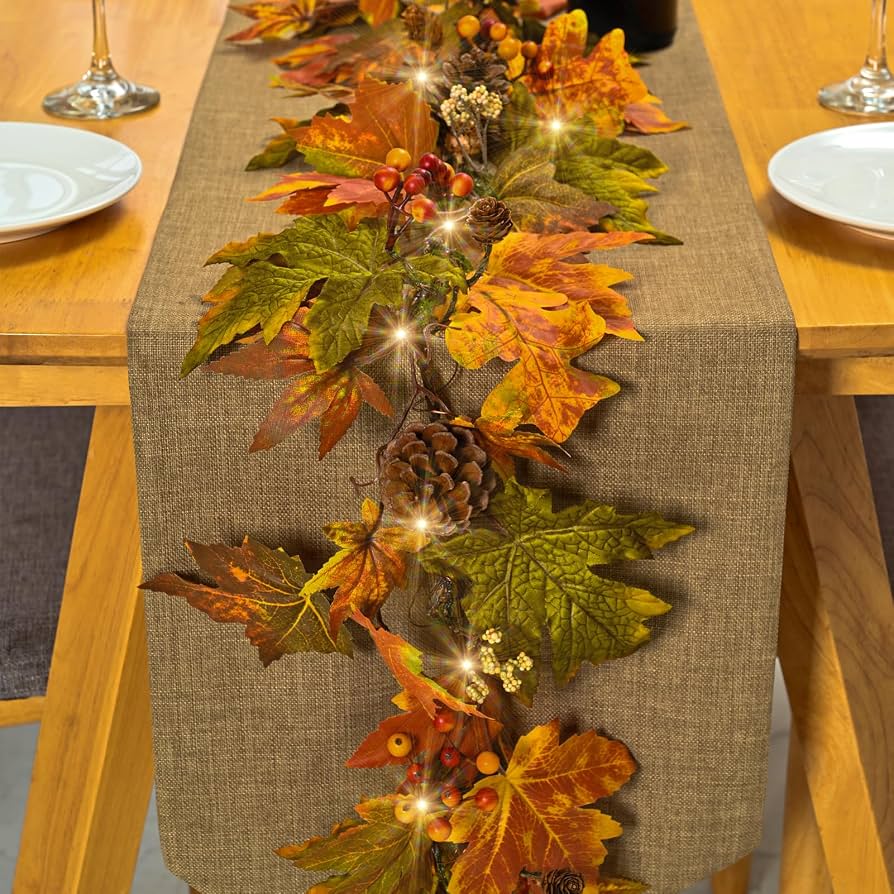
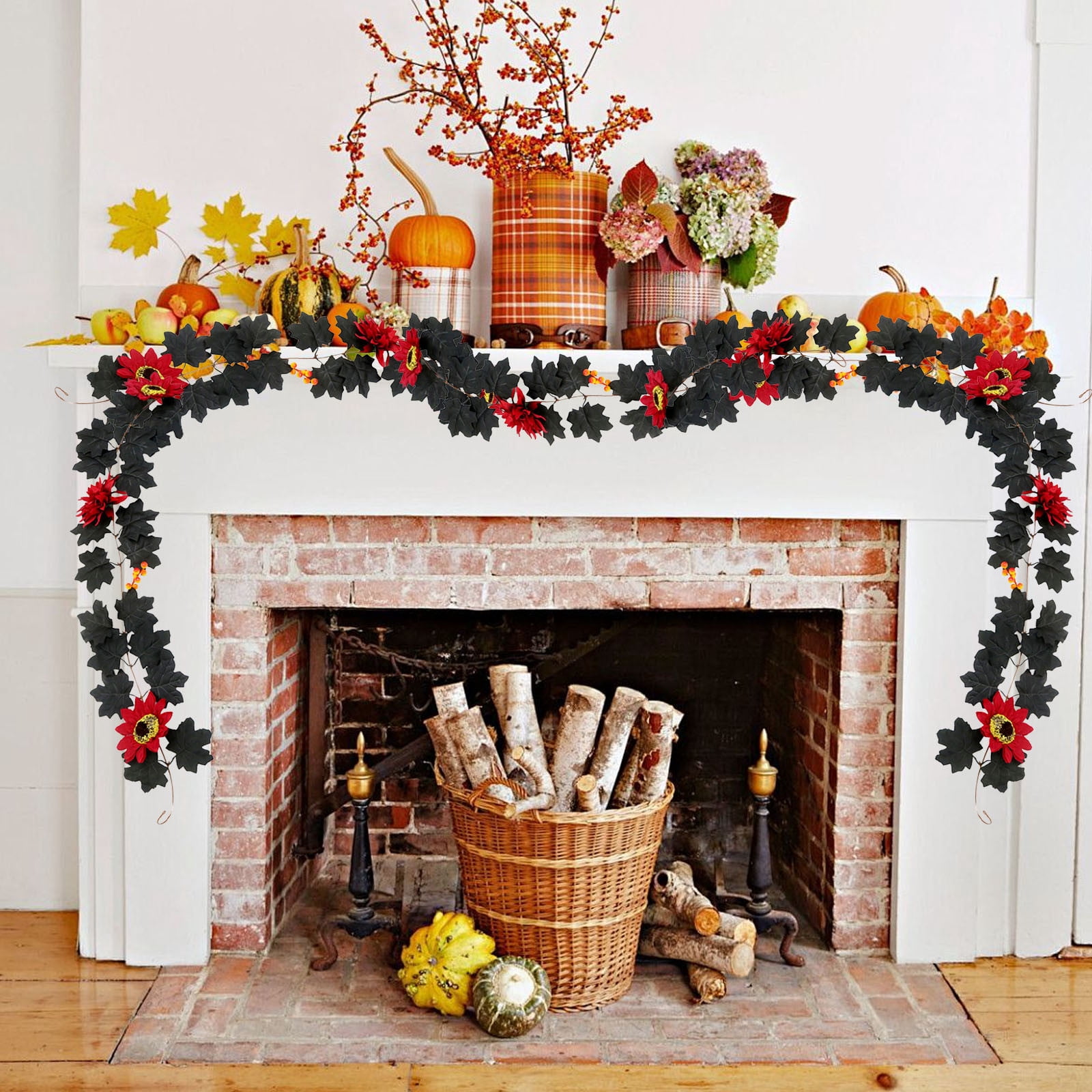
Layering two shorter garlands across a mantel creates depth and allows different leaf colors to show at varying heights. The lower strand can sit directly on the mantel surface while the upper one hangs slightly forward. This arrangement fills the space above a fireplace without blocking heat vents.
Keep the total length six inches shorter than the mantel on each end to avoid the ends drooping into the firebox area. Dust the leaves monthly with a soft brush to prevent buildup that dulls the colors. The double-layer look photographs well for seasonal mantel styling.
Chandelier Wrapped Leaf Garland

Wrapping a leaf garland around chandelier arms adds seasonal interest to an often overlooked fixture. Use lightweight preserved leaves so the added weight does not strain the electrical components. Position the leaves to avoid covering any bulbs or creating fire hazards.
Work from the center outward on each arm to keep the design symmetrical. This placement works best with simple, single-bulb chandeliers rather than multi-tiered crystal versions. Turn off the fixture before installing or adjusting the garland.
Table Runner Leaf Garland
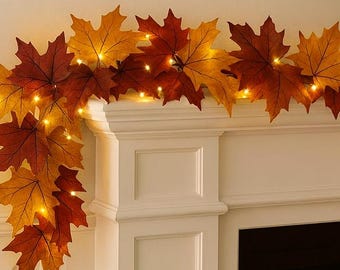
A narrow leaf garland running down the center of a dining table serves as a low-profile runner that does not interfere with place settings. Place small votives or salt cellars directly on the leaves for a cohesive look. The flat arrangement also protects the table surface from condensation rings.
Choose leaves that have been fully dried and flattened to avoid uneven spots under dishes. This runner can be shortened easily by removing end leaves if the table size changes for different gatherings. Store it rolled rather than folded to maintain the leaf shapes.
Window Sill Leaf Garland
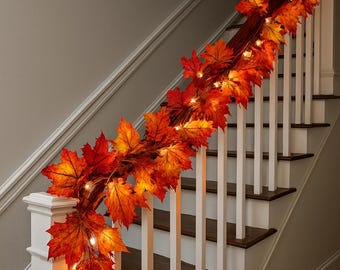
Laying a leaf garland along a window sill catches natural light that highlights the leaf veins and color variations. The horizontal placement stays stable even when windows are opened for ventilation. This location also benefits from the cooler air near glass that helps preserve the leaves longer.
Use a thin ribbon backing so the garland lies flat without rolling. Wipe the sill clean before placing the garland to avoid transferring dust onto the leaves. The light from behind makes this version especially effective in north-facing rooms.
Color Gradient Leaf Garland
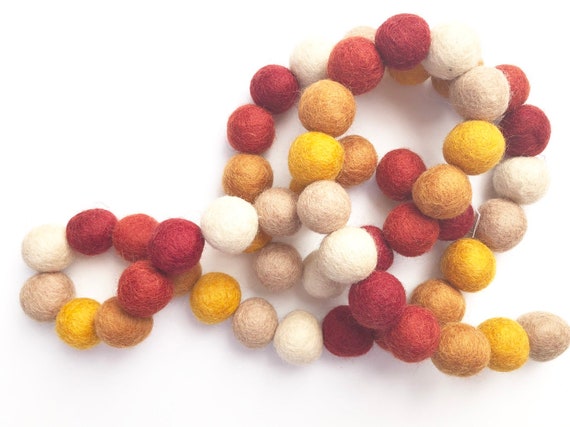
Arranging leaves from deep burgundy through orange to yellow creates a flowing color transition across one continuous strand. Start with the darkest leaves at one end and gradually shift to lighter tones. The gradient effect draws attention across the full length of a long surface.
Select leaves at similar drying stages so the colors remain consistent rather than one section fading faster. This style works particularly well on stair railings where the full sequence is visible at once. Photograph the finished piece in natural light to check that the transition reads clearly.
Rustic Branch Leaf Garland
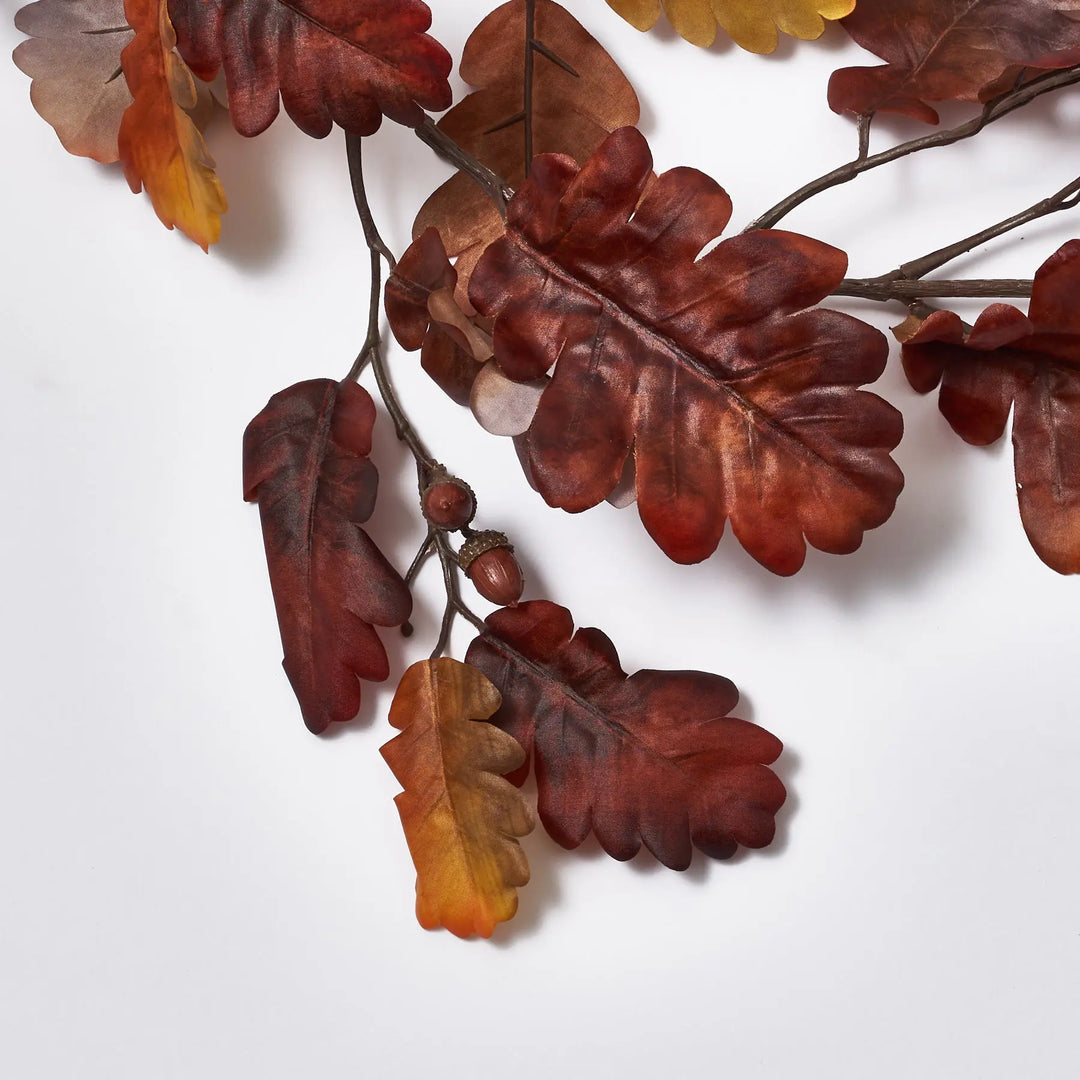
Thin branches wired together with leaves attached along their length give the garland a more three-dimensional, foraged appearance. The branches provide structure that lets the garland stand slightly away from the wall. This version suits rooms with exposed brick or wood paneling.
Trim the branches to similar lengths before attaching leaves so the overall shape remains balanced. The added dimension also helps the garland photograph with more depth than flat string versions. Keep the branch ends blunt to avoid scratching walls during hanging.
Minimalist Single Leaf Garland
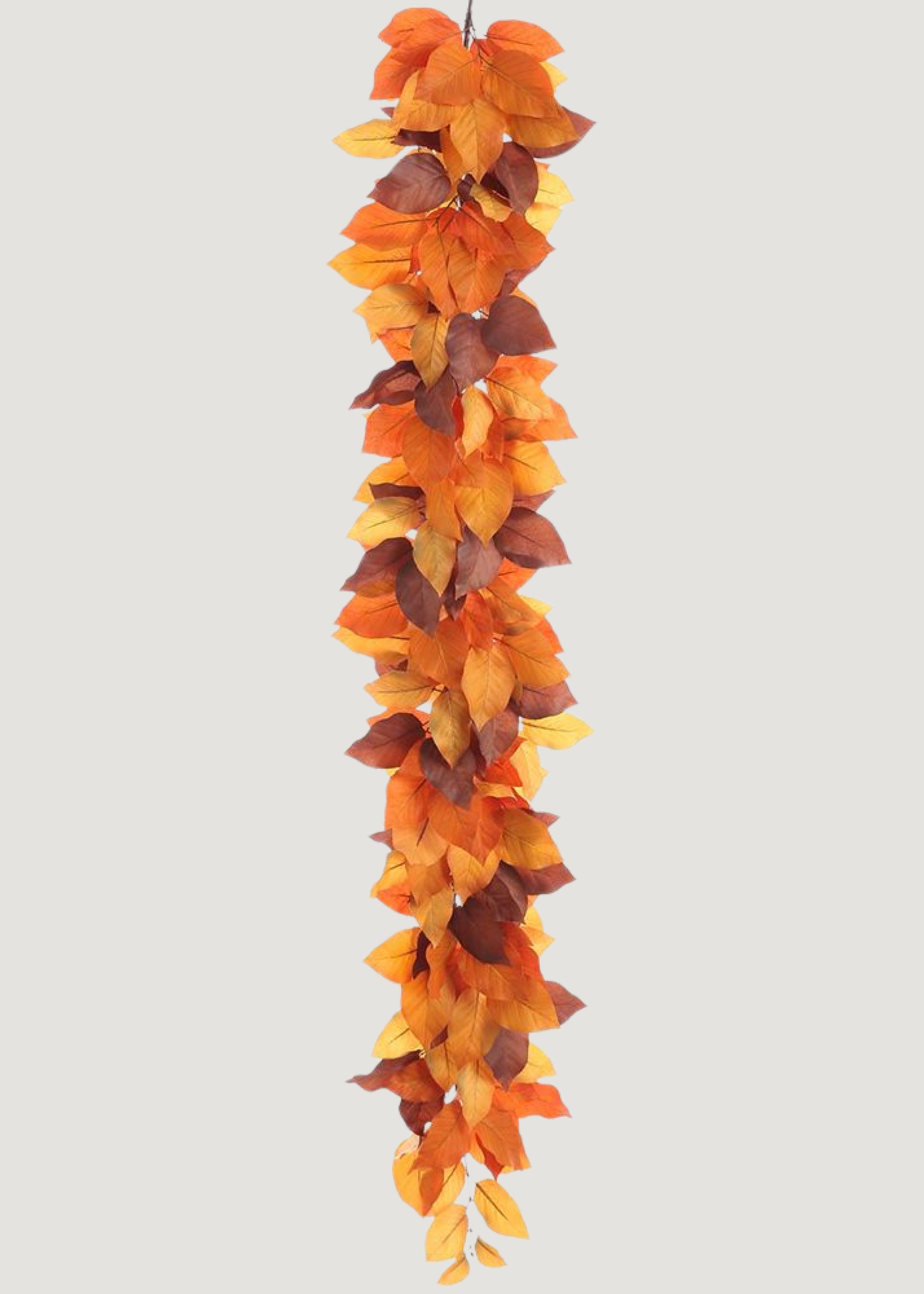
Using one leaf type repeated at wide intervals creates a sparse look suitable for modern interiors. Space the leaves twelve inches apart on thin wire so the garland almost disappears except for the occasional pop of color. This approach works on narrow shelves where denser versions would feel crowded.
Select leaves with particularly strong stems for wider spacing to prevent sagging between attachment points. The minimalist version also stores compactly by coiling the wire loosely. It pairs cleanly with other simple seasonal elements like a single pumpkin or candle.
Preserved Eucalyptus Leaf Garland
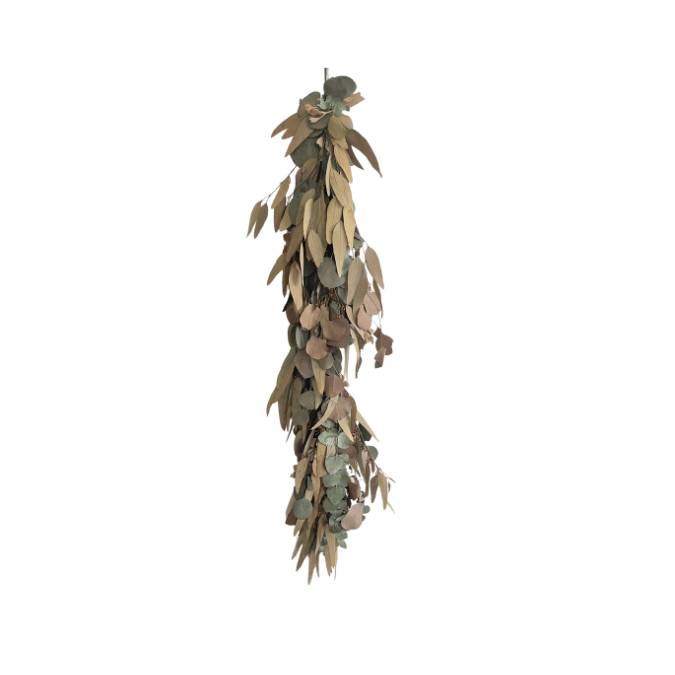
Eucalyptus leaves mixed with traditional autumn foliage add silvery tones and a subtle scent that lasts several weeks. The eucalyptus holds moisture longer than most deciduous leaves, extending the garland’s freshness. This blend suits bathrooms and kitchens where humidity is higher.
Trim eucalyptus stems at an angle before wiring them in to improve water uptake during the first few days. The gray-green color provides contrast against richer maple and oak tones. Replace any eucalyptus that begins to shed after four weeks to maintain the overall appearance.
Wired Vine Leaf Garland
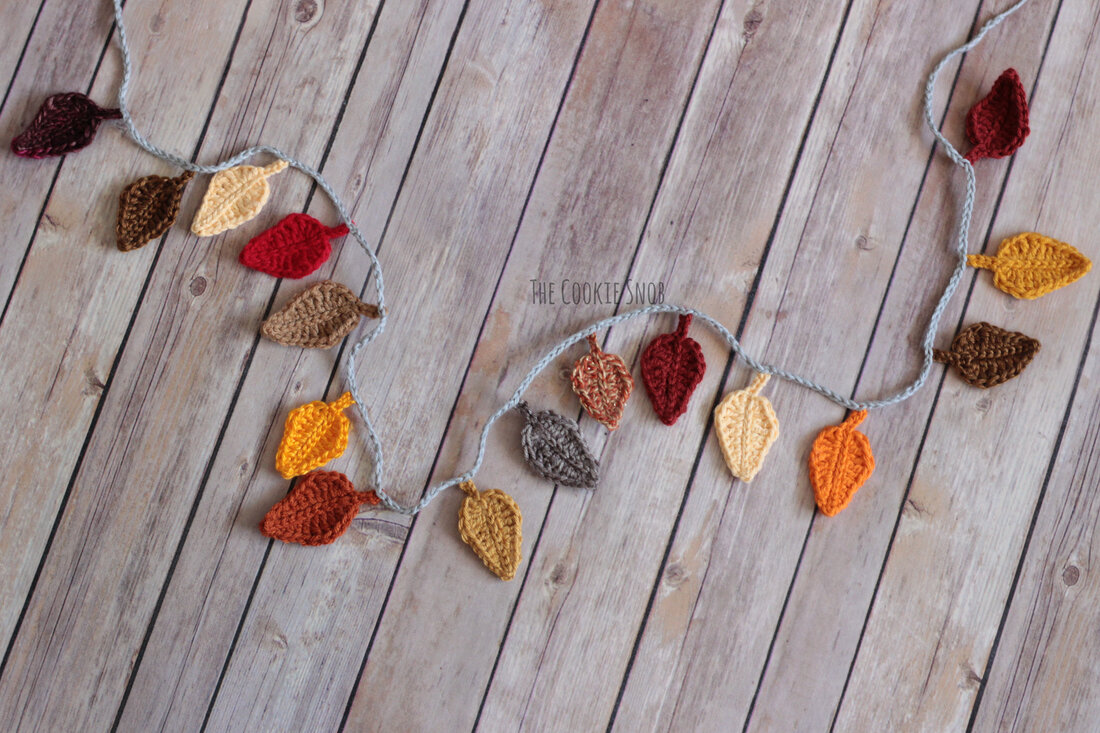
Flexible floral wire shaped into loose vines allows the garland to curve around corners and objects more easily than straight string. Attach leaves at the points where the wire twists back on itself for secure hold. This construction method supports creative placements on furniture legs or mirror frames.
Form the wire into gentle S-curves before adding leaves so the final shape holds without constant adjustment. The wire also accepts additional small accents such as dried berries if desired later. Coil the finished garland around a cardboard tube for storage to preserve the curves.
How long do fresh leaf garlands last indoors?
Fresh leaf garlands typically remain attractive for five to seven days before edges begin to curl and colors fade. Keep them away from heating vents and direct sun to slow the drying process. Mist the leaves lightly every other day with a spray bottle if the room air feels particularly dry.
What materials work best for securing leaves without damage?
Floral wire and natural twine cause the least tearing compared with hot glue or staples. Thread the wire through the leaf stem rather than the blade whenever possible. Test a single leaf first to confirm the chosen method holds under the weight of the full strand.
How should I store autumn leaf garlands between seasons?
Roll the garland loosely around a cardboard tube and place it inside a large, flat box with tissue paper between layers. Avoid folding the leaves sharply, which creates permanent creases. Store the box in a cool, dark closet rather than an attic where temperature swings accelerate fading.
Preserved leaves with a light coat of hairspray resist crumbling for up to three months longer than untreated foliage.
Wiring leaves at the stem base rather than the center keeps the garland flexible for reuse on different surfaces without breakage.
FAQ
How do I prevent leaves from falling off the garland during use?
Secure each leaf at two points along the stem using thin floral wire rather than relying on a single attachment. Check the connections after the first day of hanging because initial settling can loosen some leaves. Adding a small dab of clear craft glue at the wire contact point provides extra hold without visible residue.
Can I use silk leaves instead of real ones for longer-lasting results?
Silk leaves maintain color and shape for multiple seasons when stored properly, though they lack the natural texture variation of real foliage. Choose silk options with wired stems that can be bent to match the curve of the garland base. Mix a few real preserved leaves among the silk ones if you want some authentic scent and slight color shift over time.
What is the best way to clean dust from a leaf garland?
Use a soft makeup brush or clean paintbrush to gently sweep dust from leaf surfaces without bending the edges. Work from the center of each leaf outward to avoid pushing debris into the stem attachment. Avoid water or cleaning sprays unless the leaves are fully preserved and sealed.
How can I make a garland shorter without removing too many leaves?
Trim the base string or wire at one end and reattach the final leaf cluster with a new loop of wire. This method keeps the overall density consistent rather than creating a sparse section. Measure the new length against the intended space before cutting to avoid multiple adjustments.
A well-made autumn leaf garland adds warmth and seasonal detail that transforms ordinary surfaces into focal points throughout the fall months.
Leave a Reply