Napkin folding is a timeless art form that transforms a functional table item into a stunning piece of decor. Creating a napkin rose is one of the most versatile and elegant techniques in a host’s repertoire, suitable for weddings, romantic dinners, or upscale brunches.
Whether you use crisp linen or high-quality paper napkins, the process involves a series of strategic folds and rolls that mimic the delicate petals of a blooming flower. Mastering this craft requires no special tools—only a bit of patience and the right fabric choice to ensure your floral creations hold their shape throughout the meal.
Essential Materials for Napkin Folding
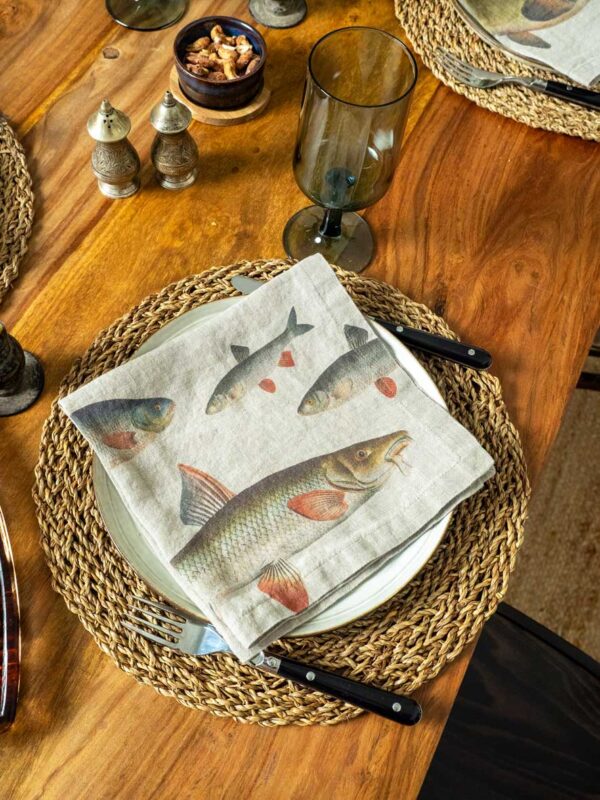
Before you begin your journey into the art of napkin folding, selecting the right material is paramount. Not all napkins are created equal when it comes to structural integrity.
- ✦Fabric Choice: 100% Cotton or Linen napkins are the gold standard. They provide the necessary friction to stay in place and can be starched for extra stiffness.
- ✦Size Matters: A standard 20×20 inch dinner napkin is ideal. Smaller cocktail napkins are difficult to manipulate into intricate rose shapes.
- ✦Starch: If your napkins are soft or floppy, a light spray of starch followed by a quick iron will make the folding process significantly easier.
- ✦Color Palette: While red is the classic choice for roses, consider blush pink, cream, or even deep burgundy to match your table theme.
Napkin Material Comparison Table
1. The Classic Rolled Rose
The Classic Rolled Rose is the most popular variation because it is sturdy and looks incredibly realistic. This method works best with square cloth napkins.
Step-by-Step Instructions:
- 1. The Triangle Fold: Lay the napkin flat on a clean surface. Fold it diagonally in half to create a large triangle.
- 2. The Base Roll: Starting from the long closed edge (the fold), roll the napkin upward toward the point. Stop rolling when you have about 3 to 4 inches of the triangle point left unrolled.
- 3. The Spiral: Take one end of the long rope you’ve created and begin rolling it tightly inward toward the other end. Keep the bottom edge aligned as you roll.
- 4. Securing the End: Once you reach the end, tuck the loose tail into the folds at the base of the rose.
- 5. Creating Leaves: Take the two points of the triangle that you left unrolled earlier. Pull them apart and flip them over the sides of the rose. These will serve as your green-leaf accents (even if they are the same color as the flower).
2. The Romantic Rose Bud
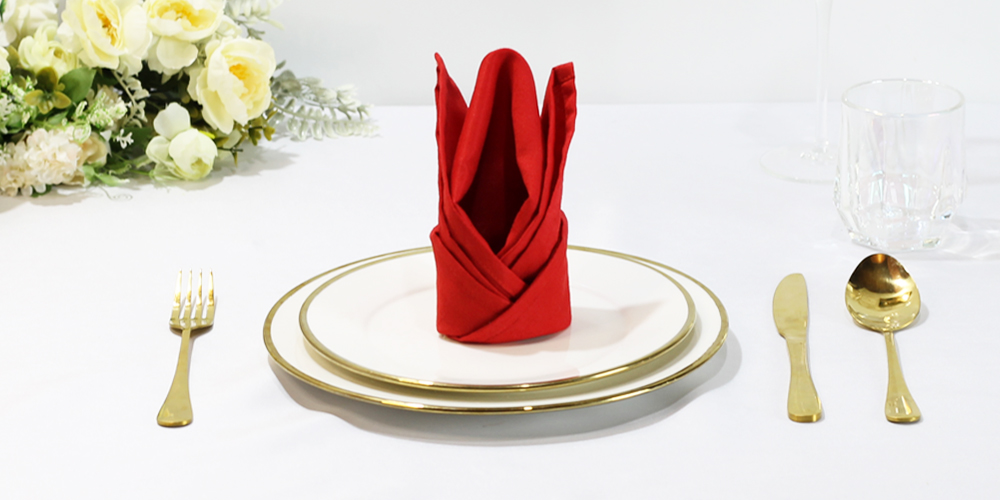
The Rose Bud is a tighter, more compact version of the rose. It is perfect for placing inside wine glasses or nesting in the center of a dinner plate.
Step-by-Step Instructions:
- 1. The Square Fold: Fold your napkin in half, then in half again to form a smaller square.
- 2. The Diagonal Fold: Fold the square diagonally to form a triangle, ensuring the open corners are at the top point.
- 3. The Side Folds: Fold the left and right bottom corners up to the top point, creating a diamond shape.
- 4. The Flip: Turn the napkin over so the smooth side is facing you.
- 5. The Bottom Tuck: Fold the bottom point up about two-thirds of the way.
- 6. The Final Wrap: Turn the napkin over again. Roll the left side toward the right and tuck the end into the small pocket created by the folds. Stand the napkin up to reveal a delicate bud.
3. The Wine Glass Rose
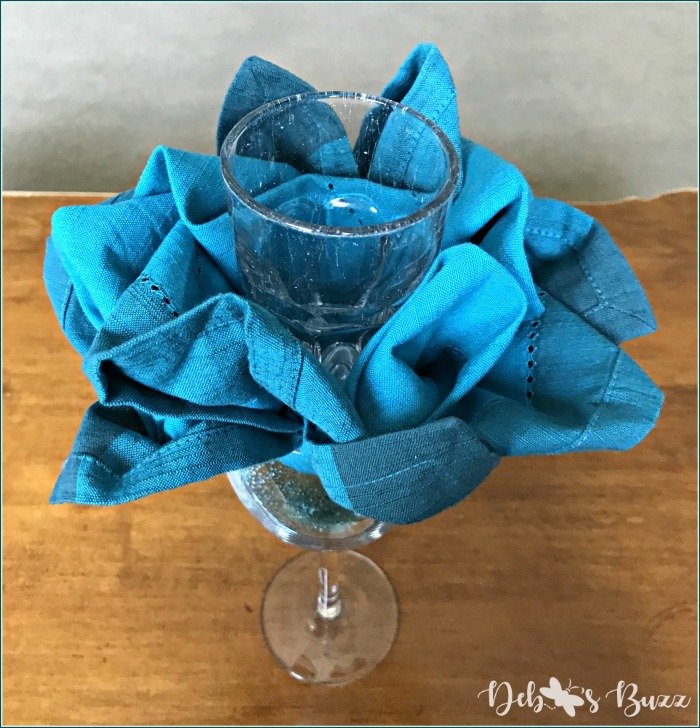
This technique uses the rim of a glass to help hold the shape of the petals. It is an excellent choice for tables with limited space, as it adds vertical height to the landscape.
Step-by-Step Instructions:
- 1. The Rectangle Fold: Fold the napkin in half to form a rectangle.
- 2. The Accordion: Starting from one short side, create small 1-inch accordion pleats across the entire length of the napkin.
- 3. The Pinch: Pinch the pleated napkin in the center.
- 4. The Insertion: Fold the pleated strip in half and tuck the pinched end into the bottom of a wine or water glass.
- 5. The Fan: Gently spread the top pleats outward. The tension of the glass will hold the pleats in a circular, rose-like fan pattern.
4. The Two-Tone Leafy Rose
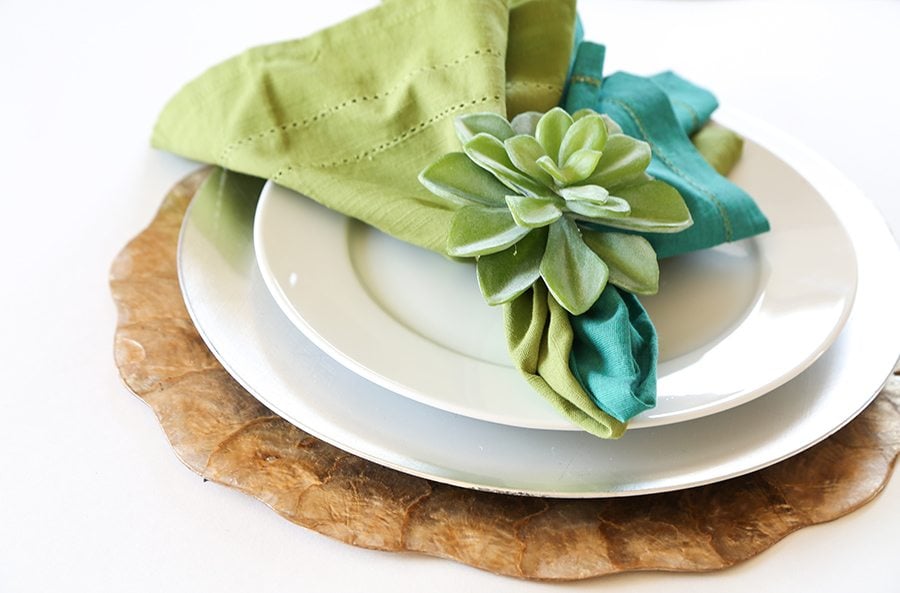
To achieve a more professional look, you can use two napkins: one pink or red for the flower and one green for the leaves.
Step-by-Step Instructions:
- 1. Prepare the Leaves: Fold a green napkin into a triangle. Fold the two outer corners toward the center point, then fold the bottom up slightly. Set this aside—this is your base.
- 2. Prepare the Flower: Follow the Classic Rolled Rose method (Technique #1) using a red or pink napkin, but do not worry about creating the leaves from the points.
- 3. The Assembly: Place the finished red rose into the center of the green napkin base.
- 4. Final Flourish: Place the entire assembly into a shallow bowl or on a flat plate. The green napkin will flare out like lush foliage beneath the bloom.
5. The Spiral Napkin Rose (Quick Method)
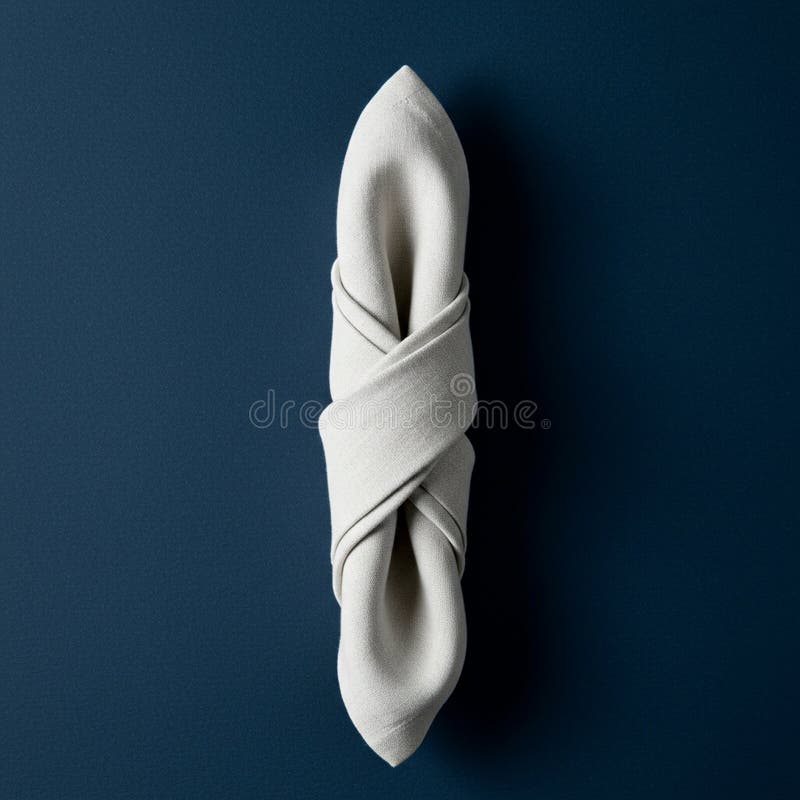
If you are hosting a large party and need to fold twenty roses quickly, the Spiral Method is your best friend. It relies on a twisting motion rather than intricate folds.
Step-by-Step Instructions:
- 1. The Flat Start: Lay the napkin flat.
- 2. The Fork Twist: Place a dinner fork in the center of the napkin.
- 3. The Spin: Slowly rotate the fork in a clockwise direction, catching the fabric and winding it around the tines. Use your free hand to guide the outer edges of the napkin so they spiral neatly.
- 4. The Slide: Once the entire napkin is wound around the fork, carefully slide the fork out.
- 5. The Secure: Gently press the center down and tuck the outermost edge under the base. This creates a flat rose that looks beautiful sitting directly on a charger plate.
Pro Tips for High-Authority Table Styling
To truly master the art of napkin folding, you must look beyond the folds themselves and consider the overall presentation.
Ironing and Preparation
Never attempt complex folds with wrinkled napkins. The steam from an iron helps set the folds, making the rose look crisp and professional. If you are using polyester napkins, use a lower heat setting to avoid melting the fibers.
Scenting Your Roses
For an extra sensory experience, lightly mist your napkins with a diluted rosewater spray before folding. As guests unfurl their napkins, a faint, pleasant floral scent will be released, enhancing the dining experience.
Choosing the Right Plate
A napkin rose should be the star of the place setting. Use a solid-colored plate (white or gold) to allow the intricate folds of the rose to stand out. If the napkin is heavily patterned, the rose shape may get lost visually.
Troubleshooting Common Issues
- ✦The Rose Unravels: This usually happens with synthetic fabrics like satin. Use a small, inconspicuous safety pin or a clear hair elastic at the base to hold the roll in place.
- ✦The Rose Looks Flat: You may be rolling too tightly. A rose needs a bit of air between the layers to look like it has petals. Loosen your grip as you reach the outer layers of the roll.
- ✦The Leaves Won’t Stay Down: If the triangle points keep popping up, use a drop of fabric-safe adhesive or simply tuck them deeper into the base roll.
Frequently Asked Questions
Q: Can I make napkin roses with paper napkins?
A: Yes, but you must use high-quality, 3-ply paper napkins. Cheap, thin napkins will tear during the rolling process. Paper napkins also lack the memory of cloth, so they may require a bit more tucking to stay secure.
Q: How far in advance can I fold the napkins?
A: You can fold cloth napkins up to 24 hours in advance. Store them in a single layer in a shallow box or plastic container so they don’t get crushed. Avoid stacking them, as the weight will flatten the roses.
Q: What is the best napkin size for a rose?
A: A 20″ x 20″ (50cm x 50cm) square napkin is the industry standard for decorative folding. Anything smaller than 17″ will result in a very small, difficult-to-handle rose.
Q: Do I need napkin rings for these styles?
A: While not required, a napkin ring can act as a vase for your rose. Techniques #1 and #2 look beautiful when tucked into a metallic or beaded ring.
Conclusion
The art of napkin folding is a simple yet profound way to elevate your home decor and show your guests that you’ve put thought into every detail of their visit. By mastering the five techniques outlined above—from the Classic Rolled Rose to the quick Spiral Method—you can adapt your table setting to any occasion.
Remember that the secret to a perfect rose lies in the preparation: choose high-quality linens, don’t skimp on the starch, and practice your rolling tension. With these skills, you’ll turn every meal into a celebration of craft and elegance.
Leave a Reply