Aran knitting is the ultimate expression of cozy, rustic elegance in home decor. Originating from the Aran Islands off the coast of Ireland, these intricate patterns—characterized by heavy textures, cables, and bobbles—were traditionally used in wool sweaters for fishermen.
Today, they serve as high-authority design elements that bring warmth, history, and a “hygge” atmosphere to any living space. By mastering a few foundational stitches like the honeycomb, diamond, and cable, you can create heirloom-quality pieces that transform your home into a sanctuary.
1. The Classic Honeycomb Throw
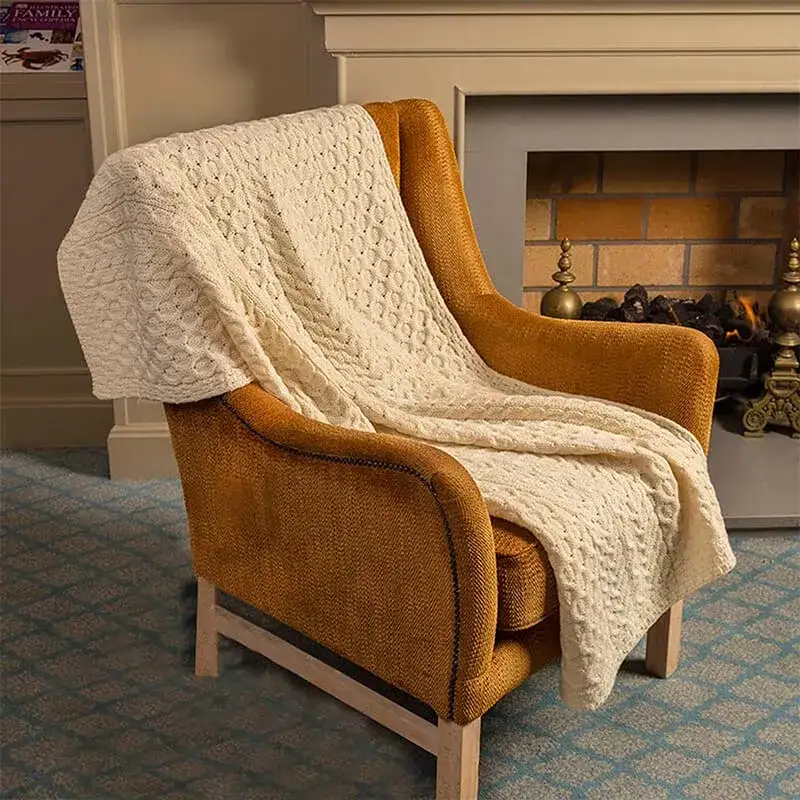
The honeycomb stitch is perhaps the most iconic Aran pattern, symbolizing the hard work of the honeybee. In home decor, a large-scale honeycomb throw provides incredible depth and weight, making it the perfect centerpiece for a sofa or the foot of a bed.
Why It Works
The honeycomb pattern creates a dense, cellular structure that traps heat effectively. Unlike flat knits, the overlapping cables create a 3D effect that catches the light, highlighting the natural cream or off-white tones traditionally associated with Aran wool.
Quick Tutorial Steps:
- ✓ Cast On: Use a chunky wool blend and circular needles to accommodate the weight.
- ✓ The Pattern: Work in multiples of 8 stitches. The “honeycomb” is created by crossing 2 stitches to the back, knitting 2, then knitting the 2 from the cable needle, followed by crossing 2 to the front.
- ✓ Finishing: Add a thick garter stitch border to prevent the edges from curling.
2. Cable-Knit Lumbar Pillows
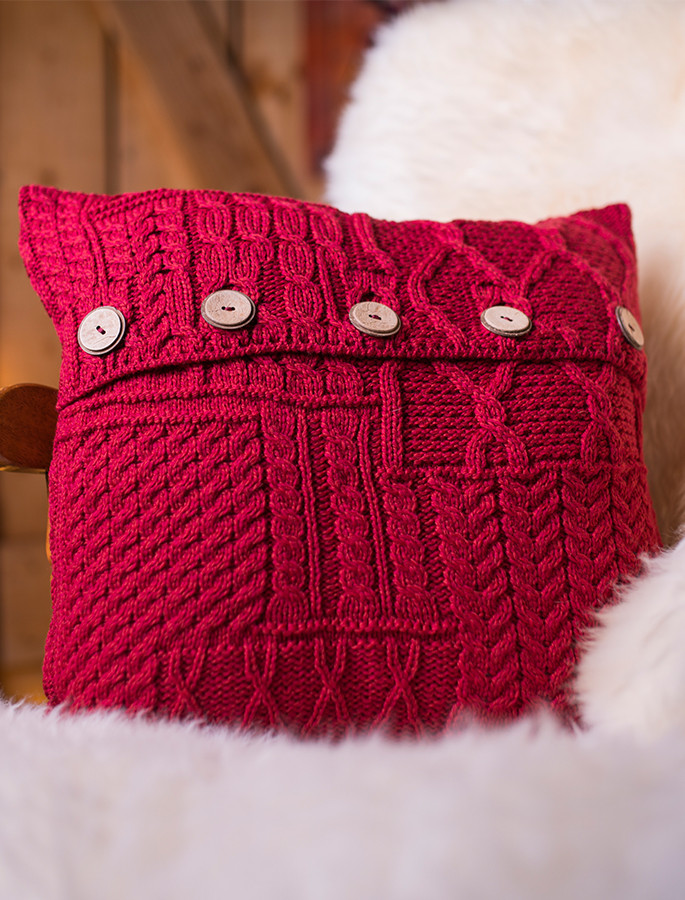
Lumbar pillows are essential for ergonomic comfort, and when dressed in Aran cables, they become a textural focal point. This project is ideal for intermediate knitters who want to practice varying cable widths.
Design Variations
| Cable Type | Visual Effect | Difficulty |
|---|---|---|
| Simple Rope Cable | Classic, linear look | Beginner |
| Braided Cable | Rich, intertwined texture | Intermediate |
| Wishbone Cable | Elegant, flowing lines | Advanced |
Implementation Tip
When creating pillow covers, always knit the panel 1 inch smaller than your pillow insert. This ensures a “plump” look and prevents the knitted fabric from sagging over time.
Use a canvas backing with a zipper for a professional, durable finish.
3. The Celtic Knot Table Runner
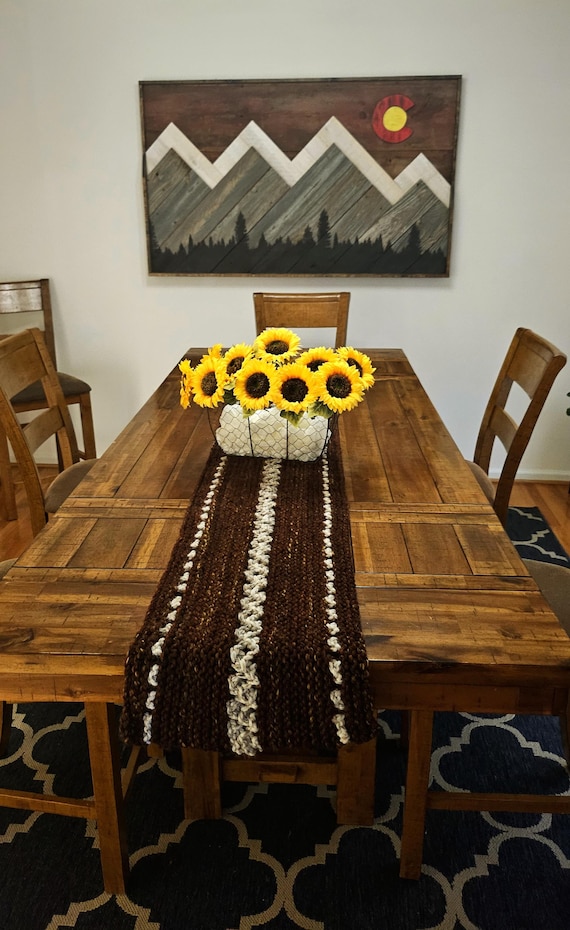
Transform your dining area with a Celtic knot table runner. This pattern utilizes the “traveling stitch” technique, where stitches move across a purl background to create intricate, interlacing paths that resemble ancient stone carvings.
Styling the Runner
Because Aran patterns are visually busy, style your table with minimalist ceramics and wooden elements. The contrast between the soft, cream-colored wool and a dark oak or walnut table is breathtaking.
- ★ Yarn Choice: Use a high-quality cotton-wool blend to ensure the runner lays flat and is easy to spot-clean.
- ★ Stitch Focus: Focus on the “Saxon Braid” or “Five-Rib Braid” for the central panel.
4. Diamond Stitch Floor Pouf
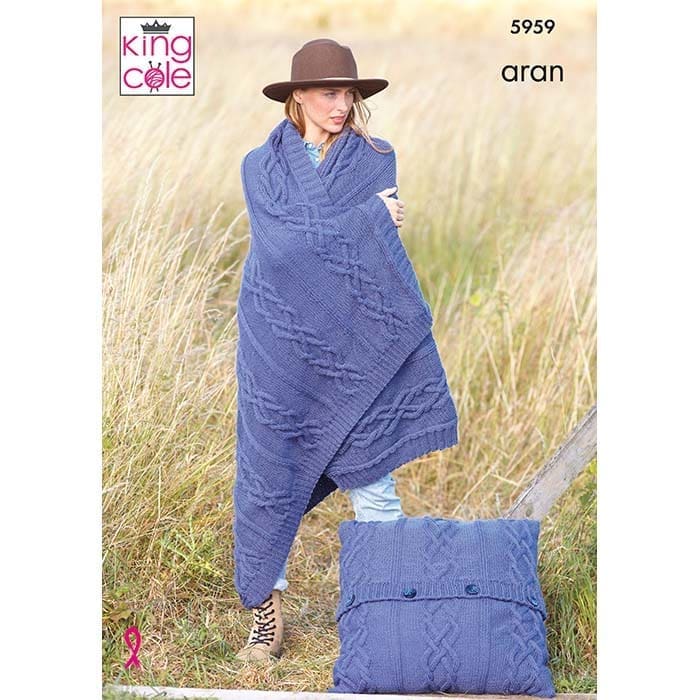
The diamond stitch represents the small, stone-walled fields of the Aran Islands. In DIY decor, this pattern is structurally sound, making it perfect for a large floor pouf.
Diamonds are often filled with “moss stitch” (alternating knits and purls) to provide extra friction and durability.
Construction Guide:
- ◆ The Base: Knit a long rectangular strip using a bulky wool.
- ◆ The Pattern: Incorporate a large central diamond flanked by rope cables.
- ◆ Assembly: Seam the ends to create a tube, cinch the bottom, fill with high-density foam or upcycled fabric scraps, and cinch the top.
- ◆ Detail: Add a large wool pom-pom or a leather handle for a modern touch.
5. Blackberry Stitch Mug Cosies
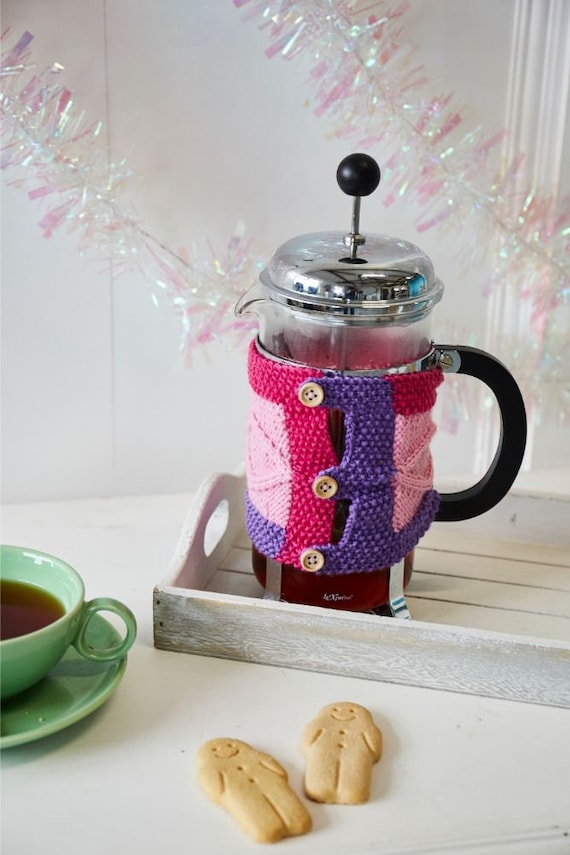
The blackberry stitch (also known as the Trinity stitch) creates a thick, bobbled texture that looks like a field of berries. This is a fantastic “scrap yarn” project for beginners.
Why Blackberry Stitch?
This stitch is incredibly dense, providing excellent insulation for your morning coffee while protecting your hands from the heat. It’s a tactile delight that adds a “cottagecore” vibe to your kitchenware.
The Pattern Formula:
- • Row 1 (Wrong Side): Purl all stitches.
- • Row 2: *(K1, P1, K1) into the next stitch, P3together. Repeat from * to end.
- • Row 4: *P3together, (K1, P1, K1) into the next stitch. Repeat from * to end.
6. Fisherman’s Rib Draft Stopper
While not a “cable” in the traditional sense, the Fisherman’s Rib is a staple of Aran-style knitting. It produces a thick, squishy, reversible fabric that is twice as thick as standard ribbing.
Functional Upcycling
Use this pattern to create a long, weighted draft stopper for your doors.
- ✦ Materials: Bulky wool and a filler of dried beans or rice mixed with polyester stuffing.
- ✦ The Look: The deep grooves of the Fisherman’s Rib mimic the look of corduroy but with the warmth of wool. It’s a practical DIY that looks like a high-end designer accessory.
7. Basketweave Pet Bed Cover
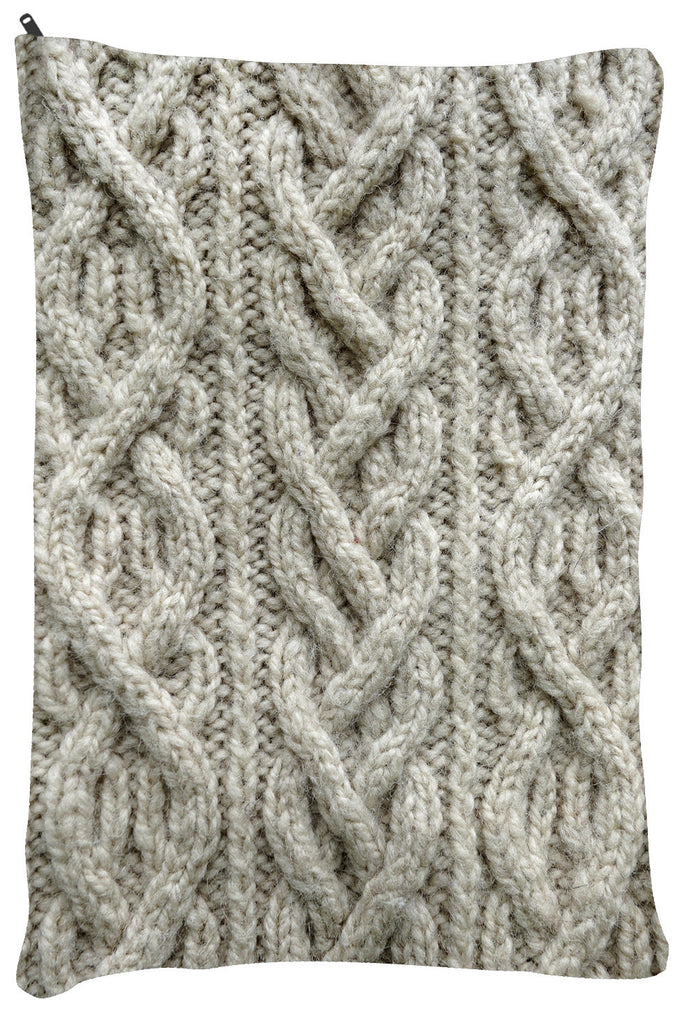
The basketweave stitch represents the fisherman’s baskets and provides a sturdy, gridded texture. This is the most durable Aran pattern, making it ideal for a luxury pet bed cover.
Durability Features
- ✿ Stitch Strength: The alternating blocks of knit and purl create a fabric that doesn’t snag easily under claws.
- ✿ Maintenance: Use a superwash wool or a high-quality acrylic blend so the cover can be machine-washed.
- ✿ Color Palette: While traditional Aran is cream, a “marl” grey or oatmeal color hides pet hair better while maintaining the rustic aesthetic.
8. Tree of Life Wall Hanging
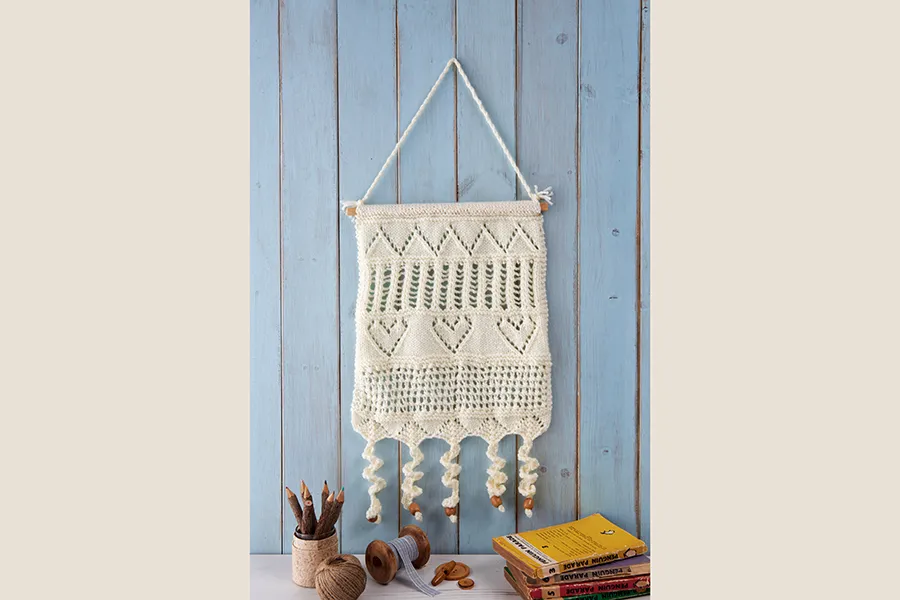
The “Tree of Life” is one of the most advanced Aran patterns, symbolizing generations and family units. Instead of a garment, knit this as a square panel and mount it on a driftwood branch for a stunning piece of textile art.
Creating the Masterpiece
- 🌿 The Trunk: Use a 4-stitch cable that splits into smaller 2-stitch cables to form branches.
- 🌿 The Leaves: Use “leaf” lace stitches or small bobbles at the ends of the branches.
- 🌿 The Frame: Use a simple moss stitch border to frame the “tree” and prevent it from blending into the wall.
9. Aran-Style Ottoman Topper

If you have an old, worn-out ottoman, an Aran-style topper is the ultimate upcycling project. This project combines several patterns—cables, diamonds, and zig-zags—into one “sampler” piece.
Design Layout
To achieve a high-authority look, follow this layout from left to right:
- ☀ Edge: 4 stitches of Garter Stitch.
- ☀ Side: Simple 4-stitch Rope Cable.
- ☀ Transition: 2 stitches of Purl.
- ☀ Center: Large Diamond Stitch with Moss Stitch center.
- ☀ Mirror: Repeat the transition, rope cable, and garter stitch in reverse.
Comparison of Aran Yarn Types for Home Decor
| Yarn Type | Pros | Cons | Best For |
|---|---|---|---|
| Pure Merino | Incredibly soft, high-end look | Expensive, pilling | Throw blankets, wall art |
| Wool/Acrylic Blend | Durable, washable, holds shape | Less “breathable” | Pillows, pet beds, ottomans |
| Cotton Aran | Great stitch definition, cool | Heavy, less elastic | Table runners, mug cosies |
FAQ: Mastering Aran Knitting for Home Decor
What is the best yarn for Aran patterns?
Traditionally, “Bainin” wool (a natural, unscoured cream wool) was used. For modern home decor, look for “Aran Weight” or “Worsted Weight” yarns.
If you want the project to last, a blend of 80% wool and 20% nylon or acrylic offers the best balance of softness and durability.
Are Aran patterns too difficult for beginners?
While they look complex, most Aran patterns are just combinations of knits and purls. The “cables” are simply created by changing the order in which you knit stitches.
Start with the Basketweave or Blackberry stitch before moving on to complex Celtic knots.
How do I care for my DIY Aran decor?
Wool is naturally dirt-resistant. For throws and pillows, a gentle hand wash in cool water with a wool-safe detergent is best.
Always dry flat to prevent the heavy, wet wool from stretching out of shape.
Why is my cable pattern looking “flat”?
This usually happens if your tension is too loose or your yarn doesn’t have enough “twist.” Use a slightly smaller needle than recommended on the yarn ball band to make the cables “pop” and stand out from the background.
Conclusion
Incorporating 9 classic Aran knitting patterns into your home decor is more than just a DIY project; it is an investment in timeless style and comfort. From the symbolic Honeycomb throw to the functional Fisherman’s Rib draft stopper, these textures bring a sense of history and craftsmanship that mass-produced items simply cannot replicate.
By selecting the right yarn and mastering the art of the cable, you can create a cozy, high-authority interior that celebrates the rich heritage of Irish knitting. Grab your needles, choose a cream-colored wool, and start crafting your way to a warmer, more beautiful home today.
Leave a Reply