Knitting has undergone a massive transformation in the modern DIY space, evolving from a traditional craft into a high-fashion statement of sustainability and self-expression.
Today’s modern sweater patterns focus on architectural silhouettes, luxurious fiber blends, and inclusive sizing, allowing crafters to create boutique-quality garments at home.
Whether you are a beginner looking for your first big project or a seasoned pro seeking intricate textures, these eight patterns represent the pinnacle of contemporary knitwear design.
1. The Chunky Oversized Cardigan
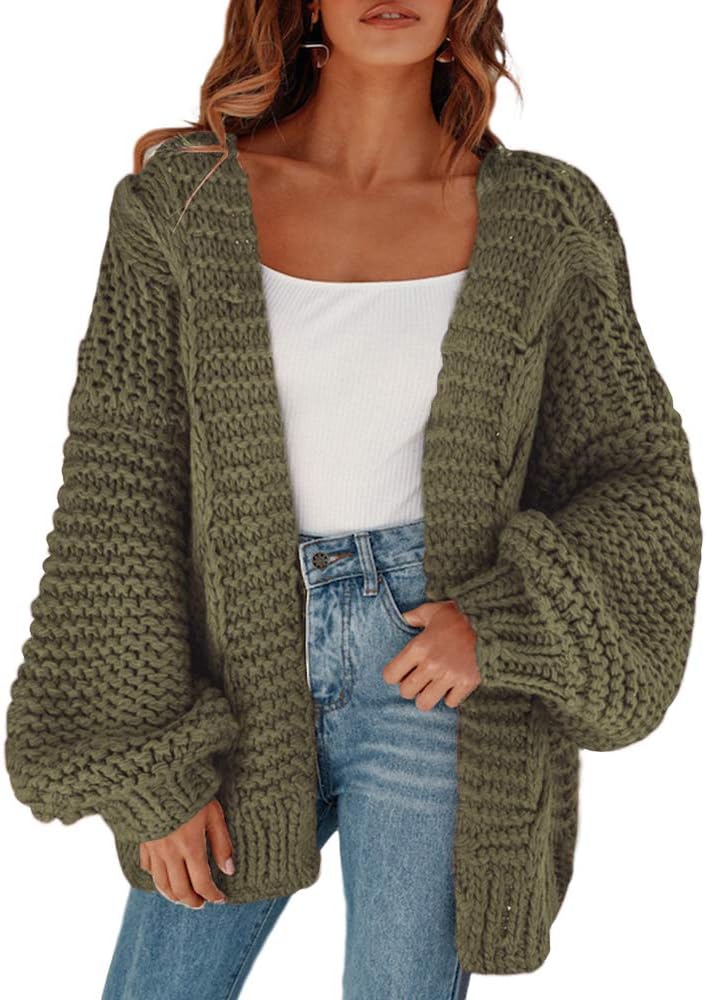
The chunky oversized cardigan is the ultimate beginner-to-intermediate project that yields high-impact results. Often referred to as the cloud sweater, this design focuses on exaggerated proportions and extreme comfort.
It is typically worked with super-bulky yarn (Weight 6) on large needles, meaning you can finish a garment in a fraction of the time it takes for finer gauges.
Design Highlights:
- ✓ Construction: Usually knit in separate panels (back, two fronts, and sleeves) and seamed together for structural integrity.
- ✓ Texture: Uses simple Garter or Stockinette stitches to let the thickness of the yarn shine.
- ✓ Modern Twist: Incorporate balloon sleeves with tight ribbed cuffs to create a dramatic silhouette that balances the oversized body.
Materials Needed:
- ✓ Super bulky wool or acrylic blend (800–1000 yards).
- ✓ 12mm or 15mm circular needles.
- ✓ Large darning needle for seaming.
2. The Minimalist Mock Neck Pullover
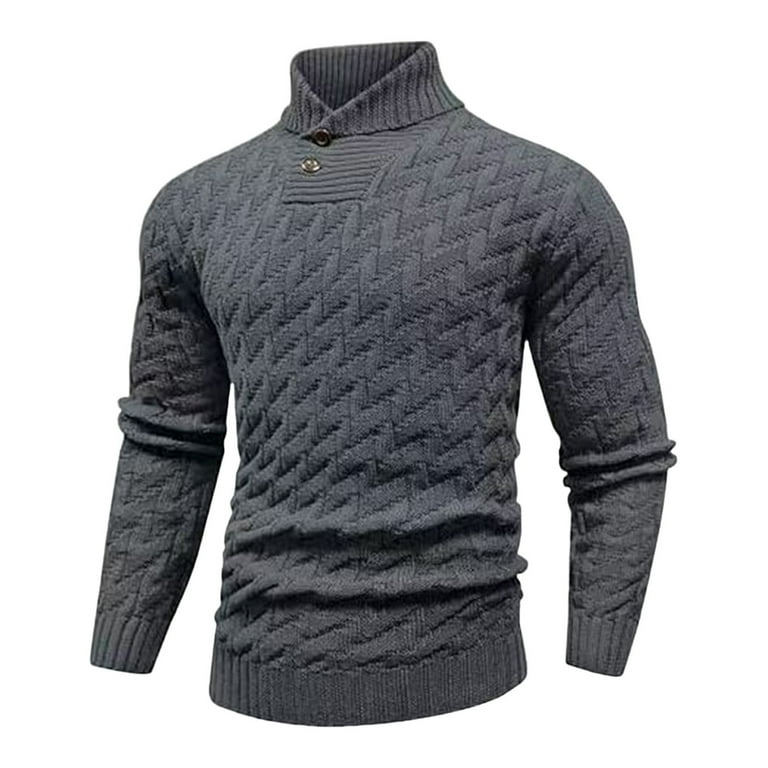
Minimalism remains a dominant trend in modern knitwear. The mock neck pullover offers a sleek, professional look that fits seamlessly into a capsule wardrobe.
Unlike a traditional turtleneck, the mock neck is shorter and stands away from the skin, providing warmth without the bulk.
Design Highlights:
- ✓ Fiber Choice: Best executed in a DK or Worsted weight yarn with high stitch definition, such as merino wool or a cotton-linen blend.
- ✓ Seamless Finish: Often worked in the round from the top down, allowing you to try it on as you go to ensure the perfect fit.
- ✓ Styling: Features split hems and a slightly cropped length to pair perfectly with high-waisted trousers.
3. The Geometric Color-Block Statement
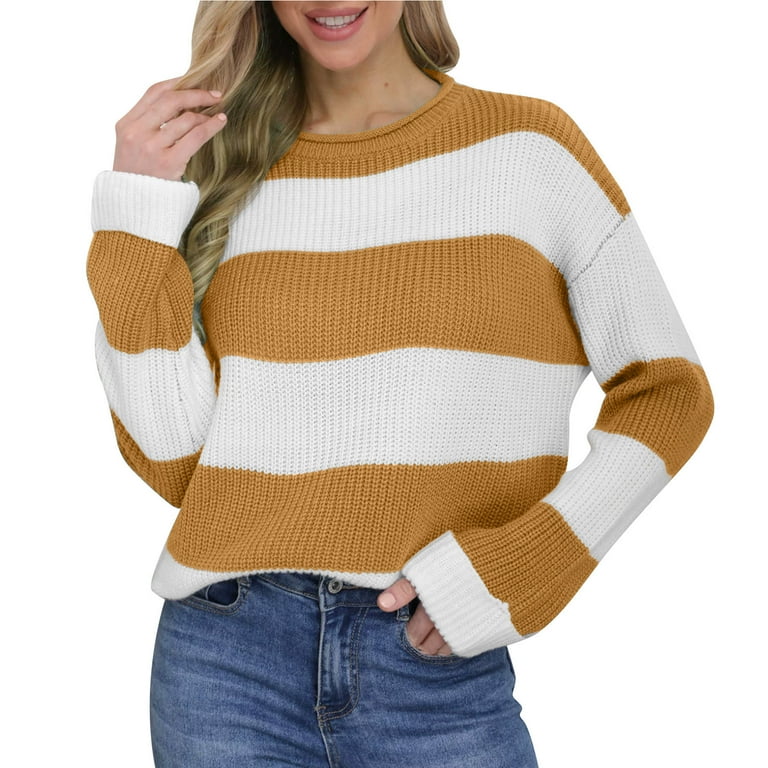
Color-blocking is a fantastic way to play with modern aesthetics while practicing Intarsia or Fair Isle techniques.
A modern color-block sweater moves away from busy patterns and focuses on large, bold sections of contrasting colors.
Design Highlights:
- ✓ Visual Interest: Use three complementary colors—for example, a neutral cream, a deep terracotta, and a soft sage.
- ✓ Customization: This pattern is a great scrap-buster if you have leftover yarn from previous projects of the same weight.
- ✓ Structure: Keep the silhouette simple (a boxy drop-shoulder) to let the color transitions be the focal point.
4. The Delicate Mohair Lace Jumper
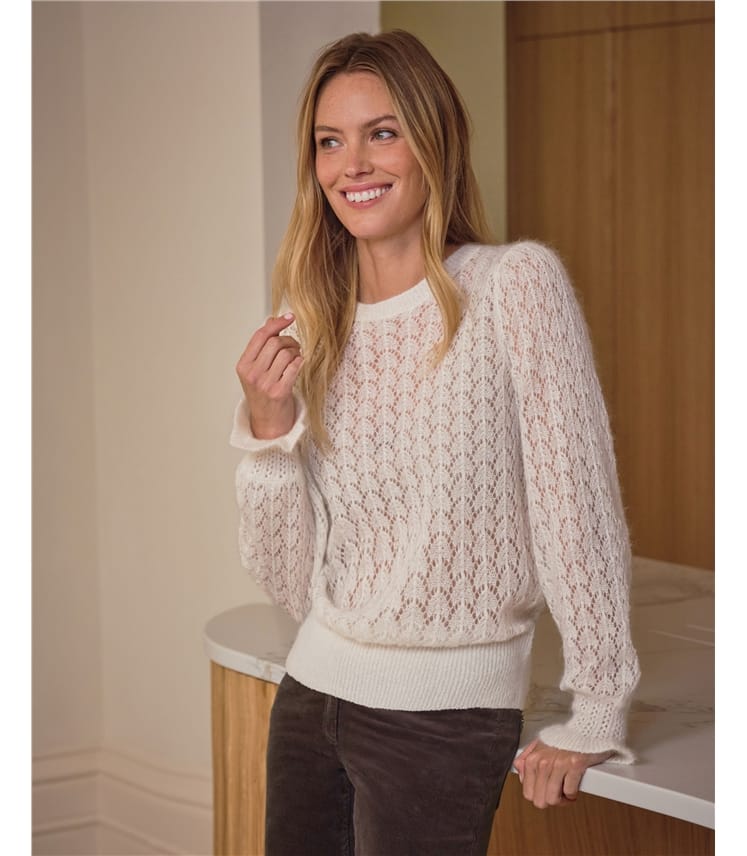
For those who love the cozy-chic look, the mohair lace jumper is a must-build.
By using a lace-weight mohair/silk blend on larger-than-recommended needles, you create a fabric that is ethereal, translucent, and incredibly lightweight.
Design Highlights:
- ✓ The Halo Effect: The fuzzy fibers of the mohair create a blurred, soft appearance that looks expensive and high-end.
- ✓ Layering: Designed to be worn over a camisole or a silk slip dress.
- ✓ Complexity: While it looks intricate, many modern versions use simple eyelet repeats that are easy for intermediate knitters to memorize.
5. The Top-Down Seamless Raglan
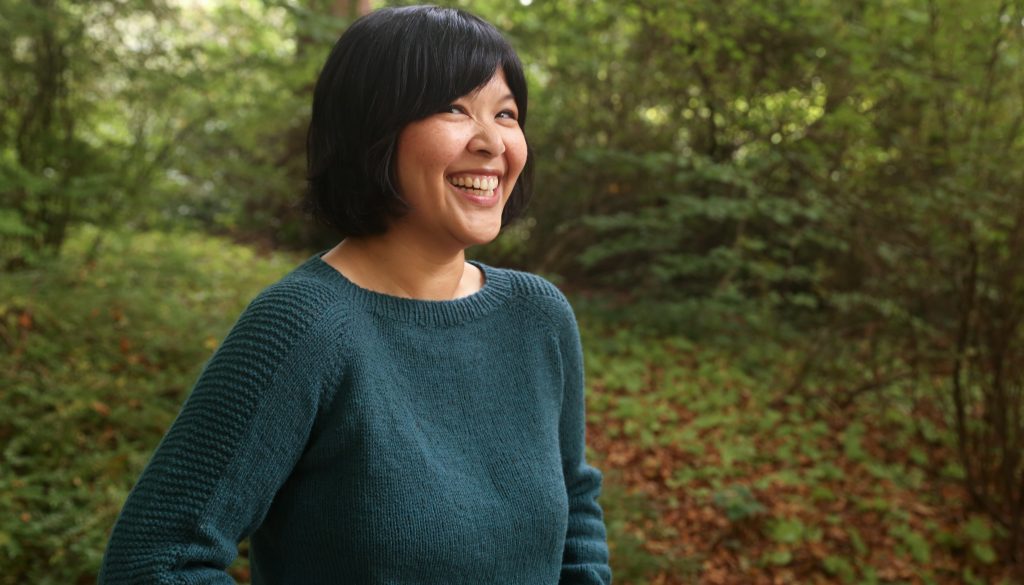
The Raglan is the gold standard for modern utility. Because it is knit in one piece from the neck down, there is absolutely no sewing required at the end.
The raglan lines (the diagonal increases from the collar to the underarm) become a decorative feature of the garment.
How to Master the Raglan:
- 1. Cast on at the neck: Use a circular needle.
- 2. Place Markers: Divide the stitches into four sections (back, front, and two sleeves).
- 3. Increase: Increase stitches on either side of the markers every other row.
- 4. Separate Sleeves: Once the yoke is long enough, put sleeve stitches on waste yarn and finish the body first.
| Feature | Benefit |
|---|---|
| No Seams | More comfortable and professional finish |
| Custom Length | Easy to adjust the body and sleeve length as you knit |
| Minimal Finishing | Only need to weave in a few ends |
6. The Modern Cable Knit Revived
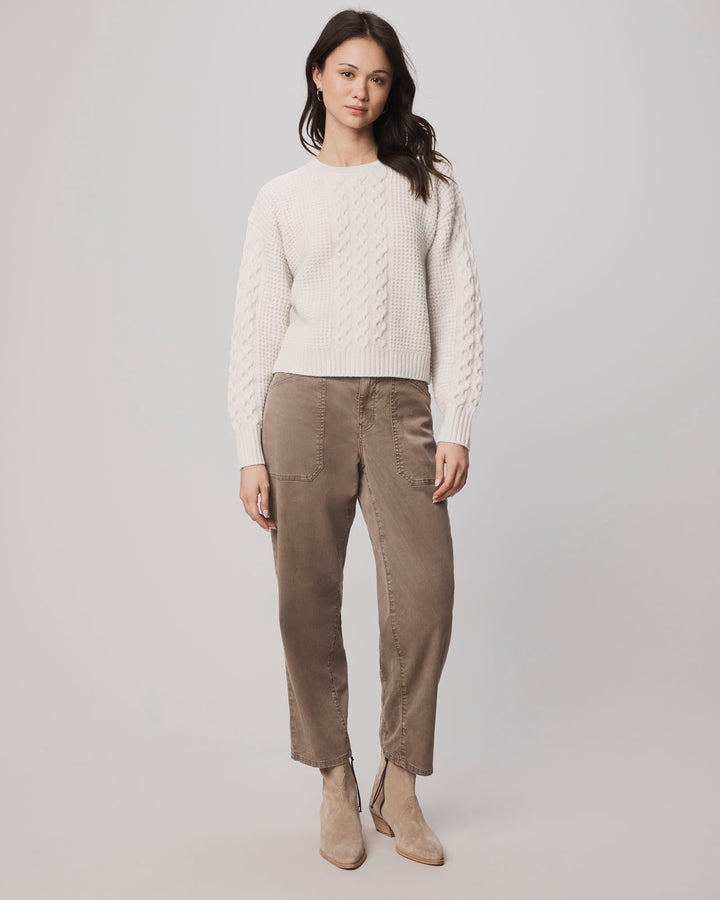
Traditional Aran sweaters can sometimes feel heavy or dated. The modern cable knit takes the concept of cabling and scales it up.
Instead of dozens of small, tight twists, modern patterns feature one or two massive mega-cables running down the center or along the sleeves.
Design Highlights:
- ✓ Asymmetry: Place a large cable off-center for a contemporary, avant-garde look.
- ✓ Yarn Selection: Use a solid, light-colored yarn. Dark or variegated yarns will hide the beautiful texture of your cables.
- ✓ Technique: Requires a cable needle, but the large scale makes it easier to see your progress and catch mistakes.
7. The Cropped Balloon-Sleeve Sweater
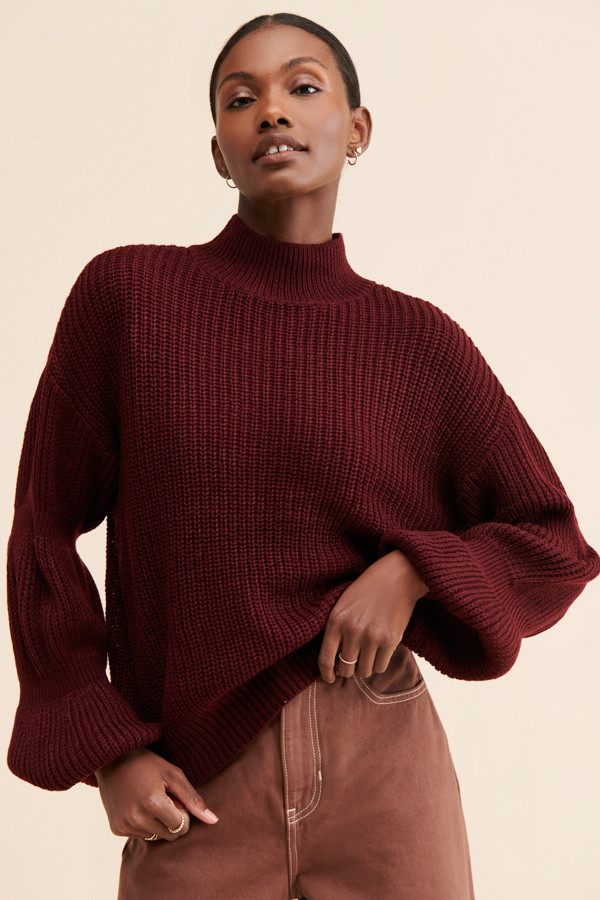
If you follow DIY fashion on social media, you’ve seen the balloon-sleeve trend. This pattern focuses on a short, fitted bodice paired with voluminous, oversized sleeves.
It creates a high-fashion silhouette that works beautifully for evening wear or casual outings.
Design Highlights:
- ✓ Proportion Play: The body usually ends right at the waistline.
- ✓ The Sleeve Construction: Stitches are rapidly increased after the shoulder and then sharply decreased at the wrist to create the bubble effect.
- ✓ Intermediate Skill: Managing the large number of stitches on the sleeve requires patience and circular knitting skills.
8. The Timeless Striped Breton Knit
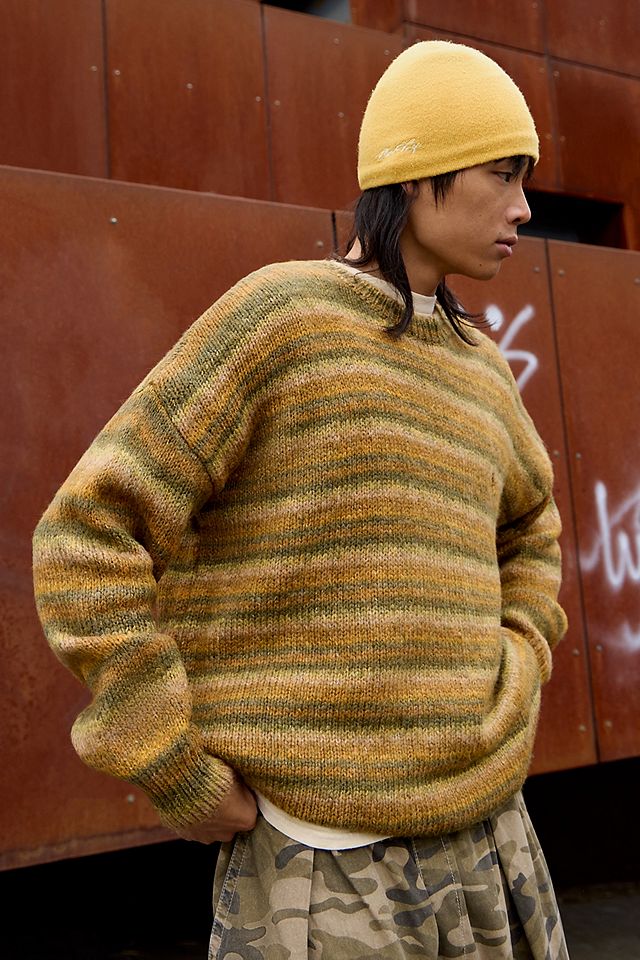
Stripes never go out of style, but the modern version focuses on intentional stripe placement.
Think wide stripes, micro-stripes, or fading stripes where one color gradually transitions into another.
Design Highlights:
- ✓ Jogless Stripes: Use the jogless technique (lifting a stitch from the row below) to ensure your color changes are invisible at the beginning of the round.
- ✓ Versatility: Works in any yarn weight, from fingering to bulky.
- ✓ Skill Building: Perfect for learning how to carry yarn up the inside of your work without cutting it every time the color changes.
Essential Tools for Modern Sweater Knitting
Before starting any of these projects, ensure your toolkit is updated. Modern knitting relies heavily on circular needles, even when not knitting in the round, as they distribute the weight of the sweater more evenly, preventing wrist strain.
- ✓ Interchangeable Needle Set: A worthwhile investment that provides various needle sizes and cable lengths.
- ✓ Stitch Markers: Essential for tracking raglan increases or pattern repeats.
- ✓ Blocking Mats and Pins: Essential for opening up the stitches and giving the sweater its final, professional shape.
- ✓ Gauge Ruler: Never skip the gauge swatch! A 10cm x 10cm square ensures your sweater actually fits when finished.
Choosing the Right Yarn for Your Project
The success of a modern knit depends 70% on the yarn choice. For a structured, architectural look, choose wooly wools (like Peruvian Highland).
For a drape-heavy, flowy look, look for blends containing silk, alpaca, or bamboo.
Yarn Weight Comparison Table:
| Pattern Style | Recommended Yarn Weight | Needle Size (mm) |
|---|---|---|
| Chunky Cardigan | Super Bulky (6) | 10mm – 15mm |
| Mock Neck Pullover | DK (3) or Worsted (4) | 4mm – 5mm |
| Mohair Lace Jumper | Lace (0) or Fingering (1) | 5mm – 6mm (for drape) |
| Cable Knit | Aran (4) or Bulky (5) | 5.5mm – 8mm |
Frequently Asked Questions (FAQ)
Q: I’m a total beginner. Which of these 8 patterns should I start with?
A: Start with the Chunky Oversized Cardigan. Because the yarn and needles are so large, you can clearly see your stitches, making it easier to identify and fix mistakes. Plus, it grows very quickly, which provides the motivation needed to finish your first garment.
Q: Why does my sweater look messy compared to the photos?
A: Most likely, you haven’t blocked your sweater. Blocking involves soaking the finished garment in water and laying it flat to dry in the correct shape. This settles the stitches and gives the fabric a professional, store-bought finish.
Q: Can I substitute yarn types?
A: Yes, but stay within the same weight category. If a pattern calls for wool and you want to use cotton, remember that cotton is heavier and has less spring, so the sweater may stretch lengthwise over time.
Q: How do I know what size to knit?
A: Don’t go by your standard Small/Medium/Large store size. Measure your chest circumference and look for the Finished Bust measurement in the pattern. Most modern patterns suggest 5–10 inches of positive ease for an oversized fit.
Conclusion
Knitting your own sweater is one of the most rewarding DIY projects a crafter can undertake. By choosing one of these eight modern patterns, you aren’t just making a piece of clothing; you are creating a custom-fit, high-quality garment that bypasses the cycle of fast fashion.
From the dramatic volume of balloon sleeves to the quiet elegance of a minimalist mock neck, there is a silhouette for every style and skill level. Grab your needles, select a high-quality fiber, and begin the journey of crafting your new favorite wardrobe staple.
Leave a Reply