Creating a custom throw blanket is one of the most rewarding DIY projects for any home enthusiast. Not only do these projects allow you to control the texture, color, and size of your decor, but they also provide a sense of hygge—that sought-after Danish feeling of coziness and contentment.
Whether you are an experienced sewist, a knitting novice, or someone who prefers no-sew crafts, there is a handmade blanket style that fits your skill level and aesthetic. From chunky arm-knit wools to upcycled sweater quilts, these 15 projects will transform your living space into a warm sanctuary.
1. The Arm-Knit Chunky Wool Blanket
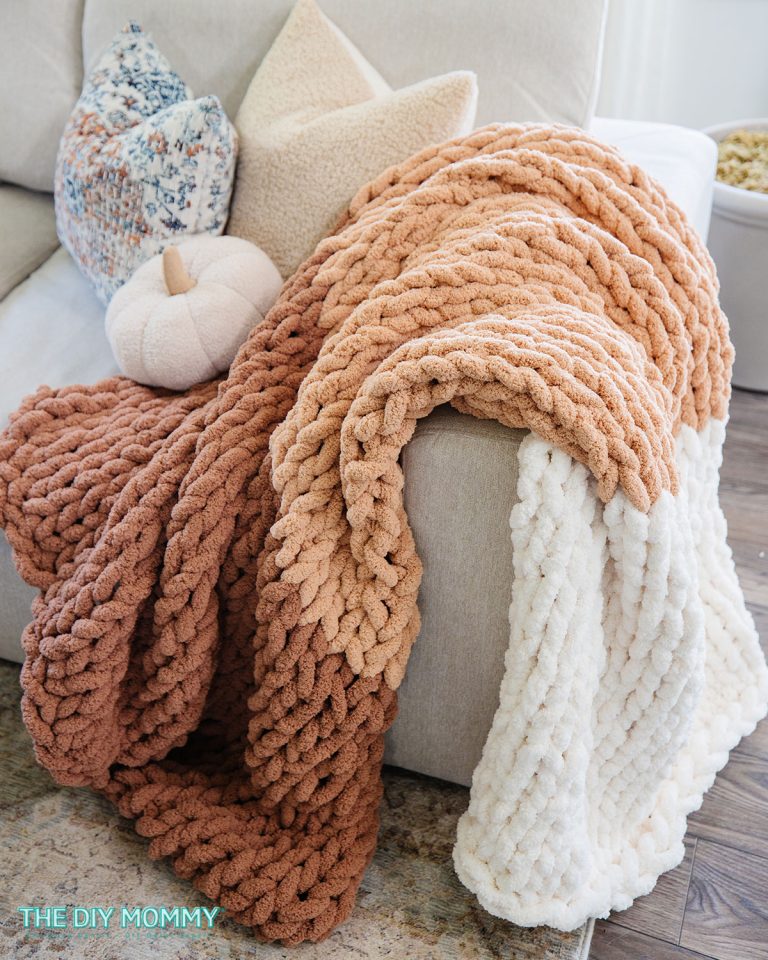
The arm-knit blanket has taken the interior design world by storm. Using ultra-thick unspun merino wool roving, you can create a high-end, oversized knit throw in under an hour without using a single knitting needle.
How to Make It
To start, you’ll need about 4 to 6 pounds of wool roving. Create a slip knot and slide it onto your right arm. Cast on about 18 to 24 stitches by pulling the working yarn through the loops and sliding them onto your arm.
Use your arms as the needles, transferring the stitches from the left arm to the right and back again. The result is a massive, airy knit that looks like it belongs in a luxury boutique.
2. No-Sew Fleece Tie Blanket
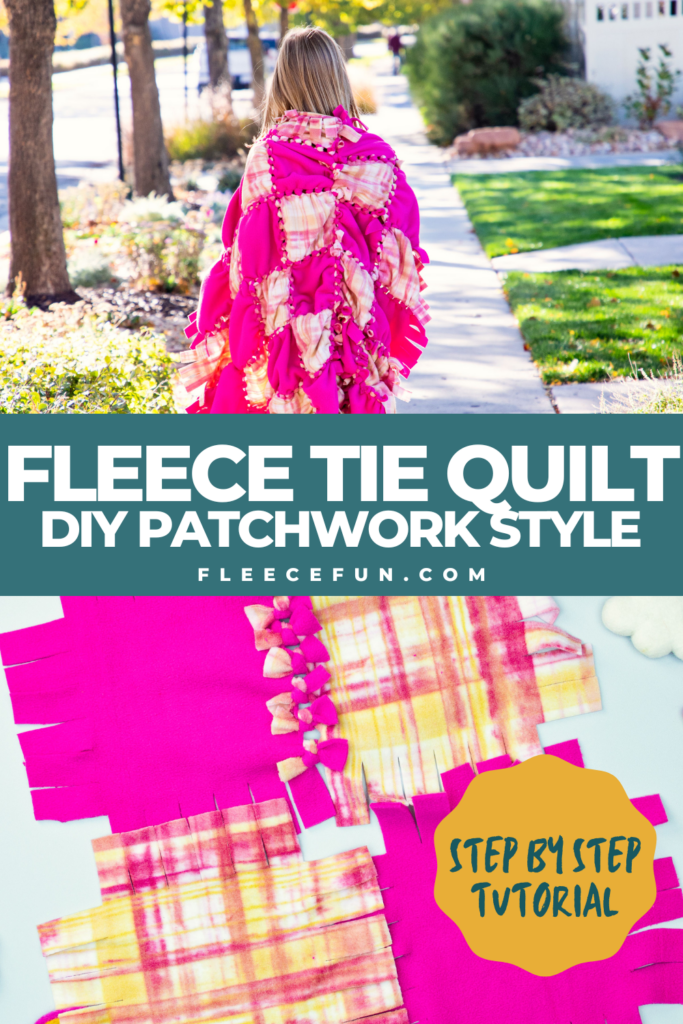
This is the ultimate beginner project. It requires zero stitching and is a fantastic way to involve children in crafting. It’s durable, machine washable, and incredibly soft.
Materials and Technique
You will need two coordinating pieces of anti-pill fleece (usually 1.5 to 2 yards each). Lay them flat on top of each other, trim the edges to match, and cut 4-inch squares out of each corner.
Cut 1-inch wide fringes along all four sides, about 4 inches deep. Simply tie the top fringe to the bottom fringe using a double knot. This creates a decorative, ruffled border that secures the two layers together.
3. Classic Crochet Ripple Afghan
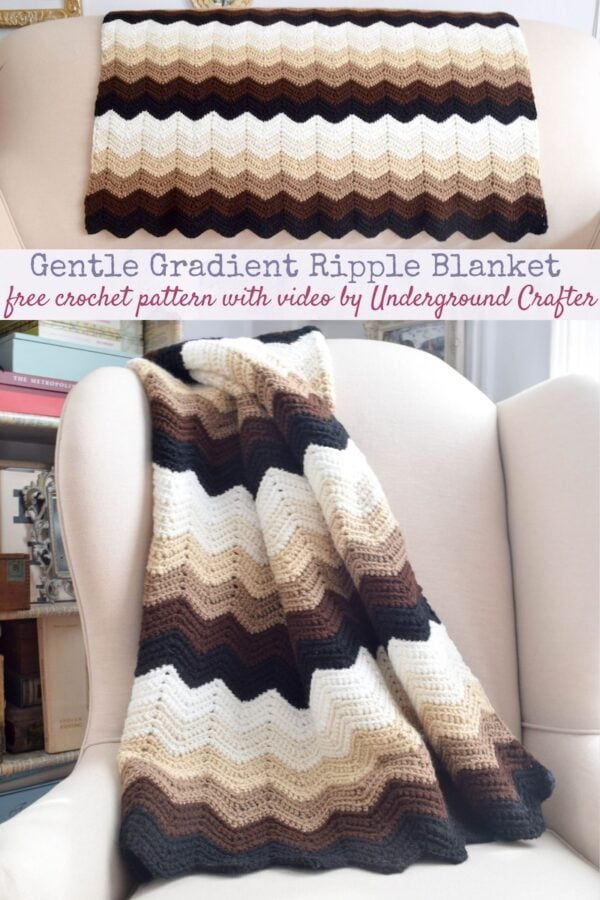
The ripple (or chevron) pattern is a timeless crochet staple. It adds a rhythmic, geometric visual to your sofa and allows for endless color combinations.
Why It Works
Using a medium-weight yarn and a size H or I hook, the ripple effect is achieved by increasing stitches at the peaks and decreasing at the valleys. It’s a repetitive pattern that becomes meditative once you master the first few rows.
Opt for a cotton-blend yarn for a summer throw or a thick acrylic for winter warmth.
4. Quilted Patchwork Scrap Throw
If you have a collection of fabric scraps from previous projects, a patchwork throw is the perfect way to upcycle them into something functional.
Construction Steps
- Cut: Create 6×6 inch squares from various fabrics (cotton, linen, or flannel).
- Layout: Arrange them on the floor to find a pleasing color balance.
- Sew: Stitch the squares into rows, then sew the rows together.
- Finish: Sandwich a layer of low-loft batting between your patchwork top and a solid fabric backing. Quilt them together by sewing simple straight lines along the seams.
5. Hand-Painted Canvas or Cotton Throw
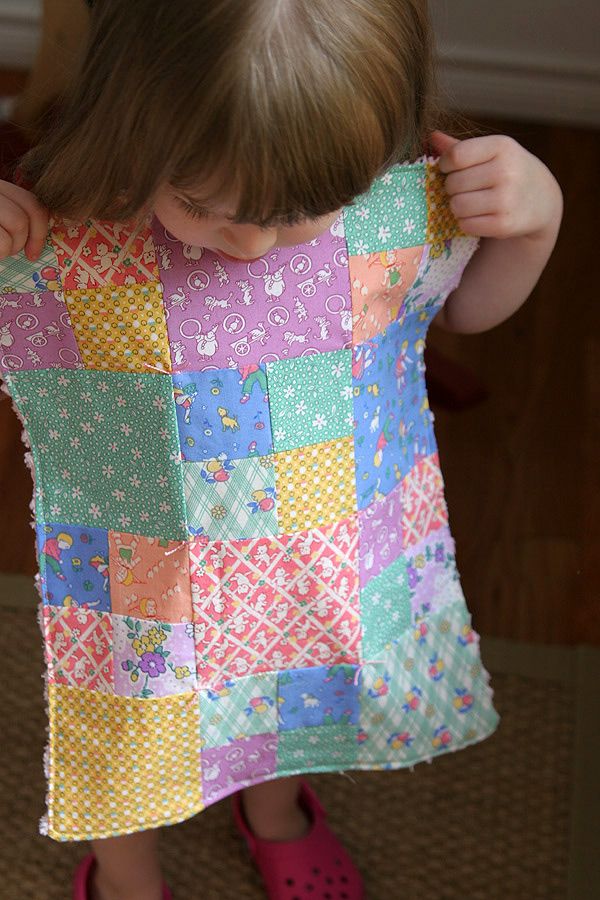
For those who prefer art over needlework, a hand-painted throw offers a modern, minimalist look. This works best on a plain white or cream cotton drop cloth or a heavy linen throw.
Creative Tips
Use fabric paint or acrylic paint mixed with a textile medium. You can create a mudcloth inspired look by painting simple black lines and triangles, or go for a watercolor effect by thinning the paint with water.
Ensure you heat-set the paint with an iron after it dries so the blanket remains washable.
6. Pom-Pom Trimmed Throw
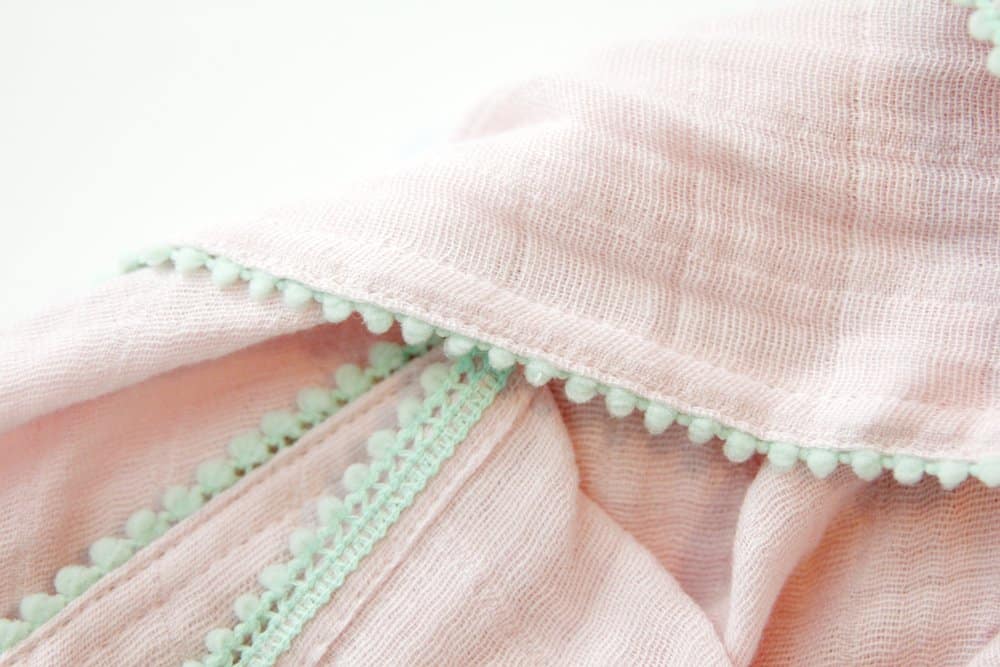
Take a plain, store-bought or simple hemmed blanket and elevate it with oversized pom-poms. This adds a playful, bohemian touch to any room.
DIY Pom-Poms
You can buy pre-made pom-pom trim, but making your own from yarn yields a much more luxurious result. Use a pom-pom maker or the fork method to create 20–30 large yarn balls.
Space them evenly along the two shorter ends of your blanket and hand-stitch them securely.
7. Tassel-Edge Herringbone Throw
Tassels provide a sophisticated, global-inspired finish. A herringbone weave fabric paired with thick, handmade tassels looks incredibly expensive but is quite simple to execute.
Making the Tassels
Wrap yarn around a piece of cardboard about 6 inches wide roughly 50 times. Tie the top, cut the bottom, and wrap a secondary piece of yarn around the neck to create the tassel head.
Attach these to the corners or every 4 inches along the edge of a woven cotton throw.
8. Velvet Ribbon Weave Blanket
For a high-texture, glamorous throw, consider a woven ribbon design. This project doesn’t require knitting or sewing, just a bit of patience.
The Process
Using wide velvet ribbons, you create a large-scale weave. Secure the ends to a felt backing or sew the perimeter to keep the ribbons in place.
The weight of the velvet makes this blanket feel like a weighted blanket, which is excellent for relaxation.
9. Upcycled Sweater Blanket
Don’t throw away those old wool sweaters that have shrunk or have small holes. Instead, felt them by washing them in hot water, then cut them into squares.
Assembly
Since felted wool doesn’t fray, you can butt the edges of the squares together and use a wide zigzag stitch or a decorative blanket stitch to join them.
The result is a heavy, warm, and eco-friendly masterpiece that carries a nostalgic charm.
10. Finger-Knit Loop Yarn Blanket
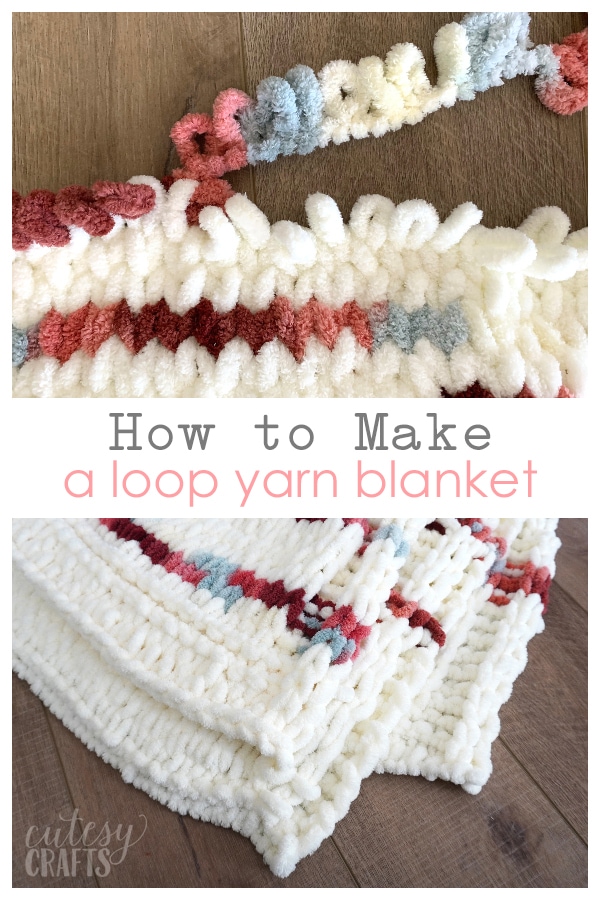
Loop yarn (like Bernat Alize Blanket-EZ) features pre-formed loops, meaning you don’t need needles or even the arm knitting technique. You simply pull one loop through another using your fingers.
Ease of Use
This is perhaps the fastest way to make a knit blanket. Because the loops are uniform, your tension will always be perfect.
It’s a great couch project to do while watching a movie.
11. Shibori Indigo Dyed Throw
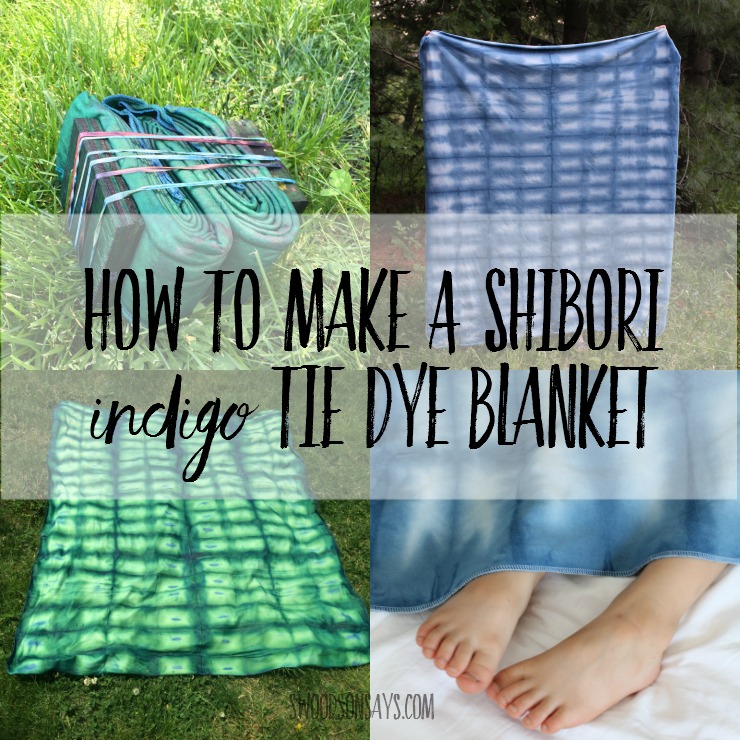
Shibori is a Japanese manual tie-dyeing technique that produces patterns on fabric. Using a natural indigo dye kit and a white cotton or muslin throw, you can create stunning, deep blue organic patterns.
Technique
Fold, twist, or bunch the fabric and bind it with rubber bands or wooden blocks before dipping it into the dye vat. The areas that are bound will remain white, creating high-contrast designs that fit perfectly in coastal or modern farmhouse interiors.
12. Chunky Tassel Knit Blanket
If you can do a basic knit stitch (garter stitch), you can make this. Use the largest knitting needles you can find (size 50 or circular needles) and super bulky yarn.
The Cozy Factor
The key to this look is the scale. By using 3 or 4 strands of yarn held together, you create a thick, squishy texture.
Finish the look by adding massive tassels to the four corners using the leftover yarn.
13. Flannel and Sherpa Reversible Throw
This is the ultimate winter cuddle blanket. One side features a classic plaid flannel, while the other is a high-pile faux Sherpa or sheepskin fabric.
Sewing Construction
Place the right sides of the flannel and Sherpa together. Sew around the perimeter, leaving a 6-inch gap.
Turn the blanket right-side out through the gap, then top-stitch around the entire edge to close the hole and give it a professional, crisp finish.
14. Macrame-Style Bohemian Throw
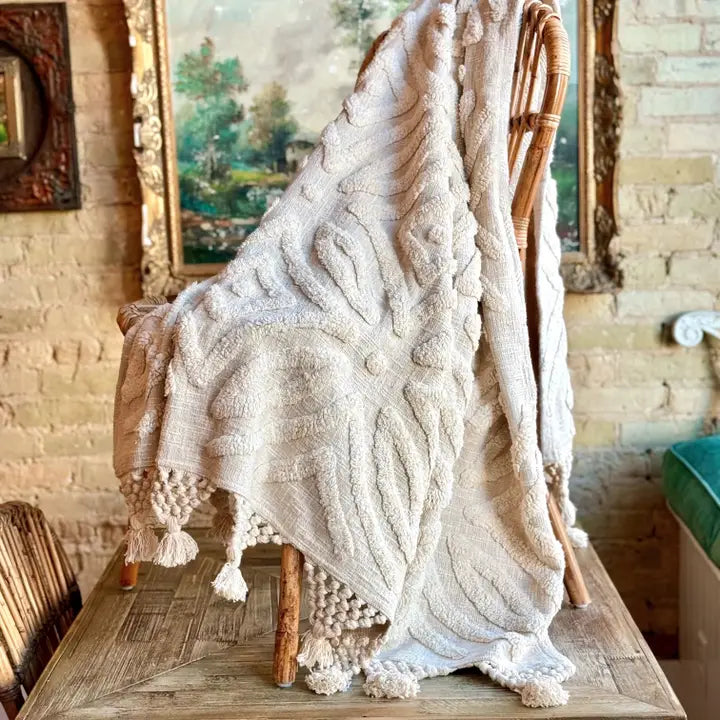
This project involves knotting rather than knitting. Using cotton rope or thick t-shirt yarn, you can create a decorative throw that is more about texture and visual interest than warmth.
Design Idea
Use the square knot or the spiral knot to create a net-like structure. This looks beautiful draped over the foot of a bed or used as a decorative layer over a solid-colored duvet.
15. Embroidered Quote Throw
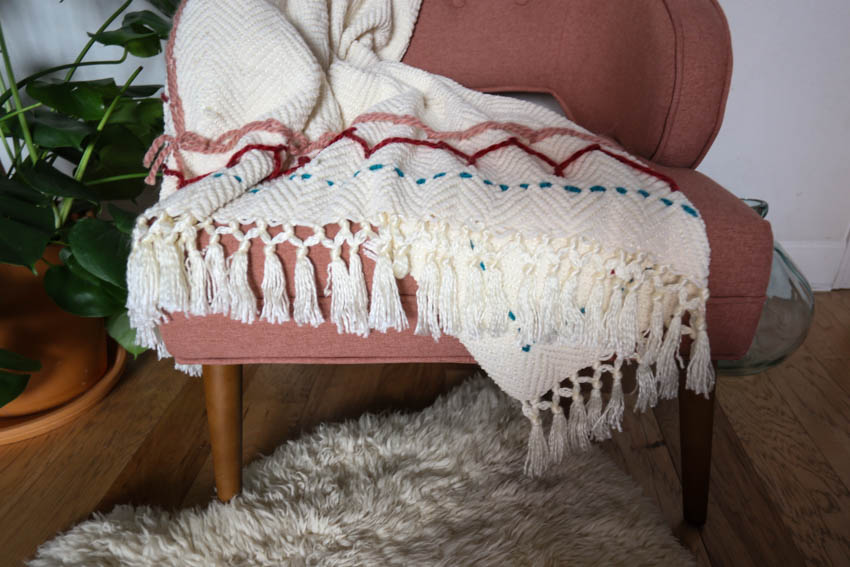
Personalize a simple linen or cotton throw by embroidering a favorite quote, family name, or botanical design in one corner.
How to Transfer
Print your design on water-soluble stabilizer, stick it to the fabric, and stitch through it using embroidery floss and a simple backstitch.
Once finished, rinse the blanket in water, and the stabilizer disappears, leaving only your beautiful hand-stitching.
Comparison of DIY Blanket Projects
| Project Style | Difficulty | Time Investment | Primary Material |
|---|---|---|---|
| Arm-Knit | Easy | 45 Minutes | Wool Roving |
| No-Sew Fleece | Very Easy | 1 Hour | Fleece Fabric |
| Patchwork Quilt | Moderate | 10+ Hours | Fabric Scraps |
| Loop Yarn | Easy | 3 Hours | Loop Yarn |
| Shibori Dye | Moderate | 4 Hours | Cotton & Indigo |
| Embroidered | Moderate | 5+ Hours | Embroidery Floss |
Tips for Success with DIY Blankets
- Pre-Wash Your Fabrics: If you are sewing with cotton, flannel, or linen, always wash and dry the fabric before starting. These materials shrink, and you don’t want your beautiful stitches to pucker after the first wash.
- Invest in Good Scissors: Cutting through multiple layers of fleece or thick wool requires sharp fabric shears. It will save your hands from fatigue.
- Check Yarn Dye Lots: If your project requires multiple skeins of yarn, ensure the dye lot numbers on the labels match. Even a slight variation in shade can be noticeable in a large project like a blanket.
- Weight Matters: Consider the climate. A chunky wool blanket is stunning but may be too hot for southern summers. For year-round use, cotton or light acrylic blends are best.
FAQ
Q: What is the best fabric for a beginner’s first DIY blanket?
A: Anti-pill fleece is the best choice for beginners. It doesn’t fray when cut, meaning you don’t have to hem the edges, and it’s very forgiving to work with.
Q: How much yarn do I need for a standard throw blanket?
A: For a standard 50″ x 60″ throw, you will typically need about 1,500 to 2,000 yards of medium-weight yarn, or about 4–6 pounds of super bulky wool roving for arm knitting.
Q: Can I wash a DIY chunky wool blanket?
A: Most arm-knit wool blankets are made from unspun roving, which can pill or felt if agitated. It is best to spot clean or dry clean these. If you want a washable version, look for tubular yarn or chenille-style chunky yarn.
Q: Do I need a sewing machine to make a quilt?
A: While a sewing machine makes the process much faster, you can absolutely hand-sew a patchwork quilt using a simple running stitch or a English Paper Piecing technique.
Conclusion
Creating your own throw blanket is more than just a craft project; it’s an investment in your home’s comfort. Whether you choose the rapid gratification of a no-sew fleece tie blanket or the intricate labor of a hand-stitched patchwork quilt, the result is a one-of-a-kind piece that reflects your personal style.
These 15 ideas offer a range of textures and techniques to suit any skill level. So, grab your materials, find a comfortable spot to work, and start crafting your way to a cozier home today.
Leave a Reply