Crocheting amigurumi—the Japanese art of knitting or crocheting small, stuffed yarn creatures—is one of the most rewarding ways to dive into the world of fiber arts.
Whether you are looking to create handmade gifts for children or high-end decor for a nursery, these 12 popular crochet animal patterns offer a perfect blend of simplicity and charm.
From the no-sew whale for beginners to the detailed textures of a forest fox, these patterns utilize fundamental stitches like the magic ring, single crochet, and invisible decrease to bring personality to life.
Essential Tools and Materials for Crochet Animals
Before starting your amigurumi journey, it is vital to have the right supplies.
Unlike traditional crochet projects like blankets or scarves, amigurumi requires a tighter tension to ensure the stuffing doesn’t peek through the stitches.
| Tool | Recommended Type | Purpose |
|---|---|---|
| Yarn | Cotton or Acrylic (DK/Worsted) | Provides structure and stitch definition. |
| Hook | 2.5mm to 3.5mm | Smaller than recommended on yarn label for tight tension. |
| Safety Eyes | 6mm to 12mm | Gives the animal a professional, store-bought look. |
| Stuffing | Polyester Fiberfill | Lightweight and washable filling. |
| Stitch Markers | Locking plastic markers | Essential for tracking rounds in a continuous spiral. |
1. The Classic Amigurumi Teddy Bear
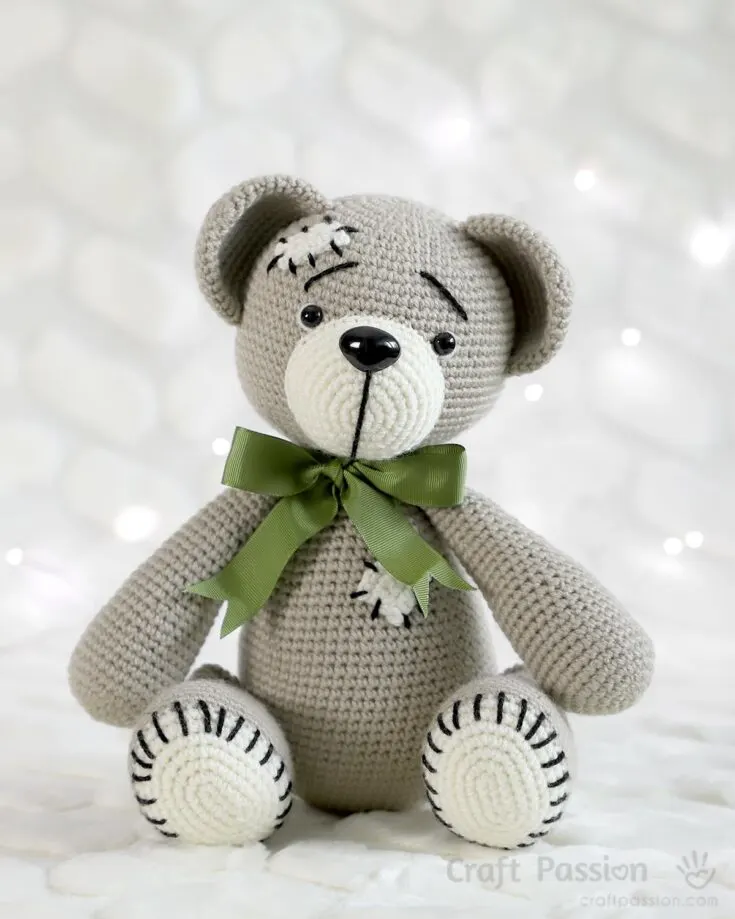
The classic teddy bear is the cornerstone of crochet animal patterns. It is typically constructed using six basic parts: the head, body, two arms, and two legs.
This pattern is ideal for learning how to shape spheres and cylinders. To achieve a high-authority finish, use a fuzzy yarn or brushed acrylic to mimic real fur.
Why it’s popular: It is a timeless gift and highly customizable. You can change the size by simply switching the yarn weight from lace to jumbo.
Key Technique: Working in continuous rounds and practicing invisible decreases to keep the surface smooth.
2. The Beginner-Friendly Chubby Bee
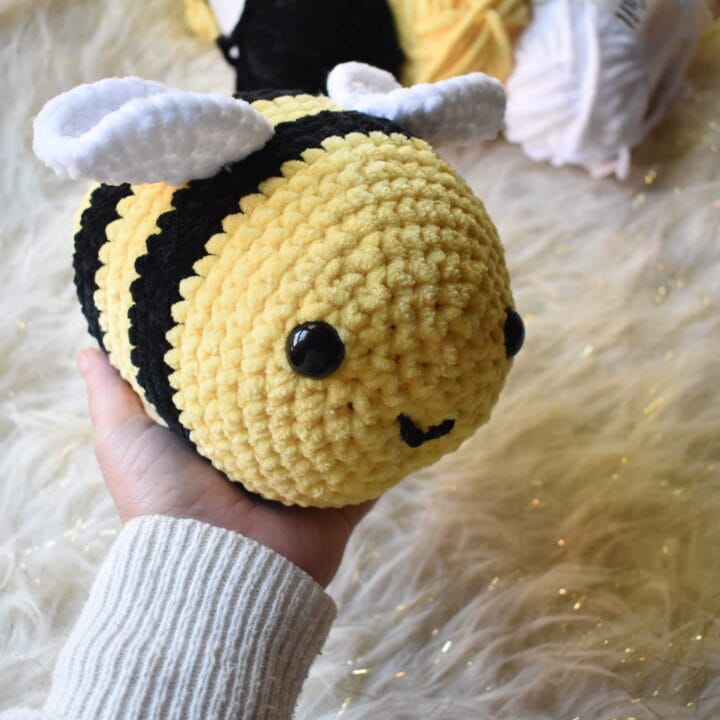
If you have never made an animal before, the chubby bee is the best place to start. It is essentially an oval with wings.
Because it uses bold color changes (yellow and black), it teaches beginners how to switch yarn colors cleanly without creating staircase transitions.
Why it’s popular: It’s a scrap-buster project that takes less than an hour to complete.
Pro Tip: Use velvet or chenille yarn to make the bee extra squishy and kawaii (cute).
3. The Graceful No-Sew Whale
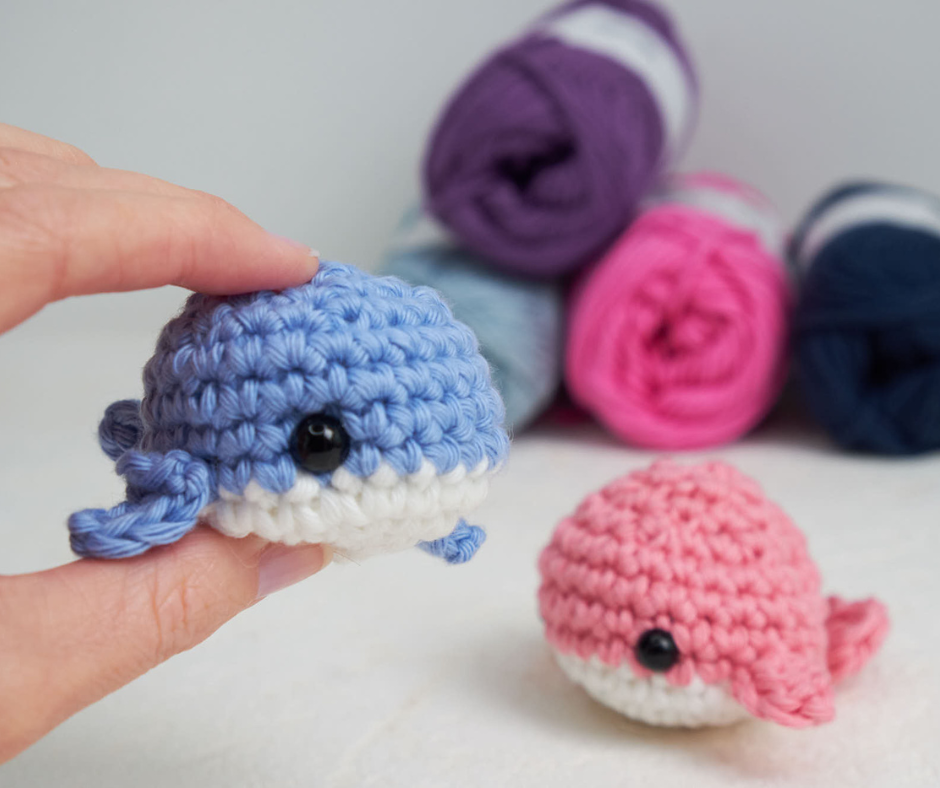
Sewing parts together is often the most difficult part of amigurumi. The whale pattern is popular because many versions are no-sew.
The fins and tail are worked directly into the body using puff stitches or increases, making it a seamless project.
Why it’s popular: It’s fast, satisfying, and perfect for craft fairs where you need to produce high volumes of stock.
Key Technique: Utilizing the front loop only (FLO) stitch to create the flat bottom of the whale.
4. The Long-Necked Giraffe
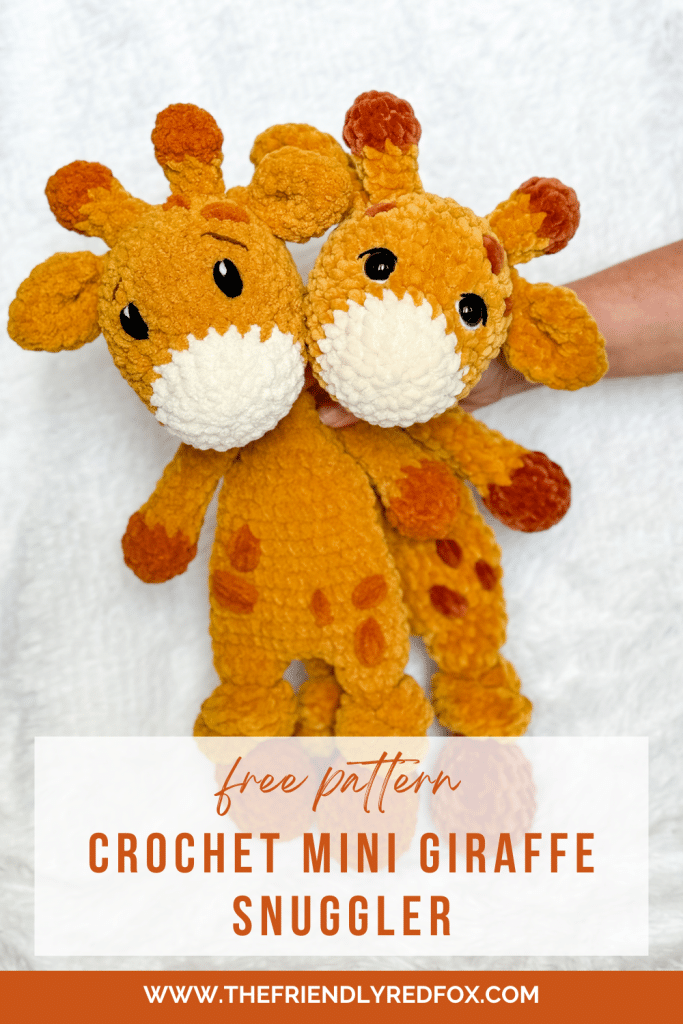
The giraffe pattern introduces the concept of structural integrity. Because of the long neck, you’ll learn how to stuff firmly enough to support the head without making the toy too stiff.
This pattern often involves tapestry crochet techniques if you decide to crochet the spots rather than felt them on later.
Why it’s popular: It serves as a stunning nursery decor piece.
Pro Tip: Use a pipe cleaner or a thick piece of foam inside the neck for added stability if the toy is for display.
5. The Sleepy Sloth
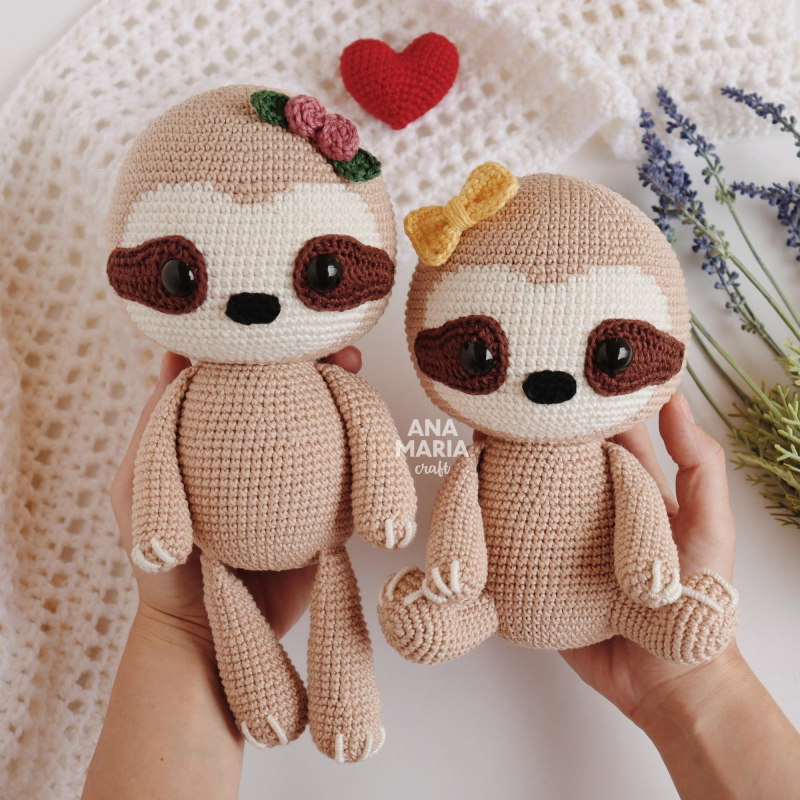
The sloth pattern focuses on personality and expression. Most sloth patterns use a separate faceplate (usually in a lighter cream color) that is sewn onto the head.
This teaches the maker how to align features symmetrically.
Why it’s popular: Sloths are a massive trend in home decor, symbolizing a slow living lifestyle.
Key Technique: Long-stitch embroidery for the characteristic eye masks.
6. The Tiny Turtle (Memory Game Style)
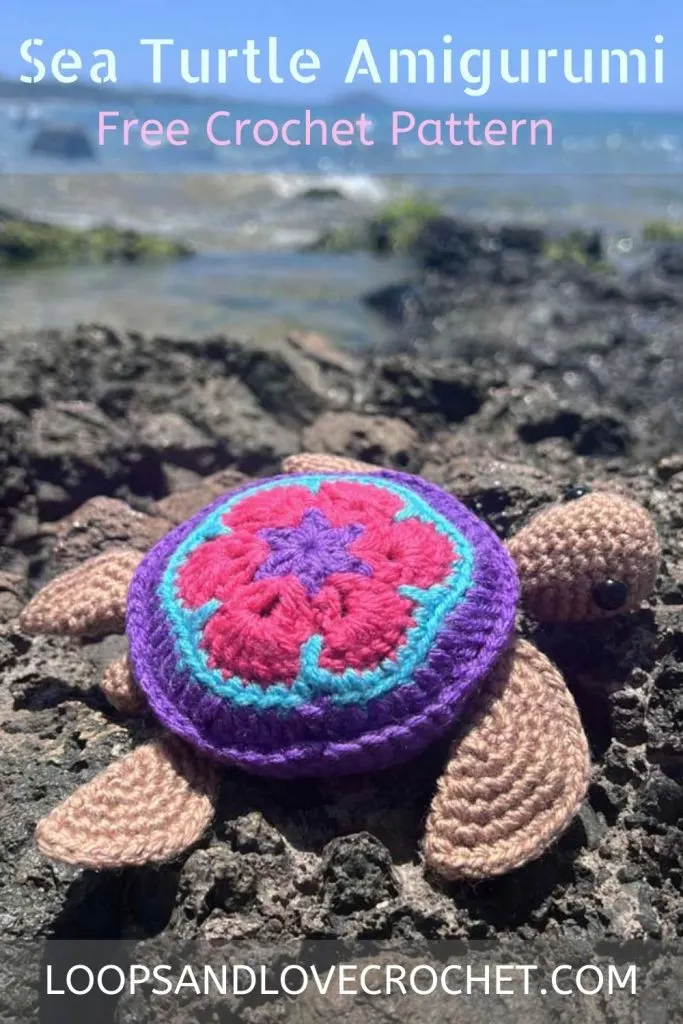
Turtles are a favorite because the shell provides an opportunity to experiment with African Flower motifs or complex colorwork.
Many modern patterns feature a removable shell, which transforms the toy into an educational tool for children.
Why it’s popular: The contrast between the textured shell and the smooth green limbs is visually striking.
Key Technique: Changing colors at the end of the round to create a distinct border for the shell.
7. The Majestic Unicorn
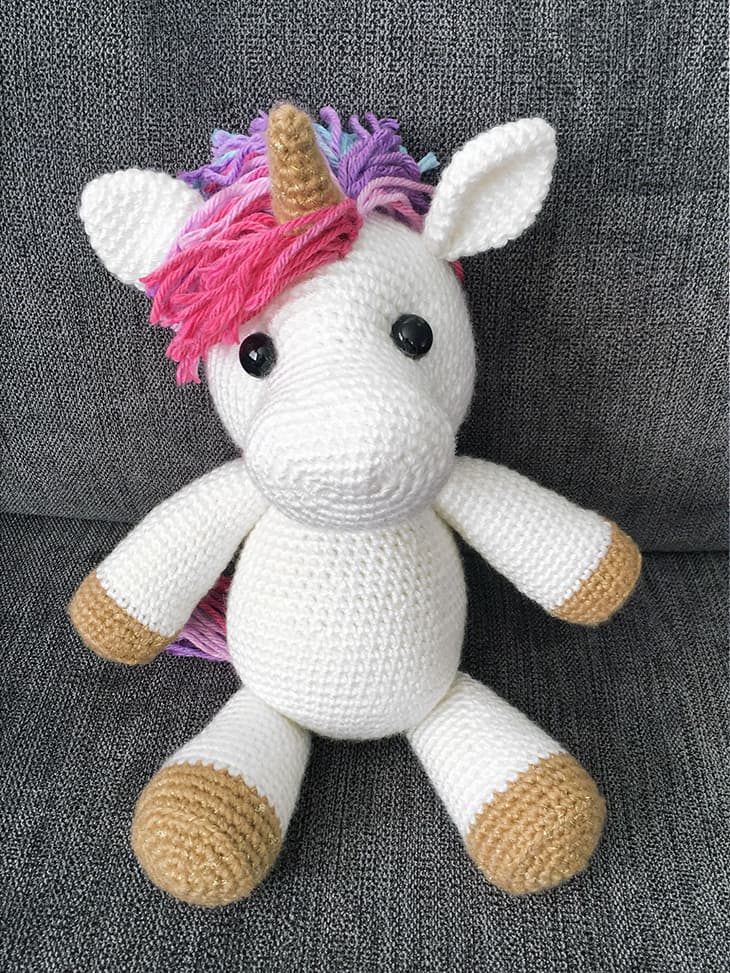
The unicorn is an advanced-beginner pattern that introduces loop stitches or spiral curls for the mane and tail.
This project is all about the details—the golden horn, the blushing cheeks, and the flowing hair.
Why it’s popular: It allows for maximum creativity with unicorn color palettes (pastels and sparkles).
Pro Tip: Use embroidery thread for the eyelashes to give the unicorn a whimsical, high-end look.
8. The Playful Woodland Fox

A woodland fox pattern is excellent for practicing sharp color transitions and pointed shapes (ears and tail).
To get the fox look, you must master the transition from orange to white on the tip of the tail and the snout.
Why it’s popular: It fits perfectly into the Woodland Nursery theme which has dominated interior design for years.
Key Technique: Using invisible joins when finishing the ears to ensure they stand upright.
9. The Cuddly Bunny with Floppy Ears
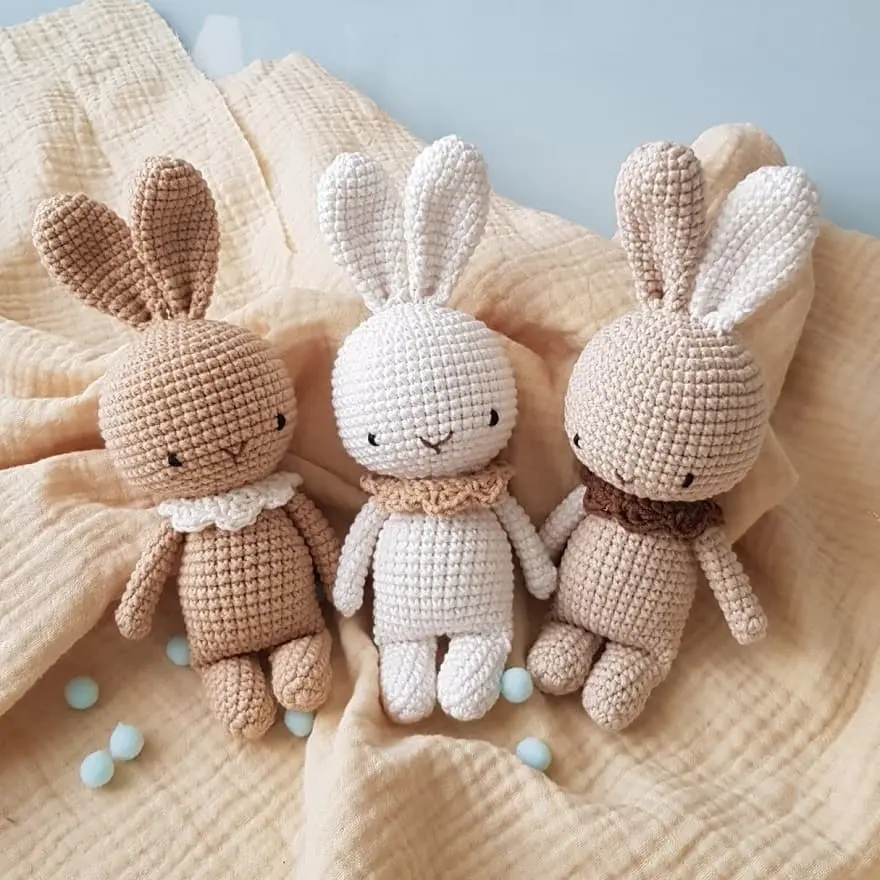
The bunny pattern is all about the ears. Whether you choose long, drooping ears or short, upright ones, this project teaches you how to sew flat pieces onto a rounded surface.
It is also the perfect candidate for Bernat Blanket yarn to create a jumbo-sized plushie.
Why it’s popular: It is the ultimate Easter craft and a staple for baby showers.
Pro Tip: Add a small amount of plastic pellets (in a secure pouch) at the bottom of the body to help the bunny sit upright on a shelf.
10. The Friendly Dinosaur (T-Rex or Triceratops)
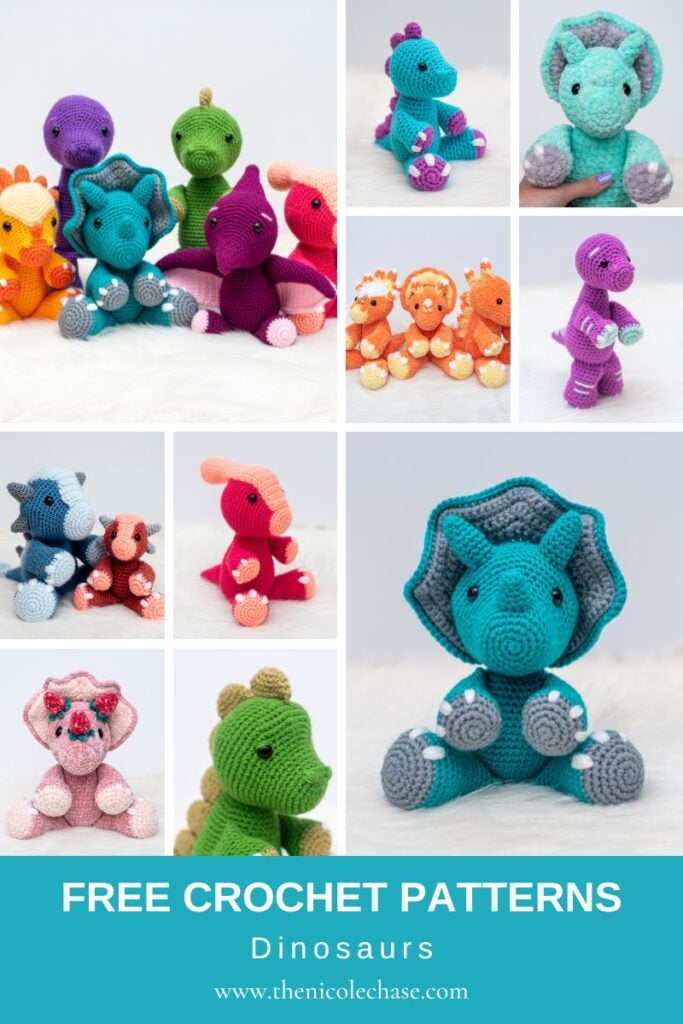
Dinosaur patterns are fantastic for learning how to create spikes and horns. These are usually made using the picot stitch or small cones.
Shaping the legs to look sturdy enough to hold a heavy prehistoric body is a great lesson in amigurumi proportions.
Why it’s popular: They appeal to all ages and gender-neutral nursery themes.
Key Technique: Working in the back loops only (BLO) to create ridges along the dinosaur’s back.
11. The Wise Mini Owl
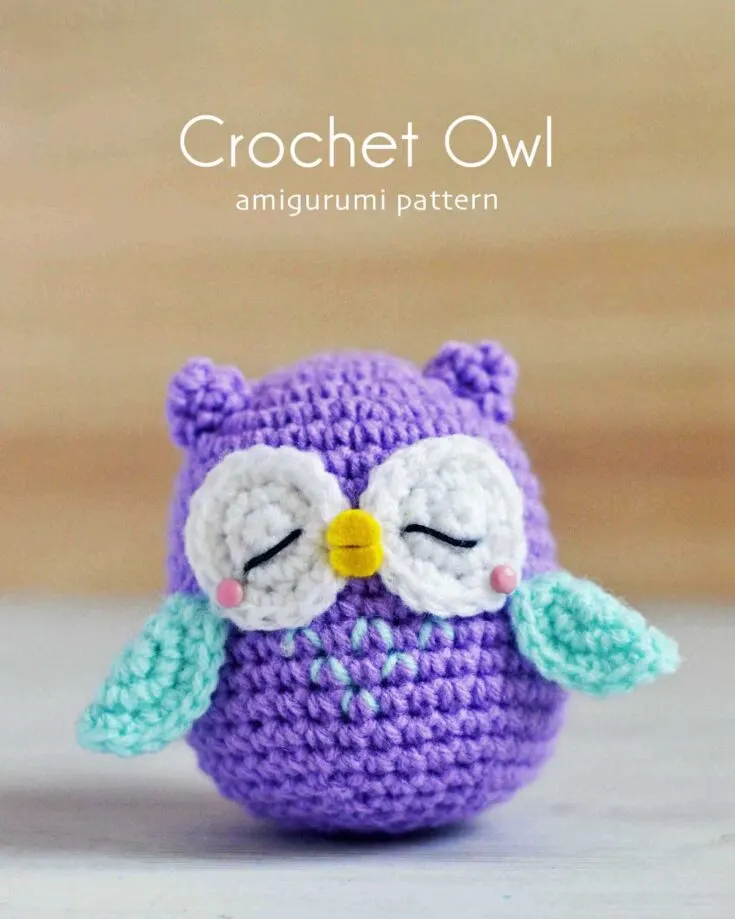
Owls are often worked from the bottom up as one single piece, with the ears formed by the corners of the head.
This pattern is excellent for practicing the crocodile stitch or bobble stitch to represent feathers.
Why it’s popular: Their large eyes make them instantly cute, and they are small enough to be used as keychains.
Key Technique: Surface crochet to add wing details after the main body is stuffed and closed.
12. The Little Elephant with a Trunk
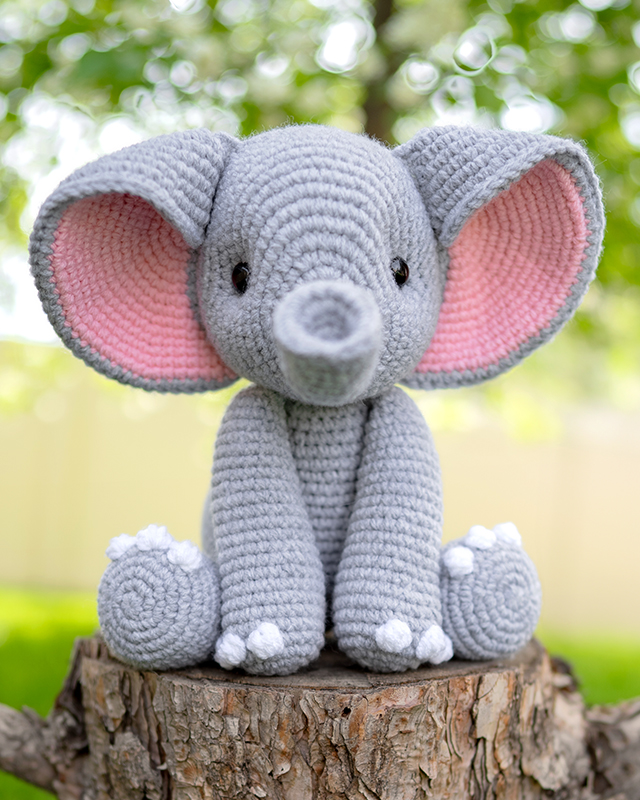
The elephant is perhaps the most technical of the 12 because of the trunk. The trunk requires precise increasing and decreasing to create a natural curve.
Additionally, the large, flat ears require a steady hand to ensure they are identical.
Why it’s popular: The elephant is a symbol of luck and wisdom, making it a high-authority gift for new parents.
Pro Tip: Sew the ears slightly curved rather than flat to give them a more realistic, three-dimensional appearance.
Technical Tips for Success
To ensure your crochet animals look professional and hold up over time, follow these industry-standard tips:
-
✓
The Under Yarn Over: Many amigurumi experts use the yarn under (YU) technique instead of yarn over (YO). This creates a X shaped stitch instead of a V, resulting in a tighter, denser fabric that prevents stuffing from showing. -
✓
Invisible Decrease (InvDec): Instead of a standard single crochet two together (sc2tog), insert your hook into the front loops of the next two stitches only. This creates a decrease that is nearly impossible to see. -
✓
Stuffing as You Go: Don’t wait until the animal is finished to stuff it. Stuffing the limbs and body when you are about 75% finished allows you to reach the narrow crevices more easily. -
✓
Facial Symmetry: Use pins to mark where you want the eyes and nose to go before committing to safety eyes or embroidery. Even a one-stitch difference can change the entire mood of the animal.
Frequently Asked Questions (FAQ)
What is the best yarn for crochet animals?
For beginners, a 100% cotton yarn or a cotton-acrylic blend is best.
Cotton has very little halo (fuzziness), which makes your stitches very clear and easy to count. For a soft, plush feel, Chenille or Velvet yarn is popular, but it can be harder to see the stitches.
Are safety eyes really safe for babies?
While they are called safety eyes, they can become a choking hazard if they snap or if the fabric stretches enough for them to pull through.
For toys intended for infants under 3 years old, it is highly recommended to embroider the eyes with black yarn or embroidery floss instead.
Why does my amigurumi have holes in it?
Holes are usually caused by one of two things: using a hook that is too large for your yarn, or not tensioning your decreases tightly enough.
Try dropping down a half-millimeter hook size to close those gaps.
How do I wash crochet animals?
If you used acrylic or cotton yarn and polyester fiberfill, you can usually machine wash them on a delicate cycle inside a pillowcase.
Always air dry them to prevent the stuffing from clumping or the yarn from melting in high heat.
Conclusion
Crocheting animals is a journey of turning a simple string of yarn into a character with a soul.
By starting with these 12 popular patterns, you build a foundational skill set that ranges from basic spheres to complex anatomical shaping.
Whether you start with the one-hour Chubby Bee or challenge yourself with the structural Long-Necked Giraffe, the key is consistency and tension.
As you master these patterns, you’ll find that the world of amigurumi is limited only by your imagination. Grab your hook, choose your favorite animal, and start your next heirloom project today.
Leave a Reply