Crochet rugs are a fantastic way to introduce texture, warmth, and a personalized artisanal touch to any room in your home.
Unlike mass-produced floor coverings, a DIY crochet rug allows you to customize the size, color palette, and material to perfectly match your interior design.
Whether you are aiming for a rustic farmhouse vibe, a sleek modern aesthetic, or a cozy bohemian sanctuary, a handmade rug fits right in.
By using durable materials like T-shirt yarn, cotton cord, or even recycled fabric scraps, you can create functional art that stands up to daily foot traffic while being easily washable.
1. The Classic Giant Doily Rug
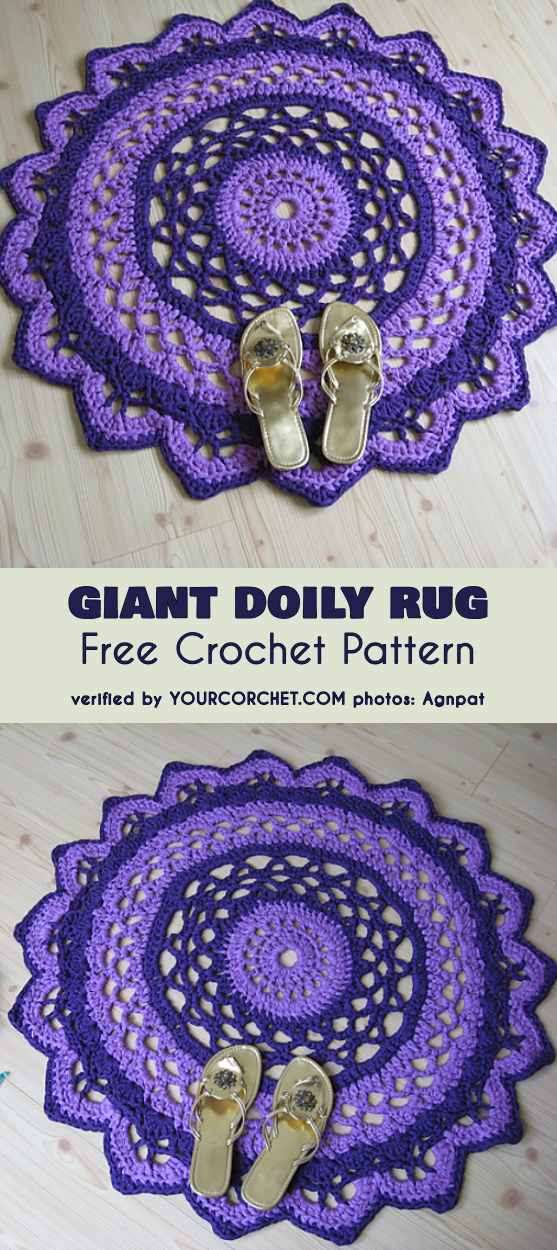
The giant doily rug is perhaps the most iconic crochet floor covering.
It takes the delicate, intricate patterns of a traditional tabletop doily and scales them up using bulky yarn or cotton cord.
This project is ideal for living rooms or bedrooms where you want a focal point that feels both vintage and sophisticated.
- Best Materials: 5mm or 9mm cotton cord.
- Skill Level: Intermediate (requires knowledge of increasing and decorative stitches like pineapples or shells).
- Why it works: The openwork lace design allows the floor underneath to peek through, making the room feel airy rather than cluttered.
2. Sturdy T-Shirt Yarn Rectangle Rug
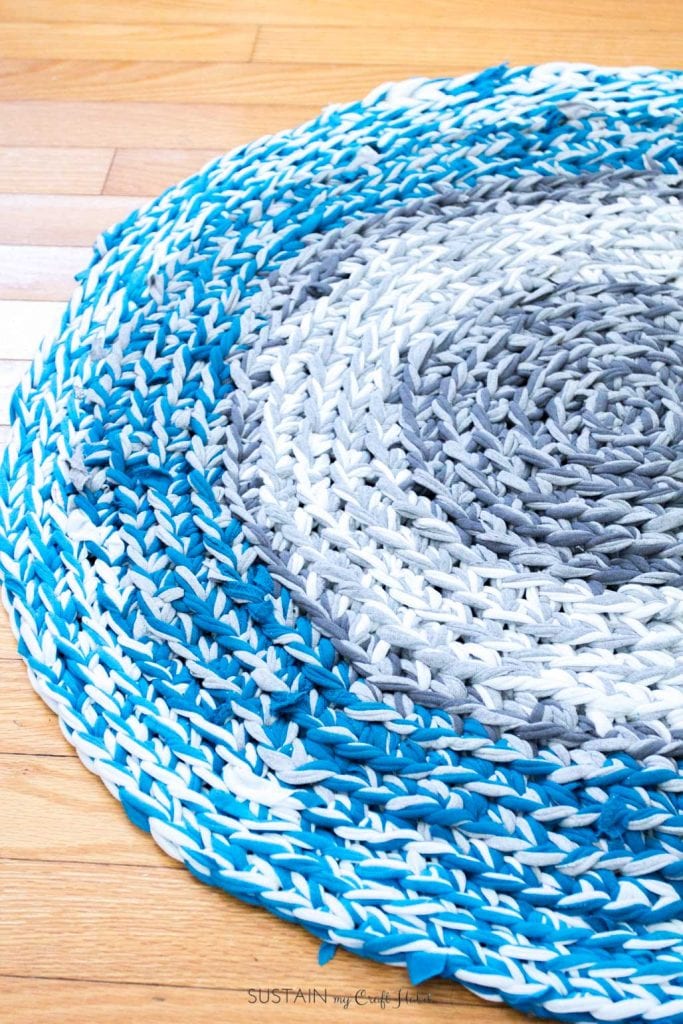
If you are looking for a project that prioritizes durability and sustainability, the T-shirt yarn rectangle rug is the gold standard.
T-shirt yarn (often called tarn) is slightly elastic and very thick, which creates a cushioned surface that feels wonderful underfoot.
- Upcycling Tip: You can make your own yarn by cutting old 100% cotton jerseys into continuous strips.
- Construction: Use a simple Half Double Crochet (HDC) or Moss Stitch to create a dense, flat fabric that won’t curl at the corners.
- Perfect For: High-traffic areas like hallways or the kitchen.
3. Boho Mandala Floor Rug
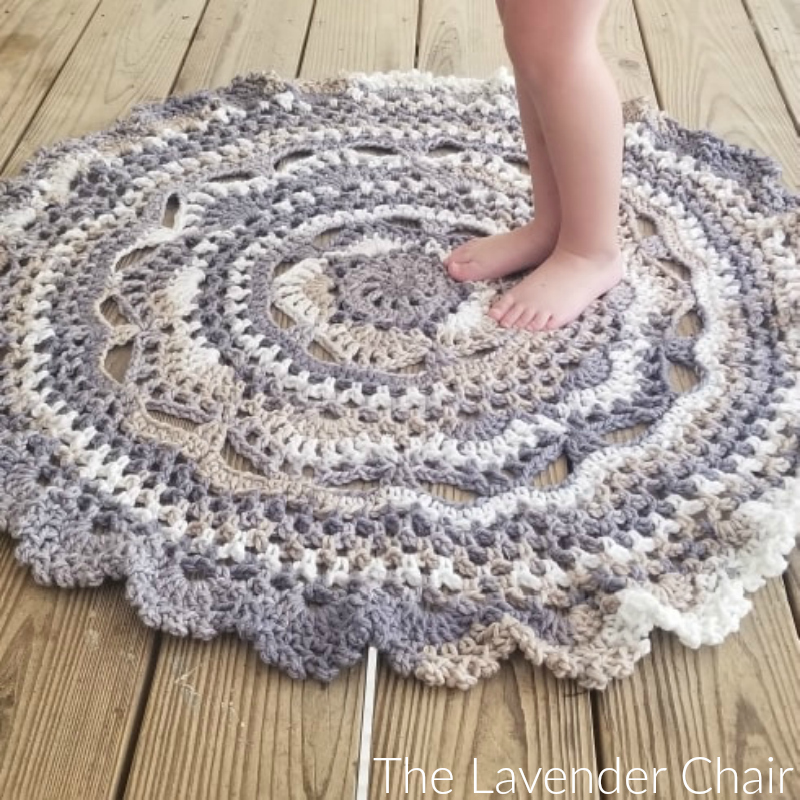
Mandala rugs are a celebration of color and geometry.
These rugs are worked in the round, often changing colors every few rows to create a vibrant, pulsating effect.
They are excellent for using up small amounts of leftover yarn from other projects.
- Design Element: Incorporate post stitches (Front Post Double Crochet) to create ribs that radiate from the center, adding a 3D structural element.
- Styling: Place a mandala rug under a round coffee table or in a reading nook to define the space.
4. Modern Geometric Hexagon Rug
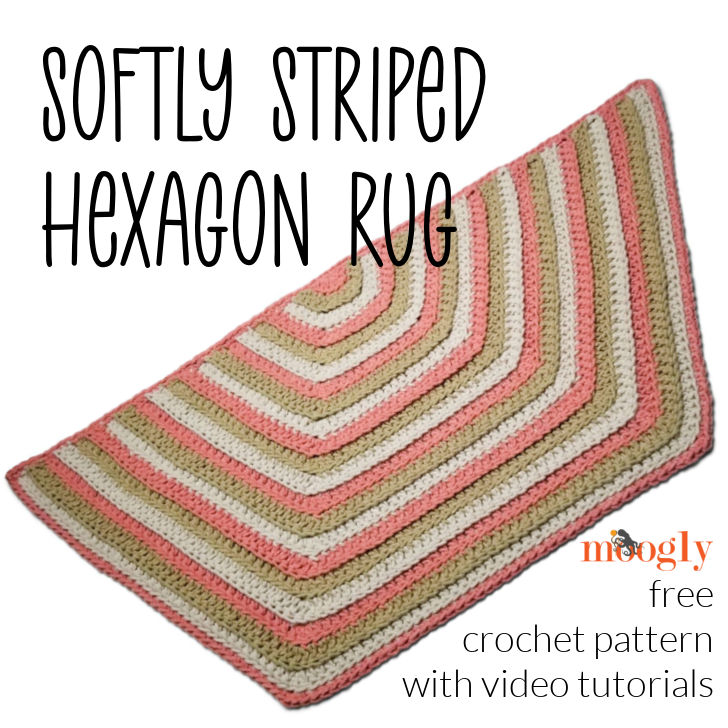
Modular crochet is a great way to manage a large project.
Instead of crocheting one massive piece, you create several smaller hexagons and join them together.
This allows you to play with color blocking or create a honeycomb effect.
- Customization: You can keep adding hexagons over time if you decide you want a larger rug.
- Joining Method: Use the invisible join or a slip stitch join on the back to keep the surface flat and professional.
5. Cozy Chunky Wool Cloud Rug
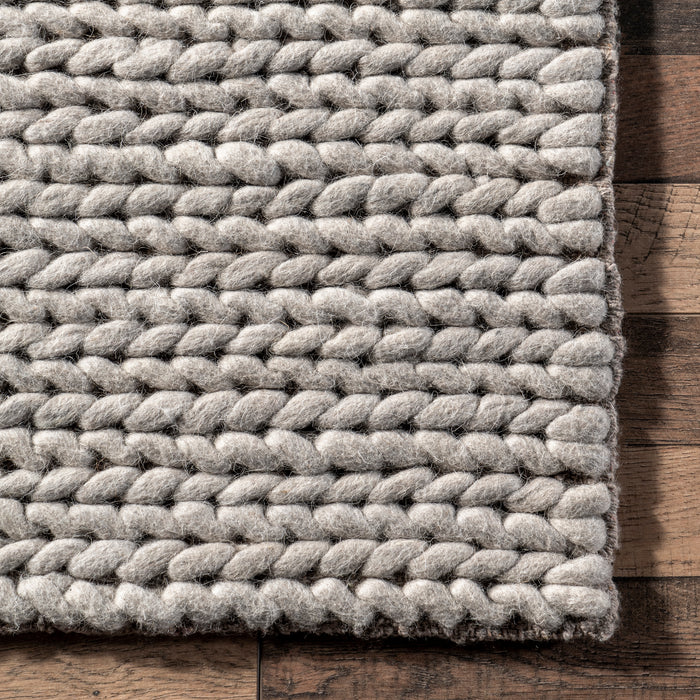
For ultimate luxury, nothing beats a rug made from unspun wool roving or jumbo weight yarn.
These rugs are often called cloud rugs because of their extreme softness and loft.
- Tools: You will likely need a 25mm or 30mm crochet hook, or you can even use your hands (arm crochet).
- Maintenance Note: While beautiful, these are best suited for low-traffic areas like a nursery or beside a bed, as wool roving can pill over time.
6. Outdoor Rope Welcome Mat
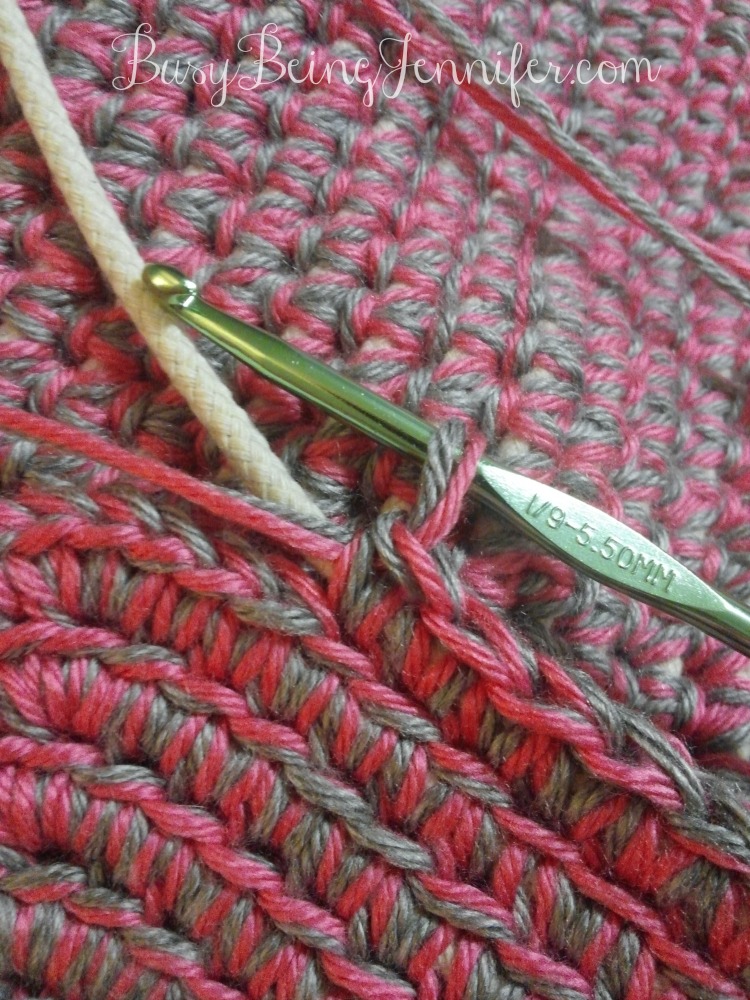
Crochet isn’t just for indoors.
By using utility rope, sisal, or jute, you can create a rugged, weather-resistant welcome mat for your porch or mudroom.
- Technique: Use a large plastic hook and a simple Single Crochet (SC) stitch. Because rope is stiff, keep your tension loose to avoid hand fatigue.
- Durability: Jute is naturally mold-resistant and incredibly tough, making it the perfect scrubber for dirty shoes.
7. Scrap Yarn “Scrappy” Circular Rug
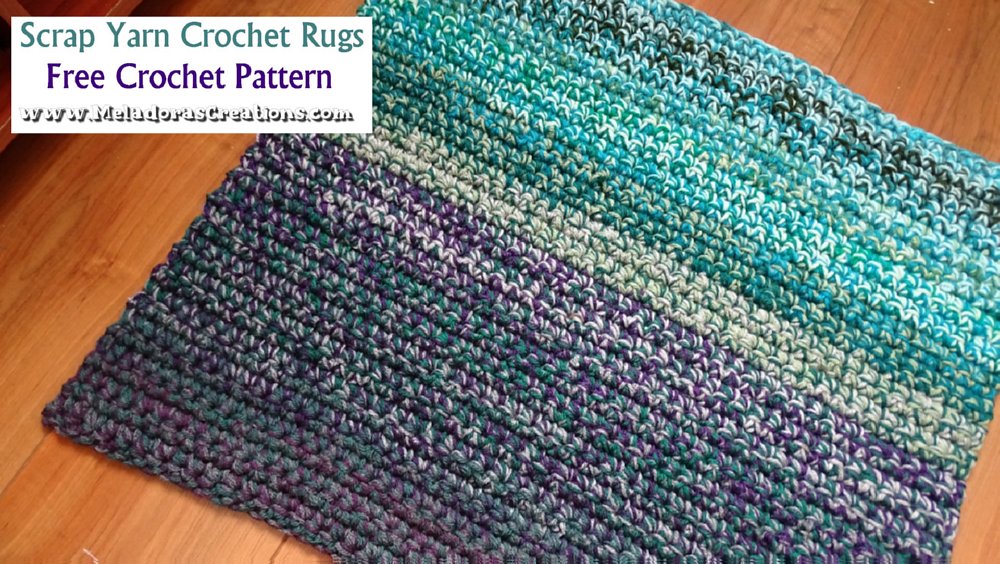
This is the ultimate eco-friendly project.
By holding multiple strands of scrap yarn together (3 to 5 strands at once), you create a variegated, marled look that is thick and sturdy.
- The Magic Knot: Use the magic knot technique to join different yarn scraps so you don’t have to weave in hundreds of ends.
- Visual Appeal: The random color changes create a unique, painterly texture that hides dirt and wear exceptionally well.
8. Elegant Tunisian Crochet Runner
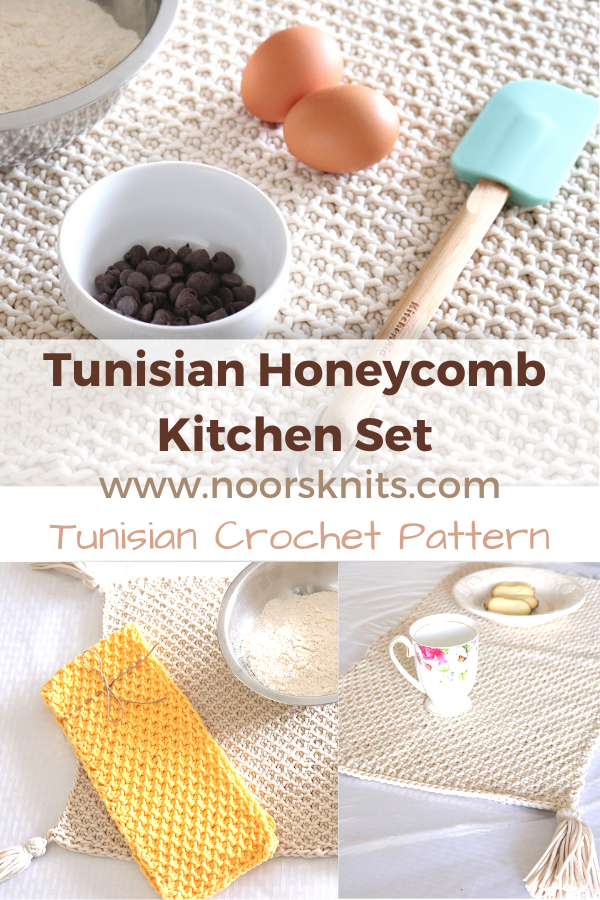
Tunisian crochet (also known as Afghan crochet) produces a fabric that looks more like weaving than traditional crochet.
It is much denser and has less stretch, which is exactly what you want in a long hallway runner.
- Stitch Choice: The Tunisian Simple Stitch (TSS) creates a grid-like pattern that is perfect for cross-stitching designs onto later if you want to add embroidery.
- Stability: This style of rug lays very flat and is less likely to bunch up underfoot.
9. Nursery Animal Face Rug
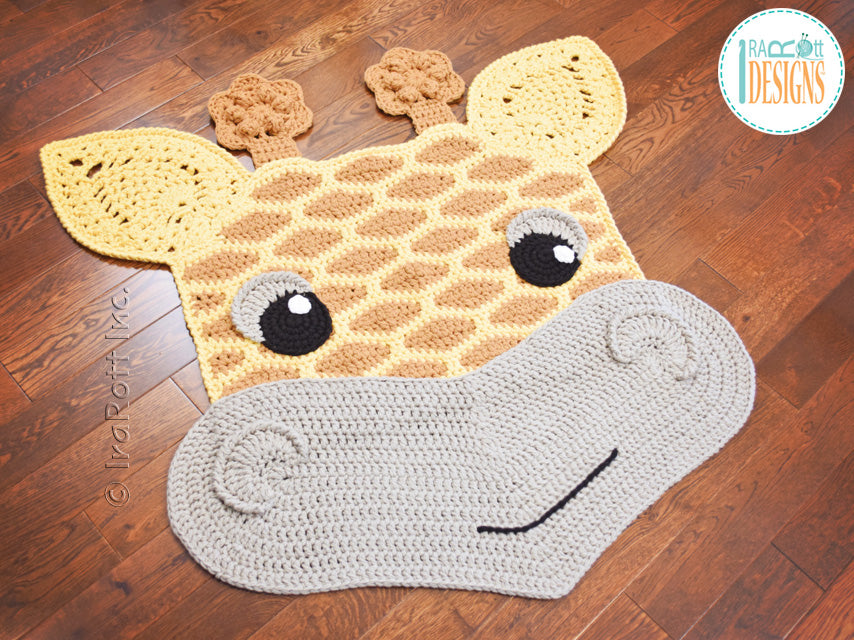
Create a whimsical atmosphere in a child’s room with an animal-themed rug.
Start with a basic large circle for the face and add crocheted ears, eyes, and a muzzle.
- Popular Designs: Bears, foxes, owls, and lions are the easiest to translate into crochet shapes.
- Safety Tip: Always apply a non-slip backing or rug spray to the bottom of nursery rugs to prevent sliding on hardwood floors.
10. Farmhouse Braided Look Crochet Rug
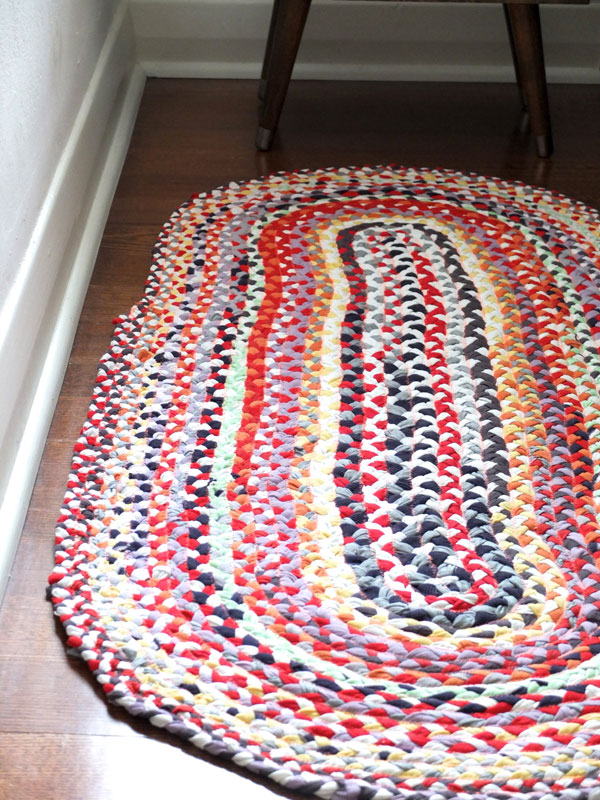
Traditional braided rugs are made by sewing strips of fabric together.
You can mimic this look with crochet by working in long, narrow strips of different colors and then weaving or slip-stitching them together in a spiral.
- Aesthetic: This style perfectly complements shabby chic or farmhouse decor.
- Texture: The resulting rug is very thick and provides excellent insulation against cold floors.
11. Textured Bobble Stitch Bath Mat
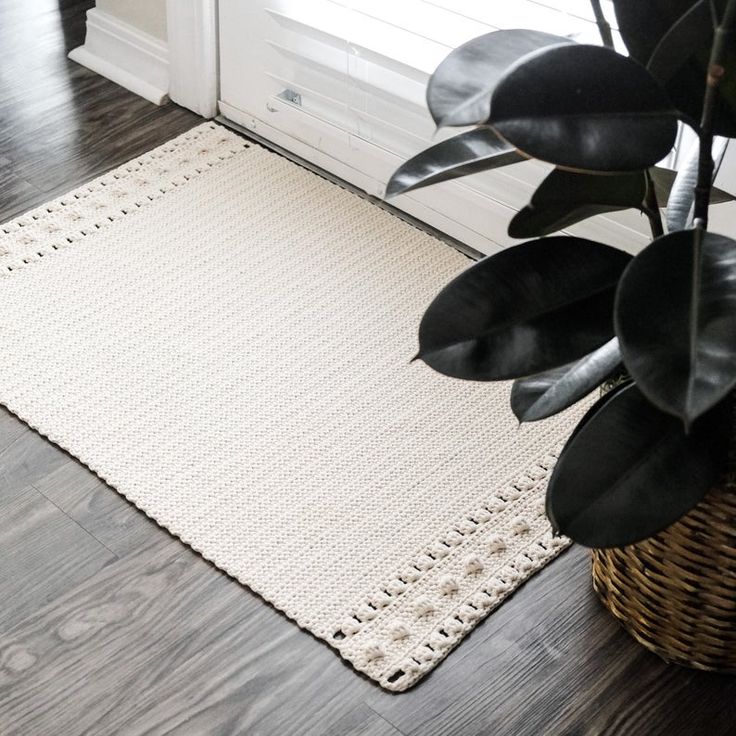
The bobble stitch (or popcorn stitch) creates raised bubbles of yarn.
When used for a rug, these bobbles act as a built-in foot massager.
- Material: Use 100% cotton yarn for bath mats because it is highly absorbent and can be bleached or washed at high temperatures.
- Comfort: The raised texture increases the surface area, meaning the rug dries faster than a flat-stitch mat.
12. Victorian Lace Oval Rug
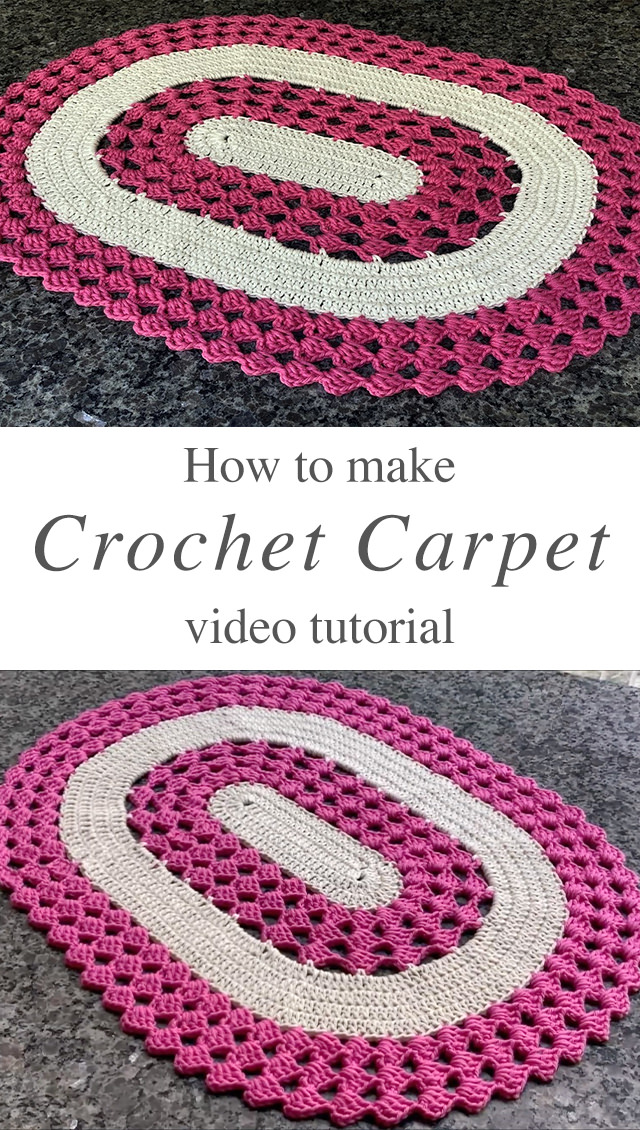
Oval rugs are a sophisticated alternative to rectangles and circles.
A Victorian-style oval rug often features pineapple motifs or scalloped edges.
- Sizing: The beauty of an oval rug is that it can fit into narrow spaces (like the foot of a bed) while still providing a large surface area.
- Color Palette: Stick to neutrals like cream, linen, or slate gray to emphasize the intricate stitch work.
Choosing the Right Material for Your Rug
Selecting the right yarn is the difference between a rug that lasts a decade and one that falls apart in a month.
Use the table below to guide your selection.
| Material | Best For | Pros | Cons |
|---|---|---|---|
| T-Shirt Yarn | Kitchen, Entryway | Eco-friendly, washable, very soft | Can be heavy and slow to dry |
| Cotton Cord | Living Room, Bedroom | Holds shape perfectly, professional look | Expensive for large projects |
| Jute / Sisal | Mudroom, Outdoors | Extremely durable, dirt-resistant | Rough on hands while crocheting |
| Acrylic (Multi-strand) | Playrooms | Budget-friendly, endless colors | Can be slippery; may pill |
| Wool Roving | Low-traffic areas | High-end luxury, very warm | Difficult to clean; expensive |
Essential Tips for Crochet Rug Success
- Use a Larger Hook: Even if the yarn label suggests a certain size, go up 1-2mm. Rugs need to be slightly loose so they lay flat; tight tension often causes the edges to curl upward.
- Non-Slip Backing is Non-Negotiable: Crochet rugs are notorious for sliding on tile or wood. Use a silicone-based rug grip spray or sew a piece of non-slip mesh to the bottom.
- Check for Waves: If your rug starts looking like a wavy bowl, you have too many stitches. If it starts curling inward like a hat, you don’t have enough increases. Lay your work flat on the floor every few rows to check the geometry.
- Weight Matters: A rug needs weight to stay in place. Holding two or three strands of yarn together not only speeds up the process but adds the necessary heft for a floor covering.
FAQ
Q: Can I wash a crochet rug in the machine?
A: It depends on the material. Cotton, T-shirt yarn, and acrylic rugs can usually be washed on a delicate cycle. However, jute and wool roving should only be spot-cleaned or professionally cleaned.
Q: How do I stop the edges of my rug from curling?
A: Curling is usually caused by tension that is too tight. You can block your rug by wetting it slightly and pinning it flat to the floor/mat until it dries. If it still curls, you may need to add more increase stitches in the corners or outer rounds.
Q: How much yarn do I need for a standard 3×5 rug?
A: Rugs consume a lot of yarn. For a medium-weight cord, you may need between 1,500 to 2,500 yards depending on the complexity of the stitch. Always buy an extra skein to ensure the dye lots match.
Conclusion
Crocheting a rug is a rewarding slow-decor project that combines utility with artistic expression.
Whether you are upcycling old textiles into a rugged kitchen mat or crafting a delicate lace showpiece for your bedroom, the key to success lies in choosing the right material for the room’s traffic level.
By following these 12 patterns and styles, you can create a custom piece of home decor that is as durable as it is beautiful.
Grab your jumbo hook, select your favorite texture, and start building your home’s comfort from the ground up.
Leave a Reply