
Sewing your own diaper bag is one of the most rewarding projects for an expectant parent or a thoughtful gift-giver.
Unlike mass-produced retail options, a DIY diaper bag allows you to customize every pocket, choose durable fabrics that match your personal style, and ensure the construction stands up to the rigors of daily use.
Whether you are looking for a high-capacity backpack for long outings or a minimalist clutch for quick errands, selecting the right sewing pattern is the first step toward creating a functional masterpiece.
The following guide explores ten practical diaper bag sewing patterns, ranging from beginner-friendly totes to complex multi-compartment organizers.
By focusing on reinforced stitching, water-resistant linings, and ergonomic straps, these patterns prioritize the real-world needs of parents while maintaining a high-end, handcrafted aesthetic.
1. The Classic Over-the-Shoulder Tote
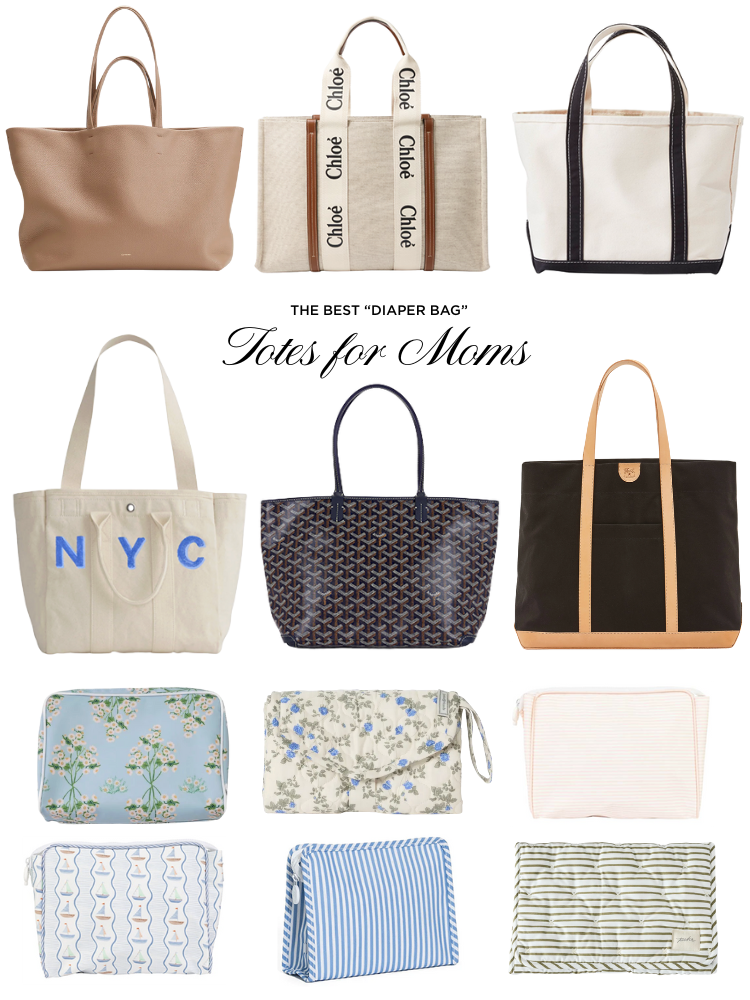
The classic tote is the foundation of diaper bag design. Its open-top or recessed zipper design provides easy access to essentials like wipes and burp cloths without fumbling.
This pattern typically features two long shoulder straps and a wide base, allowing the bag to stand upright on its own—a crucial feature when you only have one hand free.
Key Construction Features
- Boxed Corners: Essential for creating a flat bottom that prevents the bag from tipping over.
- Interfacing: Use a heavy-duty stabilizer like Pellon Peltex to give the bag a crisp, professional shape.
- External Slip Pockets: These are perfect for items you need to grab instantly, such as your phone or a pacifier.
For this pattern, choose a heavy-weight cotton canvas or a laminated cotton for the exterior.
Laminated cotton is particularly useful because it can be wiped clean with a damp cloth, making it highly practical for the messy reality of parenthood.
2. The Convertible Backpack Diaper Bag
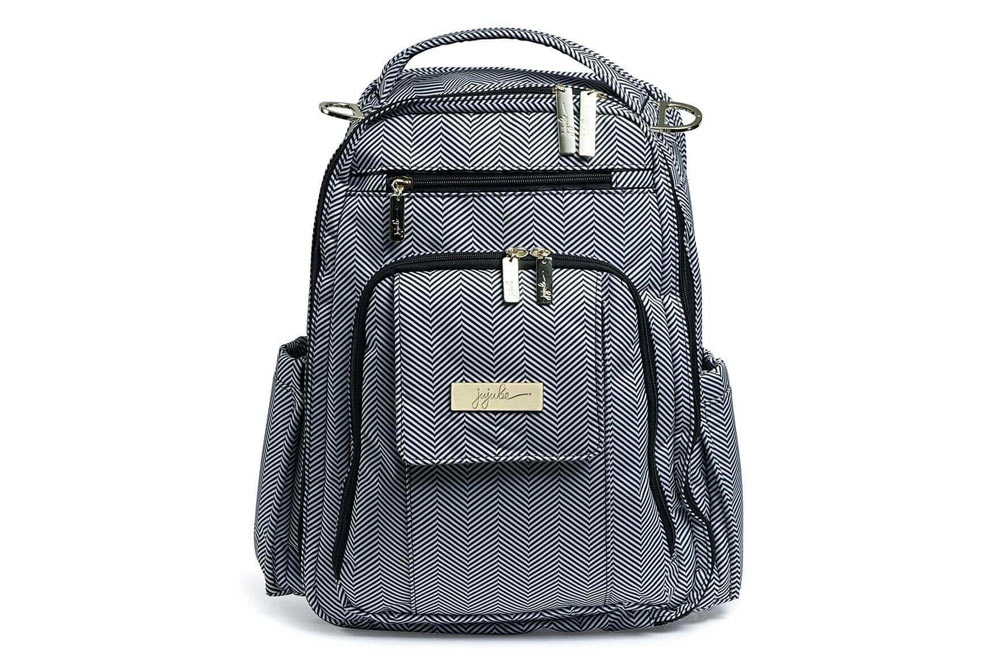
Backpack-style diaper bags have surged in popularity because they distribute weight evenly across both shoulders and keep your hands completely free.
A convertible pattern is even better, offering D-rings and swivel hooks that allow you to switch between a backpack and a traditional messenger bag.
Why It’s Practical
- Ergonomics: Better for your back during long walks or zoo trips.
- Stroller Straps: Most convertible patterns include instructions for short, integrated straps that clip directly onto a stroller handlebar.
- Padded Straps: Look for patterns that incorporate foam padding into the shoulder straps for maximum comfort.
When sewing this, ensure you reinforce the stress points where the straps meet the bag body.
Using a box-X stitch (a square with an X inside) will prevent the straps from ripping out when the bag is fully loaded with heavy bottles and books.
3. The Gender-Neutral Messenger Satchel
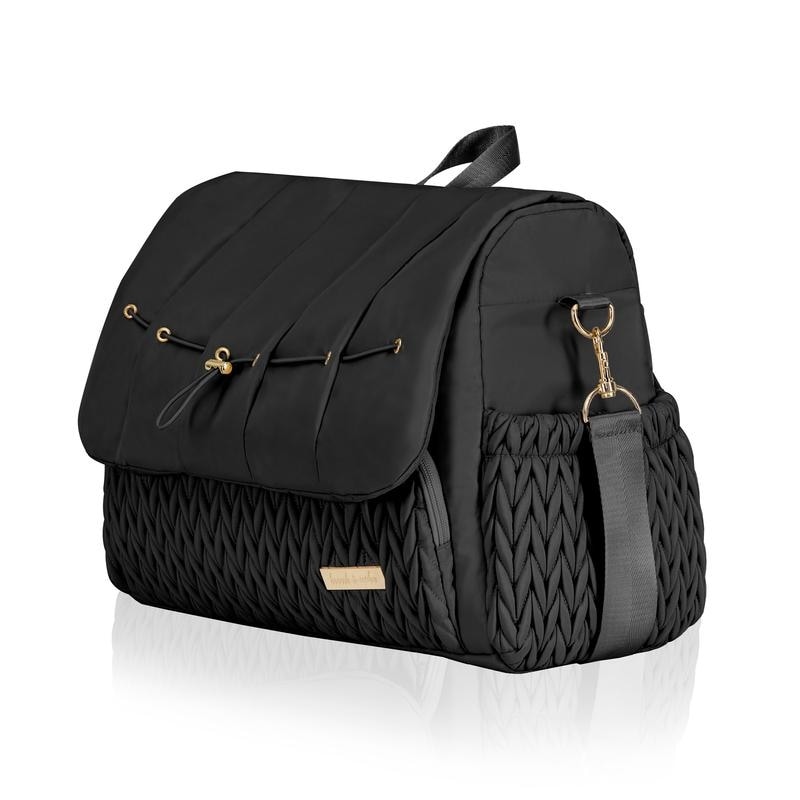
If you are looking for a bag that both parents will feel comfortable carrying, the messenger satchel is the ideal choice.
Characterized by a large front flap and a wide cross-body strap, this design looks more like a professional laptop bag than a traditional baby bag.
Design Elements
- Magnetic Snaps: Using magnetic snaps under the front flap allows for silent opening—perfect for when the baby is finally napping.
- Wide Cross-Body Strap: A 2-inch wide webbing strap helps distribute weight and stays secure while you’re moving quickly.
- Hidden Back Pocket: A zippered pocket against the body is a safe place for a wallet or keys.
4. The Ultimate Multi-Pocket Organizer
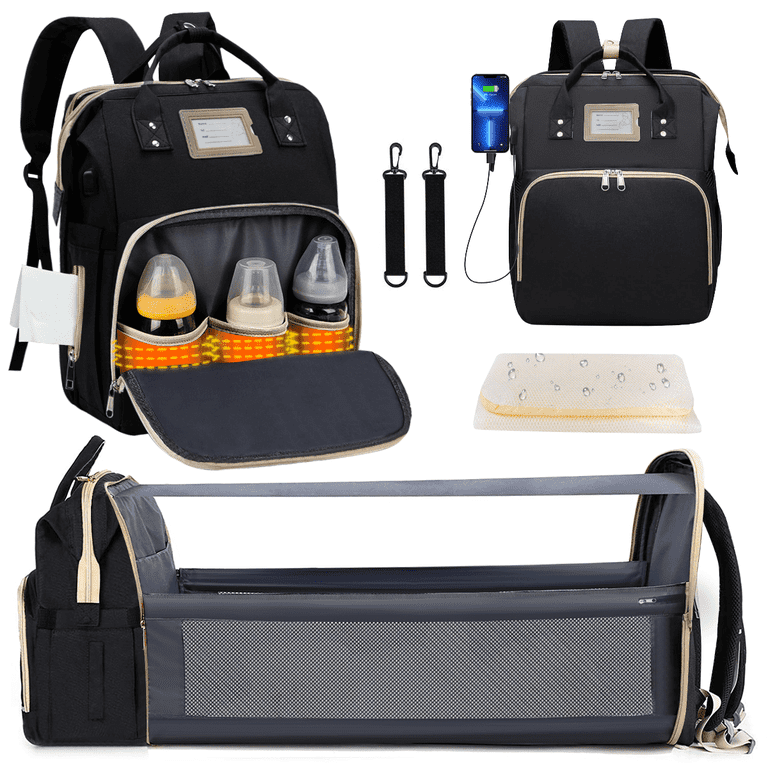
For the parent who loves a place for everything, this pattern focuses on maximizing internal and external storage.
It often features 8 to 12 different pockets, including elasticized pockets for bottles and mesh dividers for clothing.
Organizing the Interior
| Pocket Type | Best Material | Recommended Use |
|---|---|---|
| Elasticized Side Pockets | Mesh or Spandex | Bottles and Sippy Cups |
| Zippered Internal Pocket | Lightweight Cotton | Diaper Creams and Medicine |
| Large Slip Pocket | Main Fabric | Changing Pad Storage |
| Clear Vinyl Pocket | 12-Gauge Vinyl | Soiled Clothes or Wet Items |
Sewing this bag requires patience, as you will be handling many small pattern pieces.
Labeling each pocket piece with painter’s tape before you begin sewing will save you hours of confusion.
5. The “Quick Trip” Diaper Clutch
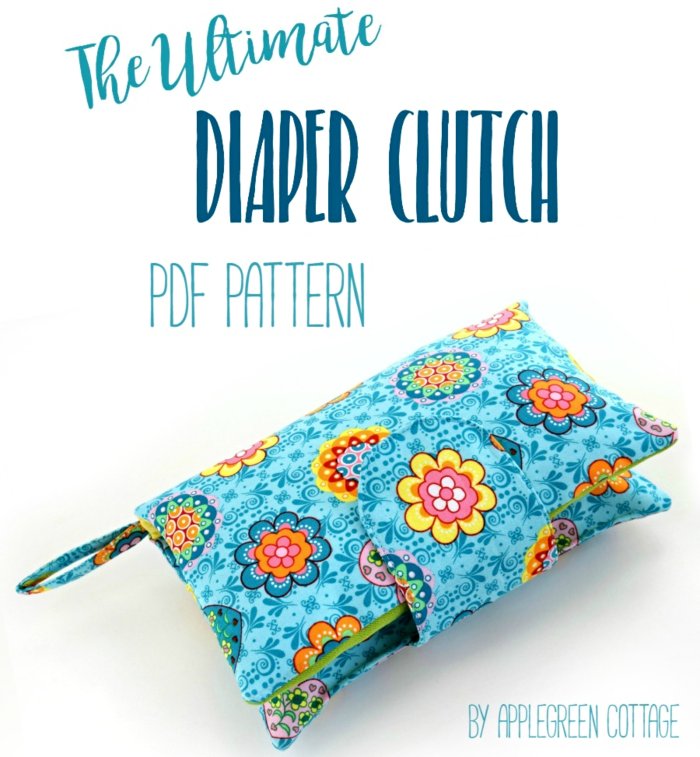
Not every outing requires a full-sized suitcase.
The diaper clutch is a minimalist pattern designed to hold exactly two diapers, a small pack of wipes, and a slim changing pad. It usually features a wristlet strap and a fold-over design.
Construction Tips
- Integrated Changing Pad: Some patterns allow you to sew a waterproof changing mat directly into the fold of the clutch.
- PUL Fabric: Use Polyurethane Laminate (PUL) for the lining. It is waterproof and frequently used in cloth diapering, making it the gold standard for wet bags.
- Size: Aim for a finished size of approximately 11″ x 7″ when folded.
6. The Round-the-Clock Weekender Duffel
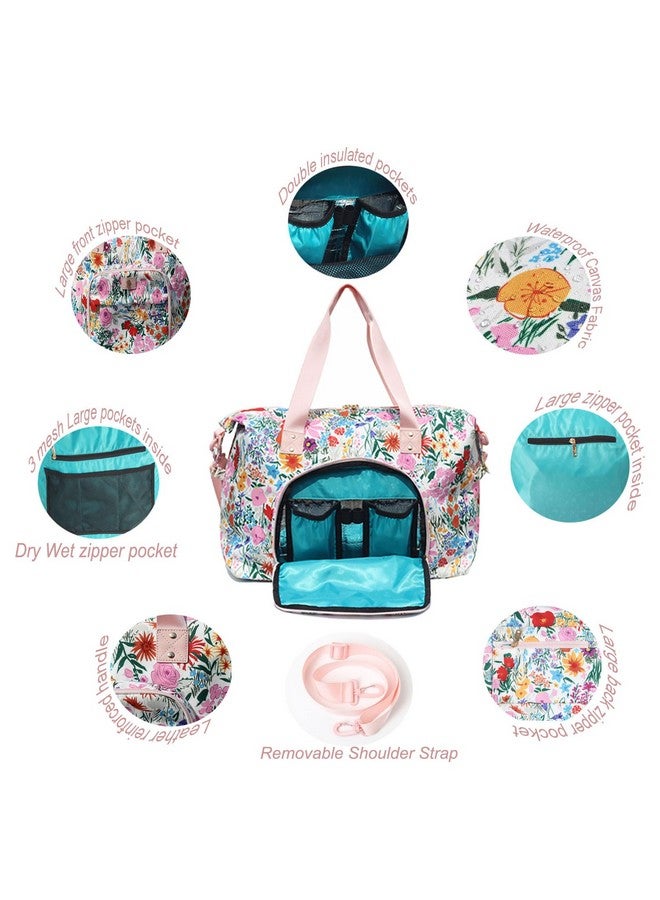
When traveling with an infant, a standard diaper bag often falls short.
The Weekender Duffel pattern provides a massive interior volume for overnight trips. This bag is characterized by its cylindrical or rectangular doctor bag shape and long top zipper.
High-Authority Sewing Tip
When sewing a large duffel, use a #5 or #10 molded plastic zipper. These are much stronger than standard dress zippers and won’t split under the pressure of a stuffed bag.
Additionally, adding purse feet to the bottom of the bag will keep the fabric off the floor, extending the life of your handmade creation.
7. The Eco-Friendly Upcycled Denim Bag
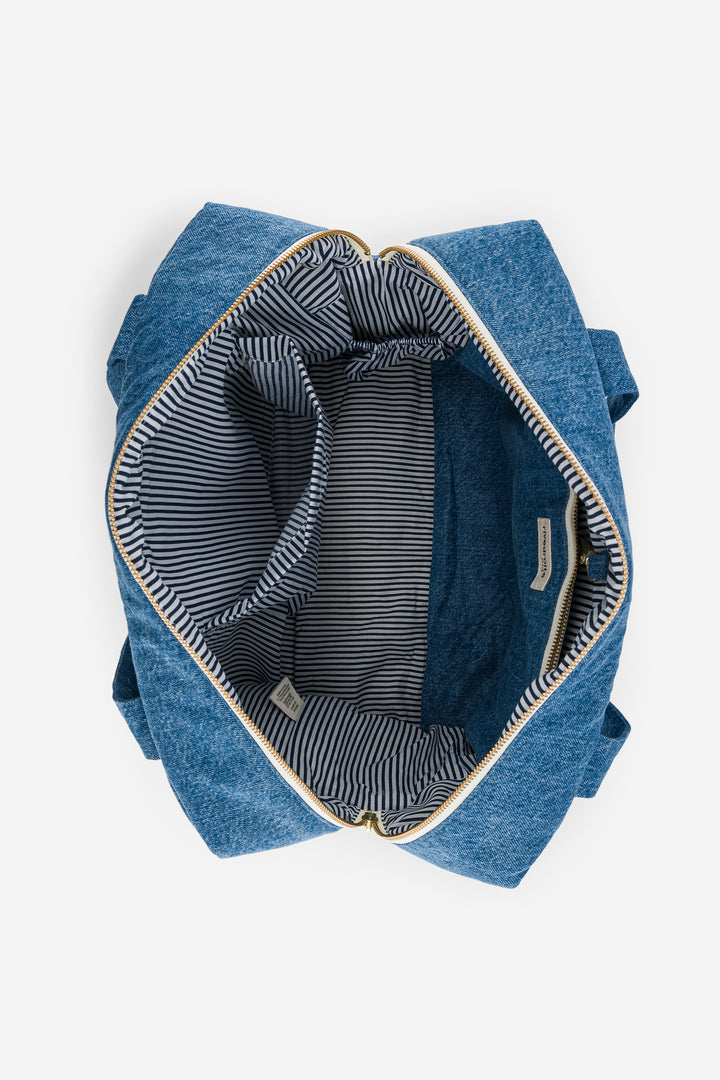
Upcycling is a core tenet of modern DIY. This pattern involves deconstructing 2–3 pairs of old jeans to create a rugged, stylish, and incredibly durable diaper bag.
Denim is naturally abrasion-resistant, making it perfect for a bag that will be tossed into cars and onto playground benches.
How to Upcycle Successfully
- Harvest the Pockets: Keep the original back pockets from the jeans and sew them onto the exterior of your bag for instant storage.
- Heavy-Duty Needles: Use a Size 100/16 or 110/18 denim needle.
- Topstitching: Use a thick topstitching thread in a contrasting color (like classic orange or gold) to give it a professional, store-bought look.
8. The Insulated Adventure Bag
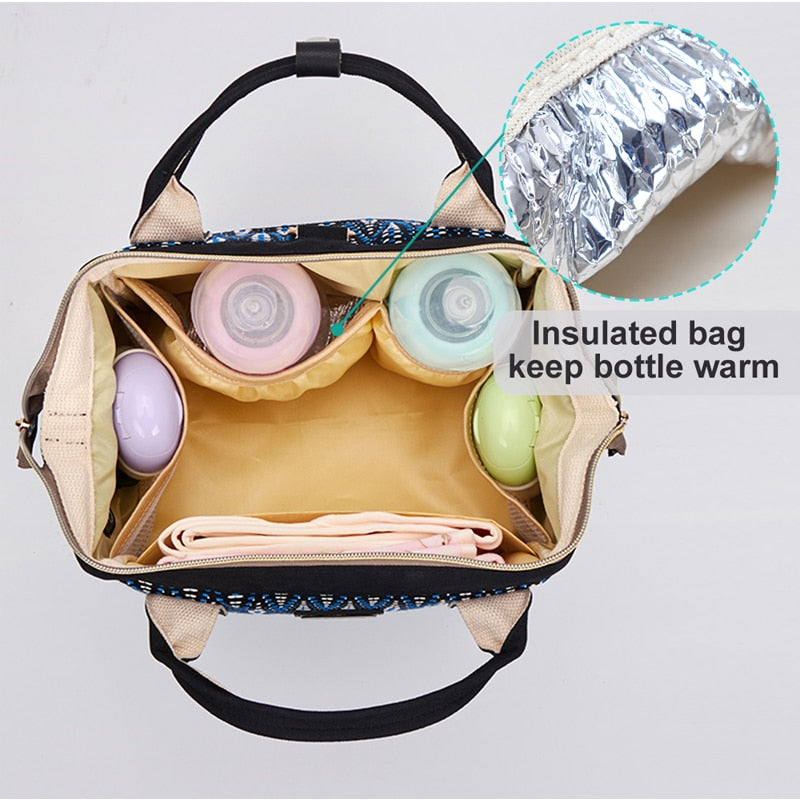
This pattern is a specialized variation of the tote or backpack, featuring a fully insulated compartment.
It’s designed for parents who are frequently outdoors and need to keep milk cold or snacks fresh.
Working with Insulating Materials
To make this bag functional, you must use a specialized lining like Insul-Bright. This material consists of hollow polyester fibers needle-punched through a reflective metallized polyester film.
- Note: Do not microwave any bag containing Insul-Bright.
- Sealing: Use a waterproof zipper for the insulated section to help maintain the internal temperature.
9. The Waxed Canvas Utility Bag
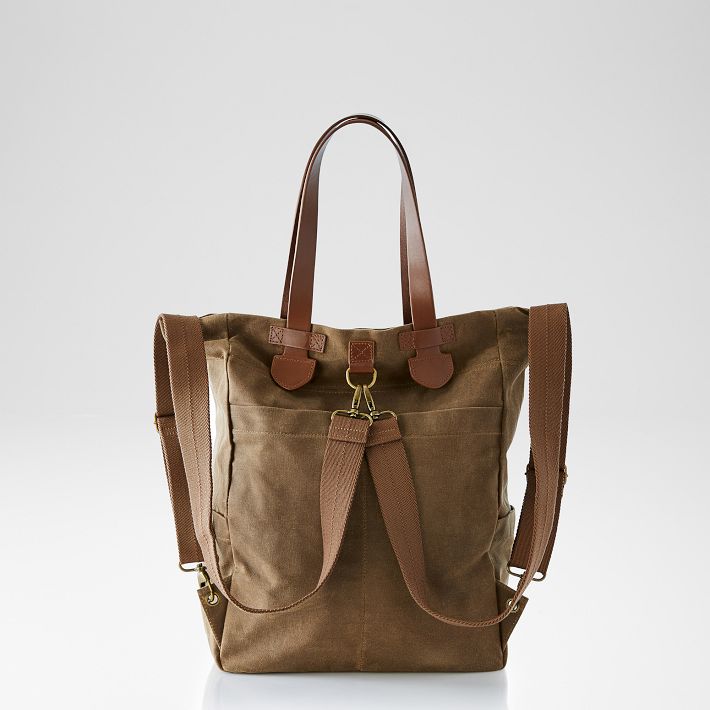
For a high-end, heritage look, use a waxed canvas pattern. Waxed canvas is naturally water-repellent and develops a beautiful patina over time.
This pattern usually leans toward a rugged, utility style with leather accents and antique brass hardware.
Handling Waxed Canvas
- No Pins: Pins will leave permanent holes in waxed canvas. Use Wonder Clips or binder clips instead.
- No Ironing: High heat will melt the wax. If you need to press a seam, use a finger press or a tailor’s clapper.
- Leather Straps: Pair this bag with pre-cut leather straps and copper rivets for a professional finish that rivals expensive boutique brands.
10. The Soft Quilted Heirloom Bag
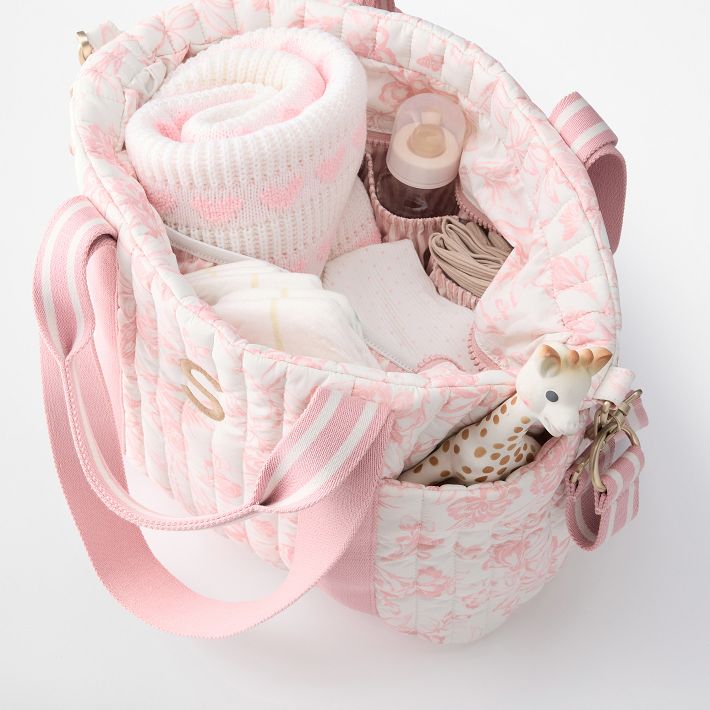
If you prefer a softer, more traditional aesthetic, the quilted diaper bag is a perfect choice.
This pattern involves quilting your exterior fabric to a layer of batting before assembly. It results in a lightweight, squishy bag that is gentle against the baby’s skin.
Quilting Techniques
- Pre-Quilted Fabric: You can buy fabric that is already quilted to save time.
- Free-Motion Quilting: If you are an experienced quilter, you can add custom designs like clouds, stars, or the baby’s name directly into the bag panels.
- Binding: Finish the internal seams with bias tape (Hong Kong finish) to ensure the bag is as beautiful on the inside as it is on the outside.
Essential Materials for Diaper Bag Construction
Before starting any of these patterns, ensure you have the following supplies in your sewing room:
| Material | Purpose | Recommended Type |
|---|---|---|
| Exterior Fabric | Durability & Style | Canvas, Denim, or Waxed Canvas |
| Lining Fabric | Cleanability | PUL, Nylon Ripstop, or Laminated Cotton |
| Interfacing | Structure | Pellon 808 Craft-Fuse or Peltex 71F |
| Hardware | Functionality | Swivel Hooks, D-Rings, and Magnetic Snaps |
| Thread | Strength | Heavy-duty Polyester Thread |
FAQ: Sewing Your Own Diaper Bag
What is the best fabric for a diaper bag lining?
The best lining fabric is PUL (Polyurethane Laminate) or Nylon Ripstop.
These fabrics are water-resistant or waterproof, meaning spills from bottles or leaky diapers won’t soak through to the exterior of the bag. They are also easy to wipe clean.
Do I need a heavy-duty sewing machine?
While a heavy-duty machine is helpful for sewing through multiple layers of canvas and interfacing, most modern domestic machines can handle these patterns if you use the correct needle (Size 90/14 or 100/16) and sew slowly over thick seams.
How many pockets should a diaper bag have?
Most practical patterns recommend at least 6 to 8 pockets.
This usually includes two insulated bottle pockets, one large pocket for a changing pad, and several smaller slip pockets for wipes, diapers, and personal items like your keys and phone.
Can I wash a handmade diaper bag?
This depends on your materials. If you use cotton canvas and PUL, you can usually machine wash on a cold, gentle cycle and air dry.
However, if you use waxed canvas, leather, or certain heavy stabilizers, you should only spot-clean the bag.
Conclusion
Sewing a diaper bag is more than just a craft project; it is an exercise in functional engineering.
By choosing one of these ten patterns, you are ensuring that your gear is tailored to your specific lifestyle—whether that involves hiking through trails with a waxed canvas backpack or navigating city streets with a sleek messenger satchel.
Remember that the secret to a professional-looking bag lies in the details: high-quality interfacing for structure, reinforced stitching for longevity, and thoughtful pocket placement for organization.
With these patterns as your guide, you can create a durable, stylish accessory that will serve you and your baby through the toddler years and beyond.
Leave a Reply