Knitting a hat is the ultimate gateway project for crafters looking to move beyond simple scarves. It is a manageable, one-skein endeavor that introduces essential techniques like knitting in the round, ribbing, and decreasing.
Whether you are crafting a tiny bonnet for a newborn or a rugged watch cap for an adult, a handmade hat offers a level of warmth and personalization that store-bought versions simply cannot match.
By mastering a few basic stitches, you can create a professional-grade accessory that serves as a perfect gift or a cozy addition to your own winter wardrobe.
In this guide, we will explore 10 versatile hat knitting patterns that cater to all skill levels and ages. From chunky textures to delicate baby knits, these projects are designed to be high-impact yet approachable.
1. The Classic 2×2 Ribbed Beanie
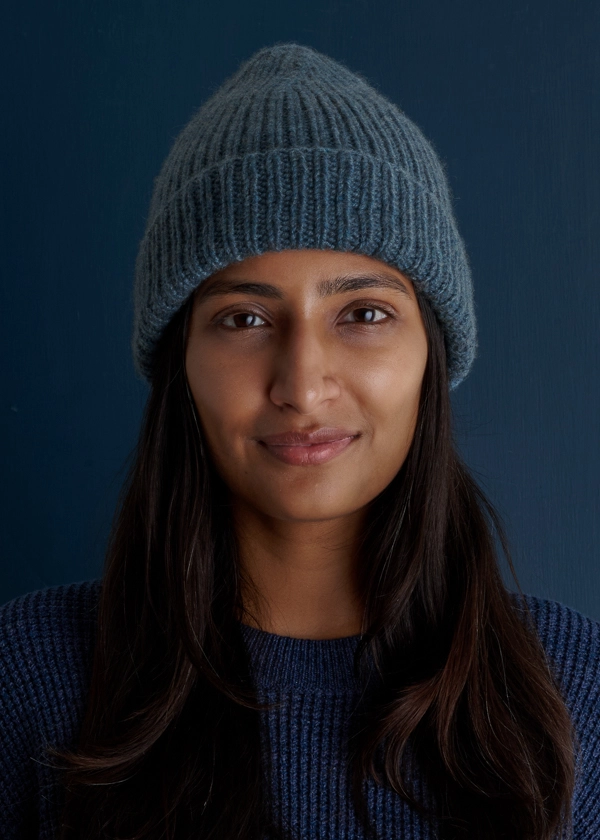
The ribbed beanie is the gold standard of hat knitting. Because the 2×2 rib (knit two, purl two) is naturally elastic, this hat is incredibly forgiving in terms of sizing.
This makes it the perfect choice if you are not exactly sure of the recipient’s head measurements.
The Design
This pattern creates a snug, hug-like fit. It is usually worked on circular needles to avoid a seam.
The vertical lines created by the ribbing add height and a slimming effect to the face.
Materials and Steps
- ✧Yarn: Worsted weight (Medium 4).
- ✧Needles: 4.5mm (US 7) circular needles.
- ✧Method: Cast on a multiple of 4 stitches. Work in a K2, P2 pattern for approximately 8–10 inches depending on whether you want a folded brim. To decrease, transition to K2tog (knit two together) across the round until only a few stitches remain.
2. The Super Chunky One-Hour Slouch
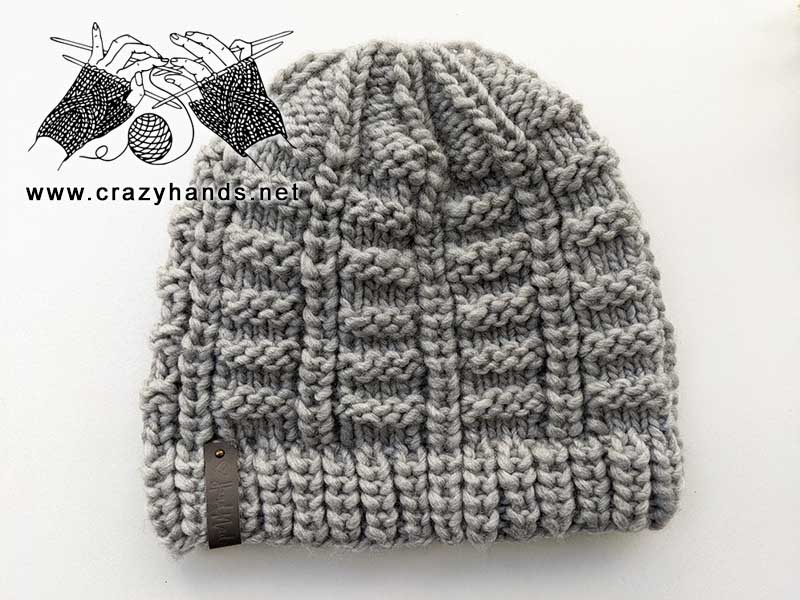
For those who crave instant gratification, the super chunky slouchy hat is the answer. Using thick yarn and large needles, you can often finish this project in a single evening while watching a movie.
The Design
This hat features a loose, relaxed fit at the crown. It’s a favorite for teenagers and young adults who prefer a modern, streetwear aesthetic.
The bulkiness of the yarn provides exceptional warmth for sub-zero temperatures.
Materials and Steps
- ✧Yarn: Super Bulky (Weight 6).
- ✧Needles: 9mm or 10mm (US 13 or 15) circular needles.
- ✧Method: Cast on 40–48 stitches. Work 1 inch of ribbing, then switch to straight stockinette stitch (knit every stitch). Continue until the hat measures 9 inches, then begin rapid decreases to close the top.
3. The Beginner’s Garter Stitch Baby Bonnet

If you are intimidated by knitting in the round, this pattern is for you. It is worked flat on straight needles and then seamed, making it one of the easiest ways to create a functional garment for an infant.
The Design
The garter stitch (knitting every row) creates a squishy, reversible fabric that is gentle on a baby’s sensitive skin.
The bonnet shape covers the ears and ties under the chin to ensure it stays in place.
Materials and Steps
- ✧Yarn: DK or Sport weight (Weight 3).
- ✧Needles: 3.75mm (US 5) straight needles.
- ✧Method: Knit a simple rectangle with a few increases at the front edge for shaping. Fold the rectangle and sew a single seam at the back. Add I-cord or ribbon ties to the corners.
4. The Basic Stockinette Beanie with Pom-Pom
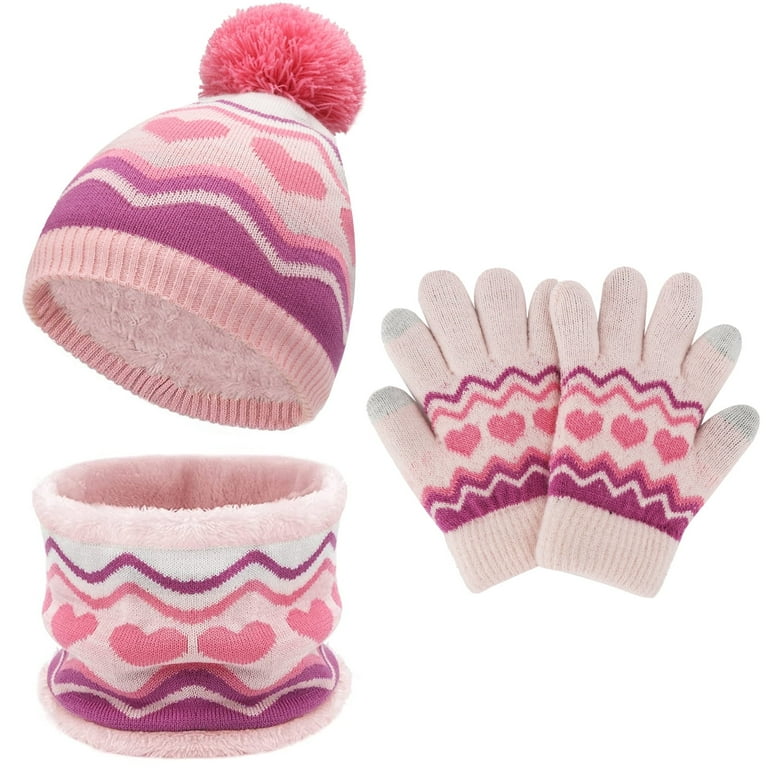
This is the quintessential school hat for children. It is smooth, simple, and provides a blank canvas for vibrant colors or variegated yarns.
The Design
The body of the hat is worked in stockinette stitch, which provides a smooth, classic finish.
The addition of a large yarn or faux-fur pom-pom adds a playful element that kids love.
Materials and Steps
- ✧Yarn: Aran weight (Weight 4).
- ✧Needles: 5mm (US 8) circulars and double-pointed needles (DPNs) for the crown.
- ✧Method: Start with a 1×1 rib for the brim to prevent rolling. Knit every round until the hat reaches the desired length (usually 6-7 inches for children). Use DPNs to decrease the crown smoothly.
5. The Fisherman’s Rib Watch Cap
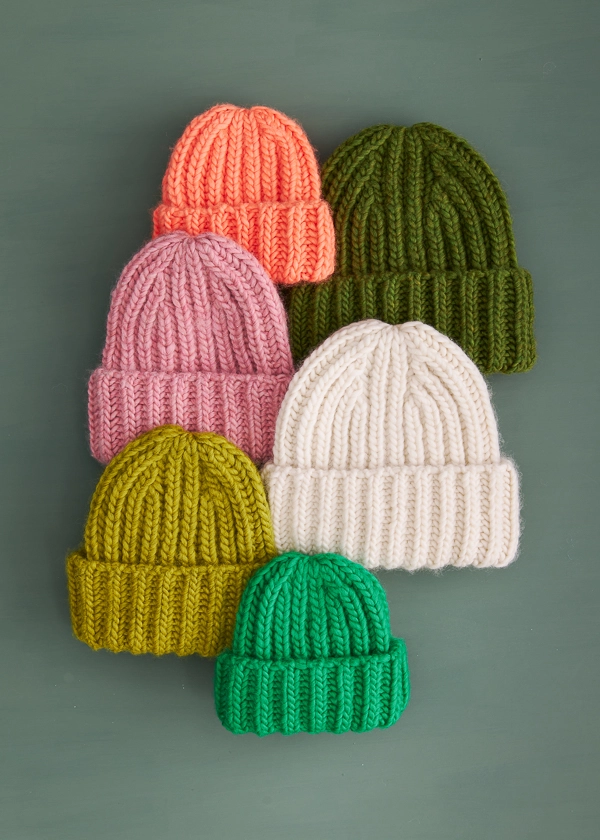
The Fisherman’s rib is a variation of the standard rib that creates a much thicker, loftier fabric. It is a timeless look often associated with maritime style and rugged outdoor wear.
The Design
This hat is dense and wind-resistant. It is usually knit with a deep brim that can be folded over twice for extra ear protection.
It is a unisex staple that appeals particularly well to men.
Materials and Steps
- ✧Yarn: Wool or wool-blend worsted weight.
- ✧Needles: 4.5mm (US 7).
- ✧Method: This involves knitting into the stitch of the row below the one currently on your needle. This K1-below technique creates the signature deep ridges. It uses more yarn than a standard beanie but offers double the warmth.
Quick Reference: Hat Sizing Guide
| Age Group | Head Circumference | Hat Height (Finished) |
|---|---|---|
| Newborn | 12–14 inches | 5–5.5 inches |
| Toddler (1-3 yrs) | 16–18 inches | 6.5–7 inches |
| Child (4-10 yrs) | 18–20 inches | 7.5–8 inches |
| Adult Woman | 21–22 inches | 8.5–9 inches |
| Adult Man | 23–24 inches | 9.5–10 inches |
6. The Textured Cable-Knit Toque
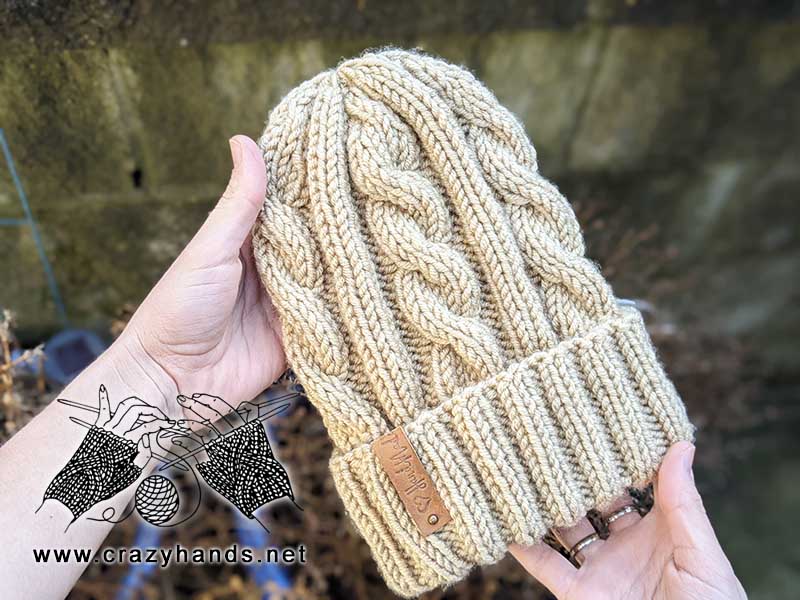
Cables look complicated, but they are simply a matter of rearranging the order in which you knit stitches. This pattern is ideal for intermediate knitters looking to add texture and wow factor to their work.
The Design
Featuring a series of braided or rope-like cables, this hat has a high-end, boutique appearance.
The cables add structure and thickness, making it a very sturdy winter accessory.
Materials and Steps
- ✧Yarn: Solid color worsted weight (to show off stitch definition).
- ✧Needles: 5mm (US 8) and a cable needle.
- ✧Method: Follow a 4-stitch or 6-stitch cable repeat. Every few rows, you will slip stitches onto a cable needle, hold them to the front or back, knit the next stitches, and then knit the stitches from the cable needle.
7. The Striped Scrap-Yarn Beanie
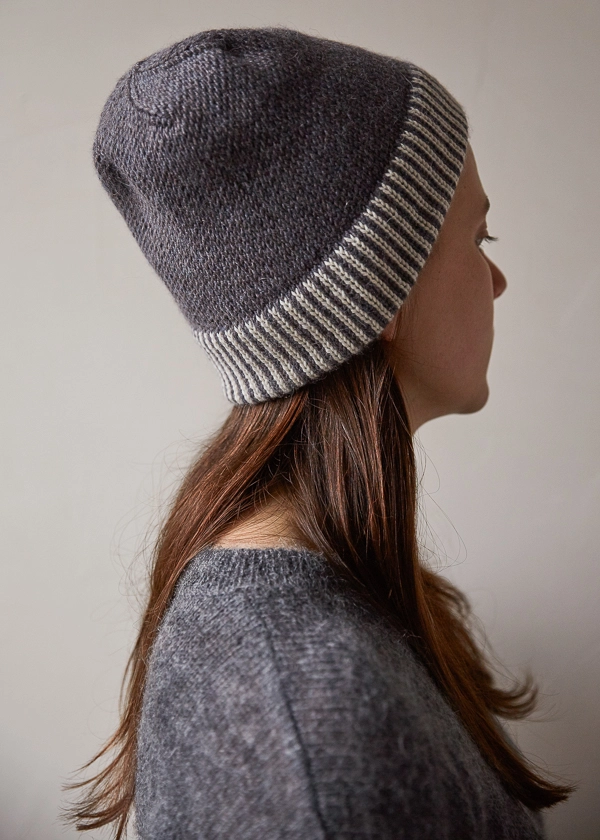
Upcycling is a core part of the DIY ethos. This pattern is designed to use up the leftovers from previous projects, ensuring that no high-quality yarn goes to waste.
The Design
By changing colors every 2–4 rounds, you create a vibrant, striped pattern.
It’s an excellent way to practice jogless stripes (a technique that hides the color jump at the start of a new round).
Materials and Steps
- ✧Yarn: Various scraps of the same weight (e.g., all worsted).
- ✧Needles: 4.5mm (US 7).
- ✧Method: Knit a basic beanie template, but switch to a new color whenever you run out of a scrap or at set intervals. Ensure you weave in your ends securely as you go!
8. The Vintage Roll-Edge Cloche
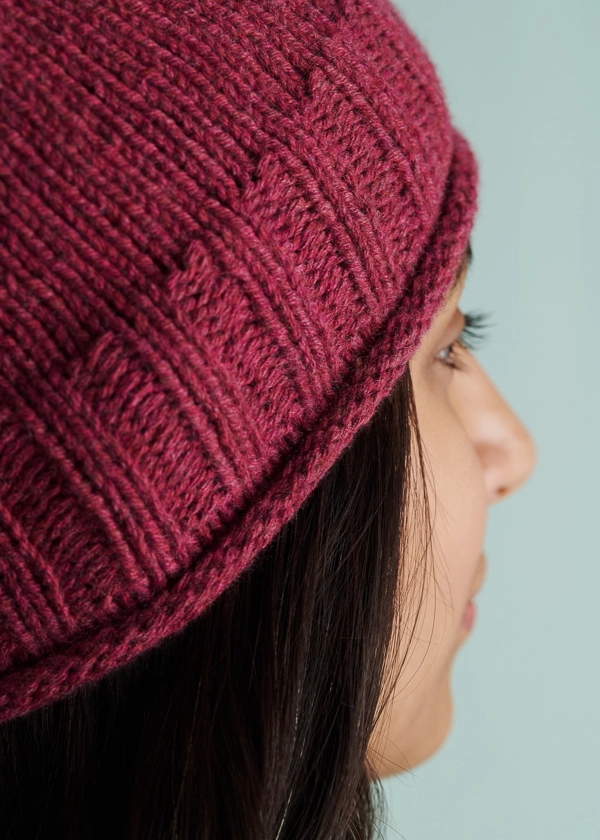
For a softer, more feminine look, the roll-edge cloche eliminates the traditional ribbed brim. It is an incredibly fast knit because it requires no purling for the brim.
The Design
Stockinette stitch naturally curls at the edges. In this pattern, we embrace that curl to create a decorative rolled brim.
It gives the hat a 1920s vintage vibe that is both elegant and casual.
Materials and Steps
- ✧Yarn: Soft Merino or Alpaca blend.
- ✧Needles: 4mm (US 6).
- ✧Method: Cast on and immediately begin knitting in the round. The first 1–2 inches will naturally roll upward. Continue straight until the crown, then decrease slowly to maintain a rounded, head-hugging shape.
9. The Seed Stitch Winter Hat
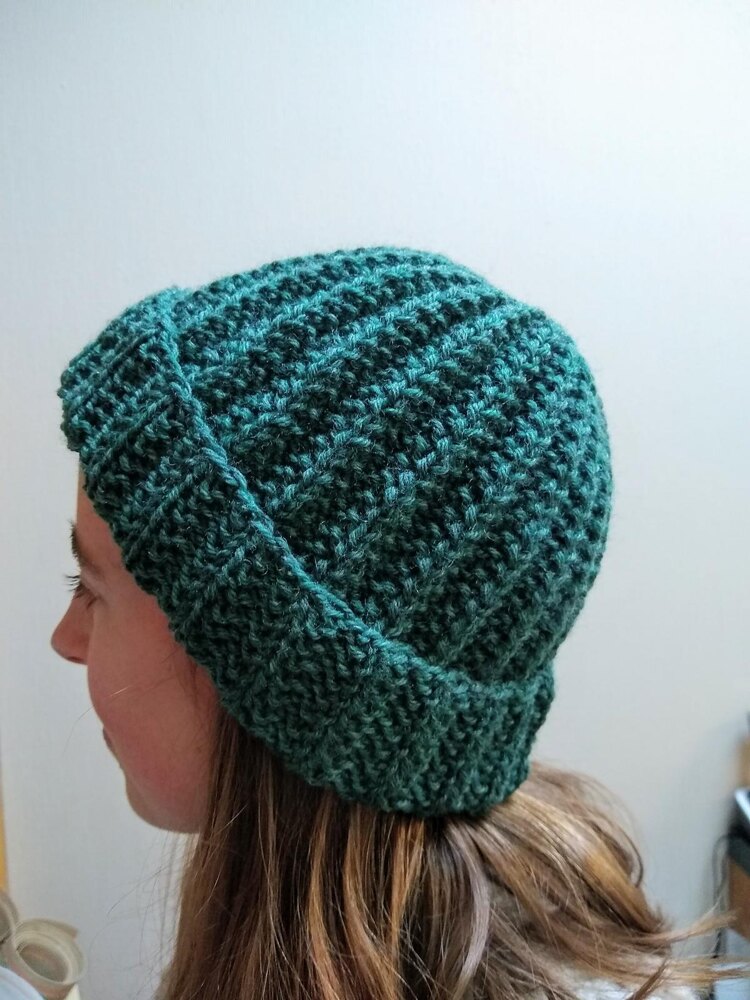
The seed stitch (alternating K1, P1 across the row, then P1, K1 on the next) creates a beautiful, pebbled texture that is completely flat and non-curling.
The Design
This hat has a sophisticated, sophisticated look that works well with professional attire.
The seed stitch creates a broken texture that catches the light differently than smooth stockinette.
Materials and Steps
- ✧Yarn: Chunky or Bulky weight.
- ✧Needles: 6mm (US 10).
- ✧Method: After a short ribbed brim, work the seed stitch pattern. Note: If knitting in the round on an even number of stitches, you must shift the pattern by one stitch each round to ensure the seeds stack correctly.
10. The Fair Isle Geometric Beanie
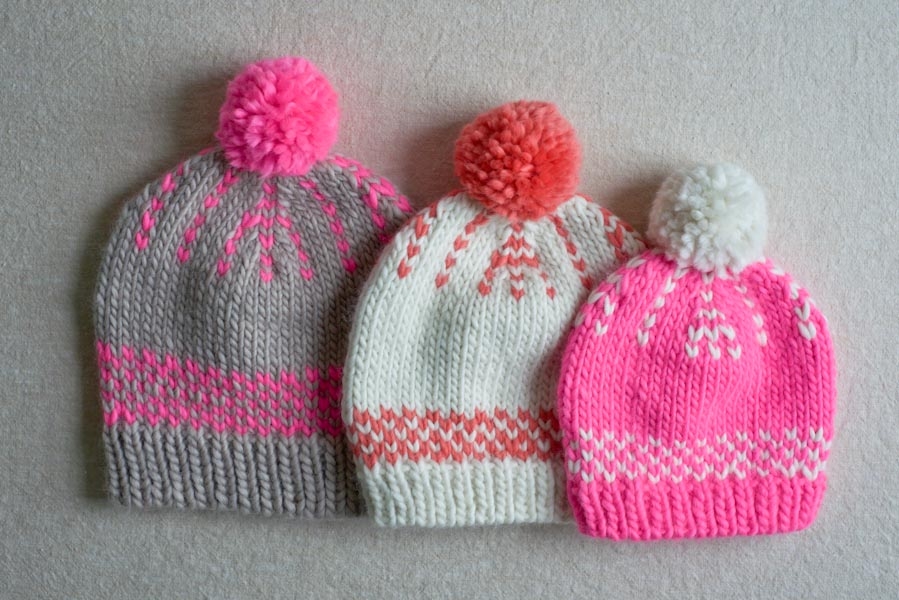
Fair Isle, or stranded colorwork, involves carrying two colors of yarn at once. This pattern is perfect for those ready to dabble in color theory and graphic design.
The Design
Using a simple geometric chart (like diamonds or small crosses), you create a multi-colored fabric.
The floats of yarn on the inside of the hat provide an extra layer of insulation, making this the warmest hat on our list.
Materials and Steps
- ✧Yarn: Two contrasting colors of worsted weight yarn.
- ✧Needles: 5mm (US 8).
- ✧Method: Follow a 4-stitch or 8-stitch repeat chart. Keep your floats loose to ensure the hat remains stretchy enough to fit over a head.
Frequently Asked Questions (FAQ)
Q: What is the best yarn for a beginner knitting a hat?
A: Look for a Worsted Weight or Chunky wool blend in a light, solid color. Light colors make it much easier to see your stitches and identify mistakes. Avoid eyelash or highly textured yarns until you are more experienced.
Q: How do I know how many stitches to cast on?
A: This depends on your gauge (how many stitches you knit per inch). Always knit a 4×4 inch swatch first. If your yarn label says 20 stitches = 4 inches, and you want a 20-inch hat, you would cast on 100 stitches.
Q: Can I knit a hat on straight needles?
A: Yes! Patterns like the Baby Bonnet (Pattern #3) are designed for straight needles. For adult hats, you can knit a flat rectangle and sew a seam up the back, though circular needles are generally preferred for a seamless look.
Q: My hat is too tight. What happened?
A: This is usually a tension issue. Beginners often hold the yarn too tightly. Alternatively, if you are doing cables or Fair Isle, these techniques naturally pull the fabric inward. Always go up a needle size if you know you are a tight knitter.
Conclusion
Knitting a hat is more than just a craft project; it is a way to create a functional piece of art that provides comfort and warmth.
Whether you choose the simplicity of the Classic Ribbed Beanie or the intricate beauty of the Fair Isle Geometric Hat, each of these 10 patterns offers a unique way to build your skills.
By varying your yarn choices and textures, you can populate an entire winter wardrobe with handmade headwear.
Remember to check your gauge, choose a yarn that feels good against the skin, and most importantly, enjoy the rhythmic process of every stitch. Happy knitting!
Leave a Reply